


SAKO BRAND

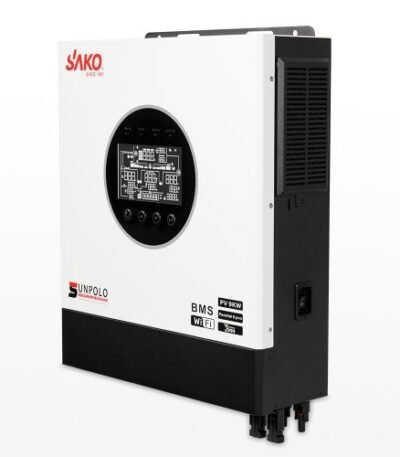
SAKO SUNPOLO 11kVA/48V Solar Inverter
Original price was: ₦1,255,000.00.₦1,253,000.00Current price is: ₦1,253,000.00.SAKO SUNPOLO 11kVA/48V Solar Inverter
The SAKO SUNPOLO 11kVA/48V Solar Inverter is an option for users planning a solar energy system with a compatible 48V battery configuration. Its stated 11kVA capacity provides a starting point for evaluating potential applications in homes, offices, shops, and other suitable properties. Before selecting this model, compare its verified output capabilities with your expected electricity consumption and installation requirements.
A successful solar system depends on matching the inverter with the right batteries, solar panels, and electrical loads. Understanding these requirements before purchasing can help you avoid compatibility issues and make a more informed investment in solar energy equipment.
Designed for Solar Energy Applications
An inverter is a central component of a solar power system because it converts electrical energy into a form suitable for compatible appliances. The SAKO SUNPOLO 11kVA/48V Solar Inverter is intended for users exploring solar power solutions for residential or commercial environments. The precise applications it supports depend on its confirmed technical features.
Start by calculating the total power required by your essential appliances. Identify which devices may operate at the same time and include their normal running consumption. Appliances such as refrigerators, air conditioners, and water pumps may require additional startup power, so check their electrical specifications before deciding whether the inverter is suitable.
You should also consider the difference between power and energy. The inverter’s output rating indicates its capacity to supply power, while battery capacity influences how much energy can be stored for later use. Solar panel output, weather conditions, and the connected load all affect the overall performance of the installation.
Battery Integration and Solar Panel Compatibility
The 48V battery rating is important when selecting compatible storage equipment. Confirm that the battery matches the inverter’s supported voltage, chemistry, charging profile, and communication requirements. Choosing an appropriate battery capacity can help you plan for your expected backup needs.
Solar panels must also operate within the inverter’s specified input limits. Check the permitted voltage range, maximum solar input power, charging current, and supported panel configuration before purchasing. Do not assume that a battery or panel will work with the inverter based only on one matching specification.
Professional installation helps ensure that all system components are connected and configured correctly. A qualified technician should assess cable sizing, electrical protection, earthing, ventilation, and the manufacturer’s wiring instructions. Proper system planning supports safe operation and helps protect your equipment.
Verify Performance and Technical Details
An 11kVA capacity rating does not automatically mean that the inverter delivers 11kW of real power. Actual usable output depends on the power factor and the manufacturer’s operating limits. Confirm the continuous output rating, surge capacity, supported battery types, solar input specifications, charging features, and protection functions before making a purchase.
The SAKO SUNPOLO 11kVA/48V Solar Inverter can be included in your comparison of solar power equipment for a planned installation. To make an informed decision, ask the seller for the official datasheet, warranty terms, and exact model details. Compare this information with your appliance load, battery requirements, and solar panel design to determine whether the inverter is right for your needs.
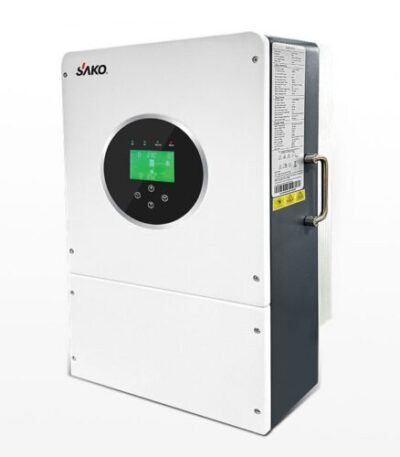
SAKO SUNPOLO 3.5kVA/24V Solar Inverter
Original price was: ₦391,000.00.₦390,000.00Current price is: ₦390,000.00.SAKO SUNPOLO 3.5kVA/24V Solar Inverter
Explore solar power conversion with the SAKO SUNPOLO 3.5kVA/24V Solar Inverter. Listed with a 3.5kVA capacity and a 24V configuration, this model is an option for buyers planning a compatible solar installation. These details help identify the product, while the official technical documentation should guide your final selection.
A reliable solar system requires components that work together within their specified limits. The inverter, solar panels, batteries, and connected appliances must suit one another. Therefore, evaluating your electricity requirements before purchase can help you plan an appropriate installation.
Assess Your Power Requirements
Start by listing the appliances you want to operate and recording their power ratings. Estimate their daily operating hours and identify equipment with high starting-power requirements. This information helps you assess whether the inverter’s verified output is appropriate for your intended use.
Remember that kVA and kW measure different things. The real-power output depends on the inverter’s rated power factor and other technical specifications. Confirm the usable output from the official datasheet before planning to operate several appliances simultaneously.
Solar panel selection also matters. The array’s total capacity and voltage must remain within the inverter’s supported limits. A qualified installer can help determine a suitable panel configuration for your energy needs.
Select a Compatible 24V Battery
Battery compatibility is essential when designing a system around a 24V inverter. Before purchasing a battery, verify its nominal voltage, chemistry, charging range, current limits, and any communication requirements specified by the manufacturer.
Battery capacity affects how much energy can be stored and how long selected appliances can operate when solar generation is insufficient. Consider your backup requirements and daily consumption when choosing a suitable battery size.
Follow the manufacturer’s recommended charging settings and electrical protection requirements. Correct wiring, grounding, and professional commissioning help support safe and dependable operation.
Important Checks Before Purchase
The SAKO SUNPOLO 3.5kVA/24V Solar Inverter may suit a solar project when its verified specifications match the intended application. However, the product title alone does not confirm its full feature set, charging capabilities, solar input limits, or operating modes.
Ask the seller for the official datasheet and confirm the exact model designation. Check the real-power output, supported battery types, solar input range, installation requirements, warranty terms, and after-sales service.
These checks help you select equipment that fits your system design and electricity needs. Use compatible components and arrange installation through a qualified professional.
Choose the SAKO SUNPOLO 3.5kVA/24V Solar Inverter after confirming the technical specifications and ensuring that it matches your planned installation.
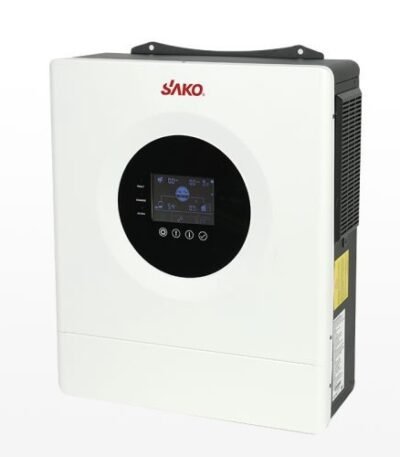
SAKO SUNPOLO 5.5kVA/48V Solar Inverter
Original price was: ₦577,000.00.₦575,000.00Current price is: ₦575,000.00.SAKO SUNPOLO 5.5kVA/48V Solar Inverter
Make your solar installation easier to plan with the SAKO SUNPOLO 5.5kVA/48V Solar Inverter. Designed for solar power applications, this inverter is a potential option for households and small businesses looking to convert available solar or battery energy into usable electricity. Its stated 5.5kVA capacity and 48V battery system provide two important specifications to consider when evaluating compatibility with your planned solar setup.
Selecting an inverter requires more than comparing capacity ratings. You should also understand your electricity consumption, the types of appliances you use, the battery configuration, and the solar panels you intend to install. Reviewing these requirements before purchasing can help you choose equipment that better suits your daily power needs.
Practical Power for Solar Applications
A solar inverter plays a central role in a solar energy system by converting electrical power into a form suitable for compatible loads. The SAKO SUNPOLO 5.5kVA/48V Solar Inverter is intended for users exploring a solar solution for residential or small commercial applications. Its suitability depends on the verified capabilities of the specific model and the design of the complete installation.
Start by listing your essential appliances, such as lights, fans, networking equipment, and other everyday devices. Record their power consumption and estimate how many may operate simultaneously. If you plan to use equipment with motors or compressors, account for the additional power it may require during startup. This calculation helps determine whether the inverter’s actual output can support the intended load.
Battery Compatibility and System Design
The 48V battery rating is an important consideration when building a compatible solar power system. The battery bank must match the inverter’s supported voltage and battery requirements. Battery capacity also affects how long supported appliances can operate when solar generation is limited or unavailable.
Before installation, confirm the supported battery chemistry, charging settings, charging current, and any battery communication requirements. Do not assume that every 48V battery is compatible simply because the voltage rating appears suitable. Solar panel voltage, current, and total array capacity must also remain within the inverter’s permitted input limits.
Proper installation is equally important. Use appropriately sized cables and suitable electrical protection, and provide the ventilation recommended by the manufacturer. A qualified installer should assess the system layout and ensure that the inverter, batteries, solar panels, and connected appliances work together safely.
Important Specifications Before Purchase
The 5.5kVA figure represents apparent power, not necessarily the same amount of real power in kilowatts. Actual output depends on the unit’s rated power factor and other operating limits. Buyers should confirm continuous output power, surge capability, solar input voltage range, maximum solar charging capacity, battery charging specifications, and operating modes using the official product datasheet.
The SAKO SUNPOLO 5.5kVA/48V Solar Inverter may suit buyers comparing equipment for a planned solar installation, but the correct choice depends on their specific energy needs. Ask the seller to confirm the exact model, included accessories, warranty coverage, and technical specifications. Careful planning and professional installation can help you build a solar power system that meets your requirements more effectively.
SAKO SUNPOLO 6kVA/48V Solar Inverter
Original price was: ₦676,000.00.₦673,000.00Current price is: ₦673,000.00.SAKO SUNPOLO 6kVA/48V Solar Inverter
Looking for a solar inverter for your home or business? The SAKO SUNPOLO 6kVA/48V Solar Inverter is a model to consider when planning a solar power system with a compatible 48V battery setup. Its stated 6kVA capacity provides a starting point for comparing inverter options, while the actual suitability depends on the verified output rating, solar input limits, battery compatibility, and your electrical load.
A carefully planned solar installation can help users make practical use of available solar energy. To choose the right equipment, consider which appliances you need to power, how much electricity they consume, and how much backup time you expect from the battery system. These factors are more useful than choosing an inverter based on capacity alone.
Designed for Everyday Solar Energy Needs
Solar inverters are an important part of solar power installations because they convert electrical energy into a form that compatible appliances can use. The SAKO SUNPOLO 6kVA/48V Solar Inverter is intended for users researching solar power options for residential and small commercial settings. The actual applications supported by this model should be confirmed through its official technical documentation.
Begin by calculating the combined consumption of your essential appliances. Include lighting, fans, computers, televisions, and other equipment you expect to operate together. If you use refrigerators, water pumps, or other motor-driven appliances, check their starting power requirements as well as their normal consumption. This will help you assess the inverter’s suitability for your intended load.
Battery and Solar Panel Planning
The 48V battery rating is a key consideration for system compatibility. The selected battery must meet the inverter’s voltage, chemistry, charging, and communication requirements. Battery capacity determines how much energy is available for use when solar generation is insufficient, although actual backup time also depends on appliance consumption and system efficiency.
Your solar panels must also match the inverter’s supported input range. Before buying, verify the maximum solar input power, permitted voltage range, charging current, and supported panel arrangement. Never assume that a panel or battery is compatible based only on a single rating.
A qualified solar installer can help design the system, select appropriate cables, install protective equipment, and ensure proper earthing and ventilation. Correct installation supports safe operation and helps reduce the risk of equipment damage. Always follow the manufacturer’s instructions for wiring and configuration.
Check the Technical Specifications
The 6kVA capacity rating is not necessarily equal to 6kW of usable real power. The actual output in kilowatts depends on the inverter’s power factor and rated operating limits. Buyers should verify the continuous output, surge rating, charging performance, battery support, protection features, and operating modes before making a decision.
The SAKO SUNPOLO 6kVA/48V Solar Inverter can be included in your shortlist when comparing solar energy equipment for a planned installation. For a confident purchase, request the official datasheet and confirm the exact model details with the seller. Compare those specifications with your appliance load, battery requirements, and solar panel configuration to choose a system that meets your needs.
SAKO SUNPOLO 8kVA/48V Solar Inverter
Original price was: ₦855,999.00.₦850,999.00Current price is: ₦850,999.00.SAKO SUNPOLO 8kVA/48V Solar Inverter
The SAKO SUNPOLO 8kVA/48V Solar Inverter is an option to explore when planning a solar power system for a home, office, shop, or other suitable property. Its stated 8kVA capacity and 48V battery rating provide useful starting points for evaluating compatibility with your installation. Before choosing this model, review your power requirements and confirm its complete technical specifications with the seller.
Solar energy systems need careful planning to deliver dependable performance. The inverter must match the electrical load, the battery bank must provide suitable storage, and the solar panels must operate within the inverter’s permitted input limits. Considering all these components together can help you select a system that meets your daily electricity requirements.
A Practical Choice for Solar Installations
An inverter is responsible for converting electrical energy into power that compatible appliances can use. The SAKO SUNPOLO 8kVA/48V Solar Inverter is intended for users researching solar energy equipment for residential and commercial applications. The precise applications and performance capabilities should be confirmed using the manufacturer’s documentation.
To assess whether this model meets your requirements, make a list of your essential electrical devices. Include their rated power and estimate which appliances may operate simultaneously. Pay particular attention to devices with motors or compressors because their starting demand may exceed their normal running consumption.
Your expected usage pattern also matters. Some households prioritize lighting, fans, and communication equipment, while others need to support additional appliances. A realistic load calculation helps you compare the inverter’s verified output with your actual needs instead of relying only on the headline capacity.
Battery Storage and Solar Input Planning
This model’s stated 48V battery system should guide your battery selection. Confirm that the battery’s voltage, chemistry, charging requirements, and communication features are supported by the inverter. Battery storage capacity determines the amount of energy available for later use, while actual backup time depends on the connected load and system efficiency.
Solar panel compatibility is equally important. Check the maximum permitted solar input power, voltage range, charging capacity, and approved panel configuration before purchasing. Incorrect system sizing can prevent equipment from operating within its specified limits.
For safe installation, use correctly sized cables, suitable circuit protection, proper earthing, and adequate ventilation. A qualified installer should review the complete system and follow the manufacturer’s installation instructions. This helps ensure that the inverter and other components are configured appropriately.
Important Details to Confirm Before Purchase
An 8kVA rating does not necessarily equal 8kW of usable real power. The actual kilowatt output depends on the inverter’s power factor and rated operating limits. Buyers should verify the continuous output rating, surge capability, supported batteries, solar input specifications, charging performance, and protection features.
The SAKO SUNPOLO 8kVA/48V Solar Inverter can be included in a shortlist of products for a planned solar installation. However, its suitability depends on the verified specifications and your property’s electrical requirements. Ask the seller for the official datasheet, warranty information, and confirmation of the exact model before ordering. Careful comparison helps you invest in a solar solution that fits your needs.
SAKO SUNSEE 3kW Off-Grid Inverter
Original price was: ₦655,000.00.₦650,000.00Current price is: ₦650,000.00.SAKO SUNSEE 3kW Off-Grid Inverter
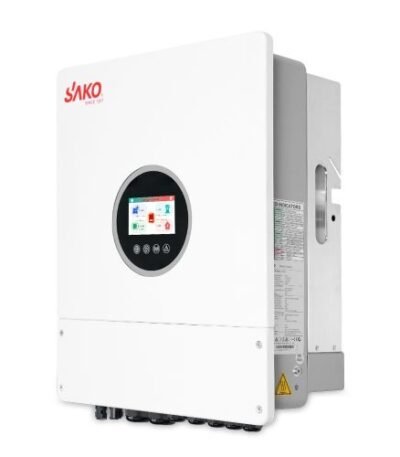
The SAKO SUNSEE 3kW Off-Grid Inverter is a solar power solution to consider when planning an independent electricity system for a home or small business. An off-grid inverter converts power from a compatible solar and battery setup into usable electricity without requiring a continuous connection to the utility grid. Its suitability depends on your power consumption, battery configuration, and the verified capabilities of the specific model.
When planning an off-grid installation, it is important to select equipment that matches your energy requirements. Consider which appliances you need to operate, how many hours they will run, and how much solar energy your panels can produce. These details help you choose an inverter and battery system that supports your intended use.
Efficient Solar Energy Management
The SAKO SUNSEE 3kW Off-Grid Inverter belongs to SAKO’s SUNSEE series of off-grid MPPT solar inverters. The series documentation lists an integrated MPPT solar charge controller, selectable input voltage ranges, configurable AC or solar charging priorities, and automatic restart when AC power returns.
These functions are relevant when planning a solar system for everyday electricity use. However, the exact operating modes and available features should be checked against the datasheet for your particular model.
Start by calculating the power requirements of your essential appliances. Include lighting, fans, computers, televisions, and other equipment you expect to operate together. If you plan to use refrigerators, pumps, or compressors, consider their starting power requirements as well as their normal running consumption.
A careful load assessment helps you determine whether the inverter can support your planned usage. It also helps you avoid overloading the system and makes it easier to estimate your battery storage requirements.
MPPT Charging and System Planning
An integrated MPPT charge controller helps regulate solar charging by tracking an appropriate operating point for the connected panels. Its performance depends on the available sunlight, panel configuration, battery requirements, and the controller’s rated limits.
The battery bank must match the inverter’s supported voltage and charging specifications. Before buying, confirm battery chemistry compatibility, maximum charging current, and available charging settings. Battery capacity should reflect your expected electricity consumption and the length of time you want to operate appliances when solar generation is limited.
Solar panel selection requires similar attention. Verify the permitted PV voltage range, maximum solar input power, and supported panel configuration. Do not connect batteries or solar panels until you have checked the manufacturer’s requirements.
For a safe installation, use appropriate cables, suitable electrical protection, proper earthing, and adequate ventilation. A qualified solar technician can help configure the equipment and ensure the complete system meets its operating requirements.
Choose the Right Off-Grid Inverter
The SAKO SUNSEE 3kW Off-Grid Inverter can be considered by users looking to reduce reliance on grid electricity through a suitably designed solar installation. Before purchasing, verify the exact rated output, surge capacity, battery voltage, solar input limits, charging specifications, and warranty terms.
Remember that an off-grid inverter does not automatically provide unlimited backup power. Available electricity depends on solar generation, battery storage, inverter capacity, and appliance consumption. Correct system sizing is essential for dependable performance.
For accurate product information, request the official SUNSEE 3KVA-5KVA user manual and datasheet from the seller. Compare the verified specifications with your expected load and solar panel arrangement before making a decision. This approach helps you choose equipment that suits your property and energy requirements.
SAKO SUNSEE 5kW Off-Grid Inverter
Original price was: ₦1,120,000.00.₦1,100,000.00Current price is: ₦1,100,000.00.SAKO SUNSEE 5kW Off-Grid Inverter
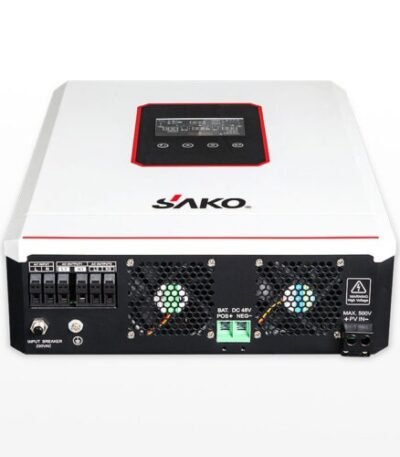
The SAKO SUNSEE 5kW Off-Grid Inverter is a solar energy solution to consider when planning an independent power system for a home or business. It is part of the SUNSEE off-grid inverter series, which SAKO documents as including MPPT solar charging and configurable charging priorities. These functions can help users manage solar power and compatible battery storage according to their installation requirements. <Cite refs={[“turn747218search12″,”turn747218search0”]}/>
An off-grid system can provide electricity to compatible appliances without depending on a continuous utility-grid connection. However, the amount of electricity available depends on the solar array, battery capacity, sunlight conditions, inverter limits, and energy consumption. Understanding these factors helps you plan a system that matches your daily needs.
A Practical Option for Independent Solar Systems
The SAKO SUNSEE 5kW Off-Grid Inverter can be considered for suitable residential and small commercial solar installations. Its purpose is to convert electrical power into usable AC electricity for compatible appliances. The actual applications it can support depend on the confirmed specifications of the exact model.
Start by preparing a list of the devices you need to power. Include their power ratings and estimate how many may operate at the same time. Remember to account for startup requirements from appliances such as pumps, refrigerators, and compressors. This step helps you compare your expected load with the inverter’s rated output.
You should also consider when you use the most electricity. If your consumption is higher in the evening, sufficient battery storage may be important. If most appliances operate during daylight hours, solar generation may cover a greater share of the demand when conditions are suitable.
Solar Charging and Energy Storage
SAKO’s official SUNSEE series documentation lists an integrated MPPT solar charge controller. This controller manages charging from compatible solar panels within its supported voltage and current limits. The available solar energy varies with panel capacity, sunlight, shading, and installation conditions.
The battery bank must match the inverter’s supported voltage and charging requirements. Confirm battery chemistry compatibility, charging current, and configuration before connecting the equipment. Battery capacity should be selected according to the amount of energy you expect to use and how long you need backup power.
Solar panels must also meet the inverter’s permitted input specifications. Check the maximum PV input power, open-circuit voltage limit, operating voltage range, and supported panel configuration in the official manual. A qualified installer can help select compatible equipment and install suitable cables, circuit protection, earthing, and ventilation.
Verify Specifications Before Ordering
The 5kW rating describes the stated output power, but it does not tell you everything about the inverter’s performance. You should also confirm surge capacity, conversion efficiency, battery requirements, charging capabilities, input voltage limits, and protection features for the exact model.
Ask the seller for the official SAKO SUNSEE 3KVA-5KVA user manual and confirm that it applies to the specific unit being sold. SAKO lists this manual in its official download catalogue. <Cite refs={[“turn747218search0”]}/>
The SAKO SUNSEE 5kW Off-Grid Inverter may be an option for customers planning an independent solar energy system. Compare its verified specifications with your appliance load, solar panel arrangement, and battery requirements before purchasing. Careful system design helps you choose equipment that supports your energy needs safely and effectively.
SAKO SUNSEE 8kW Off-Grid Inverter
Original price was: ₦1,452,000.00.₦1,450,000.00Current price is: ₦1,450,000.00.SAKO SUNSEE 8kW Off-Grid Inverter
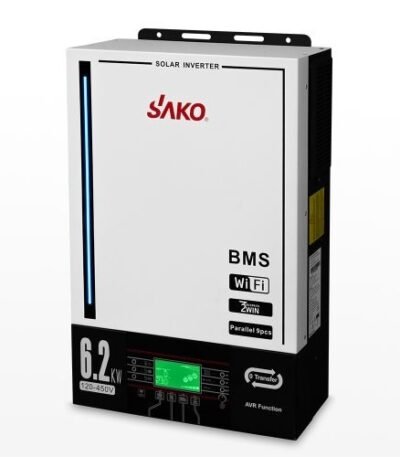
Looking for an off-grid solar inverter for a home or business power system? The SAKO SUNSEE 8kW Off-Grid Inverter is a model to consider when planning a solar installation designed to use solar-generated electricity independently of the utility grid. An inverter converts DC power into AC power for compatible appliances, while the rest of the solar system determines how energy is generated, stored, and supplied.
The advertised 8kW capacity should be verified before purchase. Officially available SAKO catalogue information covers the SUNSEE 1–5K range, so buyers should request the specific datasheet for any product advertised as SUNSEE 8kW. This simple check helps confirm the correct model and prevents confusion between product variants.
A Practical Option for Solar Energy Systems
An off-grid inverter is a key component in a standalone solar power setup. Solar panels generate electricity during daylight hours, and a compatible inverter helps convert that electricity for use by suitable AC appliances. When the system includes a supported battery, stored energy can also be used when solar production is insufficient, subject to battery capacity and system settings.
The SAKO SUNSEE 8kW Off-Grid Inverter may suit users planning a system for household or small commercial electricity needs, provided its verified specifications meet the required load. Consider which appliances must operate together and whether any equipment needs extra starting power. The total running load and surge demand are both important when selecting an inverter.
Check Technical Specifications Before Buying
Do not choose an inverter based on capacity alone. Request the official datasheet and check the rated output, battery voltage, maximum solar panel input, MPPT operating range, charging current, AC input options, output waveform, and supported battery types. These details determine how the inverter can be connected and which components are suitable.
Some features described in SAKO’s published SUNSEE 1–5K documentation include an integrated MPPT solar charge controller, configurable charging priority, selectable input voltage ranges, and automatic restart when AC power returns. However, these details refer to the documented SUNSEE 1–5K range and should not be treated as confirmed specifications for an 8kW model. Ask the supplier to confirm every feature against the exact product version.
You should also check the warranty terms, availability of technical support, installation requirements, and recommended protective equipment. A qualified installer can verify compatibility between the inverter, solar panels, battery, cables, and connected appliances.
Plan a Reliable Off-Grid Installation
A well-planned solar system begins with an accurate assessment of electricity usage. List essential appliances, estimate their operating hours, and identify loads that may run simultaneously. This information helps determine the required inverter output and the battery storage needed for your preferred backup duration.
The SAKO SUNSEE 8kW Off-Grid Inverter can be evaluated as part of a solar power plan once the seller confirms the model’s official rating and features. Remember that the inverter alone does not determine how long your appliances will run. Actual performance depends on solar generation, battery capacity, weather, load demand, system losses, and installation quality.
Before placing an order, compare your requirements with the manufacturer’s documentation and obtain written confirmation of the exact model. With suitable components, professional installation, and proper system sizing, an off-grid solar setup can help users make effective use of solar electricity. Always follow the manufacturer’s instructions and local electrical safety requirements.