


SAKO BRAND

SAKO SK-540M 540W Mono Solar Panel
Original price was: ₦138,800.00.₦138,000.00Current price is: ₦138,000.00.Explore the SAKO SK-540M 540W Mono Solar Panel
Choosing a solar panel is an important step when planning a solar power system. The SAKO SK-540M 540W Mono Solar Panel offers a rated power of 540 watts. It is an option for buyers who want to compare monocrystalline modules for suitable solar projects.
A good solar system starts with careful planning. You need to consider electricity consumption, available installation space, and the equipment required. In addition, local weather and sunlight conditions can affect the system’s overall performance.
### 1. A Solar Panel for Different Installations
The SAKO SK-540M 540W Mono Solar Panel can be evaluated for residential and commercial solar projects. Its 540W rating provides a useful starting point when comparing panel output. However, the number of panels you need depends on your energy use and installation conditions.
For example, a home with high electricity consumption may need a larger solar array than a small shop. Similarly, a property with limited roof space requires careful planning. An installer can assess these factors and recommend a suitable system layout.
Remember that solar panels do not produce the same amount of electricity at all times. Output depends on sunlight, temperature, weather, and shading. Therefore, use realistic estimates when planning your system.
By checking these details early, you can compare products more effectively. You can also plan your budget around the equipment required for your project.
### 2. Check Compatibility and Installation Needs
Before installation, review the technical details of the SAKO SK-540M. The official datasheet should provide the information needed to assess its suitability. Check the dimensions, voltage, current, and other listed electrical ratings.
These details matter because the panel must work within the operating limits of the inverter. The installer should also confirm the correct panel arrangement and wiring. In addition, the mounting structure must suit the installation surface.
Shading is another point to consider. Nearby buildings, trees, and other objects can reduce solar production. Choose a location that provides suitable sunlight and allows safe access for maintenance.
Always use qualified installation services. Correct wiring, earthing, and protective equipment help support safe system operation. Follow the manufacturer’s instructions and applicable electrical standards.
### 3. Compare Value Before You Buy
When comparing the SAKO SK-540M 540W Mono Solar Panel with other options, consider more than the rated wattage. Review the purchase price, verified efficiency, dimensions, warranty, and seller support. These factors help you understand the overall value of the product.
Ask the seller to confirm the exact model number. You should also request the official datasheet and written warranty terms. This makes it easier to check product details before payment.
If you already have a solar system, check whether the new panel is suitable for your existing equipment. Panels with different electrical ratings may require additional design checks. Therefore, ask a qualified installer to review compatibility before adding modules.
Finally, choose a panel that matches your energy goals and installation conditions. Avoid making a decision based on wattage alone.
The SAKO SK-540M 540W Mono Solar Panel is one option to compare when planning a solar project. Review its verified specifications and total installation requirements to make an informed choice.
SAKO SK-545M 545W Mono Solar Panel
Original price was: ₦147,000.00.₦140,000.00Current price is: ₦140,000.00.Choose the SAKO SK-545M 545W Mono Solar Panel
Planning a solar installation starts with choosing suitable equipment. The SAKO SK-545M 545W Mono Solar Panel is a 545-watt option for buyers comparing solar modules. It can be assessed for a suitable home, shop, office, or other solar project.
Before making a purchase, consider your electricity use and installation space. You should also check the compatibility of the panel with your existing or planned solar equipment. These steps help you make an informed decision.
### 1. Plan Your Solar Power Requirements
The SAKO SK-545M 545W Mono Solar Panel has a rated output of 545 watts. This figure provides a starting point when comparing solar panel options. However, your total system requirements depend on how much electricity your property uses.
Start by checking your electricity bills. Identify the appliances you use most often and estimate their energy consumption. Then, discuss your requirements with a solar installer.
The installation location is also important. A large roof may allow more panels, while a smaller area may need careful planning. Furthermore, nearby buildings and trees can reduce sunlight reaching the panels.
Actual energy generation varies throughout the day. Weather and temperature can also affect performance. Therefore, use realistic estimates when planning your solar system.
### 2. Check Panel Specifications Before Buying
Before you buy the SAKO SK-545M, review the manufacturer’s technical information. Check the exact model number, power rating, dimensions, and electrical specifications. These details help determine whether the panel suits your installation.
In addition, confirm that the panel is compatible with your inverter. Voltage and current ratings must stay within the permitted operating range. A qualified installer should check the system design before connecting the equipment.
The mounting structure also needs attention. It must suit the installation surface and local conditions. Installers should follow the manufacturer’s instructions and applicable electrical safety requirements.
Shading is another factor to consider. For better planning, identify possible obstructions before installation. A suitable layout can help reduce avoidable losses from shade.
### 3. Compare Cost, Warranty, and Value
Choosing a solar panel involves more than comparing wattage. Buyers should also consider price, warranty coverage, product condition, and after-sales support. These details help you compare the overall value of different options.
Ask the seller for the official product datasheet. Also, request written warranty terms before making payment. Check that the model number on the documentation matches the product you plan to purchase.
If you are expanding an existing solar system, check compatibility first. Different panels may have different electrical ratings. Therefore, consult a qualified installer before combining modules.
Finally, consider your energy goals and available budget. The right choice should match your installation conditions and system requirements.
The SAKO SK-545M 545W Mono Solar Panel is an option to compare for a solar energy project. Review its verified specifications and installation needs before ordering. This approach helps you choose equipment with greater confidence.
SAKO SK-550M 550W Mono Solar Panel
Original price was: ₦145,900.00.₦145,000.00Current price is: ₦145,000.00.Explore the SAKO 550W Mono Solar Panel
Solar energy is an option for homes, shops, offices, and other properties. The SAKO SK-550M 550W Mono Solar Panel can be considered by buyers comparing 550-watt solar modules. Its suitability depends on the verified product specifications and the requirements of the planned installation.
Choosing the right panel requires careful planning. You should consider electricity consumption, available space, inverter compatibility, and installation conditions. These checks help you avoid selecting equipment that does not fit your system.
### 1. Plan a Suitable Solar Installation
A 550W solar panel gives buyers a clear power rating for product comparison. It can help installers estimate how many modules may be needed for a planned solar array.
However, the right number of panels depends on your energy use and local conditions. A household with high electricity consumption may need a different system size from a small business.
Start by reviewing your electricity bills. Then, discuss your daily power needs with a qualified installer. The installer can assess the installation area and estimate potential energy production.
Sunlight is another important factor. Nearby buildings, trees, and other obstructions may create shade. In addition, temperature and weather can affect panel output.
Therefore, plan your installation using realistic estimates. This approach helps you compare solar options and set a suitable budget.
### 2. Check Technical Details and Compatibility
Before purchasing this SAKO solar panel, confirm its exact model number. Product names can differ from the model numbers listed in manufacturer catalogs. For this reason, always check the official datasheet and product label.
Next, review the electrical specifications. Voltage and current ratings are important when matching a solar panel to an inverter. The complete system must operate within the equipment’s specified limits.
Also, check the mounting requirements. The installation structure should suit the surface and local conditions. Installers must follow the manufacturer’s instructions and relevant electrical safety standards.
Shading and maintenance access also deserve attention. A suitable layout can help limit avoidable losses and make inspection easier. As a result, careful planning supports a more suitable installation.
### 3. Compare Price and Product Value
Price is an important part of choosing a solar panel. However, it should not be the only factor. Compare the rated power, verified efficiency, dimensions, warranty, and seller support.
Ask the seller for the official datasheet and written warranty terms. Also, make sure the model number matches the product being sold. These steps help you make a more informed purchase.
If you plan to expand an existing system, check compatibility before adding panels. Different electrical ratings may affect the system design. A qualified installer can assess whether the new modules are suitable.
Finally, compare the product details with your energy goals and available budget. Avoid relying on unverified claims or assumptions about performance.
The SAKO 550W mono solar panel may be worth considering for a suitable solar project. Confirm the exact model and specifications before ordering. This helps you choose a panel that meets your installation requirements.
SAKO SK-555M 555W Mono Solar Panel
Original price was: ₦149,000.00.₦148,000.00Current price is: ₦148,000.00.Explore the SAKO SK-555M 555W Mono Solar Panel
Choosing the right solar module starts with understanding your power needs. The SAKO SK-555M 555W Mono Solar Panel is a 555-watt option to compare when planning a solar installation. Before ordering, confirm the model name and rated output against the manufacturer’s documentation.
A suitable solar system needs careful planning. You should consider electricity consumption, available space, inverter compatibility, and installation conditions. These checks help you select equipment that meets your requirements.
### 1. Plan Your Solar Energy System
The 555W rating provides a useful starting point for comparing solar panels. It can help you estimate the number of modules required for a planned installation.
However, the right system size depends on your electricity use. A family home may have different requirements from a shop or office. Therefore, review your energy bills before deciding how many panels to install.
Next, assess your roof or ground space. The available area affects the panel layout. Nearby trees, walls, and buildings can also reduce sunlight.
Solar production changes throughout the day. Weather and temperature affect output as well. For this reason, ask a qualified installer to estimate expected generation for your location.
### 2. Check Specifications and Compatibility
Before buying the SAKO SK-555M 555W Mono Solar Panel, review the official technical datasheet. Check the model number, dimensions, rated power, and electrical values. This information helps you compare the panel with other products.
In addition, confirm that the panel is compatible with your inverter. Voltage and current must remain within the equipment’s permitted operating range. A professional installer should check the system design before connecting the components.
The mounting structure also needs attention. It must suit the installation surface and local conditions. Installers should follow the manufacturer’s instructions and relevant electrical safety standards.
Finally, consider maintenance access and possible shading. A well-planned layout makes inspection easier. It can also help reduce avoidable losses caused by nearby obstructions.
### 3. Compare Price, Warranty, and Value
Price is important when selecting a solar panel. However, the lowest price may not provide the best overall value. Compare the rated power, verified efficiency, dimensions, warranty, and seller support.
Ask the supplier for the official datasheet and written warranty terms. Also, make sure the model number matches the product label. These checks help you avoid confusion before payment.
If you are adding panels to an existing solar system, check compatibility first. Different electrical ratings can affect system design. Therefore, consult a qualified installer before combining modules.
Finally, compare the verified product details with your budget and energy goals. Avoid relying on unconfirmed performance claims.
The SAKO SK-555M 555W Mono Solar Panel is an option to evaluate for a suitable solar project. Confirm its exact model and technical specifications before ordering. This will help you make a more informed purchase.
SAKO SK-570M 570W Mono Solar Panel
Original price was: ₦157,000.00.₦155,000.00Current price is: ₦155,000.00.Discover the SAKO 570W Mono Solar Panel
If you are comparing solar panels for a new installation, the SAKO SK-570M 570W Mono Solar Panel is a product name to evaluate alongside your energy needs, available space, and system budget. Its stated 570-watt rating makes it relevant to searches for high-output solar modules. However, you should verify the model code with the seller and review the official product datasheet before relying on any specific technical details.
A solar panel produces electricity when sunlight reaches its photovoltaic cells. The resulting direct-current power can be connected to compatible solar equipment and managed according to the system design. The amount of electricity generated is not constant. Weather, sunlight intensity, panel angle, temperature, dust, and shade can all affect performance.
### Make Better Use of Available Roof Space
High-wattage panels may help installers plan an array around the available roof area. The right panel choice depends on its rated output, physical dimensions, electrical characteristics, and compatibility with the intended inverter. A qualified installer can compare these factors and estimate how much capacity the proposed installation can support.
For households, the first step is to review electricity bills and identify the appliances that consume the most energy. Businesses may need to consider machinery, lighting, cooling equipment, and daily operating schedules. This information provides a useful starting point for designing a solar system that matches the expected load.
Remember that a panel’s wattage is a rated value rather than a promise of constant production. Output changes with sunlight and environmental conditions. A realistic system proposal should therefore include expected production estimates rather than relying only on the total wattage printed in a product title.
### Flexible Solar System Planning
A solar panel may form part of a grid-connected, hybrid, or off-grid installation. Each system type has different requirements. Grid-connected systems work with compatible grid equipment, while hybrid systems can combine solar generation with grid power and battery storage. Off-grid systems need suitable storage and equipment to supply electricity when solar production is insufficient.
The final arrangement should use an inverter that supports the panel array’s electrical characteristics. Installers must check operating voltage, open-circuit voltage, current, maximum system voltage, and the inverter’s permitted input range. These values must come from the correct datasheet, not from assumptions based on another panel model.
Safety is equally important. Proper circuit protection, suitable cables, reliable connectors, grounding, and secure mounting help support safe operation. Professional installation also helps reduce the risk of electrical faults and avoidable performance losses.
### What to Check Before Buying
When shopping for the SAKO SK-570M 570W Mono Solar Panel, request clear product photographs, the manufacturer’s datasheet, warranty documentation, and confirmation of the model printed on the label. Ask whether the quoted product is new and genuine, and check what after-sales support is available in your area.
Compare prices using the same model and warranty conditions. A lower price may not offer the same documentation or support, so consider the complete purchase rather than the price alone. Also confirm delivery arrangements and inspect the product for visible damage when it arrives.
Finally, ask your installer to assess roof conditions, shading, system capacity, and future energy requirements. This approach helps you choose a suitable panel and plan the rest of the system more confidently. By checking the documentation and installation requirements first, you can make a better-informed decision for your home or business solar project.
SAKO SK-580M 580W Mono Solar Panel
Original price was: ₦165,000.00.₦160,000.00Current price is: ₦160,000.00.Choosing the right solar panel starts with understanding your property’s energy needs. The SAKO SK-580M 580W Mono Solar Panel is a product listing to consider when comparing high-power solar modules for residential or commercial use. Its stated 580-watt rating may suit buyers looking for substantial rated capacity per panel. However, confirm the exact model code and technical specifications with your supplier before making a purchase.
Solar panels generate electricity when sunlight reaches their photovoltaic cells. The electricity produced is direct current, so a compatible inverter or suitable system equipment is needed for the intended application. Daily generation changes with sunlight hours, weather, temperature, panel angle, dust, and shading. For this reason, system planning should consider expected energy production rather than rated wattage alone.
### Plan a Solar System Around Your Needs
A high-wattage panel may help installers plan an array around the available roof or ground space. However, the right choice also depends on panel dimensions, electrical ratings, mounting requirements, and inverter compatibility. A qualified installer can review these factors and determine whether the proposed panel suits the system design.
Homeowners should begin by reviewing their electricity bills and estimating their daily consumption. Businesses may need to assess machinery, lighting, cooling systems, and operating schedules. These details help establish the approximate capacity needed for the property.
It is important to remember that the rated output is measured under standard test conditions. Actual performance varies with environmental conditions and the amount of sunlight reaching the panel. A realistic system estimate should include local sunlight patterns, possible shading, and the direction and tilt of the installation.
### Compatibility With Different Solar Setups
A suitable solar panel may be used in a grid-connected, hybrid, or off-grid system, depending on its confirmed specifications and the overall design. Grid-connected systems work with compatible grid equipment. Hybrid systems can combine solar generation with grid supply and battery storage. Off-grid systems need sufficient battery storage and appropriate control equipment to provide electricity when solar production is low.
The inverter must support the electrical characteristics of the complete panel array. Before installation, check operating voltage, open-circuit voltage, current ratings, and maximum system voltage against the manufacturer’s datasheet. Never assume that another panel model has identical specifications.
Safety is also essential. Use suitable cables, compatible connectors, appropriate circuit protection, and secure mounting equipment. Grounding and installation practices should follow the manufacturer’s instructions and local electrical requirements. Professional installation can help prevent avoidable faults and support reliable operation.
### What to Check Before Purchasing
Before buying the SAKO SK-580M 580W Mono Solar Panel, ask the supplier for the official datasheet, product warranty, and confirmation of the model printed on the panel label. Compare the supplied information with the product listing and invoice. Clear documentation makes it easier to check compatibility and understand the product’s coverage.
Compare quotations for the same model and warranty conditions. Ask about delivery, product condition, after-sales service, and warranty claim procedures. Price is important, but it should not be the only factor in your decision.
Finally, have the installation site assessed for roof strength, available space, orientation, and possible shading. Ask your installer to confirm system compatibility and estimate expected energy generation. By checking these details in advance, you can choose equipment more confidently and avoid unnecessary costs. A well-planned solar installation can support your long-term electricity needs while making productive use of available sunlight.
SAKO SK-590M 590W Mono Solar Panel
Original price was: ₦167,000.00.₦165,000.00Current price is: ₦165,000.00. Buy Via Whatsapp
SAKO SK-600M 600W Mono Solar Panel
Original price was: ₦175,000.00.₦170,000.00Current price is: ₦170,000.00.Selecting the right solar panel starts with understanding your electricity needs and the conditions at your property. The SAKO SK-600M 600W Mono Solar Panel is a product listing to consider when comparing high-power solar modules. Its stated 600-watt rating can help with initial comparisons, but buyers should verify the exact model and specifications before ordering. Always use the manufacturer’s datasheet as the main reference for technical details.
Solar panels generate electricity when sunlight reaches their photovoltaic cells. This electricity is direct current, so compatible equipment is needed to connect the panel to the intended system. Daily generation changes with weather, sunlight hours, temperature, dust, panel angle, and shading. A suitable solar setup should therefore be planned around expected energy production rather than wattage alone.
### Plan Your Solar Installation
A high-wattage panel can help installers plan a solar array around available roof or ground space. However, the right choice also depends on physical dimensions, electrical ratings, mounting requirements, and inverter compatibility. A qualified installer can compare these factors and determine whether the selected panel suits the proposed system.
Homeowners can begin by checking their electricity bills and listing the appliances they use most often. This helps identify daily consumption and periods of high demand. Businesses should consider machinery, lighting, cooling equipment, and operating schedules. These details provide a useful starting point for estimating the system capacity required.
Remember that rated power is measured under defined test conditions. Actual output can be lower when sunlight is limited or environmental conditions change. Roof direction, tilt, and shading also influence performance. Ask for an estimate based on the installation location so that your expectations remain realistic.
### Compatibility With Solar Equipment
Depending on its verified specifications, a suitable solar panel may be used in a grid-connected, hybrid, or off-grid installation. Grid-connected systems operate with compatible grid equipment. Hybrid systems can combine solar generation with grid power and battery storage. Off-grid systems require adequate battery capacity and suitable control equipment to supply electricity when sunlight is insufficient.
The inverter must support the electrical characteristics of the complete panel array. Before installation, check operating voltage, open-circuit voltage, current ratings, and maximum system voltage against the official datasheet. Never assume that a different model has identical electrical characteristics.
Safety is equally important. Use suitable cables, compatible connectors, secure mounting equipment, proper grounding, and appropriate electrical protection. Follow the manufacturer’s instructions and applicable local requirements. Professional installation can help prevent avoidable faults and support reliable system operation.
### What to Check Before Buying
Before purchasing the SAKO SK-600M 600W Mono Solar Panel, ask the supplier for the manufacturer’s datasheet and written warranty terms. Confirm the model number printed on the product label and compare it with the quotation and invoice. Accurate documentation makes it easier to check compatibility and understand the product’s warranty coverage.
Compare prices for the same model and warranty conditions. Ask about delivery, product condition, after-sales support, and the process for warranty claims. The lowest price is not always the best value, so consider the full offer before deciding.
Finally, arrange a site assessment to check roof strength, available space, orientation, and possible shading. Ask the installer to confirm inverter compatibility and estimate the expected production of the complete system. These checks can help you avoid unsuitable equipment and unexpected costs.
By reviewing the technical details before buying, you can make a more informed decision. A correctly selected solar panel, matched with compatible equipment and installed professionally, can help support a practical solar energy system for your home or business.
SAKO SK-610M 610W Mono Solar Panel
Original price was: ₦178,000.00.₦175,000.00Current price is: ₦175,000.00.Choose solar equipment by comparing its rated output, verified specifications, installation needs, and compatibility with the rest of the system. The SAKO SK-610M 610W Mono Solar Panel is described by its product title as a 610-watt monocrystalline module. Before you list or purchase it, ask the supplier to confirm the precise model designation and provide a current datasheet. This is important because product names and specifications can vary between markets or catalog versions. A verified datasheet gives buyers a clearer basis for making an informed decision.
## SAKO SK-610M 610W Mono Solar Panel for Home and Business
Solar panels can support a range of projects, from household electricity systems to commercial rooftops and other suitable installations. The SAKO SK-610M 610W Mono Solar Panel may be considered for a project where a high rated panel output fits the design. However, the right module depends on more than its wattage. Available roof or ground space, daily energy use, sunlight exposure, inverter limits, and budget all affect the final selection. Therefore, start with an estimate of the property’s energy needs and let a qualified installer calculate a suitable system size.
A solar panel generates electricity when sunlight reaches its photovoltaic cells. The power available at any moment changes with weather and operating conditions. For example, cloud cover, high module temperature, dust, and partial shade can reduce output. In addition, the panel’s orientation and tilt influence how much sunlight it receives throughout the day. As a result, a panel’s rated wattage is a useful comparison figure, but it is not a guarantee of daily energy production or financial savings.
## Check SAKO SK-610M 610W Mono Solar Panel Specifications
Request the official technical sheet before you compare this module with other solar panels. Review the maximum power rating and electrical values, including voltage and current at maximum power, open-circuit voltage, and short-circuit current. These figures help installers determine the correct string arrangement and check compatibility with the inverter. They also help the designer confirm that expected voltage remains within the system’s permitted operating range under relevant conditions.
Physical details matter too. Ask for the panel’s length, width, thickness, weight, connector specification, cable details, and mounting instructions. Then compare those details with the installation site and supporting structure. For rooftop projects, the installer should assess roof condition, wind exposure, access, and safe working space. For ground-mounted systems, the design should account for the mounting structure, local conditions, and maintenance access. Moreover, all electrical work should follow applicable codes and the manufacturer’s safety instructions.
## How to Choose and Care for the SAKO SK-610M 610W Mono Solar Panel
Before ordering the SAKO SK-610M 610W Mono Solar Panel, confirm that the item supplied matches the product listing. Ask for a clear photo of the model label and a current manufacturer datasheet. Also request written details about the product warranty, performance warranty if applicable, delivery condition, and seller support. Since I could not verify the exact SK-610M designation in the official catalog results available, treat the 610W figure as supplier-provided until the documents confirm it. This protects buyers from relying on an unverified model name.
Once installed, keep the system accessible for safe inspection and follow the recommended maintenance schedule. Remove dust or debris only with an appropriate method and when conditions make the work safe. Avoid harsh chemicals and never stand or walk on the module. In addition, review the inverter or monitoring display periodically so you can notice unusual changes in production. If you see damaged glass, loose cables, or a persistent output issue, contact a qualified professional rather than attempting an unsafe repair.
A good solar purchase combines verified equipment with a well-designed installation. Compare total system cost, expected energy yield, available support, and warranty coverage before deciding. With the model and specifications confirmed, buyers can assess whether this panel fits their planned solar system. Always base the final design on the actual manufacturer documentation and advice from a qualified installer.
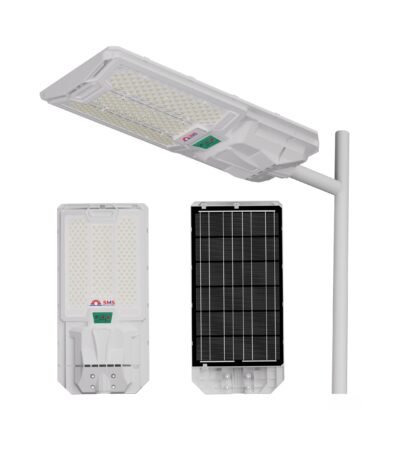
SAKO SK-620M 620W Mono Solar Panel
Original price was: ₦185,000.00.₦180,000.00Current price is: ₦180,000.00.SAKO SK-620M 620W Mono Solar Panel
The SAKO SK-620M 620W Mono Solar Panel is a photovoltaic module intended to generate electricity from sunlight. Its stated 620W power rating makes it an option for users planning a solar installation for a home, business, or compatible off-grid application. When connected to a properly designed solar system, the panel can contribute to daytime electricity generation and help meet a property’s energy requirements.
A Solar Solution for Homes and Businesses
Solar panels generate direct-current electricity when exposed to sunlight. The SAKO SK-620M 620W Mono Solar Panel can form part of an array designed to supply power to compatible solar equipment. The number of panels required depends on daily energy use, available installation space, expected sunlight, and the rated capacity of the inverter.
For residential installations, solar generation may help support everyday electrical loads when the system is designed appropriately. Businesses and commercial facilities can also consider solar arrays to help offset some of their electricity consumption. In off-grid applications, panels may be connected to compatible charge controllers, inverters, and battery storage where required by the system design.
A panel’s rated wattage does not represent a guaranteed amount of electricity produced each day. Actual generation changes with sunlight, shading, temperature, panel angle, dust accumulation, and system losses. A qualified installer can estimate expected output based on the installation location and the complete system configuration.
Monocrystalline Construction and System Compatibility
The SK-620M product title identifies this panel as a monocrystalline module. Monocrystalline solar technology converts sunlight into electrical energy through photovoltaic silicon cells. It is commonly used in solar projects where reliable power generation and efficient use of installation space are important.
To select compatible equipment, review the panel’s electrical specifications before installation. Important values include maximum power voltage, maximum power current, open-circuit voltage, short-circuit current, maximum system voltage, and temperature coefficients. These specifications help determine how panels can be connected and whether the selected inverter or charge controller can accept the array.
Do not rely only on the 620W rating when designing a solar system. Voltage and current limits must also be considered, especially when connecting multiple panels in series or parallel. Confirm the exact SK-620M datasheet with the seller because specifications may vary by model or production revision.
Buying, Mounting, and Maintenance
Before purchasing the SAKO SK-620M 620W Mono Solar Panel, confirm the dimensions, weight, frame design, connector type, cable length, warranty terms, and applicable certifications. Check that the roof or mounting structure can support the panels and withstand expected wind and weather conditions.
Install the module in a location with minimal shading and appropriate sunlight exposure. Periodically inspect the installation for dirt buildup, loose connections, or visible damage, following the manufacturer’s maintenance guidance. Electrical work should be carried out by a qualified installer using suitable protection and safe working practices.
The SAKO SK-620M 620W Mono Solar Panel may be a suitable choice for users planning a solar energy system with compatible components. Its performance depends on the installation design and environmental conditions. Review the official product datasheet and confirm all technical details with the seller before making a purchase.
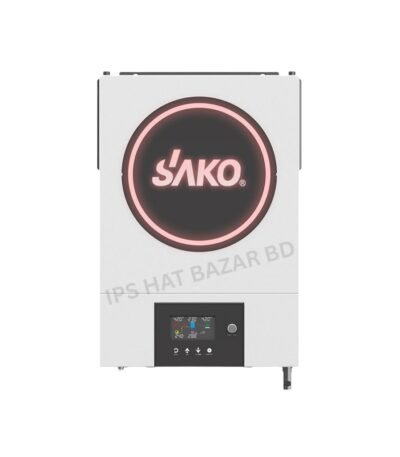
SAKO SKN-HDS 1kVA/12V Hybrid Solar Inverter
Original price was: ₦152,000.00.₦150,000.00Current price is: ₦150,000.00.SAKO SKN-HDS 1kVA/12V Hybrid Solar Inverter
The SAKO SKN-HDS 1kVA/12V Hybrid Solar Inverter is designed for users who want a straightforward solution for solar charging and essential appliance backup. It combines several power management functions in one unit, making it a practical option for small solar installations. Its 12V battery configuration can suit users who need a compatible battery system for everyday backup requirements.
The manufacturer lists this model with a 1kVA rating and an 800W output capacity. This makes it important to calculate your appliance requirements before installation. When you match the inverter with suitable solar panels and a compatible battery, you can build a system around your specific electricity needs.
All-in-One Solar and AC Charging
The SAKO SKN-HDS inverter combines inverter operation, solar charging, AC charging, automatic voltage regulation, and UPS functionality. This integrated design helps simplify power management by bringing several essential functions into one device.
Its built-in PWM solar charge controller manages energy from compatible solar panels. The manufacturer lists an 18–30V PV input range for the 1kVA model. Always check the product label and official documentation before connecting panels, because the correct panel configuration must remain within the inverter’s permitted input limits.
The inverter also supports selectable operating modes for solar and AC power. This gives users flexibility when managing available energy sources, subject to the model’s settings and operating requirements.
For everyday use, consider the total power demand of your appliances. Lights, fans, and televisions may suit a properly planned system, but you must check each device’s wattage and starting requirements. Keep the combined load within the inverter’s rated output capacity.
Reliable 12V Battery Backup Planning
This model uses a 12V battery system, so battery selection plays an important role in overall performance. Choose a battery that meets the manufacturer’s charging specifications and supports the intended application. Confirm the required battery type, charging voltage, and current settings before connecting it.
Battery capacity determines how much energy the system can store. Your connected appliances and their operating hours determine how quickly the battery discharges. Therefore, list the essential devices you want to power during an outage and estimate their energy consumption before choosing a battery.
The manufacturer also lists charging and battery protection functions for this model. These features help manage normal operation within the supported limits. However, they do not remove the need for correct installation, suitable cables, and properly rated electrical protection.
For better planning, ask a qualified installer to assess your expected load and backup duration. This helps you select compatible equipment and avoid overloading the inverter or battery.
A Suitable Option for Small Solar Systems
The SAKO SKN-HDS 1kVA/12V Hybrid Solar Inverter can be considered for small solar installations that focus on essential appliances and practical backup needs. Its combined charging functions help manage solar and AC power, while its compact capacity makes it important to prioritize the devices you need most.
The manufacturer identifies the output as modified sine wave. Check appliance compatibility carefully before purchase, especially for electronics or equipment that requires a pure sine wave supply. Also, confirm the rated output, PV input range, charging current, and battery requirements for your exact model.
A well-planned system depends on compatible components and sensible load management. Choose solar panels and a battery according to the inverter’s verified specifications, and have the installation completed by a qualified technician.
If you need a compact inverter for basic home power support, the SAKO SKN-HDS 1kVA/12V is worth considering after checking its technical details. The right setup can help you use available solar energy and support essential electrical needs within the system’s limits.
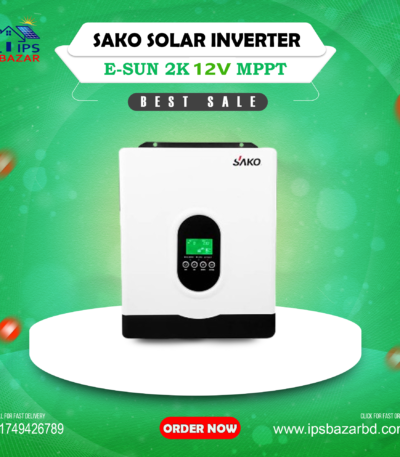
SAKO SKN-HDS 2kVA/24V Hybrid Solar Inverter
Original price was: ₦172,600.00.₦172,500.00Current price is: ₦172,500.00.SAKO SKN-HDS 2kVA/24V Hybrid Solar Inverter
The SAKO SKN-HDS 2kVA/24V Hybrid Solar Inverter is an option for households and users who want to integrate solar energy with compatible battery storage. Its 2kVA capacity provides a starting point for planning a small solar installation, while its 24V battery configuration helps guide the selection of suitable energy storage equipment.
A well-planned solar system can help you use available sunlight and manage your electricity needs more effectively. However, choosing an inverter requires careful consideration of your appliances, daily consumption, solar panel arrangement, and backup expectations. By assessing these factors, you can determine whether this model meets your requirements.
Smart Solar Energy Utilization
Solar panels produce electricity according to sunlight conditions, orientation, shading, and weather. The inverter manages available power and supplies electricity according to its supported operating modes. The SAKO SKN-HDS series combines inverter operation with solar charging and AC charging functions to help manage compatible power sources.
Its solar charging function helps transfer available solar energy to a compatible battery system. The actual charging performance depends on sunlight, panel capacity, controller limits, and system configuration. Therefore, check the manufacturer’s specifications before selecting solar panels for this model.
The 2kVA rating helps you begin planning your expected electrical load. However, it does not automatically indicate the exact wattage available to appliances. The usable output depends on the model’s rated output power, power factor, and surge capability.
List the appliances you want to operate, then calculate their combined power demand. Pay particular attention to devices with motors or compressors because they may require additional starting power. Keeping the load within the inverter’s verified limits helps support stable operation.
Reliable 24V Battery Configuration
This hybrid solar inverter uses a 24V battery configuration. Select a compatible battery system that meets the manufacturer’s voltage and charging requirements. Before purchasing, confirm the supported battery chemistry, charging parameters, and any communication requirements.
Battery storage can help supply power when solar generation decreases, provided the inverter supports the relevant operating mode. The available backup duration depends on the battery’s usable energy and the electricity consumption of connected appliances.
For example, a system that powers only essential lighting and small electronics may use less stored energy than one that also runs multiple fans or other demanding devices. Calculate your expected consumption before choosing battery capacity.
Also, remember that battery capacity and inverter capacity serve different purposes. The inverter determines the power it can supply within its rated limits, while the battery’s usable energy influences how long it can support your appliances.
Use suitable cables, protective equipment, and correct charging settings. A qualified technician can help verify compatibility and install the system safely.
Make the Right Solar Investment
The SAKO SKN-HDS 2kVA/24V Hybrid Solar Inverter can be considered for a small residential solar system when its specifications match the intended application. Its combined charging functions and 24V battery configuration provide a starting point for planning a compatible solar backup setup.
Before ordering, review the exact model’s technical specifications. Check the rated output power, maximum PV input, solar operating voltage, charging current, supported battery types, and output waveform. These details help you assess compatibility with your appliances and solar equipment.
Installation quality also matters. Proper wiring, grounding, protection devices, and system configuration help support safe operation. Work with a qualified solar installer to confirm that the panels, battery, and inverter work together correctly.
If you want a practical inverter for everyday power requirements, evaluate the SAKO SKN-HDS 2kVA/24V Hybrid Solar Inverter against your actual energy needs. With suitable components and careful load planning, it can form a useful part of a complete solar power system.