


SAKO BRAND

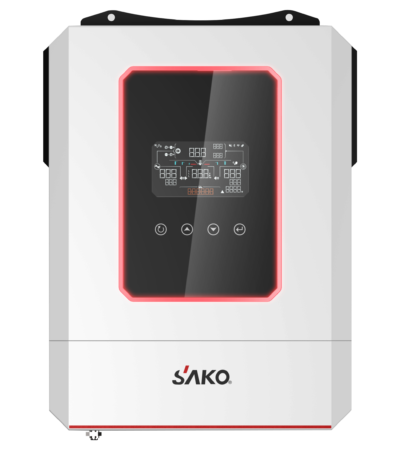
SAKO SKN-HDS 3kVA/24V Hybrid Solar Inverter
Original price was: ₦251,000.00.₦250,000.00Current price is: ₦250,000.00.SAKO SKN-HDS 3kVA/24V Hybrid Solar Inverter
The SAKO SKN-HDS 3kVA/24V Hybrid Solar Inverter is an option for households and small businesses looking to integrate solar energy with compatible battery storage. Its 3kVA capacity provides a starting point for planning an installation with several everyday appliances, while its 24V battery configuration helps guide the selection of suitable energy storage equipment.
A well-designed solar system can help you make better use of available sunlight and manage your electricity requirements. However, choosing the right inverter requires careful consideration of appliance loads, daily consumption, solar panel compatibility, and backup expectations. These factors help you decide whether this model fits your needs.
Flexible Solar Charging and Power Control
Solar panels produce electricity according to sunlight conditions, orientation, shading, and weather. The inverter manages the available energy and supplies power according to its supported operating modes. The SAKO SKN-HDS series combines inverter operation with solar charging and AC charging functions to help coordinate compatible power sources.
Its solar charging function helps transfer available energy from compatible panels into the battery system. Actual charging performance depends on solar conditions, panel capacity, controller limits, and system configuration. Therefore, review the manufacturer’s specifications before selecting panels or planning the solar array.
The 3kVA rating offers a useful starting point when estimating system capacity. However, it does not automatically equal the usable output in watts. The actual output depends on the inverter’s rated wattage, power factor, and surge capability.
List the appliances you want to operate and calculate their combined power demand. Consider starting requirements for appliances with motors or compressors. This helps you keep the load within the inverter’s verified limits and plan your installation more effectively.
Plan Your 24V Battery System
This model specifies a 24V battery configuration, so battery selection requires careful attention. Choose a battery system that matches the manufacturer’s voltage and charging requirements. Confirm the supported battery chemistry, charging settings, and any communication requirements before making a purchase.
Battery storage can help provide electricity when solar generation decreases, provided the inverter supports the required operating mode. The actual backup duration depends on the battery’s usable energy, the appliances connected, and overall system efficiency.
To estimate your requirements, identify the essential appliances you want to power during an outage. Calculate their expected consumption and decide how long they must operate. Use these estimates to choose an appropriate battery capacity.
Remember that inverter capacity and battery capacity serve different purposes. The inverter determines the power it can supply within its rated limits, while the battery’s usable energy determines how long it can support the connected loads.
Suitable wiring, protective equipment, and correct installation help support safe operation. A qualified solar technician can verify component compatibility and configure the system correctly.
Build a Solar System Around Your Needs
The SAKO SKN-HDS 3kVA/24V Hybrid Solar Inverter can be considered for residential and small commercial installations when its verified specifications match the intended application. Its charging functions and 24V battery configuration provide a starting point for planning a compatible solar backup system.
Before ordering, review the exact model specifications. Check the rated output, maximum PV input, solar operating voltage, charging current, supported battery types, and output waveform. Confirm that these features meet your requirements and suit your intended appliances.
Installation quality also matters. Correct wiring, grounding, and electrical protection help maintain a safe and properly configured system. Work with a qualified installer to confirm that your solar panels, battery bank, and inverter operate together as intended.
If you need a practical inverter for everyday electricity requirements, evaluate the SAKO SKN-HDS 3kVA/24V Hybrid Solar Inverter against your expected load and backup goals. With compatible components and careful planning, it can become a useful part of a complete solar power system.
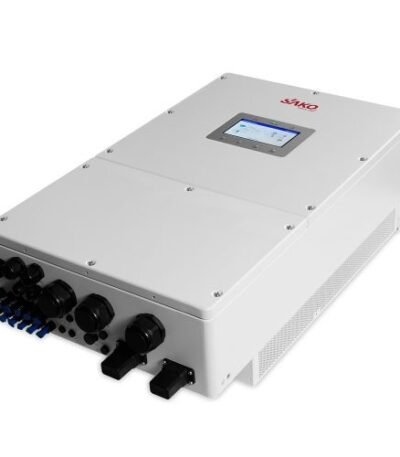
SAKO SUNON IV 11kW/48V Hybrid Inverter
Original price was: ₦1,297,000.00.₦1,295,000.00Current price is: ₦1,295,000.00.SAKO SUNON IV 11kW/48V Hybrid Inverter
Explore solar power conversion with the SAKO SUNON IV 11kW/48V Hybrid Inverter. Listed with an 11kW capacity and a 48V configuration, this model is an option for buyers planning a compatible solar installation. These details help identify the product, while the manufacturer’s technical documentation should guide the final selection.
A reliable solar installation requires equipment that works together within its specified limits. The inverter, solar panels, batteries, and connected appliances must suit one another. Therefore, assessing your electricity needs before purchasing can help you plan an appropriate system.
Assess Your Solar Power Requirements
Begin by listing the appliances you want to operate and recording their power ratings. Estimate their daily operating hours and identify equipment with high starting-power requirements. This information helps you determine whether the inverter’s verified output is suitable for your planned loads.
Also consider whether several high-power appliances will run simultaneously. The total demand must remain within the inverter’s supported output limits. A qualified installer can evaluate your usage patterns and help determine a suitable configuration.
Solar panel selection is equally important. The array’s total capacity and voltage must remain within the inverter’s supported limits. Consult the official datasheet before choosing panels or connecting electrical loads.
Choose a Compatible 48V Battery
Battery compatibility is essential when designing a system around a 48V inverter. Before purchasing a battery, verify its nominal voltage, chemistry, charging range, current limits, and any communication requirements specified by the manufacturer.
Battery capacity affects how much energy can be stored and how long selected appliances can operate when solar generation is insufficient. Consider your daily consumption and desired backup duration when choosing an appropriate battery size.
Follow the manufacturer’s recommended charging settings and electrical protection requirements. Correct wiring, grounding, and professional commissioning help support safe and dependable operation.
Important Checks Before Purchase
The SAKO SUNON IV 11kW/48V Hybrid Inverter may suit a solar project when its verified specifications match the intended application. However, the product title alone does not confirm its full feature set, solar input limits, charging capabilities, or available operating modes.
Ask the seller for the official datasheet and confirm the exact model designation. Check the output rating, supported battery types, solar input range, installation requirements, warranty terms, and after-sales service.
These checks help ensure the inverter fits your system design and electricity needs. Use compatible components and arrange installation through a qualified professional.
Choose the SAKO SUNON IV 11kW/48V Hybrid Inverter after confirming the technical specifications and ensuring that the product matches your planned installation.
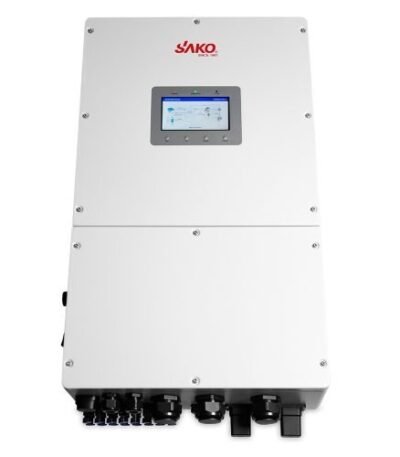
SAKO SUNON IV 4.2kVA/24V Hybrid Inverter
Original price was: ₦517,600.00.₦517,500.00Current price is: ₦517,500.00.SAKO SUNON IV 4.2kVA/24V Hybrid Inverter
Explore solar power conversion with the SAKO SUNON IV 4.2kVA/24V Hybrid Inverter. Listed with a 4.2kVA capacity and a 24V configuration, this model is an option for buyers planning a compatible solar installation. These details help identify the product, while the official technical documentation should guide your final selection.
A reliable solar system requires components that work together within their specified limits. The inverter, solar panels, batteries, and connected appliances must suit one another. Therefore, reviewing your energy requirements before purchase can help you plan a suitable installation.
Assess Your Power Requirements
Begin by listing the appliances you want to operate and recording their power ratings. Estimate their daily operating hours and identify equipment with high starting-power requirements. This information helps you determine whether the inverter’s verified output is appropriate for your intended use.
Remember that kVA and kW are different measurements. The usable real-power capacity depends on the inverter’s rated power factor and other specifications. Check the official datasheet instead of assuming that a 4.2kVA rating automatically means 4.2kW of usable power.
Solar panel selection also matters. The array’s total capacity and voltage must remain within the inverter’s supported limits. A qualified installer can help select a suitable configuration for your energy needs.
Select a Compatible 24V Battery
Battery compatibility is essential when designing a system around a 24V inverter. Before purchasing a battery, confirm its nominal voltage, chemistry, charging range, current limits, and any communication requirements specified by the manufacturer.
Battery capacity affects how much energy can be stored and how long selected appliances can operate when solar generation is insufficient. Consider your backup requirements and daily consumption when choosing a suitable battery size.
Follow the manufacturer’s recommended charging settings and electrical protection requirements. Correct wiring, grounding, and professional commissioning help support safe and dependable operation.
Important Checks Before Purchase
The SAKO SUNON IV 4.2kVA/24V Hybrid Inverter may be suitable for a solar project when its verified specifications match your intended application. However, the product title alone does not confirm its full feature set, charging capabilities, solar input limits, or operating modes.
Ask the seller for the official datasheet and confirm the exact model designation. Check the real-power output, supported battery types, solar input range, installation requirements, warranty terms, and after-sales service.
These checks help you select equipment that fits your system design and electricity needs. Use compatible components and arrange installation through a qualified professional.
Choose the SAKO SUNON IV 4.2kVA/24V Hybrid Inverter after confirming the technical specifications and ensuring that the product matches your planned installation.
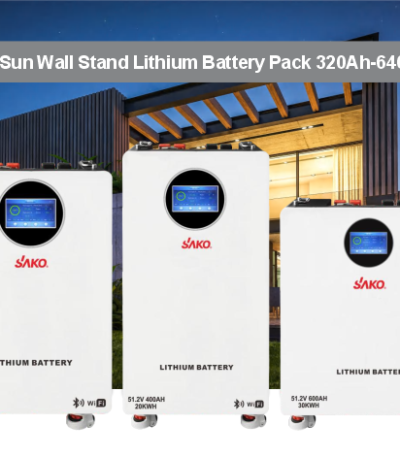
SAKO SUNON IV 6.2kVA/48V Hybrid Inverter
Original price was: ₦681,000.00.₦680,000.00Current price is: ₦680,000.00.SAKO SUNON IV 6.2kVA/48V Hybrid Inverter
Explore solar power conversion with the SAKO SUNON IV 6.2kVA/48V Hybrid Inverter. Listed with a 6.2kVA capacity and a 48V configuration, this model is an option for buyers planning a compatible solar installation. These details help identify the product, while the official technical documentation should guide the final selection.
A reliable solar system requires equipment that works together within its specified limits. The inverter, solar panels, batteries, and connected appliances must suit one another. Therefore, reviewing your electricity requirements before purchasing can help you plan an appropriate installation.
Assess Your Solar Power Needs
Begin by listing the appliances you want to operate and recording their power ratings. Estimate their daily operating hours and identify equipment with high starting-power requirements. This information helps you assess whether the inverter’s verified output is suitable for your intended use.
Remember that the stated kVA rating is not necessarily the same as usable kW output. Check the official datasheet for the rated power factor and real-power capacity. This is especially important when planning to operate several appliances at the same time.
Solar panel selection also matters. The array’s total capacity and voltage must remain within the inverter’s supported limits. A qualified installer can help determine a suitable panel configuration for your energy requirements.
Choose a Compatible 48V Battery
Battery compatibility is essential when designing a system around a 48V inverter. Before purchasing a battery, verify its nominal voltage, chemistry, charging range, current limits, and any communication requirements specified by the manufacturer.
Battery capacity determines how much energy can be stored for later use. Consider your daily electricity consumption and required backup duration when choosing a suitable battery size. Matching the battery to your expected loads can help you plan a more practical installation.
Follow the manufacturer’s charging settings and electrical protection requirements. Appropriate wiring, grounding, and professional commissioning help support safe and dependable operation.
Important Checks Before Buying
The SAKO SUNON IV 6.2kVA/48V Hybrid Inverter may suit a solar project when its verified specifications match the intended application. However, the product title alone does not confirm its full feature set, charging capabilities, solar input limits, or operating modes.
Ask the seller for the official datasheet and confirm the exact model designation. Check the real-power output, supported battery types, solar input range, installation requirements, warranty terms, and after-sales service.
These checks help you select equipment that fits your system design and electricity needs. Use compatible components and arrange installation through a qualified professional.
Choose the SAKO SUNON IV 6.2kVA/48V Hybrid Inverter after confirming its specifications and ensuring that it matches your planned solar installation.
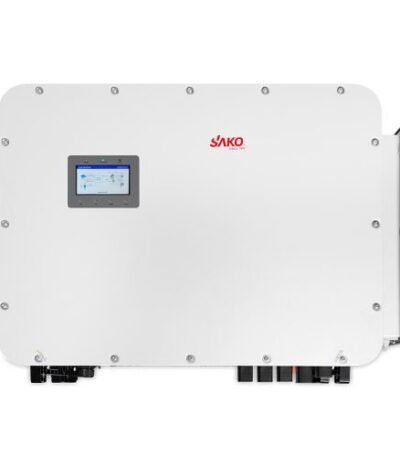
SAKO SUNON IV 8kW/48V Hybrid Inverter
Original price was: ₦1,200,000.00.₦1,100,000.00Current price is: ₦1,100,000.00.SAKO SUNON IV 8kW/48V Hybrid Inverter
Explore solar power conversion with the SAKO SUNON IV 8kW/48V Hybrid Inverter. Listed with an 8kW capacity and a 48V configuration, this model is an option for buyers planning a compatible solar installation. These details help identify the product, while the manufacturer’s technical documentation should guide the final selection.
A reliable solar system requires equipment that works together within its specified limits. The inverter, solar panels, batteries, and connected appliances must suit one another. Therefore, evaluating your electricity needs before purchasing can help you plan a suitable installation.
Assess Your Solar Power Requirements
Start by listing the appliances you want to operate and recording their power ratings. Estimate their daily operating hours and identify equipment with high starting-power requirements. This information helps you assess whether the inverter’s verified output is appropriate for your intended use.
Next, check the solar panel requirements. The array’s total power and voltage must remain within the inverter’s supported limits. The appropriate configuration depends on the exact model specifications, local conditions, and your expected electricity demand.
A qualified installer can help assess your requirements and recommend compatible components. Always consult the manufacturer’s documentation before connecting solar panels or electrical loads.
Choose a Compatible 48V Battery
Battery compatibility is essential when designing a system around a 48V inverter. Before purchasing a battery, verify its nominal voltage, chemistry, charging range, current limits, and any communication requirements specified by the manufacturer.
Battery capacity affects how much energy can be stored and how long selected appliances can operate when solar generation is insufficient. Consider your daily consumption and desired backup duration when choosing a suitable battery size.
Follow the manufacturer’s recommended charging settings and electrical protection requirements. Correct wiring, grounding, and professional commissioning help support safe and dependable operation.
Important Checks Before Purchase
The SAKO SUNON IV 8kW/48V Hybrid Inverter may suit a solar project when its verified specifications match the intended application. However, the product title alone does not confirm its full feature set, solar input limits, charging capabilities, or available operating modes.
Ask the seller for the official datasheet and confirm the exact model designation. Check the output rating, supported battery types, solar input range, installation requirements, warranty terms, and after-sales service.
These checks help ensure that the inverter fits your system design and electricity needs. Use compatible components and arrange installation through a qualified professional.
Choose the SAKO SUNON IV 8kW/48V Hybrid Inverter after confirming the technical specifications and ensuring that the product matches your planned installation.
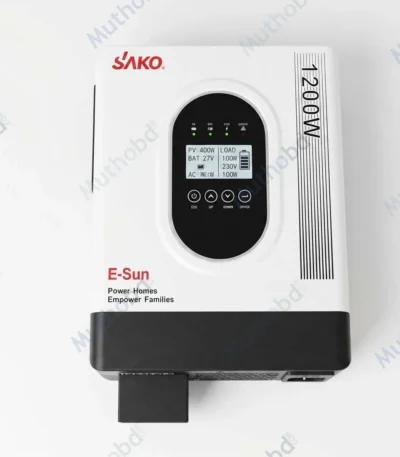
SAKO SUNON PRO 3.5kW/24V Hybrid Inverter
Original price was: ₦381,000.00.₦380,000.00Current price is: ₦380,000.00.SAKO SUNON PRO 3.5kW/24V Hybrid Inverter
The SAKO SUNON PRO 3.5kW/24V Hybrid Inverter is designed for users who want to make better use of solar energy while maintaining access to compatible battery and AC charging options. Its combination of solar charging technology, battery support, and pure sine wave output makes it a useful option to evaluate for off-grid power systems.
Whether you want to support essential home appliances or develop a solar installation for everyday use, selecting the right inverter is important. You should consider your power consumption, solar panel capacity, battery requirements, and expected backup time before making a purchase.
Advanced MPPT Solar Charging
The SAKO SUNON PRO includes a built-in MPPT solar charge controller that tracks the maximum power point of a compatible solar array. This technology helps the inverter manage available solar energy as sunlight conditions change throughout the day.
The published specifications list a maximum PV array power of 5000W and an MPPT voltage range of 120V to 450V. The maximum open-circuit PV voltage is listed as 500V. These limits are important when selecting solar panels and calculating their series and parallel configuration. Always follow the official product documentation when designing the solar array.
The inverter delivers a rated output of 3.5kW and uses pure sine wave output. This waveform supports many common household appliances when their power requirements fall within the inverter’s limits. You can plan suitable loads such as lighting, fans, televisions, computers, and other compatible devices.
However, calculate the combined load before connecting appliances. Equipment with motors or compressors can draw extra power during startup. Careful load planning helps you avoid overloads and select a system that suits your daily needs.
Flexible Battery and AC Charging
This inverter operates with a 24V battery system, so you should choose compatible batteries before installation. Check the manufacturer’s recommendations for battery chemistry, charging voltage, maximum charging current, and other supported settings.
Battery storage allows a solar installation to retain energy for later use. When solar generation decreases, a compatible system can draw on stored energy according to its operating configuration. The actual backup duration depends on battery capacity, connected loads, conversion losses, and battery condition.
The SAKO SUNON PRO also supports AC charging. This gives users another charging option when a compatible AC source is available. Its supported charging settings help determine how the battery receives energy from the available sources.
For effective planning, list the appliances you want to operate during an outage and estimate their energy consumption. Then select a suitable battery capacity and confirm that the inverter supports the battery you intend to use.
Correct wiring, appropriate circuit protection, and professional installation help maintain safe system operation.
Designed for Practical Solar Applications
The SAKO SUNON PRO 3.5kW/24V Hybrid Inverter can be considered for off-grid installations that require solar charging and compatible battery storage. Its rated output and MPPT controller provide useful starting points for designing a system around household electricity needs.
Before purchasing, confirm the exact model specifications, solar input limits, rated output, battery compatibility, charging parameters, and operating modes. Also, check whether your appliances suit the inverter’s output and startup capacity.
A qualified solar installer can assess your power requirements, calculate the correct panel configuration, and select compatible batteries and protective devices. This helps reduce the risk of electrical faults and equipment incompatibility.
If you want a solar inverter for everyday energy management, the SAKO SUNON PRO 3.5kW/24V is worth considering as part of a complete solar system. With appropriate components and careful planning, it can help you use available solar power effectively while supporting your energy requirements.
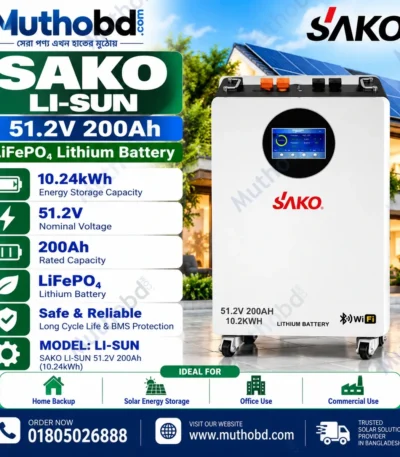
SAKO SUNON PRO 5.5kW/48V Hybrid Inverter
Original price was: ₦371,000.00.₦370,000.00Current price is: ₦370,000.00.SAKO SUNON PRO 5.5kW/48V Hybrid Inverter
The SAKO SUNON PRO 5.5kW/48V Hybrid Inverter is an option for households and businesses looking to combine solar power with compatible battery storage. Its 5.5kW rated output provides a starting point for planning an installation with substantial electrical requirements. Meanwhile, its 48V battery configuration helps guide the selection of suitable energy storage equipment.
A reliable solar installation begins with an understanding of your electricity consumption. You should identify essential appliances, calculate their combined load, and determine how long you need backup power. These details help you decide whether this inverter suits your requirements and which supporting components you need.
Advanced MPPT Solar Charging
Solar panels generate electricity according to sunlight conditions, panel orientation, shading, and weather. MPPT technology tracks the solar array’s maximum power point within the inverter’s supported operating range. This helps the system manage available solar energy as conditions change throughout the day.
The SAKO SUNON PRO hybrid inverter can form part of a solar setup designed to use available sunlight and compatible battery storage. For effective operation, select solar panels that meet the exact model’s permitted PV voltage, current, and power limits.
Do not select panels based on total wattage alone. The series and parallel arrangement affects the electrical characteristics of the array. Ask a qualified installer to calculate the correct configuration and confirm compatibility with the inverter.
The 5.5kW output rating helps users plan suitable appliance loads. However, actual performance depends on the official output specifications, surge capability, operating conditions, and combined power demand. Check these details before connecting high-power appliances.
Compatible 48V Battery Configuration
This model specifies a 48V battery system, making battery selection an important part of the installation process. Choose a compatible battery that meets the manufacturer’s charging and operating requirements. Confirm the supported battery chemistry, charging settings, voltage limits, and any communication requirements before purchasing.
Battery storage can help provide power when solar generation decreases, provided the inverter supports the required operating mode. The backup time depends on the battery’s usable capacity, appliance consumption, and overall system efficiency.
Start by listing the devices you want to run during an outage. Estimate their power consumption and expected operating hours. Then use those figures to determine the battery capacity you need.
Remember that inverter output and battery storage represent different capabilities. The inverter determines the power it can supply within its rated limits, while the battery’s usable energy influences how long it can support your loads. Suitable wiring, protection devices, and correct charging settings also matter.
Make an Informed Solar Investment
The SAKO SUNON PRO 5.5kW/48V Hybrid Inverter can be considered for residential and selected commercial installations when its verified specifications match the intended application. Its MPPT charging functionality and 48V battery configuration provide a starting point for designing a compatible solar power system.
Before ordering, review the exact model’s technical documentation. Check the maximum PV input, MPPT operating range, rated output, charging current, supported battery types, and operating modes. Do not assume that every model version offers identical specifications.
Professional installation helps support safe and reliable operation. A qualified technician can assess your electrical requirements, calculate the solar array configuration, and verify compatibility between the inverter, panels, battery, and protective equipment.
If you want to improve your use of solar energy, evaluate the SAKO SUNON PRO 5.5kW/48V Hybrid Inverter against your daily consumption and backup needs. With suitable components and careful planning, it can serve as a useful part of a complete solar energy solution.
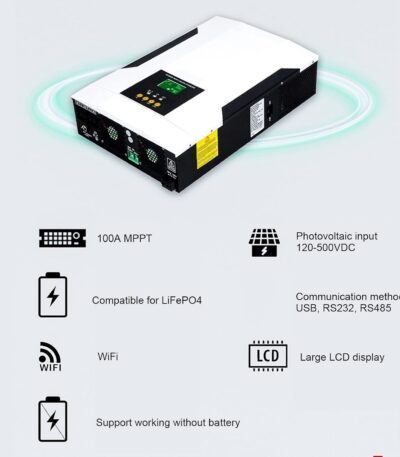
SAKO SUNON PRO 6.2kW/48V Hybrid Inverter
Original price was: ₦481,000.00.₦480,000.00Current price is: ₦480,000.00.SAKO SUNON PRO 6.2kW/48V Hybrid Inverter
Upgrade your solar system planning with the SAKO SUNON PRO 6.2kW/48V Hybrid Inverter. This inverter is intended for users exploring solar power conversion and a 48V battery-based system. It can be considered for suitable residential and other compatible installations where solar generation, electrical loads, and battery requirements need to be planned together.
An effective solar system starts with choosing equipment that matches your energy needs. The inverter is a key part of that process because it helps convert electricity into a form that compatible appliances can use. However, performance depends on the complete system, including the solar panels, battery, installation quality, and connected loads.
Efficient Solar System Planning
A well-planned solar installation begins with understanding your electricity usage. List the appliances you need to operate and estimate their normal power consumption. Consider starting currents for equipment such as motors and pumps, as these may require additional capacity. This information helps an installer determine whether the inverter is suitable for your intended loads.
Solar panel selection is equally important. The panel array must stay within the inverter’s supported voltage and power limits. Correct panel configuration can help create a suitable system while reducing the risk of electrical incompatibility. Always consult the exact model’s technical documentation before selecting panels or connecting the system.
Battery Compatibility and Power Management
The 48V battery configuration is a key feature to consider when designing the system around this inverter. Battery chemistry, charging voltage, current limits, and communication support must match the specific unit. Buyers should not assume that every 48V battery will automatically be compatible.
Before installation, confirm the supported battery types and charging settings. A qualified technician can help select a suitable battery capacity based on the required backup duration and expected energy consumption. Correct configuration and suitable electrical protection are essential for safe and dependable operation.
A Practical Option for Home Solar Projects
The SAKO SUNON PRO 6.2kW/48V Hybrid Inverter is an option for buyers comparing solar conversion equipment for a planned installation. Its stated model capacity helps identify the product, while the exact usable output and supported features should be confirmed from the manufacturer’s documentation for the supplied unit.
When purchasing, check the model label, included accessories, warranty terms, installation requirements, and local service availability. Ask the seller to confirm the technical specifications rather than relying only on a product title. Professional installation is recommended to ensure correct wiring, grounding, protection, and battery configuration.
With suitable components and careful planning, this inverter can form part of a solar energy system tailored to your needs. Review the verified specifications before buying to ensure the SAKO SUNON PRO 6.2kW/48V Hybrid Inverter is appropriate for your installation.
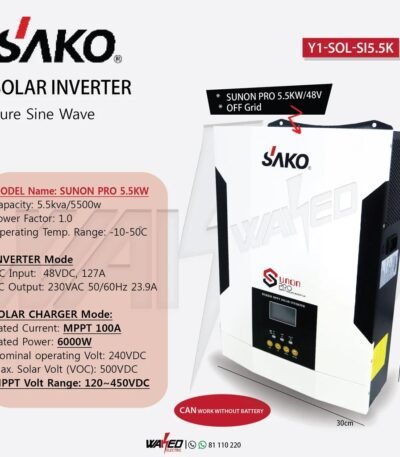
SAKO SUNON PRO 8kW/48V Hybrid Inverter
Original price was: ₦761,000.00.₦760,000.00Current price is: ₦760,000.00.SAKO SUNON PRO 8kW/48V Hybrid Inverter
Explore solar energy conversion with the SAKO SUNON PRO 8kW/48V Hybrid Inverter. This product is listed as an 8kW inverter with a 48V configuration, making those details useful starting points when planning a compatible solar and battery installation.
A well-designed solar system should match the needs of the property. The inverter, solar panels, batteries, and electrical loads must work within their respective specifications. Consequently, buyers should review the exact product documentation and seek professional advice before selecting system components.
Plan Your Solar Capacity Carefully
Start by assessing your normal electricity consumption. Identify essential appliances, their rated power, and how long each appliance needs to operate. Include starting power requirements for equipment that uses motors or compressors, because these loads may behave differently when switched on.
Next, compare your expected demand with the inverter’s verified output capacity. Do not assume that the advertised model capacity guarantees support for every combination of appliances. Continuous output, surge capability, and other operating limits should be confirmed from the official datasheet.
The solar panel array also needs careful planning. Panel voltage and total power must remain within the inverter’s supported limits. A qualified installer can help determine an appropriate configuration for your location and energy requirements.
Choose a Compatible 48V Battery
A 48V battery system requires components that meet the inverter’s charging and operating requirements. Before buying a battery, verify its nominal voltage, chemistry, charging range, maximum current, and any required communication settings.
Battery capacity affects how much energy can be stored and how long selected loads can run when solar generation is insufficient. For this reason, choose a battery based on your expected consumption and required backup time rather than voltage alone.
Always use the manufacturer’s approved settings and installation guidance. Correct cabling, suitable protection devices, and professional commissioning are important parts of a safe solar system.
Important Checks Before Purchase
The SAKO SUNON PRO 8kW/48V Hybrid Inverter may be worth considering for a compatible solar project, provided the exact model meets your technical requirements. The product title identifies its stated capacity and voltage configuration, but additional features should not be assumed without verified documentation.
Ask the seller for the official datasheet and confirm the exact model designation. Check the supported solar input, AC output specifications, battery compatibility, available operating modes, warranty coverage, and service options.
Compare these details with your installation plan before making a decision. A properly selected inverter and compatible system components can help you make practical use of solar electricity. Always arrange installation through a qualified professional and follow the manufacturer’s instructions for the SAKO SUNON PRO 8kW/48V Hybrid Inverter.
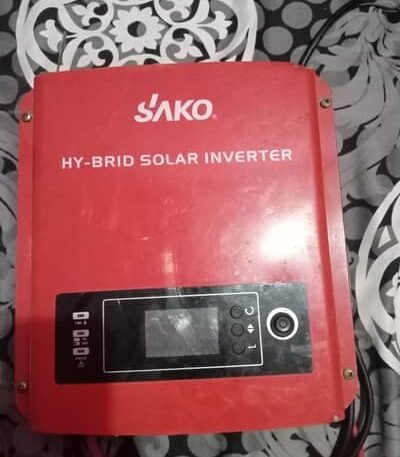
SAKO SUNON ULTRA 4.2kW/24V Hybrid Inverter
Original price was: ₦337,000.00.₦335,000.00Current price is: ₦335,000.00.SAKO SUNON ULTRA 4.2kW/24V Hybrid Inverter
Plan your solar energy system with the SAKO SUNON ULTRA 4.2kW/24V Hybrid Inverter. This product is listed with a 4.2kW capacity and a 24V configuration, giving buyers two important details to consider when selecting compatible solar and battery equipment.
The right inverter should match the property’s electricity demand and the specifications of the complete installation. Therefore, buyers should evaluate appliance loads, solar panel requirements, battery capacity, and installation conditions before making a decision.
Assess Your Electricity Needs
Start by identifying the appliances you need to operate. Record their power ratings and estimate how long they will run each day. This information helps you understand your expected energy consumption and determine whether the inverter’s verified output is appropriate.
Some appliances require additional power when starting. Therefore, check the starting requirements of motors, pumps, and similar equipment instead of relying only on their normal running wattage.
Solar panel selection also matters. The total array capacity and panel voltage must remain within the inverter’s documented limits. Professional system planning helps match the equipment to your expected demand and installation conditions.
Battery Selection and Compatibility
The 24V battery configuration is a key factor when designing a compatible system. Battery selection should account for voltage, chemistry, charging requirements, current limits, and any supported communication features.
Battery capacity determines how much energy can be stored for later use. Consider which appliances require backup and how long you expect them to operate when solar generation is limited. A qualified installer can help estimate the appropriate battery capacity for your needs.
Always verify compatibility using the documentation for the exact model. Follow the recommended wiring, grounding, and electrical protection requirements. Proper installation is essential for safe operation and reliable system performance.
Make an Informed Buying Decision
The SAKO SUNON ULTRA 4.2kW/24V Hybrid Inverter may be suitable for a solar project when its verified specifications match the intended application. However, the product name alone does not confirm particular charging features, solar input limits, or operating modes.
Before buying, request the official datasheet and confirm the model designation with the seller. Review its AC output rating, supported solar input, battery compatibility, installation requirements, warranty terms, and service availability.
Comparing these details helps you select equipment that fits your solar system rather than relying on capacity alone. For best results, use compatible components and arrange installation by a qualified professional.
Choose the SAKO SUNON ULTRA 4.2kW/24V Hybrid Inverter after confirming that its technical specifications meet your energy requirements and installation plan.
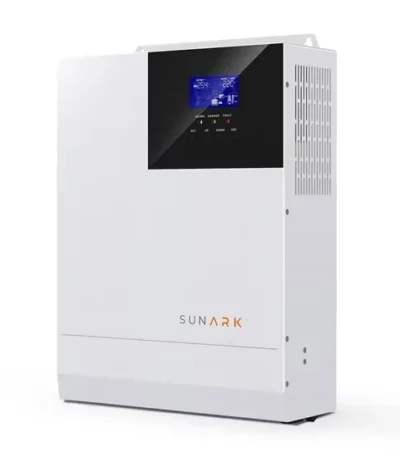
SAKO SUNON ULTRA 6.2kW/48V Hybrid Inverter
Original price was: ₦451,000.00.₦450,000.00Current price is: ₦450,000.00.SAKO SUNON ULTRA 6.2kW/48V Hybrid Inverter
Explore solar power conversion with the SAKO SUNON ULTRA 6.2kW/48V Hybrid Inverter. Listed with a 6.2kW capacity and a 48V configuration, this model is an option for buyers planning a compatible solar installation. These details can help narrow the search, while the official technical documentation should guide the final selection.
A reliable solar system requires compatible equipment and careful planning. The inverter, solar panels, batteries, and connected appliances must operate within their respective specifications. Therefore, assessing your energy requirements before purchasing helps you make a more informed decision.
Plan Your Solar Power Requirements
Begin by listing the appliances you want to operate and recording their power ratings. Estimate how long each appliance will run and identify equipment with high starting-power requirements. This information helps determine whether the inverter’s verified output is appropriate for your planned installation.
Next, review the solar panel requirements. The array’s total power and voltage must remain within the inverter’s supported limits. A suitable configuration depends on the exact model specifications, local conditions, and your expected energy consumption.
Professional system planning can help identify suitable components and avoid unnecessary compatibility problems. Always check the manufacturer’s documentation before connecting solar panels or electrical loads.
Select the Right 48V Battery
Battery compatibility is essential when designing a system around a 48V inverter. Before purchasing a battery, confirm its nominal voltage, chemistry, charging range, maximum current, and any communication requirements specified by the manufacturer.
Battery capacity affects how much energy the system can store and how long selected appliances can operate when solar generation is insufficient. Consider your backup requirements and daily consumption before deciding on the battery size.
Use the recommended charging settings and appropriate electrical protection. Correct wiring, grounding, and professional commissioning are also important for safe and dependable operation.
Important Checks Before Buying
The SAKO SUNON ULTRA 6.2kW/48V Hybrid Inverter may be worth considering when its verified specifications match your intended solar project. However, the product title alone does not establish its full feature set, charging capabilities, solar input limits, or supported operating modes.
Ask the seller for the official datasheet and confirm the exact model designation. Check the output rating, supported battery types, solar input range, installation requirements, warranty coverage, and service availability.
These checks help ensure that the inverter fits your system design and energy needs. Use compatible components and arrange installation through a qualified professional.
Choose the SAKO SUNON ULTRA 6.2kW/48V Hybrid Inverter after confirming the technical specifications and ensuring that the product is suitable for your planned installation.
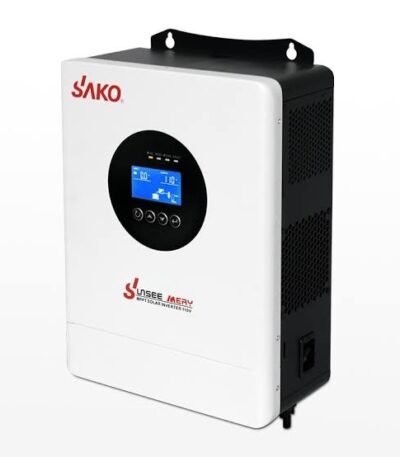
SAKO SUNON ULTRA 8kW/48V Hybrid Inverter
Original price was: ₦741,000.00.₦740,000.00Current price is: ₦740,000.00.SAKO SUNON ULTRA 8kW/48V Hybrid Inverter
Explore solar power conversion with the SAKO SUNON ULTRA 8kW/48V Hybrid Inverter. Listed with an 8kW capacity and a 48V configuration, this model is an option for buyers planning a compatible solar installation. These details can help narrow your search, while the official technical documentation should guide the final selection.
A reliable solar installation requires equipment that works together within its specified limits. The inverter, solar panels, batteries, and connected appliances must suit one another. Therefore, evaluating your energy needs before purchasing can help you select an appropriate system.
Plan Your Solar System Carefully
Start by listing the appliances you want to operate and recording their power ratings. Estimate their daily operating hours and identify equipment with high starting-power requirements. This information helps determine whether the inverter’s verified output is appropriate for your installation.
Solar panel selection also requires attention. The total panel capacity and voltage must remain within the inverter’s supported limits. The appropriate arrangement depends on the exact model specifications, local conditions, and your expected electricity demand.
A qualified installer can help assess these requirements and recommend compatible components. Always consult the manufacturer’s documentation before connecting solar panels or electrical loads.
Choose a Compatible 48V Battery
Battery compatibility is essential when designing a system around a 48V inverter. Before purchasing a battery, verify its nominal voltage, chemistry, charging range, current limits, and any communication requirements specified by the manufacturer.
Battery capacity determines how much energy can be stored for later use. Consider your daily electricity consumption and required backup duration when deciding on a suitable battery size. Correctly matched components help create a system that meets your practical requirements.
Follow the recommended charging settings and electrical protection requirements. Appropriate wiring, grounding, and professional commissioning are important for safe and dependable operation.
Important Checks Before Purchase
The SAKO SUNON ULTRA 8kW/48V Hybrid Inverter may be suitable for a solar project when its verified specifications match the intended application. However, the product title alone does not confirm its full feature set, charging capabilities, solar input limits, or available operating modes.
Ask the seller for the official datasheet and confirm the exact model designation. Check the output rating, supported battery types, solar input range, installation requirements, warranty terms, and service availability.
These checks help ensure that the inverter suits your system design and energy needs. Use compatible components and arrange installation through a qualified professional.
Choose the SAKO SUNON ULTRA 8kW/48V Hybrid Inverter after confirming the technical specifications and ensuring that the product matches your planned installation.