


SAKO BRAND

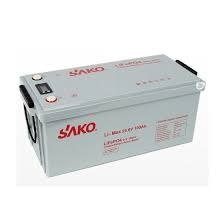
SAKO Li-Sun 10kWh 48V 200Ah Lithium Battery
Original price was: ₦1,999,900.00.₦1,999,500.00Current price is: ₦1,999,500.00.SAKO Li-Sun 10kWh 48V 200Ah Lithium Battery
Store solar electricity for later use with the SAKO Li-Sun 10kWh 48V 200Ah Lithium Battery. Designed for compatible energy storage systems, this battery can help homes and businesses manage electricity usage and maintain a reserve of stored power. Its 200Ah capacity makes it a potential option for installations that require more storage than a small backup battery can provide.
Check the exact model specifications before ordering, as some 200Ah SAKO lithium battery configurations are rated at 51.2V and 10.24kWh rather than exactly 48V and 10kWh.
Make Better Use of Solar Power
A solar battery allows electricity generated during sunny periods to be stored for later use. Instead of relying only on immediate solar production, users can draw on stored energy when solar generation decreases, depending on system settings and battery charge levels.
A 10kWh-class battery may support selected home appliances, lighting, electronics, and other compatible loads. The operating time depends on total power demand, inverter efficiency, usable battery capacity, and operating conditions. It is important to calculate expected consumption before deciding whether one battery will meet your backup needs.
For reliable performance, the battery must match the inverter’s electrical requirements. Confirm supported voltage, charging parameters, discharge limits, and battery communication compatibility. These checks are particularly important when installing the battery in an existing solar power system.
Smart Management and Long-Term Usability
SAKO lithium batteries are designed for energy storage and may feature LiFePO4 cells and a smart Battery Management System, depending on the specific model. The BMS helps monitor battery conditions and manage operation within supported safety limits.
SAKO product documentation describes protection functions for its lithium battery range, including overcharge, over-discharge, overcurrent, short-circuit, and overtemperature protection. Exact functions can vary by model, so review the datasheet supplied with the product rather than assuming every version has identical features.
For proper operation, install the battery according to the manufacturer’s instructions. Use correctly rated wiring and protective equipment, maintain secure electrical connections, and select the recommended charging settings. A qualified technician should check the battery and inverter configuration before the system is commissioned.
A Flexible Option for Backup Power
The SAKO Li-Sun battery can be suitable for compatible solar storage, hybrid inverter, and backup power applications. It can help make stored solar electricity available when required, providing greater flexibility in how energy is used throughout the day.
When comparing battery options, consider nominal energy capacity, usable energy, continuous discharge capability, charging limits, installation space, and warranty coverage. Also check whether the battery supports communication with your inverter and whether additional equipment is needed for monitoring or expansion.
The SAKO Li-Sun 10kWh 48V 200Ah Lithium Battery offers a storage solution for users planning a larger solar or backup power system. Confirm the precise voltage and capacity with the seller, review the official product datasheet, and choose an installation that matches your actual energy consumption and equipment requirements.
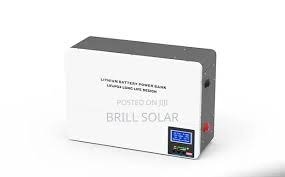
SAKO Li-Sun 15kWh 48V 300Ah Lithium Battery
Original price was: ₦21,895,000.00.₦2,189,500.00Current price is: ₦2,189,500.00.SAKO Li-Sun 15kWh 48V 300Ah Lithium Battery
Upgrade your solar energy storage capacity with the SAKO Li-Sun 15kWh 48V 300Ah Lithium Battery. Designed for compatible power systems, it helps store electricity for use when solar production is low or additional backup power is needed. Its large capacity makes it a potential choice for homes and businesses that require more stored energy than smaller battery systems can provide.
The exact nominal voltage and rated energy should be verified before purchase. SAKO’s catalogue lists a Li-Sun 300Ah model with a nominal voltage of 51.2V and a total energy capacity of 15.36kWh.
More Stored Energy for Everyday Power Needs
Solar energy storage gives users greater flexibility in managing electricity. During the day, solar panels can generate power that exceeds immediate demand. A compatible battery can store some of this energy for later use, helping reduce reliance on electricity from other sources when conditions permit.
The SAKO Li-Sun 300Ah battery is intended for applications that benefit from substantial energy storage. Depending on the installation, stored energy may support lighting, entertainment devices, computers, and selected household or commercial appliances. The actual operating time depends on the total load, inverter efficiency, battery charge level, and usable capacity.
For the best results, estimate the energy consumption of the appliances you want to run during a power interruption. Consider both their total energy usage and their starting power requirements. A qualified installer can help determine the required storage capacity and confirm that the battery suits your inverter.
Advanced Lithium Technology and Battery Management
The SAKO Li-Sun 51.2V 300Ah battery is listed in the manufacturer’s catalogue as a LiFePO4 model with 15.36kWh total energy. Its listed usable energy at 90% depth of discharge is 13.824kWh. Actual available energy may vary according to operating conditions and configured battery limits.
A Battery Management System helps monitor battery conditions and control charging and discharging within supported operating limits. SAKO’s catalogue also lists CAN and RS485 communication for this model, allowing communication with compatible equipment. Confirm communication support with your inverter supplier before connecting the battery.
Safe installation requires correctly rated cables, suitable electrical protection, secure connections, and charging settings that follow the manufacturer’s instructions. The installation location should also meet the specified environmental and mounting requirements. Always use a qualified technician to check the system configuration and commissioning process.
A Practical Solution for Solar and Backup Systems
This battery can be considered for compatible home solar installations, hybrid inverter systems, and selected commercial energy storage applications. It provides a way to retain excess solar electricity for later use and can help support connected equipment when grid power or solar generation is limited.
Before ordering, check the battery’s exact model number, voltage, rated and usable energy, maximum charging and discharging current, dimensions, weight, warranty, and after-sales support. Confirm whether the battery can communicate with your inverter and whether additional equipment is needed for monitoring or system expansion.
The SAKO Li-Sun 15kWh 48V 300Ah Lithium Battery offers a high-capacity storage option for users seeking greater energy flexibility. Verify the product datasheet with the seller to ensure the advertised specifications match the unit supplied and meet your installation requirements.
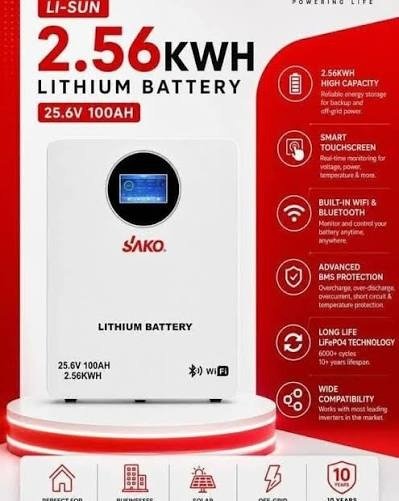
SAKO Li-Sun 17.5kWh 51.2V 350Ah Lithium Battery
Original price was: ₦2,580,000.00.₦2,550,000.00Current price is: ₦2,550,000.00.SAKO Li-Sun 17.5kWh 51.2V 350Ah Lithium Battery
Store more solar energy with the SAKO Li-Sun 17.5kWh 51.2V 350Ah Lithium Battery. Designed for compatible solar and backup power systems, it provides a large energy reserve for users who need greater storage capacity. It can help households and businesses make better use of solar electricity and maintain stored energy for periods when power generation is limited.
Powerful Storage for Daily Energy Requirements
Solar energy storage allows users to save electricity generated during the day and use it when needed. A compatible battery works with an inverter to supply stored energy to connected appliances, depending on system settings and the remaining charge.
The SAKO Li-Sun 350Ah model is suitable for consideration in larger storage installations. Its high nominal energy capacity can support a variety of electrical loads when the complete system is designed correctly. However, actual backup duration depends on appliance consumption, inverter efficiency, usable energy, and operating conditions.
For effective system planning, calculate your expected electricity usage and determine which appliances must remain powered during an outage. Check the inverter’s rated output and starting capacity as well as the battery’s discharge limits. These checks help establish whether the proposed setup can meet your needs.
Advanced Lithium Battery Technology
SAKO’s official catalogue lists the Li-Sun 51.2V 350Ah battery with LiFePO4 chemistry and 17.92kWh of total energy. It specifies 16.128kWh of usable energy at 90% depth of discharge. These figures provide a useful basis for comparing storage capacity, although actual available energy depends on operating conditions and system settings.
The battery range features a smart Battery Management System designed to manage charging and discharging within supported operating limits. SAKO also lists communication support for compatible inverter systems. Confirm the available communication ports and supported protocols for the specific unit before purchasing.
Correct installation is essential for reliable operation. Use manufacturer-approved charging settings, suitable wiring, correctly rated protective devices, and secure connections. Keep the battery in a location that meets the specified installation requirements. A qualified technician should verify electrical compatibility and complete system commissioning.
Flexible Solar and Backup Power Applications
The SAKO Li-Sun battery can be considered for residential solar storage, compatible hybrid inverter installations, and selected business backup systems. It can help store excess solar electricity and make it available when generation falls or additional power is required.
Before purchasing, confirm the exact battery model, nominal voltage, total energy, usable capacity, charging and discharging limits, dimensions, weight, warranty, and installation requirements. If you plan to expand an existing system, ask the installer to check compatibility with the current battery bank and inverter.
The SAKO Li-Sun 17.5kWh 51.2V 350Ah Lithium Battery offers a substantial energy storage option for suitable installations. Verify the official datasheet and advertised capacity with the seller to ensure the supplied model matches your requirements.
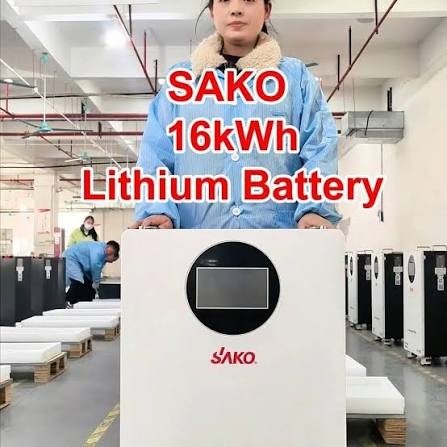
SAKO Li-Sun 20kWh 51.2V 400Ah Lithium Battery
Original price was: ₦2,958,000.00.₦2,950,000.00Current price is: ₦2,950,000.00.SAKO Li-Sun 20kWh 51.2V 400Ah Lithium Battery
Store more electricity for your solar system with the SAKO Li-Sun 20kWh 51.2V 400Ah Lithium Battery. Designed for compatible energy storage installations, it helps users retain surplus solar electricity and access stored power when needed. Its high-capacity design makes it a potential solution for homes and businesses with significant energy storage requirements.
Store Solar Energy for Greater Flexibility
Solar energy production changes throughout the day, while electricity consumption may continue after sunset. A compatible lithium battery allows users to store available solar electricity and use it later through a suitable inverter. This can help improve energy management and make solar installations more flexible.
The SAKO Li-Sun 400Ah battery is intended for systems that need a substantial energy reserve. Depending on the connected equipment and system configuration, stored electricity may support household appliances, lighting, computers, and selected commercial loads.
The actual backup time depends on the total power demand, inverter efficiency, usable battery capacity, and remaining charge. Calculate your expected energy usage before selecting a battery, particularly if you need to operate essential appliances during power interruptions.
Advanced Lithium Technology and Protection
SAKO’s official catalogue lists the 51.2V 400Ah Li-Sun battery with LiFePO4 cell chemistry and 20.48kWh of nominal energy. It specifies 18.432kWh of usable energy at 90% depth of discharge. Actual available energy can vary with operating conditions and configured battery limits.
The battery range features a smart Battery Management System designed to manage charging and discharging within supported operating limits. Battery protection and communication features can help support reliable operation when the unit is correctly matched with compatible equipment. Confirm the exact BMS functions and communication options for the specific product being supplied.
Correct installation is essential for safety and performance. Use suitable cables, correctly rated electrical protection, secure connections, and charging settings approved by the manufacturer. Check the inverter’s voltage requirements, charging limits, and supported communication protocol before connecting the battery. A qualified technician should verify compatibility and complete the installation.
A Practical Solution for Solar and Backup Systems
The SAKO Li-Sun 20kWh-class battery can be considered for compatible residential solar installations, hybrid inverter systems, and selected business backup applications. It can help store excess solar electricity for use when generation falls or demand increases, depending on the capabilities of the complete system.
Before purchasing, verify the exact model number, nominal voltage, total energy, usable capacity, charging and discharging current, dimensions, weight, warranty, and after-sales support. These details are especially important when integrating the battery with an existing inverter or expanding an energy storage installation.
The SAKO Li-Sun 20kWh 51.2V 400Ah Lithium Battery offers a substantial storage option for users planning a larger solar power system. Check the official datasheet with the seller to confirm that the supplied battery matches your technical requirements and expected energy consumption.
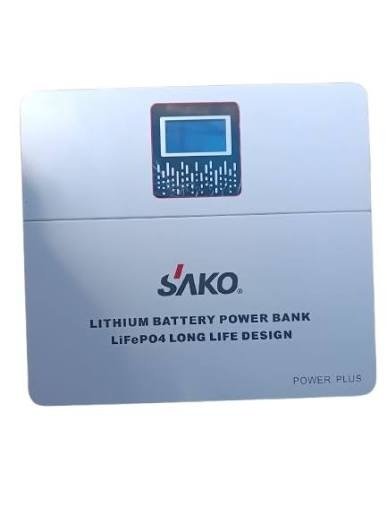
SAKO Li-Sun 5.12kWh 51.2V 100Ah Lithium Battery
Original price was: ₦986,000.00.₦980,000.00Current price is: ₦980,000.00.SAKO Li-Sun 5.12kWh 51.2V 100Ah Lithium Battery
Choose the SAKO Li-Sun 5.12kWh 51.2V 100Ah Lithium Battery for a practical energy storage solution designed for compatible solar installations and backup power systems. It combines a 51.2V nominal voltage with a 100Ah capacity to provide 5.12kWh of nominal stored energy. This configuration can help households and small businesses make better use of available solar electricity and maintain a reserve of stored energy.
Efficient Energy Storage for Everyday Needs
Solar panels produce electricity according to sunlight conditions and system performance. A suitable battery stores available energy so that a compatible inverter can use it later. The SAKO Li-Sun battery is designed for this type of energy storage application.
Its 5.12kWh nominal capacity provides a useful starting point when planning a backup system. However, the actual operating time will vary with the appliances connected, their total power demand, inverter efficiency, and the battery’s configured usable capacity. Users should calculate their expected energy needs before selecting a battery for essential equipment.
The battery’s 51.2V configuration must match the requirements of the selected inverter. Check the inverter’s supported lithium battery voltage, charging profile, current limits, and communication protocol before connecting the system. Compatibility helps the equipment work together within its intended operating limits.
LiFePO4 Technology and Battery Management
The SAKO Li-Sun 51.2V 100Ah model is listed with lithium iron phosphate (LiFePO4) battery technology. This chemistry is widely used in stationary energy storage because it offers stable operating characteristics when installed and managed correctly.
A smart Battery Management System (BMS) is designed to monitor battery operation and help manage important charging and discharging conditions. The manufacturer’s product information describes smart BMS protection and communication support for this battery range. Exact protection functions and supported communication options should be confirmed for the particular unit being purchased.
Correct installation is just as important as battery selection. Use appropriate cables, terminals, electrical protection, and charging settings. Keep the battery in a suitable location and follow the installation and operating instructions provided with the product. A qualified technician can check system compatibility and ensure that the inverter and battery settings are correctly configured.
A Practical Choice for Solar and Backup Systems
This battery can suit compatible residential solar storage systems, hybrid inverter installations, and selected backup power applications. It allows stored energy to be used when solar generation is low or when backup power is needed, subject to the capabilities of the complete system.
Before buying, compare the battery’s rated energy with your expected daily consumption and backup requirements. Confirm the exact dimensions, weight, installation method, operating temperature limits, protection rating, communication ports, and warranty coverage with the seller. These details may vary by product revision or regional version.
The SAKO Li-Sun 5.12kWh 51.2V 100Ah Lithium Battery offers a modern approach to storing solar energy in a compatible power setup. Review the official datasheet and consult an installer to confirm that the model meets your system’s technical requirements before purchase.
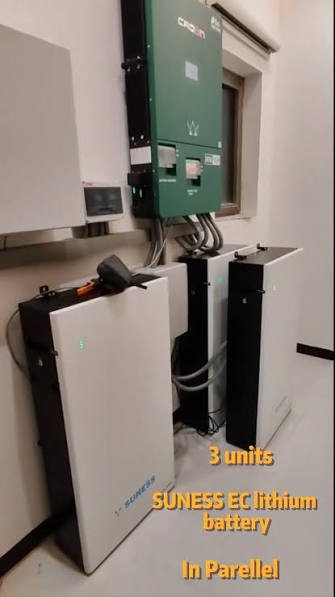
SAKO Li-Wall 10kWh 48V 200Ah Lithium Battery
Original price was: ₦1,678,900.00.₦1,678,500.00Current price is: ₦1,678,500.00.SAKO Li-Wall 10kWh 48V 200Ah Lithium Battery
The SAKO Li-Wall 10kWh 48V 200Ah Lithium Battery is an energy storage solution intended for compatible solar systems and backup power applications. Its high-capacity design can help store electricity for later use, making it an option for households and other properties with greater energy storage requirements. The wall-mounted format can also help keep a suitable installation organised.
SAKO’s published battery catalogue lists a 51.2V 200Ah LiFePO4 battery with 10.24kWh of nominal energy. This is close to the advertised 10kWh capacity, but buyers should confirm the exact Li-Wall model and its rated specifications before purchase.
High-Capacity Solar Energy Storage
A lithium battery stores electricity generated by solar panels or supplied by a compatible charging source. When connected to a suitable inverter, it can provide stored energy to compatible appliances when solar generation is low or unavailable.
A battery with approximately 10kWh of nominal capacity can offer more stored energy than smaller battery configurations. However, usable energy is lower than nominal capacity when discharge limits and system losses are considered. Backup time depends on the total power consumption of connected appliances and the amount of energy available.
The documented SAKO SK-51.2V200Ah Li-Tower model lists 10.24kWh of total energy and 8.192kWh of usable energy at 80% depth of discharge. These figures are useful as a reference, but they should only be applied to your product if the supplier confirms it is the same model.
Battery Technology and Technical Compatibility
The published SAKO 51.2V 200Ah model uses lithium iron phosphate (LiFePO4) battery chemistry. Its catalogue lists a voltage window of 44.8V to 58.4V, a fast-charge voltage of 57.6V, and a maximum continuous charging current of 100A. The documented model also lists a maximum continuous discharge current of 150A.
These values help explain the requirements of the documented 51.2V 200Ah configuration. They are not guaranteed specifications for every battery marketed under the Li-Wall name. Always check the exact product datasheet for the charging voltage, discharge limits, battery management system, communication options, and compatible inverter models.
Correct voltage matching is essential. The inverter and charger must support the battery’s specified voltage and charging settings. If you plan to expand the system with additional batteries, verify the supported connection method and maximum number of units with the manufacturer.
Installation and Purchase Considerations
Before purchasing the SAKO Li-Wall 10kWh 48V 200Ah Lithium Battery, ask the seller for the official datasheet and confirm the model number. Check nominal and usable energy, battery chemistry, dimensions, weight, enclosure protection, operating temperature range, warranty, and local after-sales support.
Install the battery on a suitable surface and follow the manufacturer’s requirements for mounting, wiring, cable sizing, and electrical protection. A qualified installer can confirm that the battery is compatible with the inverter and the planned solar array.
For users planning a larger solar storage system, this battery category can be worth considering once its exact specifications are verified. Careful load planning, compatible equipment, and professional installation help support safe operation and effective use of stored energy.
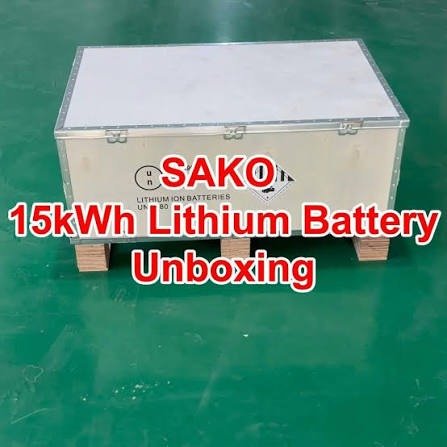
SAKO Li-Wall 15kWh 48V 300Ah Lithium Battery
Original price was: ₦1,795,000.00.₦1,705,000.00Current price is: ₦1,705,000.00.SAKO Li-Wall 15kWh 48V 300Ah Lithium Battery
The SAKO Li-Wall 15kWh 48V 300Ah Lithium Battery is designed for solar energy storage and backup power systems that require substantial stored energy. Its wall-mounted design can help organise a compatible installation, while its high-capacity battery configuration can support planned household or business energy needs.
SAKO’s published battery catalogue includes a 51.2V 300Ah model rated at 15.36kWh of nominal energy. Because the product title uses a rounded 15kWh capacity and 48V description, buyers should verify the exact model number, nominal voltage, and rated capacity before ordering.
Store More Solar Energy for Later Use
A solar battery makes it possible to store electricity for use when solar panels generate less power. When connected to a compatible inverter and charging system, it can store energy generated during the day and provide electricity to supported appliances when required.
A battery in the 15kWh nominal energy class may be suitable for users with higher storage requirements than smaller battery systems can provide. However, actual backup time depends on usable battery energy, appliance consumption, conversion losses, and the system’s operating limits.
To plan your installation, calculate the expected daily energy consumption of your essential appliances. Consider how many hours each appliance must operate and which devices may run simultaneously. This helps you determine whether the battery capacity and inverter output match your requirements.
Battery Technology and System Compatibility
The exact battery chemistry, operating voltage range, and charging limits must be confirmed from the datasheet for the Li-Wall model supplied. SAKO’s published lithium battery products include LiFePO4 technology and smart battery management functions, but specifications can vary between product versions.
Before connecting the battery, verify the inverter’s supported battery voltage, charging voltage, maximum charging current, maximum discharge current, and communication protocol. These details help ensure that the battery and inverter can operate together correctly.
If you intend to add more batteries later, confirm the supported parallel connection arrangements and expansion limits with the manufacturer. Use the specified cables and electrical protection, and never assume that batteries of different capacities or models can be combined safely.
Installation and Purchase Considerations
The SAKO Li-Wall 15kWh 48V 300Ah Lithium Battery should be installed according to the manufacturer’s instructions. The mounting surface must support the battery’s weight, and the installation location must meet the specified environmental requirements.
Before purchasing, request the official datasheet and check the model number, usable energy, dimensions, weight, battery management features, warranty, and after-sales service. A qualified solar installer can verify compatibility with your existing inverter and solar array.
For users planning a high-capacity solar storage system, this battery is an option to consider once its exact specifications have been confirmed. Correct system sizing, suitable electrical protection, and professional installation help support safe operation and effective use of stored energy.
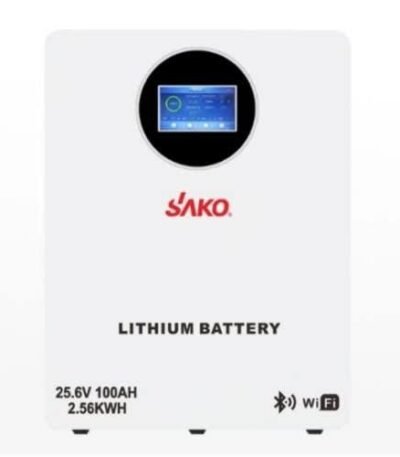
SAKO Li-Wall 2.56kWh 25.6V 100Ah Lithium Battery
Original price was: ₦6,999,960.00.₦699,996.00Current price is: ₦699,996.00.SAKO Li-Wall 2.56kWh 25.6V 100Ah Lithium Battery
The SAKO Li-Wall 2.56kWh 25.6V 100Ah Lithium Battery is a wall-mounted energy storage solution for compatible solar installations and backup power systems. It is designed to store electricity for use when solar generation is low or when additional power is needed. Its 25.6V nominal voltage and 100Ah capacity make it important to match the battery with equipment designed for the same voltage range.
The manufacturer’s Li-Wall catalogue identifies the SK-25.6V100Ah model as a lithium iron phosphate (LiFePO4) battery with 2.56kWh total energy. It lists approximately 2.048kWh of usable energy at 80% depth of discharge. Actual performance depends on the battery’s condition, operating settings, and connected equipment.
Reliable Storage for Solar Energy
Solar energy storage allows electricity generated during the day to be used later. When connected to a compatible inverter and charging system, the battery can store energy for selected household loads, helping support power availability when solar panels are not generating enough electricity.
The battery’s nominal energy rating is 2.56kWh, while its listed usable energy at 80% depth of discharge is 2.048kWh. These figures help users estimate the energy available for appliances, although conversion losses and system limits can reduce the energy delivered to AC loads.
Backup time depends on the total load. Small devices and efficient lighting generally use less energy than high-power appliances. Calculate the expected consumption of the equipment you plan to operate before deciding how many batteries your system needs.
Technical Specifications and Protection
The documented SK-25.6V100Ah Li-Wall model uses LiFePO4 battery chemistry and has a nominal voltage of 25.6V. The manufacturer’s catalogue lists a voltage window of 22.4V to 29.2V, a fast-charge voltage of 28.8V, and a float-charge voltage of 28.0V. Its listed maximum continuous charge current is 50A, and its maximum continuous discharge current is 100A.
The battery also includes a smart battery management system (BMS) designed to provide protection against conditions such as overcharging, over-discharging, overcurrent, short circuits, and excessive temperature. The catalogue lists RS485 communication and support for parallel connection of up to 15 units. Confirm compatibility and connection limits with the manufacturer’s instructions before expanding a battery bank.
The published catalogue lists a product size of approximately 414 × 372 × 177mm and a net weight of 24.5kg. The stated protection rating is IP20, so the battery must be installed in an appropriate location that meets its environmental requirements. Check the latest datasheet for the exact unit supplied.
Installation and Battery Compatibility
The SAKO Li-Wall battery should be installed with a compatible inverter or charger that supports its voltage and charging requirements. Incorrect settings, unsuitable wiring, or incompatible equipment can affect battery performance and safety.
Before purchase, confirm the exact model number, battery specifications, communication requirements, mounting method, warranty, and local service availability. Make sure the mounting surface can safely support the battery’s weight and that all electrical protection and cable requirements follow the manufacturer’s instructions.
For users planning solar energy storage, the SAKO Li-Wall 2.56kWh 25.6V 100Ah Lithium Battery offers a compact wall-mounted format and documented LiFePO4 chemistry. Proper compatibility checks and professional installation can help create a dependable storage system suited to your energy requirements.
SAKO Li-Wall 5.12kWh 51.2V 100Ah Lithium Battery
Original price was: ₦985,000.00.₦980,000.00Current price is: ₦980,000.00.SAKO Li-Wall 5.12kWh 51.2V 100Ah Lithium Battery
The SAKO Li-Wall 5.12kWh 51.2V 100Ah Lithium Battery provides energy storage for compatible solar installations and backup power systems. It is designed to store electricity for use when solar generation decreases or when a connected system needs stored energy. Its wall-mounted format can help organise a suitable installation without requiring a separate battery cabinet.
The documented SAKO SK-51.2V100Ah Li-Smart battery uses lithium iron phosphate (LiFePO4) chemistry and has a nominal energy rating of 5.12kWh. Confirm whether the exact Li-Wall model you are purchasing uses the same specifications, as battery versions and physical designs can differ.
Practical Energy Storage for Solar Systems
A solar battery helps make generated electricity available beyond the hours of strong sunlight. When paired with compatible solar panels, an inverter, and suitable charging equipment, it can store energy for later use. This can support selected household appliances when solar generation is insufficient, depending on the system’s configuration and available stored energy.
The battery has a nominal voltage of 51.2V and a capacity of 100Ah. SAKO’s published Li-Smart specifications list 5.12kWh of nominal energy and 4.608kWh of usable energy at 90% depth of discharge for the SK-51.2V100Ah model. Actual energy delivered to AC appliances may be lower because of inverter losses and other system limits.
Estimate the power consumption of the appliances you want to operate during a power interruption. This helps you determine how long the stored energy may last and whether you need additional battery capacity.
Lithium Battery Technology and Protection
The documented Li-Smart model uses LiFePO4 chemistry, which is commonly used in rechargeable energy storage systems. The manufacturer’s specifications list an operating voltage window of 44.8V to 58.4V and a fast-charge voltage of 57.6V for this model. These values are useful for planning compatibility, but the settings for the exact Li-Wall battery must be confirmed before installation.
Battery management is important for safe operation. Check the product documentation for the built-in battery management system, charging and discharging limits, temperature protection, short-circuit protection, and communication options. The published catalogue lists protection and monitoring features for its documented lithium battery products.
The inverter and charger must support the battery’s voltage and charging requirements. If you plan to add more batteries, verify the manufacturer’s rules for parallel connections and confirm that the inverter can communicate correctly with the battery system.
Installation and Buying Considerations
Before buying the SAKO Li-Wall 5.12kWh 51.2V 100Ah Lithium Battery, request the datasheet for the exact model number. Check the battery chemistry, usable energy, maximum continuous charge and discharge current, dimensions, weight, enclosure protection rating, warranty, and supported inverter communication protocols.
The installation should use correctly sized cables, appropriate electrical protection, and a secure mounting arrangement. A qualified installer can confirm that the battery is suitable for the planned solar array and connected loads.
For users looking to store solar electricity in a compact wall-mounted format, this battery is an option to consider once its specifications have been verified. Choosing a compatible inverter and planning around actual energy use can help create a safer and more effective solar storage system.
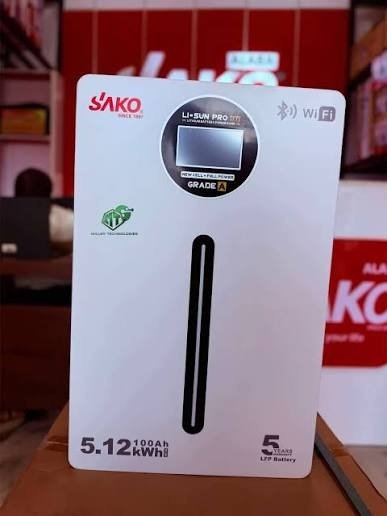
SAKO Li-Wall 5kWh 24V 200Ah Lithium Battery
Original price was: ₦937,000.00.₦935,000.00Current price is: ₦935,000.00.SAKO Li-Wall 5kWh 24V 200Ah Lithium Battery
The SAKO Li-Wall 5kWh 24V 200Ah Lithium Battery is an energy storage solution for compatible solar power installations and backup systems. Its wall-mounted design can help organise battery equipment in residential and other suitable environments. By storing electricity for later use, the battery can support selected appliances when solar generation is insufficient, provided the connected inverter and electrical system meet its requirements.
The advertised 24V and 200Ah ratings correspond to approximately 5.12kWh when calculated using a nominal voltage of 25.6V. Confirm the exact nominal voltage, rated capacity, and usable energy on the product datasheet before purchase.
Efficient Storage for Solar Energy
A solar battery helps users store electricity generated during periods of sunlight and use it when needed. In a compatible installation, solar panels charge the battery through an appropriate inverter or charge controller. The stored energy can then supply compatible appliances when solar production decreases or backup power is required.
The advertised 5kWh capacity can help users plan their expected energy storage needs. However, battery capacity does not guarantee a fixed backup duration. Actual runtime depends on the usable energy available, the power consumption of connected appliances, conversion losses, and the system’s operating limits.
For a practical estimate, list the devices you need during an outage and calculate their approximate energy consumption. Efficient lighting, networking equipment, and smaller electronics generally use less energy than high-power appliances. This calculation can help determine whether one battery provides enough storage for your daily requirements.
Battery Technology and System Compatibility
The product is marketed as a lithium battery, but the exact chemistry and specifications should be confirmed for the particular Li-Wall version. SAKO offers lithium battery products with smart battery management systems designed to monitor battery operation and provide protective functions.
Before installation, check the nominal voltage, permitted charging voltage, maximum continuous charge and discharge current, temperature limits, communication protocols, and supported inverter models. These details determine whether the battery can operate correctly with your existing solar equipment.
The battery’s voltage must match the requirements of the inverter and charger. Do not connect batteries in series or parallel unless the manufacturer explicitly permits the intended configuration. Use appropriate cables, fuses or circuit breakers, and other required protection equipment.
Ask the supplier for the official datasheet for the exact 5kWh 200Ah model. This is particularly important because product listings may use rounded capacity descriptions while the technical documentation specifies a different nominal voltage or energy rating.
Installation and Long-Term Value
A wall-mounted battery needs a secure mounting surface, suitable environmental conditions, and installation according to the manufacturer’s instructions. A qualified installer can check the mounting requirements, cable sizing, protective devices, charging settings, and compatibility with your solar system.
Before purchasing the SAKO Li-Wall 5kWh 24V 200Ah Lithium Battery, confirm its dimensions, weight, battery chemistry, usable capacity, warranty, and after-sales service availability. Make sure the proposed installation location meets the manufacturer’s requirements.
With suitable equipment and correct system design, a lithium battery can provide useful energy storage for solar and backup applications. Matching its verified specifications to your electricity needs helps you make an informed purchase and plan a safe, effective installation.
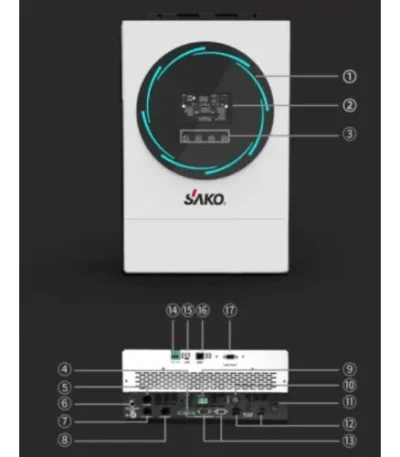
SAKO MAXSUN PRO SK-IPM-10048 10kVA Hybrid Inverter
Original price was: ₦1,270,000.00.₦1,250,000.00Current price is: ₦1,250,000.00.SAKO MAXSUN PRO SK-IPM-10048 10kVA Hybrid Inverter
The SAKO MAXSUN PRO SK-IPM-10048 10kVA Hybrid Inverter is an option for customers researching hybrid solar equipment for residential or commercial use. Hybrid inverter systems can combine solar power conversion with battery storage and other supported energy sources. This model’s stated 10kVA capacity provides a starting point for evaluating its suitability, but the complete technical specifications should be confirmed before purchase.
A well-designed solar installation can help users manage energy from different sources according to their requirements. To choose suitable equipment, consider your appliance load, daily electricity consumption, expected backup time, and available solar generation. These factors help determine whether the inverter matches your planned system.
Designed for Solar Energy Applications
The inverter is an important component of a solar energy system because it converts electrical power into a form that compatible appliances can use. The SAKO MAXSUN PRO SK-IPM-10048 10kVA Hybrid Inverter can be considered for suitable homes, offices, shops, and other properties planning a solar installation. Its actual functions depend on the verified features and operating modes of the exact model.
Begin by listing the appliances you need to power and estimating which devices will run simultaneously. Include both normal operating consumption and any additional starting demand from pumps, compressors, or other motor-driven equipment. This calculation helps you compare your expected load with the inverter’s actual output rating.
You should also consider the difference between power capacity and stored energy. The inverter’s output rating indicates how much power it can supply within its limits, while battery capacity affects how much energy is available for later use. Solar generation, battery storage, and connected loads all influence overall system performance.
Battery Storage and Solar Input Planning
Before selecting a battery, confirm the inverter’s supported voltage, battery chemistry, charging settings, and communication requirements. A compatible battery bank helps the system operate within its intended limits, while adequate storage capacity can support your planned backup requirements.
Solar panel selection requires similar care. Check the permitted PV voltage range, maximum solar input power, maximum input current, and approved panel configuration. Do not assume that every battery or solar panel will be compatible simply because one specification matches.
Professional installation helps ensure that the inverter and other system components work together correctly. A qualified technician should assess cable sizing, protective devices, earthing, ventilation, and the manufacturer’s installation requirements. Correct setup supports safe operation and helps protect the equipment.
Check the Technical Specifications
The 10kVA rating does not necessarily equal 10kW of usable real power. The actual kilowatt output depends on the power factor and the manufacturer’s rated operating limits. Before purchasing, verify continuous output power, surge capability, supported battery types, solar input limits, charging performance, and any monitoring or communication features.
The SAKO MAXSUN PRO SK-IPM-10048 10kVA Hybrid Inverter can be included in your shortlist when comparing hybrid solar solutions. For a confident purchase, request the official product datasheet, warranty terms, and confirmation of the exact model from the seller. Compare the verified specifications with your electrical load and planned solar installation to choose equipment that meets your needs.
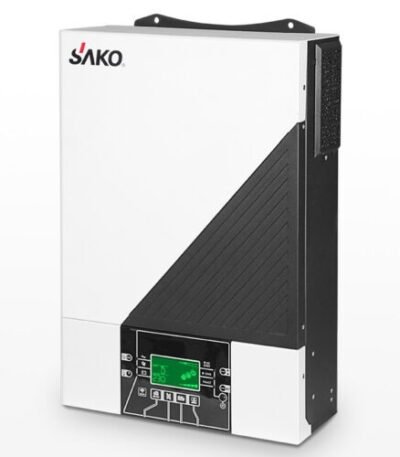
SAKO MAXSUN PRO SK-IPM-12048 12kVA Hybrid Inverter
Original price was: ₦1,470,000.00.₦1,450,000.00Current price is: ₦1,450,000.00.SAKO MAXSUN PRO SK-IPM-12048 12kVA Hybrid Inverter
The SAKO MAXSUN PRO SK-IPM-12048 12kVA Hybrid Inverter is an option for customers researching hybrid solar equipment for their homes or businesses. Hybrid inverter systems can combine solar power conversion with battery storage and other supported power sources. The stated 12kVA capacity provides a starting point for comparing inverter options, while the exact capabilities of this model should be verified before purchasing.
Choosing a suitable inverter is an important step in building a practical solar power system. You should consider your daily electricity consumption, the appliances you need to operate, the solar panels you plan to install, and the battery capacity required for your expected usage. A complete system assessment helps you choose equipment that better matches your needs.
Solar Power for Residential and Commercial Use
A hybrid inverter is a key component of a solar installation because it converts electrical power into a form that compatible appliances can use. The SAKO MAXSUN PRO SK-IPM-12048 12kVA Hybrid Inverter can be considered when exploring solar energy options for suitable residential and commercial environments. Its actual functions depend on the verified specifications and operating modes of the exact model.
Start by preparing a list of your essential appliances. Record their rated power and identify which devices may operate at the same time. Pay attention to equipment such as pumps, refrigerators, and compressors because their starting power requirements can exceed their normal operating consumption.
You should also distinguish between power capacity and stored energy. The inverter’s output rating indicates its power delivery capability, while battery capacity affects how much energy can be stored for later use. Solar production, battery condition, appliance consumption, and system efficiency all influence overall performance.
Battery Storage and Solar Input Planning
A compatible battery system can help store energy for periods when solar generation is limited. Before selecting a battery, confirm the inverter’s supported voltage, battery chemistry, charging settings, and communication requirements. Choose battery capacity according to your expected load and desired backup duration.
Solar panel compatibility also requires careful checking. Confirm the maximum PV input power, permitted voltage range, input current, and supported panel configuration. Do not assume that a battery or panel is suitable based on one matching specification alone.
Professional installation can help ensure that all components operate within their specified limits. A qualified technician should review wiring, protective devices, earthing, ventilation, and the manufacturer’s installation instructions. Correct setup supports safe operation and helps protect your solar equipment.
Verify Output Capacity and Technical Details
An inverter rated at 12kVA does not necessarily provide 12kW of real output power. The actual kilowatt output depends on the power factor and the manufacturer’s rated limits. Before buying, verify continuous output power, surge capability, battery support, solar input limits, charging performance, and any monitoring or communication features.
The SAKO MAXSUN PRO SK-IPM-12048 12kVA Hybrid Inverter can be included in your shortlist when comparing hybrid solar solutions. For an informed decision, request the official product datasheet, warranty terms, and confirmation of the exact model code from the seller. Compare those details with your appliance load, battery requirements, and planned solar array to determine whether the inverter is suitable for your installation.