


Solar Energy Storage & Power Solutions
Filter by brand

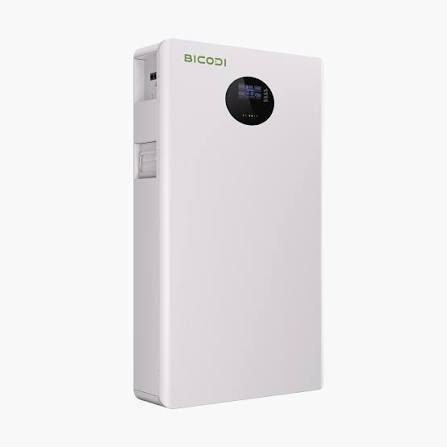
BICODI 16.1kWh 51.2V Lithium Energy Storage Battery
Original price was: ₦3,400,000.00.₦3,300,000.00Current price is: ₦3,300,000.00.Support Essential Household Appliances
The BICODI 16.1kWh 51.2V Lithium Energy Storage Battery can help provide backup electricity when used with a compatible inverter. Depending on your system design, stored energy may power lights, fans, internet routers, televisions, and refrigeration equipment during a power interruption.
The backup time depends on how much electricity your appliances consume. For example, a system running only essential loads may last longer than one powering several high-consumption appliances. Therefore, decide which devices you need to operate during an outage.
You should also consider the inverter’s rated power and the battery’s discharge limits. Some appliances require extra power when they start. A correctly sized system helps manage these demands and supports reliable operation.
Before installation, estimate your expected electricity consumption. This simple step helps you understand whether the battery capacity meets your needs. It also helps you avoid choosing equipment that is too small for your household.
Check Inverter Compatibility Before Buying
Battery and inverter compatibility is important for safe operation. The matching BICODI BD48314P16 datasheet lists a nominal voltage of 51.2V and a working voltage range of 42V to 58.4V. Always confirm these specifications for the exact model you purchase.
The datasheet also lists CAN and RS485 communication interfaces. These connections can allow compatible equipment to exchange battery information. However, the inverter must support the correct communication protocol and settings.
Before buying, check the inverter’s supported battery voltage, charging current, and discharge current. Also, confirm the battery management system requirements. Correct settings help the equipment work together as intended.
A qualified installer should check the wiring, circuit breakers, isolation devices, and other electrical components. This helps improve safety and reduces the risk of installation problems. Always follow the manufacturer’s installation instructions.
Plan Your Energy Storage for the Future
A good energy storage system starts with a clear plan. First, review your household’s daily electricity consumption. Next, consider your solar panel output and the amount of backup power you need. These details help you decide whether a 16.1kWh battery is suitable for your property.
You should also consider future energy needs. If you plan to add more batteries later, check the manufacturer’s approved expansion options. Do not assume that every battery model supports the same connections.
Finally, review the product’s dimensions, operating temperature limits, warranty, and installation requirements. Confirm these details in the official datasheet before placing your order.
With suitable equipment and professional installation, this lithium energy storage battery can help you store solar electricity and manage household power more effectively. It offers a practical option for homeowners who want to make better use of solar energy and support essential appliances during outages.
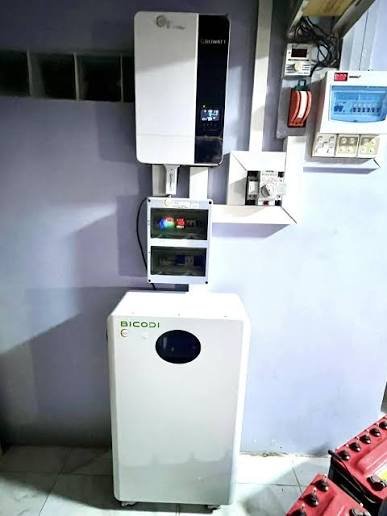
BICODI 16kWh 48V 300Ah LiFePO4 Solar Battery
Original price was: ₦3,000,000.00.₦2,900,000.00Current price is: ₦2,900,000.00.Support Essential Household Appliances
The BICODI 16kWh 48V 300Ah LiFePO4 Solar Battery can be considered for residential solar systems that require substantial energy storage. Depending on the complete system design, stored electricity may help power lighting, fans, internet routers, televisions, refrigerators, and other compatible appliances during a power interruption.
The amount of backup power available depends on the battery’s usable capacity and the connected appliances’ consumption. High-power equipment may require a suitable inverter and careful load planning. Therefore, identify the appliances you need during an outage and estimate their total energy requirements.
For example, divide the usable battery energy by the combined power consumption of the connected loads to estimate backup duration. Allow for inverter losses and other operating limitations. This calculation provides a useful estimate, although actual results vary with system conditions.
Check Battery and Inverter Compatibility
Battery and inverter compatibility is essential for reliable solar energy storage. Although the product title uses 48V, the manufacturer’s specifications for a related 16kWh model list a nominal voltage of 51.2V. This distinction matters when choosing compatible equipment.
Before installation, verify the exact battery model, nominal voltage, operating voltage range, maximum charging current, and maximum discharge current. You should also check whether the inverter supports the battery’s communication protocol and management settings.
The related BICODI model lists CAN and RS485 communication interfaces. However, buyers should confirm these features for the specific battery being supplied. Incorrect inverter settings can affect charging performance, monitoring, and system protection.
A qualified installer should select suitable cables, circuit breakers, isolation devices, and other electrical components. Correct installation and configuration help support safe operation and reduce the risk of equipment problems.
Plan a Long-Term Solar Storage Solution
Choosing a solar battery starts with understanding your household’s energy needs. Review daily electricity consumption, solar panel output, inverter capacity, and the backup duration you want. These details help determine whether a 16kWh storage system is appropriate for your property.
If you plan to expand the system later, confirm whether the exact model supports parallel connections and check the manufacturer’s maximum permitted configuration. Never assume that every battery supports the same expansion options.
You should also review the official datasheet for usable capacity, cycle-life conditions, operating temperature limits, dimensions, certifications, and warranty coverage. These specifications help you compare products accurately and plan an appropriate installation.
With compatible equipment and professional installation, a LiFePO4 solar battery can become a valuable part of a residential energy storage system. It can help households store solar electricity, manage energy use, and maintain power for selected loads when grid electricity is unavailable.
BICODI 17.66kWh 51.2V 345Ah LiFePO4 Battery
Original price was: ₦3,500,000.00.₦3,400,000.00Current price is: ₦3,400,000.00.Flexible Backup Power and Energy Management
Support Essential Electrical Loads
The BICODI 17.66kWh 51.2V 345Ah LiFePO4 Battery can be considered for solar installations that need substantial stored energy. Depending on the complete system, it may help support essential household or business equipment during a power interruption.
Suitable backup loads may include lighting, communication equipment, fans, and refrigeration. However, the appliances you can run depend on the inverter’s power rating and the battery’s discharge limits. Therefore, identify your essential appliances before planning the system.
To estimate backup duration, divide the usable battery energy by the combined power consumption of the connected appliances. Allow for inverter losses and other system limitations. This calculation provides an estimate rather than a guaranteed runtime.
A well-designed storage system can help users prioritise important equipment. It can also make it easier to plan energy use during outages. For best results, review your electricity consumption and expected backup requirements before installation.
Check Battery and Inverter Compatibility
Battery and inverter compatibility is essential for safe operation. The product title specifies a 51.2V battery, but buyers should confirm the nominal voltage and operating voltage range using the exact model’s datasheet.
Check the inverter’s supported battery voltage, charging current, and discharge current. Also, confirm the communication protocol and battery management system requirements. Some energy storage products support CAN or RS485 communication, but you should not assume these features are available on this exact model without verification.
A qualified installer can help configure the system correctly. The installer should also select suitable cables, circuit breakers, and isolation devices. Correct installation supports reliable operation and helps protect connected equipment.
Plan Your Long-Term Energy Storage System
Before purchasing a battery, review your daily electricity use and solar panel output. Consider which appliances need backup power and how long you want them to operate. These details help determine whether the advertised 17.66kWh capacity meets your needs.
If you plan to expand the system later, check whether the battery supports parallel connections. Confirm the manufacturer’s maximum permitted configuration before connecting additional units. Not all batteries support the same expansion options.
You should also review the official datasheet for dimensions, weight, usable energy, cycle life, operating temperatures, and warranty coverage. These details help you compare products and plan a suitable installation.
With compatible equipment and professional installation, a LiFePO4 battery can become a valuable part of a solar energy storage system. It can help users store electricity, manage energy consumption, and support selected loads during grid interruptions.
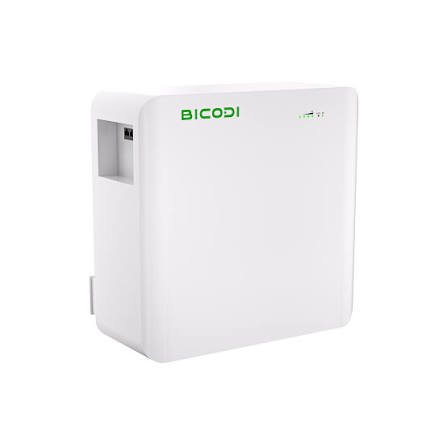
BICODI BD024100P025 2.5kWh 24V 100Ah LiFePO4 Residential Energy Storage Battery
Original price was: ₦560,000.00.₦550,000.00Current price is: ₦550,000.00.Compact Wall-Mounted Solar Battery Design
The BICODI BD024100P025 2.5kWh LiFePO4 Battery features a compact enclosure designed for wall-mounted installation. Its listed dimensions are approximately 380 × 370 × 155 mm, and its listed weight is 28 kg. This format can help make use of available space in a suitable home energy storage area.
In addition, the battery supports parallel connection of up to 16 units according to the published product specifications. This allows compatible systems to be expanded when additional storage is required. However, the inverter, wiring, protection equipment, and installation design must support the intended configuration. Always follow the manufacturer’s instructions when expanding a battery bank.
Battery Capacity, Charging, and Compatibility
The BICODI BD024100P025 has a nominal capacity of 100Ah and a nominal energy rating of 2.56kWh. Its published operating voltage range is 21.5V to 29.2V. The listed maximum continuous charging and discharging current is 100A, while the standard continuous current is listed as 60A. Confirm these ratings against the latest datasheet before connecting the battery.
The battery supports CAN and RS485 communication and is listed as compatible with several inverter brands, subject to the specific model and configuration. Therefore, check the inverter’s battery voltage range, communication protocol, charging settings, and current limits before installation. Correct configuration helps support safe operation and effective energy storage.
Safety, Maintenance, and Long-Term Performance
Safe installation is essential for dependable battery operation. Place the BICODI BD024100P025 in a suitable location that meets the manufacturer’s temperature, ventilation, and mounting requirements. Its published protection rating is IP21, so the installation area should provide appropriate protection from water and environmental exposure.
Furthermore, follow the specified charging and discharging temperature limits. The listed charging range is 0°C to 50°C, while the discharging range is -10°C to 60°C. Avoid incorrect wiring, unsuitable chargers, and unapproved battery configurations. Check the manufacturer’s warranty and maintenance instructions before purchase. With a compatible inverter and proper installation, this LiFePO4 battery can support a residential energy storage system.
BICODI BD024100R025 2.5kWh Rack-Mount LiFePO4 Solar Battery
Original price was: ₦590,000.00.₦580,000.00Current price is: ₦580,000.00.Reliable Energy Storage for Home Solar Systems
The BICODI BD024100R025 2.5kWh Rack-Mount LiFePO4 Solar Battery offers a compact storage option for compatible home energy systems. Its nominal energy capacity is 2.56kWh, which can help store electricity generated by solar panels. For example, stored energy may be used to power selected household appliances when solar generation is low.
However, the battery does not guarantee a specific backup duration. Actual performance depends on the connected load, inverter losses, battery settings, and usable energy. For this reason, estimate daily consumption before choosing your battery capacity. A properly designed system can help balance solar generation, stored energy, and household demand.
Expandable Capacity and Inverter Compatibility
The BICODI BD024100R025 2.5kWh Rack-Mount LiFePO4 Solar Battery supports parallel connections for systems that require additional storage. The manufacturer lists support for up to 16 parallel units, allowing compatible installations to expand their nominal storage capacity. However, the final configuration must follow the manufacturer’s requirements for wiring, protection, communication, and battery setup.
Furthermore, the battery supports CAN and RS485 communication protocols. These interfaces can help compatible inverters exchange battery information and manage charging or discharging. Before installation, verify the inverter’s supported battery voltage, communication protocol, charging settings, and current limits. Compatibility should be confirmed for the exact equipment models rather than assumed from brand names alone.
Installation, Safety, and Battery Maintenance
Correct installation helps maintain safe and dependable battery operation. First, choose a suitable rack or mounting arrangement that supports the battery’s weight. Next, follow the manufacturer’s instructions for wiring, electrical protection, clearances, and operating conditions. The listed enclosure protection rating is IP21, so the battery should be installed in an appropriate indoor environment protected from water exposure.
In addition, check the recommended charging and discharging temperature ranges before installation. Avoid incorrect polarity, unsuitable chargers, and unapproved system configurations. Regularly review battery status and follow the manufacturer’s maintenance guidance. Also, confirm the warranty terms and local installation requirements before purchasing. With compatible equipment and proper installation, this battery can form part of a residential solar energy storage system.
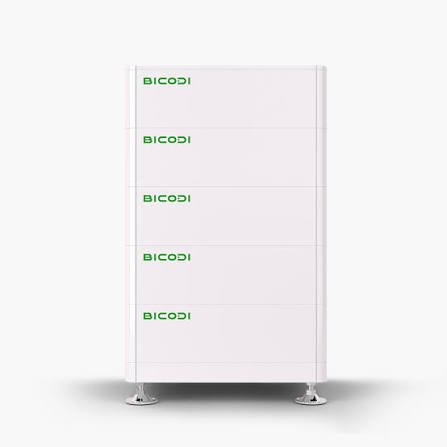
BICODI BD048100L05 5kWh Stackable Residential Energy Storage Battery
Original price was: ₦1,200,000.00.₦1,100,000.00Current price is: ₦1,100,000.00.Store Solar Power for Later Use
The BICODI BD048100L05 5kWh Stackable Residential Energy Storage Battery provides a practical storage option for homes with compatible solar power systems. Rather than using all the electricity as it is generated, homeowners can store surplus solar energy and use it later. This may help reduce dependence on grid electricity, depending on local tariffs, household demand, and solar system performance.
The battery offers approximately 5.12kWh of nominal energy. However, nominal capacity is not the same as the energy available to appliances. Usable energy depends on the permitted depth of discharge, inverter efficiency, battery settings, and operating conditions. <Cite refs={[“turn205056search0″,”turn205056search12”]}/>
Before choosing a battery, calculate the energy needs of the appliances you want to operate. Lights, fans, routers, and other selected loads may use less energy than a whole household. Also consider how many hours each appliance will run and whether the inverter can handle its starting power.
A carefully planned system can improve solar energy use and provide more flexibility during periods of low sunlight. Backup functionality, however, depends on the inverter and electrical installation. Confirm that the system supports backup operation if you need power during a grid outage.
Charging, Discharging, and Compatibility
The BD048100L05 has a recommended charging and discharging current of 50A. The manufacturer’s documentation also lists a maximum continuous charging and discharging current of 100A. These values should guide system design and inverter configuration. Always follow the latest product manual and avoid exceeding the specified limits. <Cite refs={[“turn205056search0″,”turn205056search12”]}/>
The battery supports CAN and RS485 communication, which can allow compatible inverters to exchange battery information. However, communication protocols and supported settings vary between equipment manufacturers. Check the official compatibility information before connecting the battery to your inverter.
Correct installation also requires appropriately rated cables, suitable circuit protection, isolation equipment, and secure positioning. Keep the battery within its specified operating conditions. The manufacturer’s manual lists IP20 protection for the battery module, so follow its instructions for the installation environment and protection from moisture. <Cite refs={[“turn205056search12”]}/>
Professional installation helps ensure that the battery, inverter, wiring, and protective devices work together correctly. This is particularly important when expanding the system with multiple modules.
Build an Expandable Home Energy System
One advantage of a modular storage system is the ability to plan capacity around changing energy requirements. A household can begin with one battery and consider adding compatible modules later, provided the manufacturer permits the intended configuration. The BD048100L05 product information lists configurations ranging from one module to multiple parallel units. <Cite refs={[“turn205056search0”]}/>
When planning an expansion, assess the total nominal capacity, inverter power, charging current, discharge current, and installation space. The complete system must remain within the limits of every connected component. A larger battery bank stores more energy, but it does not automatically increase the inverter’s output power.
The manufacturer lists a 10-year warranty for this model. Before purchasing, confirm the applicable warranty terms, exclusions, and local support arrangements with the seller. <Cite refs={[“turn205056search0″,”turn205056search11”]}/>
With verified compatibility and correct installation, the BICODI BD048100L05 can support residential solar storage and selected backup applications. It is an option for homeowners seeking a modular battery system that can be planned around their energy needs.
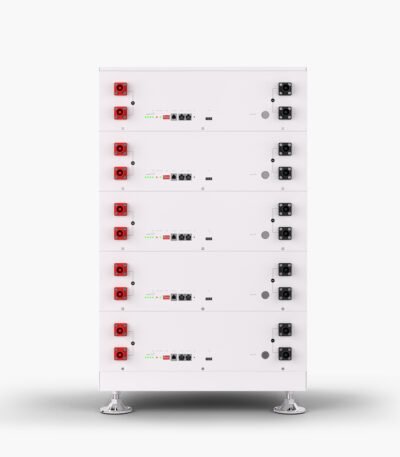
BICODI BD048100P05 5kWh 48V 100Ah Wall-Mounted LiFePO4 Battery
Original price was: ₦1,150,000.00.₦1,050,000.00Current price is: ₦1,050,000.00.Store Solar Electricity for Later
The BICODI BD048100P05 5kWh 48V 100Ah Wall-Mounted LiFePO4 Battery provides a storage option for homes using solar energy. Rather than relying only on electricity generated at the moment, a compatible system can store surplus solar power for later use. This can be helpful when household demand continues after sunlight decreases.
With approximately 5.12kWh of nominal energy, this battery can support selected loads according to the system design. However, nominal capacity does not mean that all stored energy will be available to appliances. Usable energy depends on the permitted depth of discharge, inverter efficiency, battery settings, and operating conditions. <Cite refs={[“turn509189search1″,”turn509189search3”]}/>
To estimate backup duration, calculate the wattage of the appliances you plan to operate and how long they will run. Essential loads, such as lights, routers, and selected fans, may require less energy than an entire household. Also check the inverter’s continuous output rating and surge capacity, particularly for appliances with motors or high starting currents.
A correctly designed solar storage system can help improve solar self-consumption. Nevertheless, savings and backup performance vary according to household demand, local electricity tariffs, weather, and system configuration.
Battery Protection and Inverter Compatibility
The battery’s voltage and charging requirements must match the connected inverter. The manufacturer lists CAN and RS485 communication interfaces for this model. These interfaces can support communication with compatible inverters and energy management equipment. However, not every inverter supports every battery model, so confirm compatibility before purchasing. <Cite refs={[“turn509189search1″,”turn509189search3”]}/>
The product directory lists a maximum charge current of 100A and a maximum discharge current of 100A. It also identifies a standard continuous charge and discharge current of 60A. These values should be checked against the latest manufacturer’s datasheet and the inverter’s configuration before installation. <Cite refs={[“turn509189search1″,”turn509189search3”]}/>
Use appropriately rated cables, circuit protection, isolation equipment, and secure mounting hardware. Never exceed the specified voltage or current limits. If you intend to connect several batteries in parallel, confirm the approved configuration and required protective equipment with the manufacturer. The product specifications list support for up to 16 parallel units, subject to system compatibility and installation requirements. <Cite refs={[“turn509189search1″,”turn509189search3”]}/>
A Flexible Solution for Residential Energy Needs
A wall-mounted LiFePO4 battery can help homeowners organise and manage their solar electricity more effectively. Depending on the inverter and installation, stored energy may supply selected household loads when solar production is low. Backup power requires compatible equipment and a system designed to operate in backup mode.
The BICODI BD048100P05 is listed with a 10-year warranty. Before ordering, confirm the warranty terms, exclusions, and service arrangements with the supplier. Also verify the battery’s dimensions, weight, communication support, and environmental requirements to ensure it suits your installation. <Cite refs={[“turn509189search1″,”turn509189search3”]}/>
For best results, plan your energy storage around your real electricity needs. Compare the battery’s usable energy with your expected consumption and select an inverter that supports the required loads. Professional installation can help ensure that the battery, inverter, cables, and protection devices work together correctly.
With verified compatibility and proper installation, the BICODI BD048100P05 can be considered for residential solar energy storage and selected backup applications. It provides a practical starting point for homeowners who want to store solar electricity and improve flexibility in how they use power.
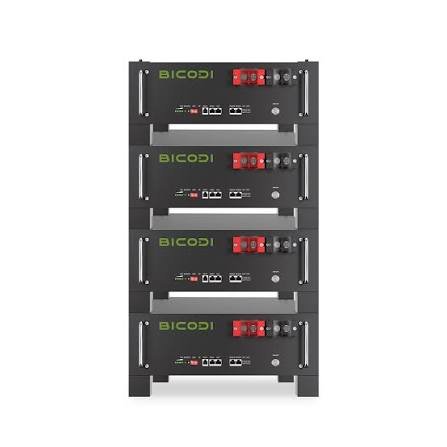
BICODI BD048100R05 5kWh Rack-Mount LiFePO4 Battery
Original price was: ₦1,130,000.00.₦1,120,000.00Current price is: ₦1,120,000.00.Store Solar Power for Later Use
The BICODI BD048100R05 5kWh Rack-Mount LiFePO4 Battery provides a storage option for homes that use solar power. Instead of relying only on electricity generated at the moment, a compatible system can store surplus energy for later use. This can help improve solar self-consumption and provide more flexibility when managing household electricity demand.
With a nominal energy capacity of 5.12kWh, the battery can support selected loads according to the system design. However, nominal capacity does not mean that all stored energy will be available to appliances. Usable energy depends on the permitted depth of discharge, inverter efficiency, battery settings, and operating conditions. The manufacturer lists a depth of discharge above 90% under its specified conditions. <Cite refs={[“turn552362search0”]}/>
Before choosing this battery, estimate the electricity required by the appliances you want to run. Lights, fans, routers, and other essential loads may use less energy than an entire household. Check the inverter’s continuous output rating and surge capacity as well, especially for appliances that draw high starting current.
A properly designed storage system can provide backup power when the grid is unavailable, provided the inverter supports backup operation. Therefore, confirm the system’s backup capability before purchasing the battery.
Charging, Discharging, and Inverter Compatibility
The BD048100R05 has a listed standard continuous charge and discharge current of 60A, with a maximum continuous charging and discharging current of 100A. These values are important when choosing an inverter and configuring the battery system. Always follow the latest manufacturer datasheet and never exceed the specified operating limits. <Cite refs={[“turn552362search0”]}/>
The battery supports CAN and RS485 communication. However, communication compatibility varies between inverter brands and models. Confirm the supported protocol, wiring arrangement, and battery configuration before installation. The manufacturer lists compatibility with several inverter brands, including Victron, SMA, Growatt, GoodWe, Deye, Sofar, and Voltronic Power. Actual compatibility should be verified for the exact equipment being used. <Cite refs={[“turn552362search0”]}/>
A safe installation also requires appropriately rated cables, circuit protection, isolation equipment, and secure battery placement. The listed protection rating is IP21, so follow the manufacturer’s guidance regarding the installation environment and protection from moisture. Professional installation helps ensure that the battery, inverter, and protective devices work together correctly. <Cite refs={[“turn552362search0”]}/>
A Practical Choice for Residential Energy Storage
A rack-mount or stackable LiFePO4 battery can help organise a residential solar installation and provide room for future expansion. The BICODI BD048100R05 is intended for energy storage applications where its voltage, capacity, and electrical limits match the system requirements.
The manufacturer lists a 10-year warranty for this model. Before ordering, confirm the warranty conditions, exclusions, and after-sales support available in your region. Also check the battery’s dimensions and weight to ensure that the planned mounting or stacking arrangement is suitable. <Cite refs={[“turn552362search0”]}/>
For better results, choose the battery based on your actual energy consumption. Compare the usable capacity with your expected backup requirements, and ensure the inverter can supply the power needed by your appliances. If you plan to expand the system, verify the permitted parallel configuration and the requirements for cables and protection equipment.
With verified compatibility and proper installation, the BICODI BD048100R05 can form part of a residential solar storage system. Its LiFePO4 chemistry, modular design, and communication interfaces make it an option for homeowners seeking flexible energy storage.
BICODI BD048200L10 10kWh Stackable Lithium Battery
Original price was: ₦2,100,000.00.₦2,000,000.00Current price is: ₦2,000,000.00.Improve Home Energy Management
The BICODI BD048200L10 10kWh Stackable Lithium Battery is intended for buyers looking for a residential energy storage solution. A compatible battery system can store electricity produced by solar panels and make it available later. This can help households use more of their own solar energy.
For example, solar electricity generated during the day may be stored for evening use. This can support selected appliances when solar production decreases. However, the amount of energy available depends on the battery’s usable capacity and the connected equipment.
To plan your storage system, list the appliances you want to operate during a power outage. Then, estimate their power consumption and daily operating time. This simple calculation helps you understand your backup requirements.
Also, check the inverter’s continuous output and surge capacity. Some appliances need extra power when they start. Therefore, the battery and inverter must both suit the connected loads.
A well-planned system can improve energy management at home. However, backup operation depends on the inverter and electrical installation. Confirm that your system supports backup power before purchasing the battery.
Check Battery and Inverter Compatibility
Battery compatibility is essential for safe and reliable operation. The inverter must support the battery’s voltage range, chemistry, and charging requirements. Some systems also require communication between the battery and inverter.
Before buying the BD048200L10, ask the supplier for its official datasheet. Check the nominal voltage, rated capacity, maximum charging current, maximum discharge current, and supported communication protocols. These details help you compare the battery with other storage products.
In addition, confirm the recommended inverter models. Do not assume that every 48V or 51.2V inverter supports every lithium battery. The correct settings and communication method depend on the equipment.
Installation also requires suitable cables, circuit protection, and isolation devices. Follow local electrical regulations and the manufacturer’s instructions. A qualified installer can check the wiring and system configuration before commissioning.
These precautions help reduce installation risks and support reliable performance. They also help ensure that the battery operates within its intended limits.
A Practical Option for Expandable Solar Storage
A residential battery can provide more flexibility when managing electricity use. Depending on its verified specifications, the BD048200L10 may suit homes that need higher storage capacity or plan to expand their solar energy system.
Before choosing this model, confirm its exact capacity, dimensions, weight, protection rating, cycle life, and warranty. Also, ask whether it supports parallel connections and what equipment is required for expansion. These details are especially important when planning a larger battery bank.
Remember that additional storage does not automatically increase the inverter’s output power. The inverter must still support the total power demand of the connected appliances. Therefore, evaluate both energy capacity and output power when planning your system.
For best results, match the battery to your household consumption and backup requirements. Use compatible solar equipment and arrange professional installation. With the correct configuration, a suitable stackable lithium battery can help homeowners make better use of solar electricity.
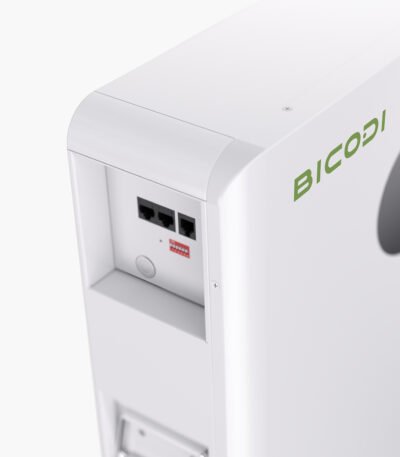
BICODI BD048200P10 10kWh 48V 200Ah LiFePO4 Battery
Original price was: ₦1,960,000.00.₦1,950,000.00Current price is: ₦1,950,000.00.Store Solar Power for Later Use
The BICODI BD048200P10 10kWh 48V 200Ah LiFePO4 Battery provides a storage option for homes that use solar electricity. Instead of relying only on power generated at the moment, a compatible system can store surplus solar energy for later use. This can help households manage electricity demand during evenings and periods of low sunlight.
With approximately 10.24kWh of nominal energy, this battery can support selected loads according to the system design. However, actual backup duration depends on usable energy, inverter efficiency, and appliance consumption. For this reason, calculate your energy requirements before choosing a storage battery. <Cite refs={[“turn270425search0″,”turn270425search8”]}/>
Start by listing the appliances you want to operate during a power outage. Then, check their wattage and expected operating time. Lights, fans, routers, refrigerators, and other appliances have different energy requirements. You should also consider the inverter’s output rating and the starting power required by appliances with motors.
A properly configured system can help improve solar self-consumption and provide backup power when supported by the inverter. However, backup operation is not automatic in every installation. Confirm that your complete system supports the required backup function.
Charging, Discharging, and Inverter Compatibility
The BD048200P10 supports a maximum continuous charging and discharging current of 200A, according to the manufacturer’s specifications. Its standard continuous charge and discharge current is listed as 60A. Always confirm the recommended operating current in the latest datasheet and configure the inverter accordingly. <Cite refs={[“turn270425search0″,”turn270425search8”]}/>
The battery has a working voltage range of 42V to 58.4V. Therefore, the connected inverter must support this range and the battery’s LiFePO4 chemistry. The manufacturer lists compatibility with several inverter brands, including Victron, SMA, Growatt, GoodWe, Deye, Sofar, and Voltronic Power. However, compatibility depends on the exact inverter model and supported communication settings. <Cite refs={[“turn270425search0”]}/>
The battery also supports CAN and RS485 communication. These connections can help compatible equipment monitor battery information and coordinate charging. Before installation, verify the communication protocol and approved wiring arrangement.
Use correctly rated cables, circuit protection, and isolation equipment. In addition, follow the manufacturer’s installation instructions and applicable electrical regulations. A qualified installer can check the system before it begins operating.
A Flexible Solution for Residential Energy Storage
The BICODI BD048200P10 is suitable for consideration in residential solar systems that require substantial battery storage. Its 200Ah capacity can help store energy for later use, while its communication interfaces support integration with compatible equipment.
The manufacturer lists a 10-year warranty. Before purchasing, confirm the warranty conditions, exclusions, and local after-sales support with your supplier. Also, check the installation requirements because the battery weighs approximately 93.5kg. <Cite refs={[“turn270425search0″,”turn270425search8”]}/>
If you plan to add more batteries in the future, check the approved parallel configuration and the inverter’s maximum supported battery capacity. More storage can increase the amount of energy available, but it does not automatically increase inverter output power.
For better results, choose a battery system that matches your actual energy needs. Consider daily consumption, backup duration, solar panel production, and inverter capacity. With suitable equipment and professional installation, this battery can help create a flexible residential solar energy storage system.
BICODI BD048200R10 10kWh Rack-Mount Solar Battery
Original price was: ₦2,150,000.00.₦2,050,000.00Current price is: ₦2,050,000.00.Support Residential and Commercial Energy Needs
The BICODI BD048200R10 10kWh Rack-Mount Solar Battery is intended for customers looking for a dedicated energy storage option for a solar power system. A battery with an advertised 10kWh capacity may help support essential household appliances, lighting, communication equipment, and other compatible loads. In small commercial settings, stored energy may also support selected equipment during periods when solar production is limited.
The actual loads that a battery can operate depend on the inverter’s power rating, the battery’s permitted discharge current, and the electrical demand of the connected appliances. High-power devices may require a larger or specially designed system. Therefore, calculate the expected load and backup duration before selecting an inverter and battery combination.
Check Inverter Compatibility Before Installation
Battery and inverter compatibility is essential for safe, reliable operation. Before purchasing the BD048200R10, confirm its nominal voltage, operating voltage range, maximum charging current, maximum discharge current, and supported communication protocol. These values must match the requirements of the selected inverter.
Also, check whether the inverter supports the battery’s communication settings and battery management system. Some installations use CAN or RS485 communication, but the supported interface for this exact model must be verified. Incorrect settings can affect charging, discharging, monitoring, and system protection.
A qualified installer can help configure the equipment and confirm that the cables, circuit protection, and isolation devices are correctly sized. Proper installation can improve system reliability and help protect the battery and connected equipment.
Plan an Expandable Solar Energy System
A well-planned energy storage system should meet current electricity needs while allowing for future changes where supported. Before adding batteries in parallel, confirm the manufacturer’s permitted battery count, connection method, firmware requirements, and inverter limitations. Do not assume that multiple units can be connected simply because they share the same advertised capacity.
For the best results, review the official datasheet and warranty conditions for the exact BD048200R10 model. Confirm the usable energy capacity, cycle-life rating, temperature limits, protection features, certifications, and service requirements. These details help buyers compare products accurately and plan a suitable solar installation.
Whether used for household backup or a small commercial energy system, choosing the correct battery and matching it with compatible equipment is essential. With verified specifications and professional installation, a rack-mount battery can form part of an organised solar energy storage solution.
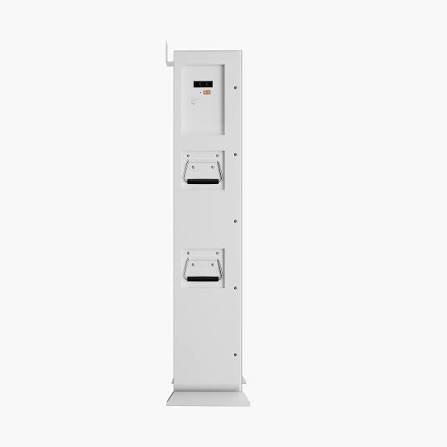
BICODI BD048300P16 16kWh 48V 300Ah Wall-Mounted LiFePO4 Battery
Original price was: ₦3,000,000.00.₦2,900,000.00Current price is: ₦2,900,000.00.Support Essential Household Appliances
The BICODI BD048300P16 16kWh 48V 300Ah Wall-Mounted LiFePO4 Battery can be part of a home energy system designed to support selected appliances during a power interruption. Depending on the complete system, stored energy may supply lighting, internet equipment, fans, refrigeration, and other compatible loads.
However, battery capacity alone does not determine how many appliances can operate at the same time. The inverter’s output rating and the battery’s permitted discharge current also affect performance. Appliances with electric heating elements, pumps, or compressors may have high starting or operating demands. Therefore, choose the inverter and battery configuration according to the actual loads.
To estimate backup duration, divide the usable battery energy by the total power consumption of the connected appliances. Allow for inverter losses and other system limitations. This calculation provides an estimate rather than a guaranteed runtime.
Check Voltage and Inverter Compatibility
Compatibility is essential when connecting a battery to a solar inverter. Although the product title describes a 48V battery, the manufacturer’s listing for the BD048300P16 gives a nominal voltage of 51.2V. This is a common nominal voltage designation for a low-voltage lithium battery system, but buyers should verify the exact model label and datasheet before installation.
Check the inverter’s supported battery voltage, charging current, discharge limits, and communication requirements. Also, confirm whether the battery supports CAN or RS485 communication and whether the selected inverter is compatible with its battery management system.
A qualified installer should configure the charging parameters according to the manufacturer’s instructions. Correct configuration helps prevent operating errors and supports safe charging and discharging. Never connect a battery to an inverter solely because both products are described as 48V-compatible.
Plan for Reliable Long-Term Operation
A successful solar storage installation begins with accurate energy planning. Review daily electricity use, expected backup duration, solar panel output, and the inverter’s rated power before purchasing equipment. These details help determine whether one battery is sufficient for the property.
It is also important to check the manufacturer’s warranty, supported operating temperatures, usable energy capacity, and cycle-life test conditions. If you intend to expand the storage system later, verify the permitted battery connection method and maximum supported number of units first.
For maintenance, follow the official instructions for inspection, cleaning, storage, and fault monitoring. Keep the installation within its specified operating conditions and use appropriate electrical protection. With compatible equipment and professional installation, the BICODI BD048300P16 can form part of a residential solar energy storage solution designed around the household’s electricity needs.