


BICODI BRAND

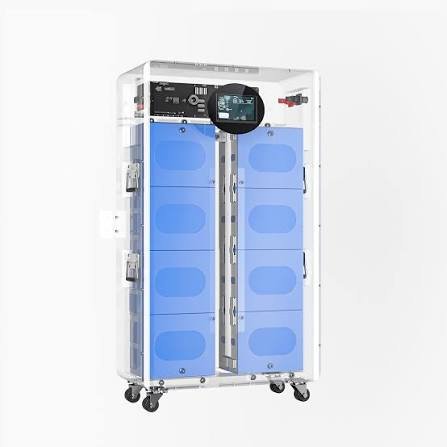
BICODI BD48314W16 16kWh Home Energy Storage Battery
Original price was: ₦3,100,000.00.₦3,000,000.00Current price is: ₦3,000,000.00.Support Essential Household Appliances
The BICODI BD48314W16 16kWh Home Energy Storage Battery can be considered for residential solar installations that require substantial stored energy. Depending on system design, a compatible battery and inverter combination can help power essential appliances when grid electricity is unavailable or solar production is low.
Potential backup loads include lighting, fans, internet routers, televisions, and refrigeration. However, not every appliance can run simultaneously on every battery system. The inverter’s power rating, battery discharge limits, and appliance starting currents all affect performance.
For better planning, calculate the total energy consumption of the appliances you want to operate during an outage. Then compare this figure with the battery’s verified usable capacity. Remember that inverter losses and battery operating limits can reduce the energy available to connected loads. This approach helps you choose a practical backup configuration rather than relying on capacity alone.
Check Inverter Compatibility Before Installation
Battery and inverter compatibility is essential for reliable solar energy storage. The related BICODI 16kWh product information lists a nominal voltage of 51.2V and communication options that include CAN and RS485. However, confirm these specifications for the exact BD48314W16 model before connecting equipment.
Check the inverter’s supported battery voltage, charging current, discharge current, and communication protocol. You should also verify whether the inverter manufacturer supports the battery’s communication settings. Incorrect configuration can affect monitoring, charging performance, and system protection.
A qualified installer can help configure the equipment and confirm that all electrical connections meet applicable safety requirements. Properly rated cables, suitable circuit breakers, isolation devices, and correct installation practices are important for safe operation.
Plan an Efficient and Expandable Energy System
A well-planned home energy storage system should match the property’s electricity needs. Before purchasing a battery, review daily consumption, solar panel output, inverter capacity, and the expected duration of backup power. These details help determine whether the advertised 16kWh capacity meets your requirements.
If you plan to expand the system later, check whether the exact battery model supports parallel connections and confirm the manufacturer’s maximum permitted configuration. Do not assume that every battery model supports the same expansion options.
You should also review the official datasheet for the warranty, operating temperature limits, usable energy, cycle-life conditions, dimensions, and certifications. These details help you compare storage products and make an informed purchase.
With compatible equipment and professional installation, a high-capacity home energy storage battery can help improve solar energy utilisation and provide greater flexibility in managing household electricity. Always verify the exact model specifications before finalising your system design.
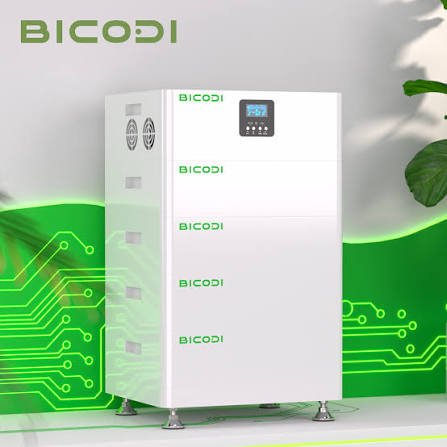
BICODI BDF048L05 5kWh Integrated Storage Battery
Original price was: ₦1,160,000.00.₦1,150,000.00Current price is: ₦1,150,000.00.Efficient Solar Charging and Backup Power
The BICODI BDF048L05 5kWh Integrated Storage Battery combines energy storage with inverter functionality for residential solar applications. Its integrated design helps simplify system planning by bringing key components together. This can be useful for homeowners who want a coordinated solar storage solution rather than sourcing every component separately.
For the matching BDF048L05-2205 configuration, the manufacturer lists a maximum photovoltaic input power of 5,500W and an MPPT voltage range of 120V to 500V. The optimal PV voltage range is listed as 300V to 400V. These figures help installers assess the solar array design, but the final panel arrangement must follow the inverter’s electrical limits. <Cite refs={[“turn584929search0”]}/>
During the day, solar electricity can supply available loads and charge the battery when conditions permit. When solar production falls, the system can use stored energy to support compatible appliances. If configured for backup operation, it may also provide power during a grid outage.
Backup capability does not mean every appliance can run at the same time. Check the continuous output rating, peak power limit, and starting current of equipment such as pumps, refrigerators, and air conditioners. Careful load planning helps avoid overloads and supports reliable performance.
Inverter Performance and System Compatibility
The matching integrated model has a rated AC output of 5,000W and a listed peak power of 10,000VA. Its AC output voltage options are 220V, 230V, and 240V, with a pure sine wave output. The manufacturer also lists a peak efficiency above 94%. Actual system efficiency varies with operating conditions and load. <Cite refs={[“turn584929search0”]}/>
The product information lists CAN/RS485 communication for the battery system and RS485/Wi-Fi communication options for system monitoring. The exact available interfaces may depend on the model configuration. Confirm the communication features and monitoring options with the supplier before ordering. <Cite refs={[“turn584929search0”]}/>
The integrated system also has specified limits for solar input, charging current, AC input, and output power. These must be respected when connecting solar panels, grid electricity, and household loads. Use the manufacturer’s wiring diagrams and approved protective devices.
Before purchase, verify that the product’s exact model number matches your quotation and datasheet. This is particularly important because the BDF048L05 product family includes different storage capacities and configurations.
A Practical Solution for Modern Homes
An integrated solar battery can help households use stored electricity more effectively and manage energy consumption. The 5kWh-class configuration is worth considering for selected residential loads, depending on daily energy use and backup requirements. It can also form part of a larger system when the manufacturer-approved configuration supports expansion.
The manufacturer lists a cycle life of at least 6,000 cycles for the matching model. It also identifies certifications including UN38.3, MSDS, UL1973, and IEC62619. Buyers should request the current certificates and verify which apply to the exact system being purchased. <Cite refs={[“turn584929search0”]}/>
To choose the right setup, first calculate the daily electricity consumption of the appliances you need to support. Next, determine the required backup duration and check the solar array’s expected output. Finally, confirm the inverter’s rated power, PV input limits, installation requirements, and warranty terms.
With verified specifications and professional installation, the BICODI BDF048L05 integrated storage system can help create a coordinated home solar solution. Its combined inverter and battery design offers a practical option for households seeking energy storage, solar charging, and backup power in one system.
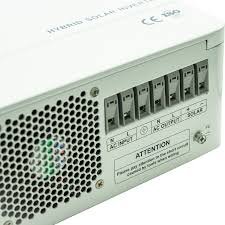
BICODI High Frequency Hybrid Inverter 1kW
Original price was: ₦190,000.00.₦180,000.00Current price is: ₦180,000.00.A Practical Option for Small Solar Systems
The BICODI High Frequency Hybrid Inverter 1kW is worth considering for users who want to explore solar energy for selected household needs. A suitable hybrid system can help coordinate solar generation, battery storage, and other supported power sources. The right configuration depends on the appliances you want to operate and the amount of electricity you use each day.
Support Solar and Battery Power
Solar panels can provide electricity during daylight hours. If the inverter supports battery charging, a compatible battery can store available energy for use when solar production decreases. This setup may help support essential appliances during periods with limited sunlight, depending on the system design.
Battery compatibility is especially important. Batteries have specific voltage requirements, charging limits, and communication protocols. Therefore, confirm that your chosen battery is supported by the exact inverter model.
Do not assume that every lithium or lead-acid battery is compatible. Follow the manufacturer’s instructions for battery selection and charging settings. Correct configuration helps support safe and reliable operation.
Understand Power Requirements
Before selecting a 1kW inverter, make a list of the appliances you plan to run together. Record their power consumption and estimate how many hours each device will operate. This information helps you determine whether the inverter and battery can meet your needs.
For example, lighting and networking equipment may require relatively little power. However, heating appliances, pumps, and other high-demand devices may exceed the available capacity. Some appliances also need extra starting power.
The BICODI High Frequency Hybrid Inverter 1kW should therefore be selected according to actual electrical demand rather than the product name alone. Confirm its continuous output rating and surge capability before connecting equipment.
Prepare for Safe Installation
A well-designed solar installation requires suitable wiring, protective devices, and correct grounding. The solar panels must operate within the inverter’s input limits, while the battery must match its supported voltage and charging requirements.
Before buying, also check the warranty, installation manual, local AC voltage compatibility, and available technical support. Ask the supplier whether the inverter supports off-grid operation, grid-connected operation, or both. These functions can vary between models.
Overall, the BICODI High Frequency Hybrid Inverter 1kW may suit a small solar energy project when its verified specifications match the intended use. Request the latest datasheet and consult a qualified installer to confirm compatibility before purchasing.

BICODI High Frequency Hybrid Inverter 2kW
Original price was: ₦270,000.00.₦260,000.00Current price is: ₦260,000.00.Flexible Energy for Small Solar Systems
The BICODI High Frequency Hybrid Inverter 2kW is worth considering for buyers planning a compact solar energy system. A suitable hybrid setup can coordinate solar generation, battery storage, and other supported power sources. The right configuration depends on the appliances you need to run, your daily electricity consumption, and your backup requirements.
Combine Solar Power and Battery Storage
Solar panels can supply electricity during daylight hours. If the inverter supports battery charging, a compatible battery may store available energy for use when solar production decreases. This can help support selected appliances during periods with less sunlight, depending on system capacity and operating conditions.
Battery compatibility is essential. Different batteries have specific voltage requirements, charging limits, and communication protocols. Therefore, confirm that the chosen battery is supported by the exact inverter model.
Do not assume that every lithium or lead-acid battery will work with this product. Follow the manufacturer’s battery recommendations and charging instructions. Correct configuration helps support safe operation and battery performance.
Understand Your Power Requirements
Before choosing a 2kW inverter, list the appliances you intend to operate at the same time. Record their power consumption and estimate how many hours each appliance will run. This helps you determine whether the inverter and battery can meet your requirements.
For example, lighting, routers, and small electronic devices generally require less power than heating appliances or motor-driven equipment. However, actual demand varies by device. Some appliances also need additional power when starting.
The BICODI High Frequency Hybrid Inverter 2kW should therefore be selected according to your actual load requirements. Confirm its continuous output rating and surge capability before connecting equipment.
Prepare for Safe Installation
A well-planned solar installation requires suitable wiring, grounding, and electrical protection. Solar panels must operate within the inverter’s input limits, while the battery must meet its supported voltage and charging requirements.
Before purchasing, check the warranty, installation manual, local AC voltage compatibility, and availability of technical support. Ask the supplier whether the exact model supports off-grid operation, grid-connected operation, or both. These functions can vary between models.
Overall, the BICODI High Frequency Hybrid Inverter 2kW may suit a small solar project when its verified specifications match the intended application. Request the latest datasheet and consult a qualified installer before making a final purchase decision.
BICODI High Frequency Hybrid Inverter 3kW
Original price was: ₦350,000.00.₦340,000.00Current price is: ₦340,000.00.A Practical Option for Residential Solar Systems
The BICODI High Frequency Hybrid Inverter 3kW is worth considering for users who want to explore solar power for selected household needs. A suitable hybrid system can coordinate solar generation, battery storage, and other supported power sources. The right setup depends on your daily electricity consumption, available sunlight, and backup requirements.
Combine Solar Energy and Battery Storage
Solar panels can provide electricity during daylight hours. If the inverter supports battery charging, a compatible battery may store available energy for use when solar production decreases. This can help support selected appliances when sunlight is limited, depending on the system’s capacity and configuration.
Battery compatibility is essential. Different batteries have specific voltage requirements, charging limits, and communication protocols. Therefore, confirm that your selected battery is supported by the exact inverter model.
Do not assume that every lithium or lead-acid battery will work with this product. Follow the manufacturer’s compatibility guidance and charging instructions. Correct configuration helps support safe operation and battery performance.
Understand Your Power Requirements
Before choosing a 3kW inverter, list the appliances you plan to operate at the same time. Record their power consumption and estimate how long each appliance will run. This helps you determine whether the inverter and battery can meet your needs.
Lighting, routers, and small electronic devices may require relatively little power. However, heating appliances and motor-driven equipment can place greater demands on the system. Some appliances also require extra power when starting.
Choose the BICODI High Frequency Hybrid Inverter 3kW according to your actual load requirements rather than its power rating alone. Confirm the continuous output rating and surge capability before connecting equipment.
Prepare for Safe Installation
A reliable solar installation requires suitable wiring, grounding, and electrical protection. Solar panels must operate within the inverter’s input limits, while the battery must meet its supported voltage and charging requirements.
Before purchasing, check the warranty, installation manual, local AC voltage compatibility, and availability of technical support. Ask the supplier whether the exact model supports off-grid operation, grid-connected operation, or both. These functions can vary between models.
Overall, the BICODI High Frequency Hybrid Inverter 3kW may suit a small residential solar project when its verified specifications match your intended application. Request the latest datasheet and consult a qualified installer before making a final purchase decision.

BICODI High Frequency Hybrid Inverter 5kW
Original price was: ₦530,000.00.₦520,000.00Current price is: ₦520,000.00.A Practical Choice for Residential Solar Systems
The BICODI High Frequency Hybrid Inverter 5kW is worth considering for users who want to explore solar energy and flexible power management. A suitable hybrid system can coordinate solar generation, battery storage, and other supported power sources. The right configuration depends on your daily electricity consumption, available sunlight, and backup requirements.
Combine Solar Generation and Battery Storage
Solar panels produce electricity during daylight hours. If the inverter supports battery charging, a compatible battery may store available solar energy for later use. This can help support selected appliances when solar production decreases, depending on system capacity and operating conditions.
Battery compatibility is essential. Different batteries have specific voltage requirements, charging limits, and communication protocols. Therefore, confirm that your selected battery is supported by the exact inverter model.
Do not assume that every lithium or lead-acid battery will work with this product. Follow the manufacturer’s compatibility guidance and charging instructions. Correct configuration helps support safe operation and battery performance.
Understand Operating Modes and Power Requirements
Before choosing a 5kW inverter, list the appliances you plan to operate together. Record their power consumption and estimate how long each appliance will run. This helps you determine whether the inverter and battery can meet your requirements.
Different hybrid inverters offer different operating modes. Some prioritize solar energy, while others can use supported battery or AC power sources according to configured settings. Confirm which modes the specific BICODI model provides before purchasing.
Also, check the continuous output rating and surge capacity. These specifications are important when running appliances with high startup demands. Proper load planning helps reduce the risk of overloads and interruptions.
Prepare for a Safe Installation
A reliable solar installation requires suitable wiring, grounding, and electrical protection. Solar panels must operate within the inverter’s input limits, while the battery must meet its supported voltage and charging requirements.
Before purchasing, check the warranty, installation manual, local AC voltage compatibility, and availability of technical support. Ask the supplier whether monitoring features or communication accessories are included.
Overall, the BICODI High Frequency Hybrid Inverter 5kW may suit a residential solar project when its verified specifications match your intended application. Request the latest datasheet and consult a qualified installer before making a final purchase decision.
BICODI High Frequency Hybrid Inverter 8kW
Original price was: ₦860,000.00.₦850,000.00Current price is: ₦850,000.00.A Practical Choice for Larger Solar Systems
The BICODI High Frequency Hybrid Inverter 8kW is worth considering for users planning a solar energy system with higher power requirements. A suitable hybrid setup can coordinate solar generation, battery storage, and other supported power sources. The right configuration depends on household consumption, available sunlight, and backup requirements.
Combine Solar Generation and Battery Storage
Solar panels produce electricity during daylight hours. If the inverter supports battery charging, a compatible battery may store available solar energy for later use. This can help support selected appliances when solar production decreases, depending on the system’s capacity and configuration.
Battery compatibility is essential. Different batteries have specific voltage requirements, charging limits, and communication protocols. Therefore, confirm that the selected battery is supported by the exact inverter model.
Do not assume that every lithium or lead-acid battery will work with this product. Follow the manufacturer’s compatibility guidance and charging instructions. Correct configuration helps support safe operation and battery performance.
Understand Operating Modes and Load Requirements
Before choosing an 8kW inverter, list the appliances you plan to operate together. Record their power consumption and estimate how long each appliance will run. This helps you determine whether the inverter and battery can meet your requirements.
Hybrid inverters may offer different operating modes for managing solar energy, batteries, and supported AC sources. However, these functions vary between models. Ask the supplier whether the specific BICODI inverter supports grid-connected operation, off-grid operation, or both.
Also, confirm the continuous output rating and surge capacity. These specifications matter when operating appliances with high startup demands. Proper load planning helps reduce the risk of overloads and unexpected interruptions.
Prepare for Safe and Reliable Installation
A reliable solar installation requires suitable wiring, grounding, and electrical protection. Solar panels must operate within the inverter’s input limits, while the battery must meet its supported voltage and charging requirements.
Before purchasing, review the warranty, installation manual, local AC voltage compatibility, and availability of technical support. If remote monitoring is important, confirm whether the inverter supports it and whether the required accessories are included.
Overall, the BICODI High Frequency Hybrid Inverter 8kW may suit a larger residential solar project when its verified specifications match your needs. Request the latest datasheet and consult a qualified installer before making a final purchase decision.
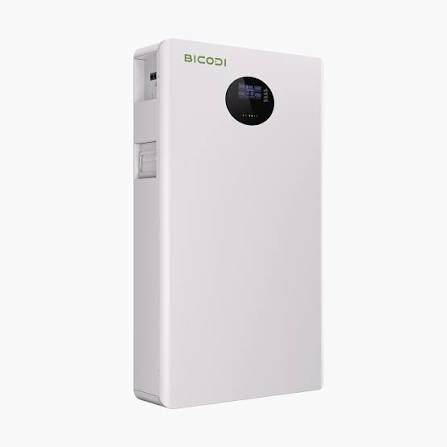
BICODI High Voltage 10kWh Wall-Mounted Storage Battery
Original price was: ₦2,400,000.00.₦2,300,000.00Current price is: ₦2,300,000.00.Space-Saving Battery Storage for Modern Homes
Support Flexible Household Energy Management
A home energy storage system can help manage changing electricity needs. Some appliances consume power throughout the day, while others are used mainly during the evening. Storing energy for later use can help align available electricity with household demand.
The BICODI High Voltage 10kWh Wall-Mounted Storage Battery is an option to investigate for projects that require a wall-mounted battery with a stated 10kWh capacity. When connected to a compatible system, it may store electricity and make that energy available through the appropriate inverter.
For solar-powered homes, this setup may improve the use of generated electricity. However, backup performance depends on the usable battery capacity, connected load, inverter efficiency, and the way the system is configured. Backup during a power outage also requires compatible equipment and suitable backup functionality.
Verify High-Voltage System Compatibility
Compatibility is essential when choosing a high-voltage battery. The inverter must support the battery’s voltage range and charging requirements. It may also need to communicate with the battery management system to monitor battery status and control charging and discharging.
Before purchasing the BICODI High Voltage 10kWh Wall-Mounted Storage Battery, request its official technical datasheet. Check the nominal and operating voltage, usable energy, maximum current, communication protocols, and supported inverter models. In addition, confirm the battery chemistry, protection features, and warranty terms with the supplier.
Do not select an inverter based on voltage alone. The manufacturer’s compatibility list and installation instructions should guide the final decision. A qualified solar installer can verify the system design, choose suitable cables and protective equipment, and configure the battery correctly.
Plan for Reliable Long-Term Use
Before choosing a battery, estimate your household’s energy needs. List the appliances you want to operate and calculate their expected electricity consumption. Then, consider how much stored energy you may need during periods of low solar production or a power interruption.
When comparing the BICODI High Voltage 10kWh Wall-Mounted Storage Battery with other storage products, review usable capacity, cycle-life ratings, warranty coverage, operating conditions, and available technical support. These factors help you assess the complete value of a storage solution rather than focusing on capacity alone.
You should also consider the installation location and any future changes to your solar system. A properly planned setup can make it easier to manage household energy requirements as they change.
For the best results, confirm the exact model specifications before ordering. Once the battery, inverter, and other components have been verified as compatible, professional installation can help create a practical and well-organised residential energy storage system.
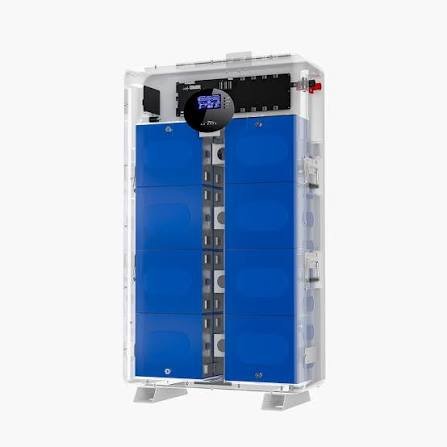
BICODI High Voltage 15kWh Wall-Mounted Storage Battery
Original price was: ₦3,200,000.00.₦3,100,000.00Current price is: ₦3,100,000.00.Flexible Energy Storage for Modern Properties
Support Changing Electricity Demand
Electricity consumption can vary considerably throughout the day. Refrigerators and essential equipment may operate continuously, while other appliances create higher demand at certain times. A battery storage system can help manage these changes by keeping energy available for later use.
The BICODI High Voltage 15kWh Wall-Mounted Storage Battery is an option to evaluate for energy storage projects that require a stated 15kWh capacity. When connected to a compatible charging source and inverter, the battery can form part of a system that stores electricity and supplies energy through the appropriate equipment.
For solar-powered properties, this setup may help make better use of electricity generated during daylight hours. In addition, a correctly configured system may support selected loads during a power interruption if the inverter and installation include the required backup functionality.
Actual performance depends on usable capacity, the appliances connected, conversion losses, and system configuration. For this reason, estimate your energy needs before choosing the battery.
Check High-Voltage Inverter Compatibility
High-voltage battery systems require careful component selection. The inverter must support the battery’s voltage range, charging requirements, and discharge limits. It may also need a compatible communication connection to monitor the battery management system and manage operation correctly.
Before ordering the BICODI High Voltage 15kWh Wall-Mounted Storage Battery, request the official technical datasheet. Confirm the nominal voltage, operating voltage range, usable energy, maximum current, communication protocols, and supported inverter models. Also check the battery chemistry, protection features, and warranty conditions.
Compatibility involves more than matching voltage labels. Different products can use different communication protocols and operating settings. Therefore, confirm compatibility with the battery manufacturer or authorised supplier before connecting the equipment.
Professional installation is recommended. A qualified installer can select appropriate cables, install protective devices, check the mounting location, and configure the system according to the manufacturer’s instructions and applicable electrical regulations.
Plan a Reliable Storage Solution
Choosing a battery starts with understanding your energy requirements. Estimate your average daily electricity consumption and identify which appliances need power when solar generation is low. Then, consider how much stored energy you need and whether your solar panels can recharge the battery as expected.
When comparing the BICODI High Voltage 15kWh Wall-Mounted Storage Battery with other products, review usable capacity, cycle-life ratings, warranty coverage, operating conditions, and available technical support. These details provide a clearer picture of long-term suitability than the capacity figure alone.
It is also useful to plan for future energy demand. However, any expansion must follow the manufacturer’s supported system design and compatibility requirements.
For a suitable installation, verify the exact model specifications and inverter compatibility before purchasing. With careful planning and the correct equipment, a wall-mounted battery can become a practical part of a residential energy storage system and help users manage electricity more flexibly.
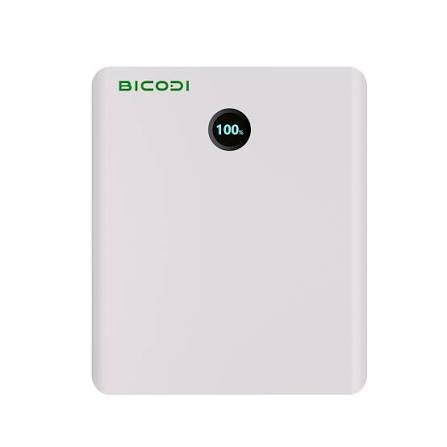
BICODI Home Backup Lithium Battery 48V 100Ah
Original price was: ₦1,051,000.00.₦1,050,000.00Current price is: ₦1,050,000.00.Compact Energy Storage for Residential Needs
The BICODI Home Backup Lithium Battery 48V 100Ah provides an energy storage option for homeowners who want greater flexibility when managing electricity. Its nominal voltage of 48V and capacity of 100Ah provide approximately 4.8kWh of nominal stored energy.
This capacity can support selected residential energy needs when connected to compatible equipment. For example, a solar-powered home may store surplus electricity during daylight hours and use it later when solar generation falls.
Battery storage can also help homeowners prepare for grid interruptions. When paired with a suitable inverter and properly configured backup equipment, the battery may supply electricity to selected household appliances during an outage.
However, the available runtime depends on the appliances being used and the amount of usable energy stored in the battery. Low-power devices generally consume less electricity than high-power appliances. Therefore, choosing which appliances to operate can make a difference to backup duration.
It is also important to distinguish between nominal capacity and usable capacity. Battery settings, discharge limits, and conversion losses affect how much energy reaches connected devices.
Before purchasing, review your daily electricity consumption and identify your essential backup loads. This will help you determine whether a 100Ah battery meets your needs.
Charging Compatibility and Battery Protection
A compatible charging setup is essential for effective battery performance. The BICODI Home Backup Lithium Battery 48V 100Ah must operate with charging equipment and an inverter that meet its documented electrical requirements.
First, confirm the exact battery chemistry and charging profile. These specifications help you select a compatible solar inverter or charger. Incorrect charging settings may affect battery performance and safety.
Next, review the battery management system and its available features. Depending on the configuration, it may monitor operating conditions and provide protection against specified charging or discharge limits. Confirm the actual functions with the supplier.
The inverter must also support the battery’s voltage and current requirements. In addition, its output rating should match the power demand of the appliances you intend to operate.
Proper installation is equally important. Follow the manufacturer’s instructions for cable sizing, electrical protection, mounting, and operating conditions. A qualified installer can help verify compatibility across the complete system.
Before buying, check the warranty, supported communication protocols, maintenance guidance, and installation requirements. These checks help you select suitable equipment for your home.
Flexible Solar Storage and Backup Applications
The BICODI Home Backup Lithium Battery 48V 100Ah may be suitable for residential solar energy storage and selected backup applications.
When connected to a compatible solar system, it can store available electricity for later use. This can help homeowners use more of their generated solar power instead of relying only on electricity produced at that moment.
During a power outage, a properly configured system may supply electricity to essential devices. Actual runtime depends on usable capacity, inverter efficiency, and total power consumption.
For example, running a few lights and a Wi-Fi router generally requires less energy than operating a refrigerator or other high-power appliance. Planning essential loads can therefore help make better use of the available battery capacity.
Homeowners should also consider whether the battery can support future expansion. If they plan to add more storage later, they should confirm compatibility and approved connection methods with the manufacturer.
Before installation, review the inverter specifications, charging requirements, warranty coverage, and expected energy needs. Confirm all technical details with the supplier.
With suitable equipment and professional installation, this 48V 100Ah battery can provide a useful option for smaller residential solar storage and backup power systems.
BICODI Home Backup Lithium Battery 48V 200Ah
Original price was: ₦1,960,000.00.₦1,950,000.00Current price is: ₦1,950,000.00.Practical Energy Storage for Residential Needs
The BICODI Home Backup Lithium Battery 48V 200Ah provides a storage option for homeowners who want to manage electricity more effectively. Its nominal voltage of 48V and capacity of 200Ah translate to approximately 9.6kWh of nominal energy storage.
This stored energy can support different residential applications when the battery is connected to compatible equipment. For instance, a solar-powered home may store excess electricity during daylight hours and use it later when solar generation falls.
Battery storage can also help homeowners prepare for grid interruptions. With a suitable inverter and correctly configured backup system, the stored electricity may power selected household appliances during an outage.
However, the battery’s capacity should match the property’s actual energy needs. Low-power devices generally consume less electricity than high-power appliances. Therefore, the number and type of connected loads affect how long the battery can provide power.
It is also important to distinguish nominal capacity from usable capacity. Discharge settings, conversion losses, and operating conditions affect the energy available for consumption.
Before purchasing, review your daily electricity usage and identify the appliances that need backup power. This process helps determine whether a 200Ah battery provides enough storage for your requirements.
Charging Compatibility and Battery Protection
A suitable charging arrangement is essential for a reliable battery storage system. The BICODI Home Backup Lithium Battery 48V 200Ah must be connected to equipment that meets its documented electrical specifications.
First, confirm the exact battery chemistry and required charging profile. These details help you select a compatible charger or solar inverter. Using equipment with unsuitable charging settings may affect battery performance and safety.
Next, check the battery management system and its supported functions. Depending on the configuration, it may monitor operating conditions and provide protection against excessive charging, discharge, or other specified limits. Confirm these features with the supplier rather than assuming they are included.
The inverter must also support the battery’s voltage and current requirements. In addition, its output rating should match the power needs of the appliances you intend to operate.
Proper installation is equally important. Follow the manufacturer’s instructions for cable sizing, electrical protection, mounting, and operating conditions. A qualified installer can help verify compatibility across the complete system.
Before buying, check the warranty, supported communication protocols, maintenance guidance, and installation requirements. These steps help you select the right equipment for your home.
Flexible Backup Power and Solar Applications
The BICODI Home Backup Lithium Battery 48V 200Ah may suit homes that need stored electricity for solar energy management or selected backup loads.
When integrated with a compatible solar system, it can store electricity for later use. This can help homeowners use more of their available solar energy instead of relying only on immediate solar production.
During a power outage, a properly configured system may supply electricity to essential appliances. Actual runtime depends on the usable battery capacity, inverter efficiency, and total connected load.
For example, running a few lights and a router generally requires less energy than operating several high-power appliances. As a result, prioritizing essential loads can help extend the available backup time.
The battery may also suit homeowners planning a residential energy storage installation. However, buyers should check whether the system supports future expansion and whether additional batteries can operate together safely.
Before installation, review your energy requirements, inverter specifications, warranty coverage, and charging options. Confirm all product details with the supplier.
With appropriate system design and professional installation, this 48V 200Ah battery can help provide flexible energy storage for residential solar and backup power applications.
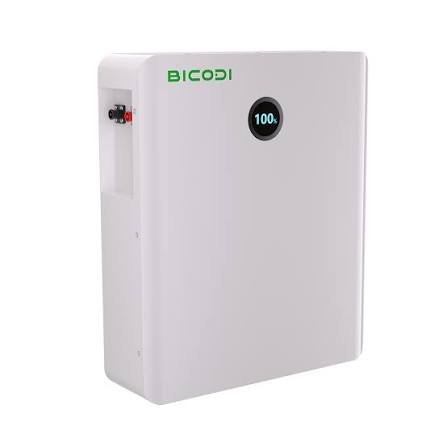
BICODI Home Backup Lithium Battery 48V 300Ah
Original price was: ₦2,910,000.00.₦2,900,000.00Current price is: ₦2,900,000.00.High-Capacity Battery Storage for Home Energy Needs
The BICODI Home Backup Lithium Battery 48V 300Ah offers an energy storage solution for residential power management. Its 48V nominal voltage and 300Ah capacity provide approximately 14.4kWh of nominal stored energy.
This capacity can help homeowners plan for backup electricity and improve the use of energy generated by compatible solar panels. Instead of relying only on electricity when it is produced, users can store available energy and use it later.
For instance, a solar-powered home may charge the battery during sunny hours. During the evening, the stored electricity can support selected appliances, depending on their power requirements and the available usable capacity.
The battery may also form part of a home backup arrangement. During a grid outage, a compatible system can supply electricity to designated loads. However, backup performance depends on the inverter, electrical controls, battery settings, and the appliances connected to the system.
Nominal energy capacity should not be confused with usable energy. Conversion losses and permitted discharge levels can reduce the amount of electricity delivered to appliances.
Therefore, review your household’s daily consumption before selecting a battery. This step helps determine whether the available storage capacity matches your requirements.
Compatible Charging and Battery Management
A suitable charging setup is essential for lithium battery performance. The BICODI Home Backup Lithium Battery 48V 300Ah must operate with compatible charging equipment and an inverter that meets its electrical requirements.
Buyers should confirm the exact battery chemistry and charging specifications before installation. These details determine the correct charging profile and help avoid incompatible equipment.
A battery management system, where included, can monitor operating conditions and provide protective functions. Depending on the model, it may also support communication with compatible inverters or monitoring equipment. Always check the actual features listed by the supplier.
Electrical compatibility involves more than voltage alone. The inverter and charger must also support the battery’s current limits and charging requirements. In addition, cables and protective devices must be correctly rated for the installation.
Proper installation is particularly important for a residential backup system. Follow the manufacturer’s instructions and applicable electrical safety standards. Professional installation can help ensure that the battery operates correctly within the complete power system.
Before purchasing, verify the warranty, supported communication protocols, installation requirements, and any recommended maintenance procedures.
Practical Uses for Backup and Solar Energy Systems
The BICODI Home Backup Lithium Battery 48V 300Ah may suit homes that need a larger reserve of stored electricity for everyday energy management.
For solar installations, it can store available electricity for later use when connected to a compatible system. This arrangement may improve solar self-consumption and help manage reliance on grid power during selected periods.
For backup applications, the battery can support designated household appliances when the inverter and other system components are configured for that purpose. The actual runtime depends on the energy consumed by the connected loads.
For example, lower-power appliances generally use less stored energy than high-power heating or cooking equipment. As a result, the number of appliances operating simultaneously can affect how long the battery lasts.
To estimate your backup requirements, list the appliances you need during an outage and calculate their expected energy consumption. Then compare the total with the battery’s usable capacity and the inverter’s output rating.
Also, confirm the battery’s maximum discharge current and the supplier’s recommended operating conditions. With the right equipment and installation, this 48V 300Ah battery can support a well-planned residential backup and solar energy storage solution.