


AFRICELL BRAND

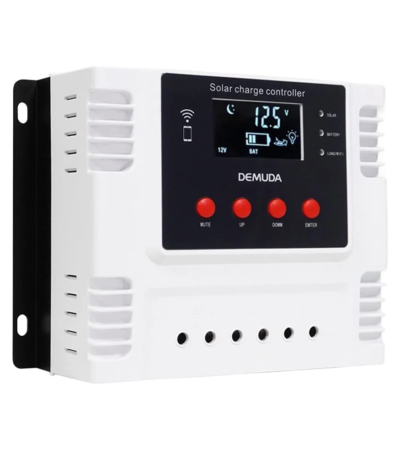
AFRICELL 60A MPPT Charge Controller 12V/24V/48V
Original price was: ₦79,000.00.₦78,000.00Current price is: ₦78,000.00.AFRICELL 60A MPPT Charge Controller 12V/24V/48V for Solar Power
Building a reliable solar system starts with selecting compatible equipment. The AFRICELL 60A MPPT Charge Controller 12V/24V/48V helps regulate battery charging in suitable solar installations. Its maximum power point tracking technology adjusts panel operation to make better use of available solar energy.
This 60A MPPT solar charge controller supports compatible 12V, 24V, and 48V battery systems. However, the actual operating range depends on the specific model’s technical specifications. Before installation, confirm the supported battery voltages, maximum solar input voltage, and permitted array power.
MPPT technology offers an advantage when solar panels operate at a higher voltage than the battery requires. The controller converts available panel power into appropriate charging output within its limits. Consequently, it can often deliver better energy harvesting than a comparable PWM controller.
Actual results depend on sunlight, panel temperature, battery state, and system configuration. Therefore, careful planning helps you get the most from your solar equipment.
Practical Solar Charging and Power Control
The AFRICELL 60A MPPT Charge Controller 12V/24V/48V can support compatible solar systems in homes, offices, shops, and off-grid locations. It helps manage the electrical connection between solar panels and batteries. In addition, MPPT tracking can improve charging performance under favorable operating conditions.
Its 60A rating provides a useful starting point when choosing a controller. Nevertheless, charging current alone does not determine suitability. You must also check the maximum PV input voltage and the solar wattage permitted at each supported battery voltage.
Some controllers include protection against overcharging, overloads, short circuits, and reverse polarity. However, you should verify the exact protections available on this model rather than assume every feature comes standard.
For safer installation, use suitable cables and correctly rated protective
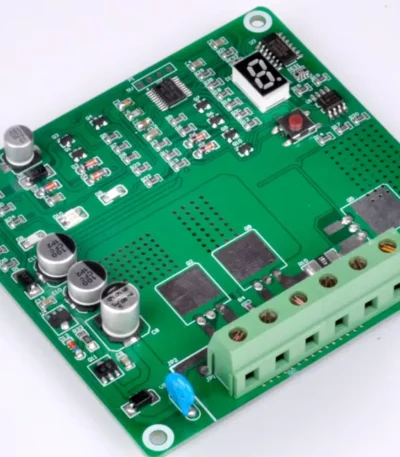
AFRICELL 60A PWM Charge Controller LCD display
Original price was: ₦29,000.00.₦28,000.00Current price is: ₦28,000.00.AFRICELL 60A PWM Charge Controller LCD Display for Solar Power
Managing solar battery charging starts with selecting the right equipment. The AFRICELL 60A PWM Charge Controller LCD display offers a practical option for compatible solar power systems. It regulates charging between solar panels and batteries, helping users manage their available solar energy.
This 60A PWM solar charge controller is designed for applications that need a suitable charging current of up to its rated capacity. However, actual performance depends on the complete installation. Battery voltage, panel specifications, temperature, and operating conditions all affect system suitability.
The LCD screen provides a convenient way to check available system information. Depending on the model, the display may show battery voltage, charging activity, or other operating readings. Therefore, users can monitor basic conditions during normal operation.
For households, small businesses, and off-grid users, a compatible controller helps organize solar charging. In addition, selecting the right equipment can reduce the risk of mismatched components. Always check the product specifications before connecting panels or batteries.
Practical Features for Everyday Solar Charging
The AFRICELL 60A PWM Charge Controller LCD display supports straightforward charging management in appropriately designed solar installations. Its PWM charging method regulates the connection between the solar array and the battery. As a result, it offers a simple alternative to more advanced charging technologies.
The controller’s 60A rating helps identify its intended charging-current range. Nevertheless, users should never select a controller based on amperage alone. You must also confirm the maximum solar input voltage and the battery system’s nominal voltage.
Some versions may provide protection against overcharging, overloads, short circuits, or reverse polarity. However, these functions are not guaranteed for every model. Check the supplied manual or technical specifications to confirm which safeguards the product supports.
Installation quality also matters. Use suitable cable sizes, secure electrical connections, and follow the recommended connection sequence. Furthermore, keep the controller in a clean, dry, and adequately ventilated location that meets the manufacturer’s requirements.
These steps help reduce avoidable installation problems. They also make routine inspection easier. If you are unfamiliar with solar electrical systems, ask a qualified installer to complete the setup safely.
Improve Your Solar System Selection and Performance
Choosing the AFRICELL 60A PWM Charge Controller LCD display begins with understanding your energy requirements. First, identify your battery type and voltage. Next, calculate the expected solar charging current and check the panel voltage against the controller’s limits.
A 60A PWM solar charge controller can be suitable for compatible systems. However, larger charging capacity does not automatically mean better efficiency. PWM controllers typically work best with panels designed to match the battery charging voltage. By comparison, MPPT controllers can extract more available power under suitable conditions.
Before buying, review the screen functions, protection features, terminal layout, and supported battery settings. Also, verify the physical dimensions and installation requirements if space is limited. These checks help you choose equipment that fits your existing setup.
After installation, inspect connections regularly and monitor the displayed readings. Replace damaged cables and address unusual operating conditions promptly. In addition, follow the battery manufacturer’s charging recommendations to support battery performance.
With suitable components and correct installation, this controller can provide practical charging management for an appropriate solar system. Careful selection helps you make better use of your equipment and maintain a more dependable solar power setup.
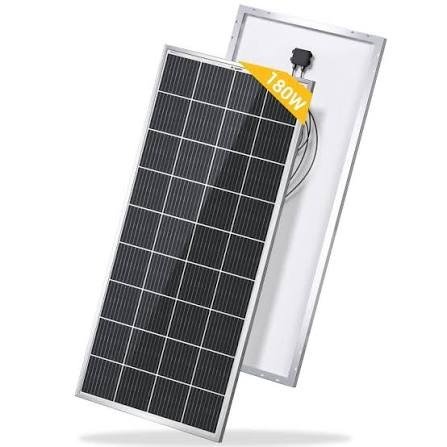
AFRICELL 650W GL-MONO-650W Monocrystalline Solar Panel
Original price was: ₦146,000.00.₦145,000.00Current price is: ₦145,000.00.AFRICELL 650W GL-MONO-650W Monocrystalline Solar Panel
The AFRICELL 650W GL-MONO-650W Monocrystalline Solar Panel is advertised for customers looking for a photovoltaic module for home, business, or larger solar energy installations. Its stated 650-watt capacity makes it an option to compare when planning a solar array or evaluating modules for a new project. Before selecting this panel, confirm that its actual electrical specifications meet your system requirements.
AFRICELL’s official website lists the product under model GL-MONO-650W. However, the published electrical figures appear inconsistent with the advertised power rating, so obtain the latest manufacturer datasheet and confirm the exact model with your supplier. <Cite refs={[“turn150003search0″,”turn150003search1”]}/>
A Solar Energy Solution for Different Applications
Photovoltaic panels generate electricity from sunlight. A suitable module can contribute to residential rooftop systems, commercial installations, industrial projects, and off-grid applications. When connected to compatible equipment, the electricity produced can support selected appliances or contribute to a larger solar power system.
The actual output depends on sunlight availability, weather, temperature, shade, panel direction, installation angle, and electrical losses. The 650W rating refers to peak power under standard test conditions, rather than guaranteed output throughout the day. A professional installer can estimate expected energy production based on local sunlight and your electricity requirements.
Before choosing a solar panel, review your daily energy consumption and the space available for installation. Consider whether your system will use a grid-connected inverter, an off-grid inverter, or battery storage. Proper planning helps determine the number of panels needed and ensures that the complete system is designed around realistic energy expectations.
Monocrystalline Technology and Specification Checks
Monocrystalline photovoltaic cells convert sunlight into direct-current electricity. To assess a solar panel, buyers should review its maximum power voltage, maximum power current, open-circuit voltage, short-circuit current, cell count, physical dimensions, weight, and maximum system voltage.
The AFRICELL GL-MONO-650W listing gives a 650W rating but specifies Vmp of 34.00V and Imp of 11.76A. Those values correspond to approximately 400W when multiplied. The page also lists a 120-cell configuration and dimensions of approximately 1722 × 1134 × 30 mm. These details should be checked against the exact product and its current datasheet before publication or installation. <Cite refs={[“turn150003search0”]}/>
A verified datasheet helps determine whether the panel can operate within the voltage and current limits of your inverter or charge controller. Never assume that a panel will work with a particular battery system based on its wattage alone.
Safe Installation and Purchase Advice
Before installing the AFRICELL 650W solar panel, confirm the exact output rating and all electrical specifications. The inverter must support the panel’s operating range and the array’s maximum voltage and current. If you plan to use several panels, a qualified installer should calculate the correct series or parallel configuration.
Series wiring increases the combined voltage, while parallel wiring increases the combined current. The completed array must remain within the equipment manufacturer’s limits. Use secure mounting hardware, compatible connectors, correctly rated cables, and appropriate electrical protection.
Before ordering, ask the supplier to confirm the model number, cell configuration, rated power, warranty coverage, product condition, and included accessories. Compare these details with the manufacturer’s datasheet and the label on the supplied panel.
The AFRICELL 650W GL-MONO-650W Monocrystalline Solar Panel is marketed for solar energy projects. Verifying its technical specifications and system compatibility before purchase helps you make a more informed choice and plan a reliable installation.
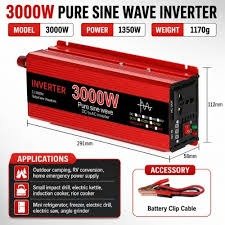
AFRICELL 7.5KVA Commercial Hybrid Inverter 48V
Original price was: ₦621,000.00.₦620,000.00Current price is: ₦620,000.00.AFRICELL 7.5KVA Commercial Hybrid Inverter 48V
The AFRICELL 7.5KVA Commercial Hybrid Inverter 48V is an option to consider when planning a solar power system for a business or commercial property. AFRICELL Solar officially lists a 7.5KVA Commercial Usage Inverter. However, the product page does not provide enough technical detail to independently verify the advertised 48V battery configuration or all hybrid operating features. Request the exact model datasheet before purchasing.
A commercial solar inverter helps manage electricity for connected equipment according to its supported functions. When configured with compatible solar panels and battery storage, a suitable hybrid system can help businesses use solar energy and provide backup for essential loads.
Solar Power for Commercial Energy Needs
Solar energy can help meet daytime electricity demand in offices, shops, and other suitable business premises. A compatible inverter manages the available solar power according to its specifications and the installed system design.
Check whether the exact AFRICELL model includes built-in MPPT charging. If it does, confirm the maximum solar input voltage, MPPT operating range, maximum permitted PV array power, and charging current. These values help determine the correct solar panel arrangement.
Actual solar production depends on sunlight, weather, shading, panel orientation, and installation quality. A professional installer can assess your energy consumption and estimate the solar capacity required for your business.
Correct system sizing is especially important for commercial environments where several devices may operate simultaneously. Planning the system around essential loads can help ensure that the selected inverter and battery bank meet the intended requirements.
48V Battery Storage and Backup Planning
The advertised 48V battery specification should be confirmed with the seller. If supported by the exact model, a compatible battery bank can store energy for use when solar production decreases or utility power becomes unavailable.
Battery capacity determines how much energy can be stored, while the connected load influences how quickly that energy is consumed. Computers, lighting, security equipment, and networking devices may have different backup requirements from pumps, refrigerators, or air-conditioning systems.
Before choosing a battery, confirm its voltage, chemistry, charging profile, and permitted current. Lithium batteries may also require communication with the inverter’s battery management system. Always follow the approved compatibility list and manufacturer instructions.
Check the inverter’s rated watt output, continuous power limit, surge capacity, and overload protection. A 7.5KVA rating does not automatically mean that the unit can continuously deliver 7.5kW of usable power.
Business Applications and Installation Advice
Once its specifications are verified, the AFRICELL 7.5KVA Commercial Usage Inverter may be considered for suitable commercial solar and backup installations. Potential applications depend on the actual output rating and may include selected office equipment, lighting, computers, communication devices, and other compatible loads.
Before purchase, request the official datasheet and confirm the exact model number, AC output specifications, solar charging features, 48V battery compatibility, protection functions, warranty, and service availability.
The complete installation should use suitable cables, correctly rated breakers or fuses, and proper grounding. A qualified solar technician should check the electrical load, panel configuration, battery capacity, and all compatibility requirements.
Verifying these details helps you select an appropriate system for your business and reduces the risk of unexpected performance or installation problems.
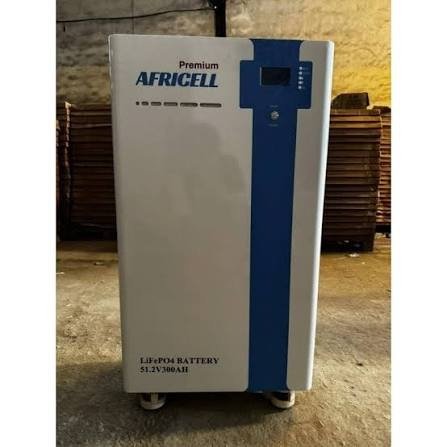
AFRICELL 7.68KWh Lithium Battery System 48V
Original price was: ₦1,840,000.00.₦1,820,000.00Current price is: ₦1,820,000.00.# AFRICELL 7.68kWh Lithium Battery System 48V for Energy Storage
Planning a reliable energy storage system starts with understanding your power needs. The AFRICELL 7.68kWh Lithium Battery System 48V is an option to evaluate for compatible solar installations and backup power applications. Its stated capacity gives you a useful starting point when comparing energy storage products.
However, capacity is only one part of the decision. You should also consider inverter compatibility, charging requirements, expected power consumption, and the manufacturer’s installation guidance.
## Discover the AFRICELL 7.68kWh Lithium Battery System 48V
This product is identified by a 7.68kWh energy rating and a 48V system designation. These details can help you compare it with other battery systems for your project.
A compatible battery system stores electricity and makes it available when needed, within its specified operating limits. For example, a solar installation may charge the battery during periods of generation. The stored energy can then supply connected equipment when the system requires it.
For accurate planning, confirm the product ratings and features in the official datasheet.
## Applications for Compatible Battery Systems
The AFRICELL 7.68kWh Lithium Battery System 48V may be considered for different applications when the manufacturer’s specifications support the intended use.
### Solar Energy Storage
A compatible battery can store electricity generated by a solar system. This allows the system to make stored energy available when solar production falls. The inverter, charger, and battery must work together correctly for the installation to operate as intended.
### Home Backup Power
Energy storage can help power selected household equipment during a mains electricity interruption. However, the backup duration depends on the connected loads and the energy available for use. Therefore, calculate your expected consumption before choosing a battery.
### Residential Energy Management
Homes have different energy needs. Some require storage for selected appliances, while others need a system designed around a broader range of loads. Compare your usage patterns with the verified battery specifications before deciding.
### Small Commercial Installations
Businesses may consider battery storage for suitable equipment and selected electrical loads. In these situations, assess the required runtime, charging opportunities, and total power demand. This approach helps you determine whether the system fits the application.
## Understand Storage Capacity and Runtime
The stated capacity is 7.68kWh. Before using this figure to plan an installation, confirm whether it represents nominal or usable energy in the manufacturer’s documentation.
Actual runtime varies with energy consumption, inverter efficiency, discharge settings, and operating conditions. A high-power appliance can use stored energy faster than a low-power device. As a result, the battery’s headline capacity alone cannot guarantee a specific number of backup hours.
Use verified technical information to estimate how much energy your equipment needs.
## What to Check Before Purchasing
Review these details before ordering:
– Confirm the system voltage and rated energy capacity.
– Check compatibility with your inverter and charging equipment.
– Review recommended charging settings and discharge limits.
– Confirm any required battery communication or monitoring features.
– Verify installation dimensions, weight, and electrical protection requirements.
– Follow the manufacturer’s installation guidance and local regulations.
These checks can help you avoid compatibility problems and plan a suitable energy storage setup.
## Make an Informed Energy Storage Decision
The AFRICELL 7.68kWh Lithium Battery System 48V is worth comparing if you need storage for a compatible power system. Its stated capacity helps you start evaluating options for solar energy storage or backup power.
Ultimately, the right choice depends on your energy consumption, charging source, installation conditions, and equipment requirements. Check the official datasheet before purchasing. Careful planning helps you select a suitable battery system and set realistic expectations for its performance.
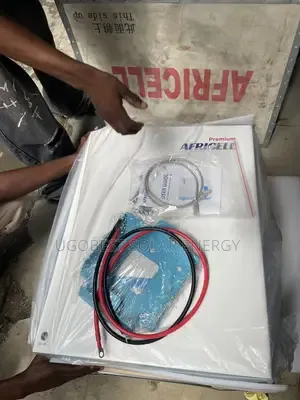
AFRICELL 7.68KWh Lithium Battery System 48V
Original price was: ₦1,830,000.00.₦1,820,000.00Current price is: ₦1,820,000.00.# AFRICELL 7.68kWh Lithium Battery System 48V for Energy Storage
Planning a reliable energy storage system starts with understanding your power needs. The AFRICELL 7.68kWh Lithium Battery System 48V is an option to evaluate for compatible solar installations and backup power applications. Its stated capacity gives you a useful starting point when comparing energy storage products.
However, capacity is only one part of the decision. You should also consider inverter compatibility, charging requirements, expected power consumption, and the manufacturer’s installation guidance.
## Discover the AFRICELL 7.68kWh Lithium Battery System 48V
This product is identified by a 7.68kWh energy rating and a 48V system designation. These details can help you compare it with other battery systems for your project.
A compatible battery system stores electricity and makes it available when needed, within its specified operating limits. For example, a solar installation may charge the battery during periods of generation. The stored energy can then supply connected equipment when the system requires it.
For accurate planning, confirm the product ratings and features in the official datasheet.
## Applications for Compatible Battery Systems
The AFRICELL 7.68kWh Lithium Battery System 48V may be considered for different applications when the manufacturer’s specifications support the intended use.
### Solar Energy Storage
A compatible battery can store electricity generated by a solar system. This allows the system to make stored energy available when solar production falls. The inverter, charger, and battery must work together correctly for the installation to operate as intended.
### Home Backup Power
Energy storage can help power selected household equipment during a mains electricity interruption. However, the backup duration depends on the connected loads and the energy available for use. Therefore, calculate your expected consumption before choosing a battery.
### Residential Energy Management
Homes have different energy needs. Some require storage for selected appliances, while others need a system designed around a broader range of loads. Compare your usage patterns with the verified battery specifications before deciding.
### Small Commercial Installations
Businesses may consider battery storage for suitable equipment and selected electrical loads. In these situations, assess the required runtime, charging opportunities, and total power demand. This approach helps you determine whether the system fits the application.
## Understand Storage Capacity and Runtime
The stated capacity is 7.68kWh. Before using this figure to plan an installation, confirm whether it represents nominal or usable energy in the manufacturer’s documentation.
Actual runtime varies with energy consumption, inverter efficiency, discharge settings, and operating conditions. A high-power appliance can use stored energy faster than a low-power device. As a result, the battery’s headline capacity alone cannot guarantee a specific number of backup hours.
Use verified technical information to estimate how much energy your equipment needs.
## What to Check Before Purchasing
Review these details before ordering:
– Confirm the system voltage and rated energy capacity.
– Check compatibility with your inverter and charging equipment.
– Review recommended charging settings and discharge limits.
– Confirm any required battery communication or monitoring features.
– Verify installation dimensions, weight, and electrical protection requirements.
– Follow the manufacturer’s installation guidance and local regulations.
These checks can help you avoid compatibility problems and plan a suitable energy storage setup.
## Make an Informed Energy Storage Decision
The AFRICELL 7.68kWh Lithium Battery System 48V is worth comparing if you need storage for a compatible power system. Its stated capacity helps you start evaluating options for solar energy storage or backup power.
Ultimately, the right choice depends on your energy consumption, charging source, installation conditions, and equipment requirements. Check the official datasheet before purchasing. Careful planning helps you select a suitable battery system and set realistic expectations for its performance.
AFRICELL 800W Solar Flood Light
Original price was: ₦136,000.00.₦135,000.00Current price is: ₦135,000.00.The AFRICELL 800W Solar Flood Light offers outdoor illumination using solar energy. It may suit gardens, driveways, entrances, courtyards, and commercial spaces. Check brightness, battery capacity, solar panel specifications, operating time, weather resistance, and included accessories before purchasing to ensure suitable lighting coverage for your intended outdoor application.

AFRICELL 80A MPPT Charge Controller high-efficiency
Original price was: ₦119,000.00.₦118,000.00Current price is: ₦118,000.00.AFRICELL 80A MPPT Charge Controller for Solar Power Management
A dependable solar setup starts with equipment that matches your energy requirements. The AFRICELL 80A MPPT Charge Controller high-efficiency model helps regulate battery charging in compatible solar installations. Its maximum power point tracking technology adjusts panel operation to make better use of available solar energy.
This 80A MPPT solar charge controller suits systems designed around its rated charging current and electrical limits. However, users must verify the exact model specifications before installation. Battery voltage, solar input voltage, and permitted panel wattage all influence compatibility.
MPPT technology offers an advantage when solar panels operate at a higher voltage than the battery requires. The controller converts available panel power into suitable charging output within its operating range. Consequently, it can often collect more energy than a comparable PWM controller.
Actual efficiency depends on sunlight, panel temperature, battery condition, and equipment quality. Therefore, selecting compatible components helps you achieve better overall system performance.
Practical Features for Battery Charging and Control
The AFRICELL 80A MPPT Charge Controller high-efficiency model provides a practical approach to managing solar battery charging. Its current rating helps buyers assess whether the controller suits their intended installation. In addition, MPPT tracking can improve energy harvesting under favorable conditions.
Nevertheless, current capacity is only one selection factor. You must check the maximum PV input voltage and permitted solar array power for the chosen battery configuration. These limits help prevent electrical overload and compatibility problems.
Depending on the exact model, a controller may include protections against overcharging, overloads, short circuits, or reverse polarity. However, do not assume every protection comes standard. Review the product manual to confirm the available safety functions.
Installation also requires careful planning. Use correctly rated cables and secure electrical connections. Furthermore, follow the manufacturer’s wiring sequence and ventilation requirements. If you are unfamiliar with solar equipment, ask a qualified installer to complete the setup.
Improve Your Solar Energy System with Suitable Equipment
The AFRICELL 80A MPPT Charge Controller high-efficiency model can be a useful option for compatible residential and off-grid solar systems. Its MPPT technology helps optimize solar energy collection, while the 80A rating provides a reference for charging capacity.
Before ordering, review battery compatibility, supported charging voltages, maximum PV input voltage, and permitted panel wattage. Also, check whether the controller supports your battery’s chemistry and required charging profile.
An 80A MPPT solar charge controller must match the complete electrical design. For example, solar panels can produce higher open-circuit voltage during cold weather. Therefore, calculate the array’s maximum expected voltage and keep it below the controller’s stated limit.
After installation, inspect cables and terminals regularly. Monitor battery performance and address unusual readings promptly. In addition, protect the unit from moisture, dust, and excessive heat according to the manufacturer’s instructions.
With proper sizing and maintenance, a suitable MPPT controller can help manage solar charging effectively. Careful equipment selection also reduces compatibility risks and supports dependable power management over time.
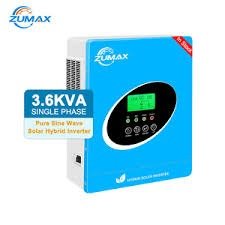
AFRICELL 8KVA Hybrid Inverter 48V pure sine wave
Original price was: ₦692,000.00.₦690,000.00Current price is: ₦690,000.00.AFRICELL 8KVA Hybrid Inverter 48V Pure Sine Wave
The AFRICELL 8KVA Hybrid Inverter 48V Pure Sine Wave is advertised as an inverter option for solar energy management and backup power. It may be worth considering for a home, office, or suitable business installation when the confirmed specifications match the property’s electrical requirements.
A hybrid inverter can coordinate energy from compatible solar panels, batteries, and utility electricity, depending on its design. This flexibility can help users manage available solar power and supply electricity to selected appliances during interruptions. A well-planned installation also considers daily energy use, battery storage, and the amount of solar power available.
The exact AFRICELL 8KVA/48V model has not been confirmed in the manufacturer’s currently available online catalogue. Obtain the official datasheet before relying on its advertised capacity, battery voltage, or other technical features.
Clean Power with Pure Sine Wave Technology
Pure sine wave output is an important feature to check when selecting an inverter for modern electrical equipment. When the output voltage and frequency are suitable, a compatible inverter can power devices such as computers, televisions, routers, lighting, and fans.
However, the waveform alone does not determine how many appliances the inverter can run. The rated output in watts, continuous load limit, and surge capacity are equally important. Appliances with motors or compressors may require additional starting power.
For this model, confirm the pure sine wave specification, AC output voltage, frequency, continuous watt rating, and overload protection. These details help you determine whether the inverter is appropriate for your intended loads.
48V Battery Storage and Solar System Compatibility
The advertised 48V configuration should be verified before choosing a battery bank. A compatible battery can store energy for use when solar production is low or utility power is unavailable, provided the inverter supports the required operating mode.
Battery backup time depends on usable battery energy, connected load, system efficiency, and battery condition. Choose the battery capacity according to the devices you need to operate and the length of backup required.
If you plan to connect solar panels, confirm whether the inverter includes MPPT charging. Check the maximum PV input voltage, operating range, maximum solar array capacity, and charging current. Also verify supported battery chemistry and charging settings, particularly when using lithium batteries.
A qualified technician should ensure that the battery, solar array, cables, circuit protection, and grounding meet the manufacturer’s requirements.
Practical Applications and Purchase Advice
Once its specifications are verified, the AFRICELL 8KVA Hybrid Inverter may be evaluated for suitable residential or commercial solar installations. Possible loads include lighting, office equipment, fans, and other compatible appliances, depending on actual power demand.
Before purchasing, request the official datasheet and confirm the exact model number, rated output, output waveform, battery voltage, solar charging features, warranty, and local service availability. Ask whether monitoring accessories and communication cables are included or sold separately.
Do not select solar panels or batteries based only on the product title. Match all components to the verified inverter limits and your energy requirements.
Confirming these details before purchase helps you plan a safer, more practical solar power system and avoid compatibility problems.
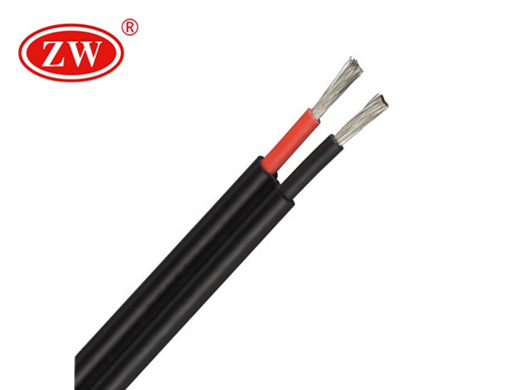
AFRICELL Battery Management System 48V Smart BMS
Original price was: ₦86,000.00.₦85,000.00Current price is: ₦85,000.00.The AFRICELL Battery Management System 48V Smart BMS supports monitoring and protection for compatible battery storage systems. Depending on its specifications, it may monitor voltage, current, and temperature. Check battery chemistry, current limits, cell configuration, and communication compatibility before purchase to support safe integration with your energy storage equipment.
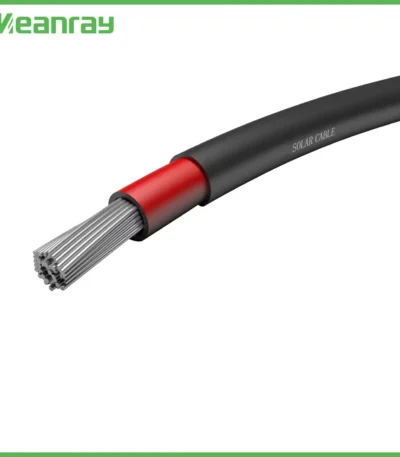
AFRICELL CAN Communication Module for Battery Integration
Original price was: ₦33,000.00.₦32,000.00Current price is: ₦32,000.00.The AFRICELL CAN Communication Module for Battery Integration supports data exchange between compatible battery systems and connected equipment. It helps streamline communication, system monitoring, and integration. Check the supported CAN protocol, wiring, voltage, and device compatibility before installation to ensure proper operation and a suitable connection for your application.
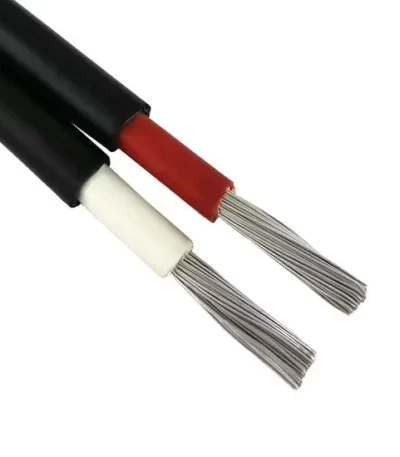
AFRICELL DC Isolator Switch 1000V Solar Disconnect
Original price was: ₦13,000.00.₦12,000.00Current price is: ₦12,000.00.The AFRICELL DC Isolator Switch 1000V Solar Disconnect provides circuit isolation for compatible photovoltaic systems. Its 1000V rating suits applications that meet the switch’s technical specifications. Check current capacity, pole configuration, and installation requirements before purchase. Always follow electrical safety procedures and manufacturer guidance during installation, operation, and maintenance.