


AFRICELL BRAND

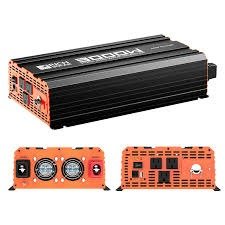
AFRICELL 20KVA Hybrid Inverter Three-Phase
Original price was: ₦2,230,000.00.₦2,200,000.00Current price is: ₦2,200,000.00.AFRICELL 20KVA Hybrid Inverter Three-Phase
The AFRICELL 20KVA Hybrid Inverter Three-Phase listing is aimed at customers looking for solar power equipment for larger residential, commercial, or industrial projects. A properly selected three-phase hybrid inverter can form part of an energy system designed to use solar generation, compatible battery storage, and other supported electricity sources. The correct choice depends on the property’s electrical supply, connected equipment, and required backup capacity.
The exact AFRICELL 20KVA three-phase model has not been confirmed in the manufacturer’s currently available online catalogue. Buyers should therefore request a model-specific datasheet and written confirmation from the supplier before relying on this product title or planning an installation.
A Solar Energy Solution for Business Needs
Businesses often need a dependable electricity supply for lighting, computers, refrigeration, pumps, machinery, and other equipment. Three-phase power is commonly used for facilities with suitable three-phase loads. An appropriately sized inverter can help convert solar electricity into usable power for compatible equipment, subject to the system’s design and specifications.
Hybrid inverter functions vary by model. Some units support battery charging and discharging, while others may provide grid integration, generator support, or backup power outputs. These capabilities must be verified for the exact AFRICELL unit rather than assumed from the product category.
When evaluating the advertised 20KVA rating, remember that kVA measures apparent power, while kW measures real power. The amount of usable power depends on the inverter’s specified power factor and output limits. Buyers should also check surge capacity and overload performance when the system will operate equipment with high startup demands.
Confirm Electrical and Battery Specifications
Before selecting a three-phase inverter, confirm the nominal AC voltage, frequency, phase arrangement, continuous output, and permitted load conditions. These specifications must match the site’s electrical installation and the equipment being powered. If the facility has a particular three-phase configuration, have an electrician verify that the proposed inverter is suitable.
Battery requirements are equally important. Ask the supplier to identify the supported battery voltage, compatible battery chemistries, charging and discharging limits, and communication requirements. Never assume that a particular battery voltage is supported solely because another inverter in the same product family uses it.
For solar panels, request the maximum PV voltage, maximum permitted solar input power, MPPT voltage range, and input current limits. These values determine the correct panel arrangement and help prevent electrical incompatibility. If you need remote monitoring, grid support, generator input, or a backup output, verify those features in the official documentation.
Safe Installation and Informed Purchasing
Before purchasing the AFRICELL 20KVA Hybrid Inverter Three-Phase, obtain the official datasheet, installation instructions, warranty details, and information about technical support. Confirm the exact model code and ask the supplier to clarify the rated output in both kVA and kW. This is particularly important for commercial projects where equipment requirements and operating costs can be substantial.
A qualified electrical installer should assess the connected loads, cable sizing, protective devices, earthing, ventilation, and integration with the existing distribution board. The installer should also check the battery bank and solar array against the manufacturer’s stated limits. Correct planning helps support safe operation and avoids selecting equipment that cannot meet the site’s requirements.
This product description is intended to help buyers research a possible three-phase solar solution without making unsupported performance claims. Verify the exact model and all essential specifications before placing an order. With suitable equipment, a carefully designed solar array, compatible storage, and professional installation, a solar power system can be planned around a facility’s real energy needs.

AFRICELL 24V 100Ah Lithium Battery LiFePO4
Original price was: ₦440,000.00.₦420,000.00Current price is: ₦420,000.00.24V 100Ah LiFePO4 Lithium Battery for Backup Power
The 24V 100Ah LiFePO4 lithium battery provides a rechargeable energy storage option for compatible backup power and off-grid solar systems. The AFRICELL 24V 100Ah Lithium Battery LiFePO4 uses lithium iron phosphate chemistry, which is widely used in applications that require repeated charging and discharging.
Its nominal voltage is 24V, while its stated capacity is 100Ah. Multiplying these values gives an approximate nominal energy rating of 2,400Wh. However, usable energy can vary according to the product’s specifications, operating conditions, discharge limits, and system efficiency.
This battery may suit compatible solar installations and backup applications. To support dependable performance, select suitable charging equipment and ensure the battery can supply the required electrical load.
Store Solar Energy for Later Use
A 24V 100Ah LiFePO4 lithium battery can store energy generated by compatible solar panels. When solar production decreases, stored energy can supply connected devices within the battery’s rated limits. This can be useful for selected off-grid installations and backup power systems.
Backup duration depends on the total power consumption of connected equipment. Appliances that use more electricity will drain the battery faster. Therefore, estimate your daily energy requirements before choosing the storage capacity for your system.
A compatible solar charge controller regulates the charging process. Confirm that it supports LiFePO4 chemistry and the battery’s required charging voltage. These checks help ensure that the battery and solar equipment work together correctly.
Rechargeable Power with LiFePO4 Chemistry
Lithium iron phosphate batteries are commonly used in energy storage products because of their stable chemistry and potential for extended cycle life. Their performance depends on correct charging, suitable operating temperatures, and compliance with manufacturer limits.
Compared with many traditional lead-acid batteries, lithium batteries may offer a lighter design and useful energy storage characteristics. Nevertheless, specifications vary between products. Check the official AFRICELL documentation for verified capacity, weight, operating limits, and warranty details.
Also, confirm the capabilities of the battery management system, if included. Protection against overcharging, excessive discharge, overcurrent, and temperature conditions should be verified from the official product documentation rather than assumed.
Choose the Right Battery for Your Solar Setup
The AFRICELL 24V 100Ah Lithium Battery LiFePO4 may suit compatible solar storage, backup equipment, and off-grid installations. Before buying, compare the battery’s electrical ratings with your system requirements.
Check the continuous discharge current, charging voltage, recommended charging current, terminal type, dimensions, and warranty. In addition, ensure your inverter and charge controller use settings suitable for this battery chemistry.
If you plan to expand your energy storage with multiple batteries, confirm that the manufacturer permits series or parallel connections. A qualified installer can help determine appropriate wiring and protective devices.
Overall, the 24V 100Ah LiFePO4 lithium battery is an option for users who need rechargeable energy storage for a compatible solar or backup power system. Reviewing the official specifications before purchase helps ensure the battery fits your energy requirements.
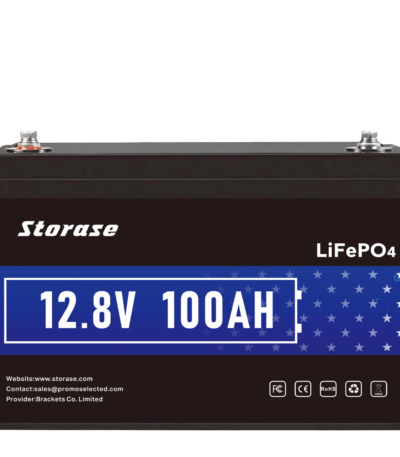
AFRICELL 24V 200Ah Lithium Battery LiFePO4
Original price was: ₦782,000.00.₦780,000.00Current price is: ₦780,000.00.AFRICELL 24V 200Ah LiFePO4 Battery for Solar Storage
## A Practical Battery for Energy Storage
The AFRICELL 24V 200Ah lithium battery is an energy storage option for systems designed to use a compatible LiFePO4 battery. Its lithium iron phosphate chemistry is commonly used in solar storage and backup applications. As a result, it may be worth considering for suitable residential or commercial installations. Always confirm the product’s exact specifications before making a purchase.
Battery capacity is an important part of choosing a storage system. The 200Ah rating describes electrical capacity, but it does not tell you exactly how long your appliances will run. Runtime also depends on the battery’s nominal voltage, usable capacity, load demand, inverter losses, and operating limits. Therefore, list the appliances you want to power and estimate their energy consumption first.
## Support for Compatible Solar Installations
A suitable battery can store energy for use when solar panels produce less power. For example, a solar system may charge the battery during periods of generation and use stored energy later. This can help a properly sized installation manage changing energy needs. However, the results depend on the solar array, inverter, charge settings, battery limits, and daily consumption.
Before connecting the AFRICELL battery, verify that the inverter supports the battery’s chemistry and voltage range. Check its charging voltage, current limits, communications requirements, and any approved operating modes. Never assume that a 24V label guarantees compatibility. Follow the manufacturer’s instructions and use a qualified technician for installation.
## Why Consider LiFePO4 Battery Chemistry?
Lithium iron phosphate is a type of lithium battery chemistry used in many energy storage products. It is often chosen for its potential cycle life and stable performance when operated within its specified limits. Nevertheless, service life varies with temperature, charging practices, discharge depth, and the quality of the complete system. Actual performance must be assessed using the manufacturer’s published data.
A battery management system may provide protection against conditions such as overcharging, excessive discharge, or high current. However, the available functions vary by product. Check the AFRICELL datasheet to confirm which protections, monitoring options, and communication features are included with this model.
## Check Specifications Before You Buy
The AFRICELL 24V 200Ah LiFePO4 battery may be an option for a system that needs a compatible 24V-class battery with a 200Ah capacity rating. To make an informed decision, ask the supplier to confirm nominal voltage, rated energy, recommended charging current, continuous discharge limit, dimensions, warranty, and cycle-life conditions.
Finally, compare these details with your inverter and expected power demand. Use the correct charger and cables, install suitable electrical protection, and follow the official safety instructions. These steps help you choose a battery that fits your application and supports reliable system operation over time.
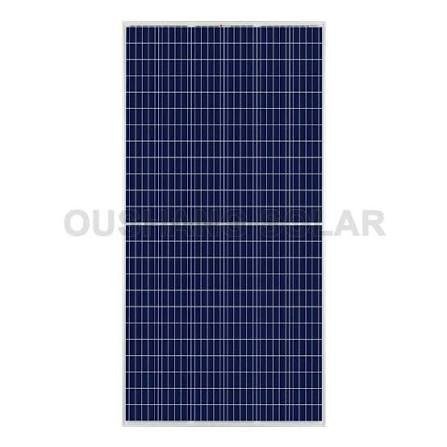
AFRICELL 250W Monocrystalline Solar Panel 24V solar module
Original price was: ₦48,000.00.₦47,000.00Current price is: ₦47,000.00.AFRICELL 250W Monocrystalline Solar Panel 24V Solar Module
Explore solar energy for your power needs with the AFRICELL 250W Monocrystalline Solar Panel 24V Solar Module. This product is advertised as a 250-watt solar panel for compatible photovoltaic installations. It may be an option for small solar projects where the panel’s verified electrical ratings meet the system’s requirements.
Solar panels convert sunlight into electricity without requiring conventional fuel. However, their output changes with sunlight conditions, temperature, shading, and installation angle. Checking these factors helps you choose a suitable panel for your energy needs.
Practical Choice for Solar Energy Projects
A 250W solar module can contribute to smaller solar energy systems. Depending on sunlight availability and the complete system design, it may help charge a compatible battery or supply electricity to selected equipment through suitable components.
Potential applications include off-grid lighting, small backup power systems, and other installations with moderate energy demands. However, the panel’s rated power does not guarantee a constant 250W output throughout the day. Actual production depends on the available sunlight and operating conditions.
For effective energy collection, install the panel in a location with good exposure to sunlight. Reduce shading where possible and use appropriate mounting hardware. Regular inspection and cleaning, following the manufacturer’s recommendations, can also help maintain suitable operating conditions.
Monocrystalline Design and Electrical Compatibility
Monocrystalline solar panels use photovoltaic cells to generate electricity from sunlight. They can be integrated into residential, commercial, and off-grid systems when their specifications match the connected equipment. The AFRICELL 250W panel should be assessed using its confirmed model number and technical datasheet.
A typical battery-based solar installation may include a solar charge controller, battery bank, inverter, cables, and electrical protection. Each component must have appropriate ratings. The controller must support the panel’s voltage and current, while its battery settings must match the battery manufacturer’s requirements.
The “24V” description does not confirm that the panel’s operating voltage is exactly 24 volts. A panel’s voltage at maximum power and open-circuit voltage are separate specifications. These values are important when selecting a controller and deciding how many panels can be connected in series or parallel.
Before installation, check the panel’s electrical ratings, connectors, mounting dimensions, and cable requirements. Follow the manufacturer’s instructions and use a qualified installer if you need assistance with system design or wiring.
Confirm Product Details Before Ordering
Before buying the AFRICELL 250W Monocrystalline Solar Panel, request its exact model number and datasheet from the seller. AFRICELL’s official catalogue currently displays several monocrystalline panel ratings but does not clearly confirm a 250W variant. Therefore, do not assume that specifications from another manufacturer’s 250W panel apply to this product. <Cite refs={[“turn275312search3″,”turn275312search5”]}/>
Confirm the rated power, voltage at maximum power, operating current, open-circuit voltage, short-circuit current, dimensions, connector type, and warranty terms. Also check whether the panel is suitable for your intended 24V battery system and selected charge controller.
For safe operation, use suitable wiring and protective equipment. Never exceed the electrical limits of the controller or other connected components. Avoid connecting the panel directly to a battery without an appropriate charging arrangement.
The AFRICELL 250W Monocrystalline Solar Panel is worth considering for a compatible solar energy project once its specifications are verified. Confirm the exact product with your supplier, then select supporting equipment that meets your installation and energy requirements.
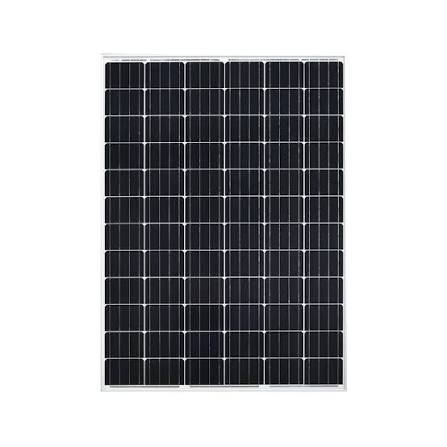
AFRICELL 250W Monocrystalline Solar Panel 24V solar module
Original price was: ₦48,000.00.₦47,000.00Current price is: ₦47,000.00.AFRICELL 250W Monocrystalline Solar Panel 24V Solar Module
Explore solar energy for your power needs with the AFRICELL 250W Monocrystalline Solar Panel 24V Solar Module. This product is advertised as a 250-watt solar panel for compatible photovoltaic installations. It may suit smaller solar projects where the verified electrical ratings meet the system’s requirements.
Solar panels generate electricity from sunlight without conventional fuel. However, actual performance depends on weather, sunlight exposure, temperature, shading, and installation angle. Checking these factors helps you plan a solar system that meets your energy needs.
A Practical Option for Solar Energy Projects
A 250W solar panel can contribute to a small solar installation when its output matches the intended application. Depending on sunlight availability and system design, it may help charge a compatible battery or provide energy to selected equipment through suitable electrical components.
Possible applications include off-grid lighting, small backup power systems, and other installations with moderate energy demands. However, the panel will not necessarily produce its rated power throughout the day. Actual output changes with operating conditions and available sunlight.
To improve solar collection, choose a location with good sunlight exposure and minimal shading. Install the panel with suitable mounting hardware and keep its surface clean according to the manufacturer’s recommendations. Correct installation helps the system make better use of available sunlight.
Monocrystalline Design and Electrical Compatibility
Monocrystalline photovoltaic cells convert sunlight into direct-current electricity. These panels are used in many solar installations, but their suitability depends on their specifications and the requirements of the connected equipment.
For the AFRICELL 250W model, verify the exact product variant before selecting accessories. A typical battery-based installation may include a solar charge controller, battery, inverter, cables, and protective devices. The controller must support the panel’s voltage and current, while its charging settings must match the battery manufacturer’s requirements.
The “24V” label does not confirm that the panel’s operating voltage is exactly 24 volts. The voltage at maximum power and open-circuit voltage are separate electrical ratings. These figures matter when choosing a controller and planning series or parallel connections.
Before installation, check the module’s dimensions, connector type, cable requirements, and mounting arrangement. Use appropriately rated wiring and protective equipment. If the system design is unclear, seek assistance from a qualified solar technician.
Confirm the Exact Model Before Ordering
Before purchasing the AFRICELL 250W Monocrystalline Solar Panel, request its model number and technical datasheet. AFRICELL’s official catalogue currently displays several monocrystalline panel ratings but does not clearly list a 250W variant. This means the exact product and its electrical specifications should be verified with the seller. <Cite refs={[“turn811848search2″,”turn811848search4”]}/>
Ask for the rated power, voltage at maximum power, operating current, open-circuit voltage, short-circuit current, dimensions, connector details, and warranty information. Confirm that the panel is suitable for the intended 24V battery system and selected charge controller.
Also check the controller’s maximum photovoltaic input voltage and the permitted configuration for multiple panels. Never exceed the electrical limits of connected equipment or connect the panel directly to a battery without suitable charging control.
The AFRICELL 250W Monocrystalline Solar Panel is worth considering for a compatible solar energy project once its specifications are confirmed. Verify the product details, choose appropriate supporting equipment, and follow the manufacturer’s instructions for a properly planned installation.
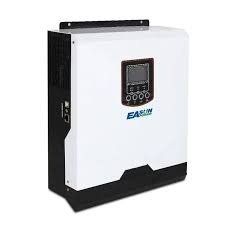
AFRICELL 3.5KVA Hybrid Inverter 24V MPPT inverter
Original price was: ₦286,000.00.₦285,000.00Current price is: ₦285,000.00.AFRICELL 3.5KVA Hybrid Inverter 24V MPPT
Looking for a solar inverter for your home or small business? The AFRICELL 3.5KVA Hybrid Inverter 24V MPPT is listed here as a solar power and battery backup solution to consider for a suitable installation. A hybrid inverter can help manage energy from different sources, allowing compatible solar panels, batteries, and utility electricity to work together according to the unit’s supported operating modes.
The advertised 3.5KVA rating and 24V battery configuration should be verified against the manufacturer’s documentation before purchase. AFRICELL’s currently available online product listing identifies other inverter capacities, so the exact 3.5KVA model and its specifications require confirmation. This is especially important when selecting solar panels, batteries, and protective equipment.
Efficient Solar Charging and Energy Use
An inverter with an integrated MPPT solar charge controller can track the solar array’s operating point to make better use of available sunlight. This can help manage solar charging as environmental conditions change throughout the day. However, actual energy production depends on the solar panels, weather, installation angle, shading, and system configuration.
For this advertised model, confirm the MPPT voltage range, maximum permitted solar input voltage, supported PV array capacity, and maximum charging current. These specifications determine which panel combinations are appropriate. Matching the array to the manufacturer’s limits is essential for safe operation and reliable performance.
A properly designed solar system can reduce reliance on utility electricity when sunlight and stored energy are available. The amount of energy saved will depend on household consumption, the solar array’s output, battery capacity, and the system’s operating settings.
Battery Backup and System Compatibility
The advertised 24V configuration indicates the battery voltage to investigate when checking this product. A compatible battery bank stores energy for use when solar generation is low or utility electricity is unavailable, provided the inverter supports that operating mode.
Battery selection should consider usable energy capacity, charging voltage, maximum charge and discharge current, and battery chemistry. If you intend to install a lithium battery, check the supported battery models and charging profile. Some systems also require communication between the battery management system and the inverter.
Backup duration varies with the connected load and usable battery energy. Lights and small electronic devices generally consume less power than heating appliances, pumps, or air conditioners. Check the continuous output rating and surge capacity before connecting appliances with high starting currents.
For a safe installation, use suitable cables, correctly rated circuit protection, proper grounding, and the manufacturer’s recommended installation procedure. A qualified technician can assess your actual power requirements and help select compatible components.
Suitable Uses and Important Buying Advice
Depending on its verified output rating and operating features, a hybrid inverter may serve selected household loads, a small office, lighting circuits, fans, computers, and other compatible equipment. It should not be assumed that every appliance can operate simultaneously simply because the product is advertised as 3.5KVA.
Before buying, request the official AFRICELL datasheet and confirm the model number, rated wattage, output waveform, AC voltage, PV input limits, charging current, battery compatibility, warranty terms, and local after-sales support. Also ask whether Wi-Fi monitoring or other communication features are included or optional.
The AFRICELL 3.5KVA Hybrid Inverter 24V MPPT can be considered for a planned solar backup setup once its identity and specifications are verified. Confirming these details first helps avoid compatibility problems and supports a more dependable solar installation.
AFRICELL 300W Monocrystalline Solar Panel high-efficiency PV module
Original price was: ₦69,900.00.₦69,500.00Current price is: ₦69,500.00.AFRICELL 300W Monocrystalline Solar Panel High-Efficiency PV Module
Generate electricity from sunlight with the AFRICELL 300W Monocrystalline Solar Panel. This photovoltaic module is designed for compatible solar power installations in residential, commercial, and off-grid environments. Its 300W rated output provides a useful starting point for planning a solar system around your electricity requirements.
AFRICELL lists the GL-MONO-300W as a 300W monocrystalline panel. The published specifications include a 17% module efficiency rating, an anodised aluminium frame, and tempered front glass. Actual performance varies according to sunlight exposure, temperature, shading, and the installation setup. <Cite refs={[“turn168992search0”]}/>
A Practical Choice for Solar Power Systems
The AFRICELL 300W solar panel can contribute to a solar installation where its electrical ratings meet the requirements of the connected equipment. Depending on the design, it may supply power through a compatible inverter or help charge a battery through a suitable solar charge controller.
Possible applications include residential rooftops, small business installations, and off-grid energy projects. However, one panel may not generate enough energy to meet all the electricity needs of a property. Calculate the daily consumption of your appliances and consider the available sunlight before choosing the number of panels.
Panel placement is also important. Install the module in an area with good sunlight exposure and minimal shading. Use an appropriate mounting structure and secure the panel according to the manufacturer’s instructions. Regular inspection and suitable cleaning can help maintain its performance.
Monocrystalline Construction and Product Features
Monocrystalline solar cells convert sunlight into direct-current electricity. The AFRICELL GL-MONO-300W product listing specifies 120 cells, a 1722 × 1134 × 30 mm panel size, and a weight of 20.5 kg. It also lists tempered front glass, an anodised aluminium alloy frame, and an IP65-rated junction box. <Cite refs={[“turn168992search0”]}/>
These details help installers plan the mounting area, handling, and cable connections. Before purchase, confirm the exact model and ensure that the delivered product matches the advertised specifications.
A complete solar installation may include batteries, a charge controller, an inverter, cables, connectors, and protective equipment. Each component needs suitable electrical ratings. Correct mounting and wiring are essential for a dependable installation, while suitable access helps simplify inspection and maintenance.
Verify Electrical Ratings Before Buying
AFRICELL’s published specifications for the GL-MONO-300W include 300W peak power, 34.00V voltage at maximum power, 11.76A current at maximum power, 40.50V open-circuit voltage, and 12.58A short-circuit current. Use the latest datasheet to confirm these values for the specific panel you intend to purchase. <Cite refs={[“turn168992search0”]}/>
These ratings are especially important when selecting a charge controller or planning multiple-panel connections. Check the controller’s maximum photovoltaic input voltage and current limits. Also confirm that the selected battery and inverter are compatible with the planned system.
Do not connect the panel directly to a battery without an appropriate charging arrangement. Use suitable cables, connectors, and protective devices, and consult a qualified solar technician if you need assistance with installation.
The AFRICELL 300W Monocrystalline Solar Panel is worth considering for a compatible solar project. Verify the exact model, warranty, and specifications with your supplier before ordering so you can choose the right equipment for your energy requirements.
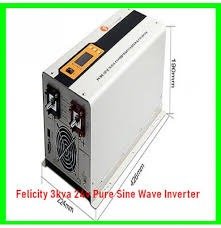
AFRICELL 30KVA Hybrid Inverter Three-Phase
Original price was: ₦3,610,000.00.₦3,600,000.00Current price is: ₦3,600,000.00.AFRICELL 30KVA Hybrid Inverter Three-Phase
The AFRICELL 30KVA Hybrid Inverter Three-Phase listing is intended for customers exploring solar energy systems for businesses, commercial buildings, and industrial projects. A well-planned solar installation can help a facility use electricity generated by solar panels and, when compatible storage is available, store energy for later use. Choosing the right inverter requires careful attention to output capacity, electrical configuration, battery compatibility, and solar input limits.
The exact AFRICELL 30KVA three-phase model could not be confirmed in the manufacturer’s currently available online catalogue. Buyers should request a model-specific datasheet from the supplier before relying on the advertised capacity or planning an installation.
Plan a Solar System Around Your Energy Needs
Commercial and industrial facilities can have varied electrical loads. Offices may need power for computers, lighting, and air conditioning, while workshops and production areas may operate pumps, compressors, refrigeration, and machinery. The total demand and the combination of loads determine which inverter is suitable.
A hybrid inverter converts DC electricity from solar panels into AC electricity for compatible equipment. Depending on its design, it may also coordinate battery charging and work with supported grid or generator inputs. These functions can help a solar installation manage its available energy, but the specific features must be verified for the selected model.
The 30KVA figure in the product title is an apparent-power rating, not proof of 30kW of continuous output. Check the actual rated power in watts, power factor, surge capability, and overload specifications. If your facility uses motors or other equipment with high startup currents, have an electrician assess those requirements before selecting the inverter.
Confirm Three-Phase, Battery, and PV Specifications
For a three-phase installation, verify the inverter’s nominal AC voltage, frequency, phase arrangement, and continuous output. The specifications must match the site’s electrical supply and the equipment being powered. Never assume that all three-phase inverters support the same voltage configuration or operate in the same way.
Battery requirements also need attention. Confirm the permitted battery voltage range, supported battery chemistry, maximum charge and discharge current, and any communication requirements. These details determine which battery systems can safely work with the inverter.
For the solar array, request the maximum PV voltage, maximum permitted solar input power, MPPT voltage range, and maximum input current. Use the official specifications to plan the number and arrangement of panels. If your project needs backup output, generator input, grid connection, or remote monitoring, confirm that each function is available on the exact model.
Installation, Safety, and Buying Advice
Before ordering the AFRICELL 30KVA Hybrid Inverter Three-Phase, ask the supplier for a model-specific datasheet, installation manual, warranty information, and details of technical support. Confirm the rated AC output, battery compatibility, photovoltaic limits, protection features, and installation requirements. Request written clarification of the exact model number and three-phase configuration.
A qualified electrical professional should assess the expected loads, cable sizing, protective devices, earthing, ventilation, and integration with the site’s distribution board. The solar array and battery bank should be designed to remain within the inverter’s specified limits. Careful planning can help reduce compatibility problems and support safe operation.
This description is intended to help buyers research a potential commercial solar solution without assuming unverified performance claims. Confirm the product specifications with the seller before purchase. The right equipment, professionally installed and matched to the facility’s needs, can form a useful part of a thoughtfully designed solar energy system.
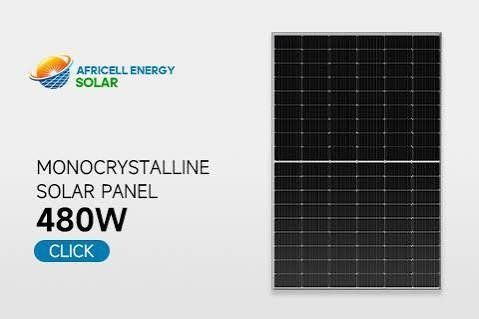
AFRICELL 320W Monocrystalline Solar Panel 72-cell panel
Original price was: ₦72,000.00.₦70,000.00Current price is: ₦70,000.00.AFRICELL 320W Monocrystalline Solar Panel 72-Cell Panel
Explore solar energy for your electricity needs with the AFRICELL 320W Monocrystalline Solar Panel. This product is advertised as a 320-watt photovoltaic module featuring 72 solar cells. It may be an option for compatible solar installations that need to convert sunlight into usable electrical energy.
Solar panels can contribute to residential, commercial, and off-grid energy systems. However, actual power generation depends on sunlight exposure, temperature, shading, installation angle, and the condition of the module. Check the product’s specifications before choosing it for your particular solar project.
Practical Solar Power for Different Applications
A 320W solar module can contribute to a small or medium-sized solar installation when the panel matches the system’s electrical requirements. Depending on available sunlight and supporting equipment, it may help charge a compatible battery or provide electricity through a properly designed solar setup.
Possible applications include off-grid lighting, small solar power projects, and selected household or business equipment. The right configuration depends on how much energy your appliances consume and how long they operate. For this reason, assess your daily electricity needs before deciding how many panels to install.
Panel placement also affects performance. Choose a location with good sunlight exposure and minimal shading. Secure the panel using suitable mounting hardware and follow the installation instructions supplied with the product. Regular inspection can help identify loose connections, surface dirt, or mounting issues.
Remember that rated wattage represents a specified test condition rather than guaranteed output throughout the day. Weather, temperature, shading, and system losses can reduce the electricity available in actual operating conditions.
Monocrystalline Cells and System Integration
Monocrystalline photovoltaic cells generate direct-current electricity when exposed to sunlight. The advertised 72-cell design identifies the panel’s cell count, but it does not independently confirm its voltage, efficiency, or dimensions. Use the exact datasheet to determine whether the module suits your installation.
A complete solar setup may include a solar charge controller, battery bank, inverter, wiring, connectors, mounting equipment, and protective devices. Each component must have suitable electrical ratings. The controller must accept the panel’s voltage and current, while its charging settings must match the battery manufacturer’s requirements.
Do not select a controller based only on the panel’s 320W rating. Check voltage at maximum power, open-circuit voltage, current at maximum power, and short-circuit current. These values help determine which equipment and panel connection arrangements are appropriate.
The panel should not be connected directly to a battery without a suitable charging arrangement. Use correctly rated cables and protective equipment, and ask a qualified technician to check the design if necessary.
Confirm the Exact Product Before Ordering
AFRICELL’s official catalogue currently lists several monocrystalline panel models, including 300W and 330W options, but does not clearly confirm a 320W model. A third-party seller advertises a 320W, 72-cell AFRICELL panel and identifies it as refurbished. Therefore, verify the exact product and its condition before purchase. <Cite refs={[“turn980485search1″,”turn980485search3″,”turn980485search5”]}/>
Ask the supplier for the model number, current datasheet, rated power, electrical ratings, dimensions, connector details, and warranty terms. Confirm whether the panel is new, used, or refurbished, and inspect its physical condition before installation.
Also ensure that the selected controller and inverter support the panel’s electrical characteristics. Use suitable mounting hardware and follow all manufacturer instructions.
The AFRICELL 320W Monocrystalline Solar Panel may be suitable for a compatible solar energy project once its specifications are confirmed. Verify the model, product condition, and electrical ratings before ordering so that the panel matches your system requirements.
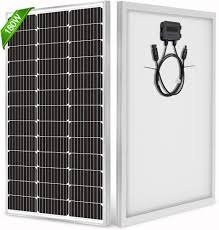
AFRICELL 330W Monocrystalline Solar Panel 72-cell PV module
Original price was: ₦74,000.00.₦72,000.00Current price is: ₦72,000.00.AFRICELL 330W Monocrystalline Solar Panel 72-cell PV Module
Looking for a solar panel for a home or business energy system? The AFRICELL 330W Monocrystalline Solar Panel is a photovoltaic module listed in AFRICELL’s solar product range. With a stated output rating of 330 watts, it can help form part of a solar installation designed to turn sunlight into useful electricity. It is worth considering for customers comparing solar panel options for new projects or system upgrades.
AFRICELL’s official product range includes a 330W monocrystalline solar panel. However, buyers should confirm that the exact model being supplied matches the advertised 72-cell configuration, since the official listing does not establish every technical detail. Request the manufacturer’s datasheet before finalising your purchase.
Key Features of the AFRICELL 330W Solar Panel
This panel is advertised with monocrystalline solar cell technology. Such technology is commonly used in photovoltaic installations for converting sunlight into electrical energy. The stated 330W rating provides a starting point for comparing panel output, but actual production depends on operating conditions and the complete system design.
A solar panel’s daily energy generation is affected by sunlight intensity, weather, temperature, shading, orientation, and installation angle. As a result, real-world output may be lower than the rated maximum. For a more accurate estimate, a solar installer can assess your location, roof space, daily energy consumption, and expected sunlight exposure.
Before ordering, check the product label and ask the seller to confirm the exact model number, cell count, dimensions, weight, electrical ratings, warranty, and product condition. These details help ensure that the delivered panel matches your expectations.
Applications for Homes and Businesses
A 330W photovoltaic module can be considered for various solar projects when its electrical specifications match the rest of the system. Potential applications include residential rooftop arrays, small business installations, and larger solar setups assembled from multiple compatible panels. The right configuration depends on the appliances being powered, the inverter capacity, the battery system, and the amount of available sunlight.
If you plan to use the panel with a battery, select a compatible solar charge controller or inverter with an integrated controller. The controller must support the panel’s voltage and current characteristics as well as the battery type. Do not assume that every 12V or 24V system is compatible based only on the panel’s wattage.
Installation, Compatibility, and Buying Advice
Correct installation helps improve performance and supports safe operation. Use a secure mounting structure, suitable weather-resistant connectors, correctly rated wiring, and appropriate electrical protection. Position the panel to reduce avoidable shade, and ask a qualified installer to determine the correct wiring arrangement for multiple modules.
For series connections, the combined voltage must remain within the inverter or controller’s permitted input range. For parallel connections, the combined current must also remain within equipment limits. The installer should account for voltage changes in cold conditions and follow the manufacturer’s installation instructions.
The AFRICELL 330W Monocrystalline Solar Panel may suit buyers seeking a solar module with a stated 330W rating. Before purchase, verify the 72-cell specification, full datasheet, warranty terms, and compatibility with your equipment. Choosing a confirmed model makes it easier to plan a dependable solar installation and avoid mismatched components.
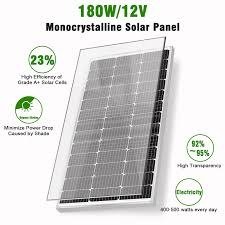
AFRICELL 350W Monocrystalline Solar Panel 24V PV module
Original price was: ₦76,000.00.₦75,000.00Current price is: ₦75,000.00.AFRICELL 350W Monocrystalline Solar Panel 24V PV Module
The AFRICELL 350W Monocrystalline Solar Panel 24V PV Module is advertised for customers looking to generate electricity from sunlight. With a stated 350-watt power rating, it can be part of a properly designed solar power system for homes, shops, offices, and other suitable applications. Its monocrystalline technology makes it relevant to buyers comparing photovoltaic modules for residential or commercial energy projects.
AFRICELL’s official product page lists a 350W monocrystalline model, identified as GL-MONO-350W. However, the published specifications list 120 cells and a maximum power voltage of 34.00V. These details do not confirm the advertised 72-cell, 24V configuration. Confirm the exact model and datasheet with your seller before purchasing. <Cite refs={[“turn339668search0″,”turn339668search11”]}/>
A Practical Option for Solar Energy Generation
Solar panels produce electricity when sunlight reaches their photovoltaic cells. The AFRICELL 350W panel can contribute to a solar installation designed to power compatible equipment or charge a suitable battery system. Its actual usefulness depends on your electricity needs, available sunlight, and the capacity of the other system components.
The rated 350W output is a standardised power rating rather than a promise of constant production. Sunlight intensity, clouds, shade, panel temperature, orientation, and installation angle can all influence the amount of electricity generated. For this reason, daily energy estimates should be based on local sunlight conditions and the intended installation.
Good installation practices can help support consistent operation. Choose a location with minimal shading, use a secure mounting structure, and follow the manufacturer’s instructions for cleaning and inspection. A qualified installer can also help estimate the number of panels required for your household or business.
Monocrystalline Technology and Electrical Specifications
Monocrystalline solar cells convert sunlight into direct-current electricity. When selecting a solar module, buyers should check its maximum power voltage (Vmp), maximum power current (Imp), open-circuit voltage (Voc), short-circuit current (Isc), dimensions, and maximum system voltage. These values help determine whether the panel suits the selected inverter or solar charge controller.
The advertised 24V label requires confirmation. A nominal 24V system description does not necessarily mean the panel operates at exactly 24 volts. The official AFRICELL GL-MONO-350W listing specifies a Vmp of 34.00V, so buyers should not assume that every AFRICELL 350W panel has identical electrical characteristics. <Cite refs={[“turn339668search0”]}/>
Ask the supplier to confirm the model number, cell count, voltage ratings, current ratings, panel condition, and warranty. Match these specifications with your inverter and battery system before connecting the equipment.
Installation and System Compatibility
This solar panel may be suitable for a residential rooftop, a small commercial installation, or a larger solar array when its verified specifications meet the system requirements. The correct configuration depends on the inverter’s maximum PV input voltage, MPPT operating range, current limits, and total permitted solar power.
Using multiple panels in series increases array voltage, while connecting them in parallel increases array current. Both arrangements must remain within the limits of the inverter or charge controller. Appropriate mounting hardware, compatible connectors, correctly rated cables, and suitable electrical protection are essential for a safe installation.
The AFRICELL 350W Monocrystalline Solar Panel is worth considering when comparing solar modules by rated power and cell technology. Before ordering, verify the exact 24V model, whether it is a 72-cell panel, the full manufacturer datasheet, and the warranty terms. This will help ensure that the product matches your solar project’s requirements.
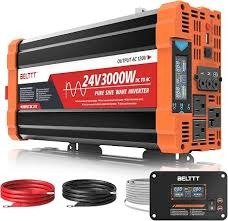
AFRICELL 3KVA Hybrid Inverter 24V pure sine wave
Original price was: ₦263,000.00.₦260,000.00Current price is: ₦260,000.00.AFRICELL 3KVA Hybrid Inverter 24V Pure Sine Wave
The AFRICELL 3KVA Hybrid Inverter 24V Pure Sine Wave is intended as a solar power solution for users seeking backup electricity and solar energy integration. A hybrid inverter can coordinate power from solar panels, a battery bank, and utility electricity, depending on the model’s design. It may be suitable for selected household or small-business loads when its confirmed capacity matches the appliances being used.
Before ordering, verify the exact model with the supplier. AFRICELL’s official website lists 5KVA residential and commercial hybrid inverters and larger commercial products, but does not currently confirm this specific 3KVA/24V model. The product’s detailed specifications should therefore be checked against its official datasheet. <Cite refs={[“turn557105search5”]}/>
Stable Power with Pure Sine Wave Output
Pure sine wave output is designed to provide AC electricity with a waveform similar to utility power. It is commonly used for electronic equipment and household appliances that require suitable AC power. Depending on its verified capacity, a 3KVA inverter may support lighting, fans, televisions, internet routers, computers, and other compatible devices.
The number and type of appliances that can operate together depend on the inverter’s continuous wattage, power factor, and surge capacity. Appliances with motors or compressors may require significantly more power when starting than during normal operation. Check both running and starting requirements before connecting a refrigerator, water pump, or similar equipment.
The 3KVA label describes apparent power, not necessarily 3,000 watts of usable continuous power. Ask the seller to confirm the actual rated wattage and peak surge capability. These figures help you determine whether the inverter can support your intended loads without frequent overloads.
24V Battery and Solar Charging Options
The 24V designation indicates the intended nominal battery system if it matches the actual model. Battery compatibility depends on the inverter’s supported chemistry, operating voltage range, charging profile, and current limits. Do not connect a battery until you have confirmed these requirements.
Some hybrid inverters include a built-in MPPT solar charge controller, allowing them to manage electricity from compatible solar panels. Other models may use different charging arrangements. Verify the controller type, maximum PV input voltage, permitted solar array wattage, MPPT operating range, and maximum charging current before purchasing panels.
A correctly configured system should use compatible cables, suitable circuit protection, proper grounding, and a battery bank designed for the required loads. A professional installer can calculate the appropriate battery capacity and solar array size based on your daily energy use and backup requirements.
Installation and Product Selection
The AFRICELL 3KVA Hybrid Inverter can be considered for a solar backup project once the exact model and specifications are confirmed. Start by listing the appliances you need to operate, their wattage, and how long they must run during an outage. This information helps establish the required inverter capacity and battery storage.
Check the manufacturer’s instructions for installation location, ventilation, cable sizing, battery connections, and protective equipment. The inverter should be installed in a suitable environment with enough airflow and access for maintenance. Electrical installation should be completed by a qualified professional.
Before purchase, confirm the product’s model number, rated output in watts, surge capacity, battery voltage, supported battery types, PV input specifications, charging current, warranty, and available monitoring features. Ask the seller to provide the technical datasheet that corresponds to the actual unit.
The AFRICELL 3KVA Hybrid Inverter 24V Pure Sine Wave is a product option to investigate for home or small-business backup power. Verifying the technical details and matching them to your loads, battery, and solar panels will help you choose a suitable system.