


Shop
Filter by brand
 AFRICELL BRANDAFRICELL BRAND 102
 AKT BRANDAKT BRAND 100
 BICODI BRANDBICODI BRAND 100
 Canadian Solar BrandCanadian Solar Brand 101
 COLA BRANDCOLA BRAND 100
 CWORTH ENERGY BRANDCWORTH ENERGY BRAND 99
 Deye BrandDeye Brand 100
 DP BRANDDP BRAND 94
 ECOFLOW BRANDECOFLOW BRAND 98
- EMIRATES BRAND 100
 Felicity BrandFelicity Brand 124
 GENUS BRANDGENUS BRAND 100
 Growatt BrandGrowatt Brand 102
 HAISIC BRANDHAISIC BRAND 97
 Itel Energy BrandItel Energy Brand 104
 JA SOLAR BRANDJA SOLAR BRAND 100
 JINKO SOLAR BRANDJINKO SOLAR BRAND 100
 LONGI SOLAR BRANDLONGI SOLAR BRAND 101
 LUMINOUS BRANDLUMINOUS BRAND 93
 Lutian brandLutian brand 100
 LVTOPSUN BRANDLVTOPSUN BRAND 100
 MUST BRANDMUST BRAND 30
- SAKO BRAND 99
 SMS SUNMATE BRANDSMS SUNMATE BRAND 100
 SOLIS BRANDSOLIS BRAND 100
 SRNE BRANDSRNE BRAND 97
 SU KAM BRANDSU KAM BRAND 98
 SUKHIG BRANDSUKHIG BRAND 99
 Sun King BrandSun King Brand 98
 TRINA BRANDTRINA BRAND 98
 WAKATEK BRANDWAKATEK BRAND 98
 YOHAKO BRANDYOHAKO BRAND 101

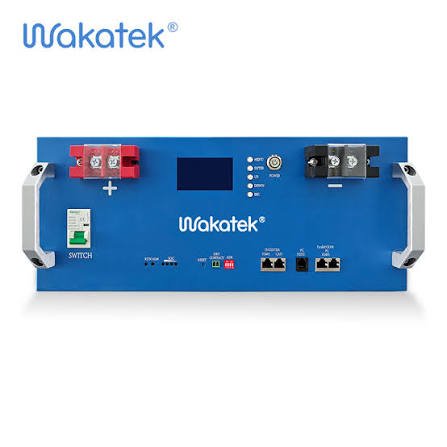
WAKATEK Stackable 10kWh Lithium Battery System
Original price was: ₦1,351,000.00.₦1,350,000.00Current price is: ₦1,350,000.00.Unmatched Storage Capacity for Modern Solar Arrays
Upgrade your solar power installation with the WAKATEK Stackable 10kWh Lithium Battery System. Off-grid solar arrays rely on high-capacity storage banks to hold excess daytime solar generation safely. Fortunately, this professional Lithium Battery System captures free solar energy efficiently during peak sunlight hours.
It stores 10kWh of usable electricity to run active home loads directly during nighttime hours. Therefore, you can run air conditioners, refrigerators, and lighting without relying on grid utility power. In short, this heavy-duty Lithium Battery System turns raw solar generation into dependable round-the-clock power.
Smart Cost Savings and Peak Demand Management
Lowering your monthly electrical utility bills becomes simple with this intelligent energy storage unit. The Lithium Battery System allows you to deploy stored energy during expensive peak utility tariff hours. By drawing power from your battery reserve instead of the electrical grid, you avoid high utility rates.
As a result, your property operational expenses drop significantly every single billing cycle. Furthermore, super-fast response times ensure smooth transition during sudden local blackouts. Computers, internet routers, and security cameras stay active without restarting during power cuts.
Heavy-Duty Build for Thousands of Charge Cycles
Engineered for long-term operational durability, this Lithium Battery System delivers thousands of complete charge cycles. The advanced LiFePO4 cell chemistry resists capacity loss over long usage periods. Advanced internal heat sinks dissipate thermal energy quickly during heavy power draws.
Additionally, reverse-polarity safeguards prevent installation mistakes and electrical arcing hazards completely. The sturdy outer cabinet maintains physical structural strength through years of daily service. Investing in this Lithium Battery System guarantees high return on investment and long-term operating performance.
Eco-Friendly Energy Transition Made Simple
Integrating this modern Lithium Battery System reduces your reliance on fossil fuel generators completely. It provides completely clean, silent, and emission-free energy storage that lowers your household carbon footprint.
Accessible connection terminals allow certified electricians to inspect and service battery units cleanly. Clear terminal labeling prevents dangerous wiring errors during initial setup steps. Furthermore, its sustainable design helps protect the environment for future generations. Choosing the WAKATEK Lithium Battery System provides clean, cost-effective, and sustainable energy storage for years.

WAKATEK Stackable 15kWh Lithium Battery System
Original price was: ₦2,100,000.00.₦2,000,000.00Current price is: ₦2,000,000.00.Unmatched Storage Capacity for Modern Solar Arrays
Upgrade your solar power installation with the WAKATEK Stackable 15kWh Lithium Battery System. Off-grid solar arrays rely on high-capacity storage banks to hold excess daytime solar generation safely. Fortunately, this professional Lithium Battery System captures free solar energy efficiently during peak sunlight hours.
It stores 15kWh of usable electricity to run active home loads directly during nighttime hours. Therefore, you can run air conditioners, refrigerators, and lighting without relying on grid utility power. In short, this heavy-duty Lithium Battery System turns raw solar generation into dependable round-the-clock power.
Smart Cost Savings and Peak Demand Management
Lowering your monthly electrical utility bills becomes simple with this intelligent energy storage unit. The Lithium Battery System allows you to deploy stored energy during expensive peak utility tariff hours. By drawing power from your battery reserve instead of the electrical grid, you avoid high utility rates.
As a result, your property operational expenses drop significantly every single billing cycle. Furthermore, super-fast response times ensure smooth transition during sudden local blackouts. Computers, internet routers, and security cameras stay active without restarting during power cuts.
Heavy-Duty Build for Thousands of Charge Cycles
Engineered for long-term operational durability, this Lithium Battery System delivers thousands of complete charge cycles. The advanced LiFePO4 cell chemistry resists capacity loss over long usage periods. Advanced internal heat sinks dissipate thermal energy quickly during heavy power draws.
Additionally, reverse-polarity safeguards prevent installation mistakes and electrical arcing hazards completely. The sturdy outer cabinet maintains physical structural strength through years of daily service. Investing in this Lithium Battery System guarantees high return on investment and long-term operating performance.
Eco-Friendly Energy Transition Made Simple
Integrating this modern Lithium Battery System reduces your reliance on fossil fuel generators completely. It provides completely clean, silent, and emission-free energy storage that lowers your household carbon footprint.
Accessible connection terminals allow certified electricians to inspect and service battery units cleanly. Clear terminal labeling prevents dangerous wiring errors during initial setup steps. Furthermore, its sustainable design helps protect the environment for future generations. Choosing the WAKATEK Lithium Battery System provides clean, cost-effective, and sustainable energy storage for years.
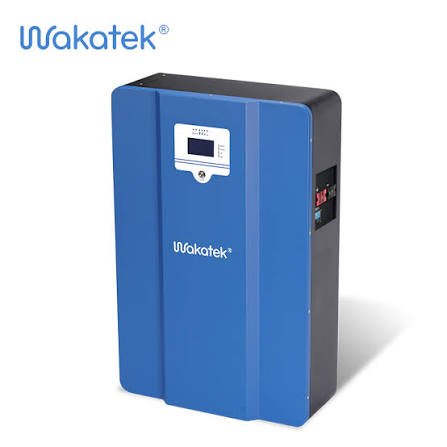
WAKATEK Stackable 20kWh Lithium Battery System
Original price was: ₦2,800,000.00.₦2,700,000.00Current price is: ₦2,700,000.00.Unmatched Storage Capacity for Modern Solar Arrays
Upgrade your solar power installation with the WAKATEK Stackable 20kWh Lithium Battery System. Off-grid solar arrays rely on high-capacity storage banks to hold excess daytime solar generation safely. Fortunately, this professional Lithium Battery System captures free solar energy efficiently during peak sunlight hours.
It stores 20kWh of usable electricity to run active home loads directly during nighttime hours. Therefore, you can run air conditioners, refrigerators, and lighting without relying on grid utility power. In short, this heavy-duty Lithium Battery System turns raw solar generation into dependable round-the-clock power.
Smart Cost Savings and Peak Demand Management
Lowering your monthly electrical utility bills becomes simple with this intelligent energy storage unit. The Lithium Battery System allows you to deploy stored energy during expensive peak utility tariff hours. By drawing power from your battery reserve instead of the electrical grid, you avoid high utility rates.
As a result, your property operational expenses drop significantly every single billing cycle. Furthermore, super-fast response times ensure smooth transition during sudden local blackouts. Computers, internet routers, and security cameras stay active without restarting during power cuts.
Heavy-Duty Build for Thousands of Charge Cycles
Engineered for long-term operational durability, this Lithium Battery System delivers thousands of complete charge cycles. The advanced LiFePO4 cell chemistry resists capacity loss over long usage periods. Advanced internal heat sinks dissipate thermal energy quickly during heavy power draws.
Additionally, reverse-polarity safeguards prevent installation mistakes and electrical arcing hazards completely. The sturdy outer cabinet maintains physical structural strength through years of daily service. Investing in this Lithium Battery System guarantees high return on investment and long-term operating performance.
Eco-Friendly Energy Transition Made Simple
Integrating this modern Lithium Battery System reduces your reliance on fossil fuel generators completely. It provides completely clean, silent, and emission-free energy storage that lowers your household carbon footprint.
Accessible connection terminals allow certified electricians to inspect and service battery units cleanly. Clear terminal labeling prevents dangerous wiring errors during initial setup steps. Furthermore, its sustainable design helps protect the environment for future generations. Choosing the WAKATEK Lithium Battery System provides clean, cost-effective, and sustainable energy storage for years.
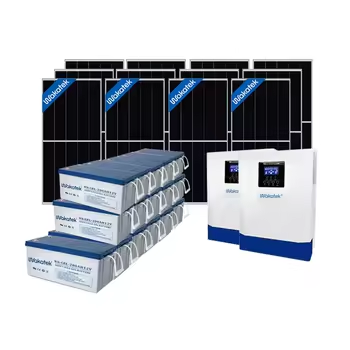
WAKATEK Stackable 5kWh Lithium Battery Module
Original price was: ₦710,000.00.₦700,000.00Current price is: ₦700,000.00.Unmatched Storage Capacity for Modern Solar Arrays
Upgrade your solar power installation with the WAKATEK Stackable 5kWh Lithium Battery Module. Off-grid solar arrays rely on high-capacity storage banks to hold excess daytime solar generation safely. Fortunately, this professional Lithium Battery Module captures free solar energy efficiently during peak sunlight hours.
It stores 5kWh of usable electricity to run active home loads directly during nighttime hours. Therefore, you can run air conditioners, refrigerators, and lighting without relying on grid utility power. In short, this heavy-duty Lithium Battery Module turns raw solar generation into dependable round-the-clock power.
Smart Cost Savings and Peak Demand Management
Lowering your monthly electrical utility bills becomes simple with this intelligent energy storage unit. The Lithium Battery Module allows you to deploy stored energy during expensive peak utility tariff hours. By drawing power from your battery reserve instead of the electrical grid, you avoid high utility rates.
As a result, your property operational expenses drop significantly every single billing cycle. Furthermore, super-fast response times ensure smooth transition during sudden local blackouts. Computers, internet routers, and security cameras stay active without restarting during power cuts.
Heavy-Duty Build for Thousands of Charge Cycles
Engineered for long-term operational durability, this Lithium Battery Module delivers thousands of complete charge cycles. The advanced LiFePO4 cell chemistry resists capacity loss over long usage periods. Advanced internal heat sinks dissipate thermal energy quickly during heavy power draws.
Additionally, reverse-polarity safeguards prevent installation mistakes and electrical arcing hazards completely. The sturdy outer cabinet maintains physical structural strength through years of daily service. Investing in this Lithium Battery Module guarantees high return on investment and long-term operating performance.
Eco-Friendly Energy Transition Made Simple
Integrating this modern Lithium Battery Module reduces your reliance on fossil fuel generators completely. It provides completely clean, silent, and emission-free energy storage that lowers your household carbon footprint.
Accessible connection terminals allow certified electricians to inspect and service battery units cleanly. Clear terminal labeling prevents dangerous wiring errors during initial setup steps. Furthermore, its sustainable design helps protect the environment for future generations. Choosing the WAKATEK Lithium Battery Module provides clean, cost-effective, and sustainable energy storage for years.

WAKATEK T2-CAM-40W Solar Street Light 40W with CCTV camera
Original price was: ₦130,000.00.₦120,000.00Current price is: ₦120,000.00.Solar-Powered Lighting with CCTV Monitoring
The T2-CAM-40W solar street light is designed to combine outdoor lighting with CCTV monitoring. This combination can help simplify equipment planning for suitable properties. In addition, solar power may reduce reliance on grid electricity for the lighting system, depending on sunlight, battery capacity, and operating conditions.
The light and camera serve different purposes. The LED light improves visibility after dark, while the camera provides visual monitoring within its supported viewing area. For this reason, check both the lighting specifications and the camera’s technical details before making a purchase.
Ask the supplier whether the camera can record continuously or only under certain conditions. Also, confirm how footage is stored and accessed. These details are particularly important if you need remote monitoring or recorded video for security purposes.
Installation and Placement Tips
Choose an installation point that receives adequate sunlight throughout the day. Nearby buildings and trees can reduce charging performance, so consider possible shade before mounting the unit. Follow the manufacturer’s guidance for pole compatibility, mounting height, and installation procedures.
Next, position the camera to cover the intended area. Check for blind spots and avoid directing the camera toward unnecessary neighbouring spaces. Where required, follow local privacy rules and inform relevant people that video monitoring is in use.
Routine maintenance can also support reliable operation. Clean the solar panel when dust or dirt accumulates. Inspect the mounting hardware and check the camera lens for obstructions. If the camera relies on Wi-Fi or a mobile application, verify the required network coverage and setup process.
What to Check Before Buying
Before ordering the T2-CAM-40W solar CCTV light, request a datasheet for the exact model. Confirm the actual LED power, solar panel rating, battery type and capacity, charging time, and expected lighting duration.
For the CCTV camera, check its resolution, night-vision capability, viewing angle, connectivity, storage method, and remote-access options. Do not assume these features are included unless the supplier confirms them in writing. Also, ask whether a memory card, SIM card, or separate internet connection is required.
Finally, confirm the warranty, package contents, and availability of replacement parts. Compare these details with your site’s lighting and security requirements. By checking the specifications first, you can choose a solution that better fits your property and installation plan.
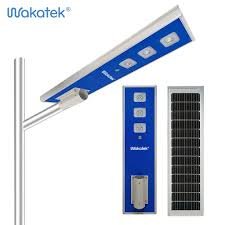
WAKATEK T2-CAM-60W Solar Street Light 60W with CCTV camera
Original price was: ₦160,000.00.₦150,000.00Current price is: ₦150,000.00.Solar Street Lighting with CCTV Monitoring
The T2-CAM-60W solar CCTV light offers a combined approach to outdoor illumination and visual monitoring. Its 60W LED lighting specification identifies the model’s stated power rating, while the camera provides a separate monitoring function. Together, these features make the product worth considering for selected outdoor applications.
Solar-powered lighting may help reduce reliance on grid electricity at the installation point. It can also be useful in places where running electrical cables is inconvenient. Nevertheless, lighting duration depends on the verified battery capacity, solar panel performance, available sunlight, and selected operating mode.
The camera’s functions also deserve careful attention. Before purchasing, ask whether it supports live viewing, video recording, night vision, or remote access. Confirm how the camera connects to a network and where it stores footage. These details are important if you intend to use the product as part of a wider security setup.
Installation and Maintenance Tips
Start by selecting a location with adequate sunlight throughout the day. Nearby buildings and trees can shade the solar panel, reducing its ability to collect energy. Then, check that the pole and mounting hardware meet the manufacturer’s requirements.
Position the CCTV camera to cover the intended area while avoiding unnecessary views of neighbouring private spaces. Follow applicable privacy requirements when installing and operating video monitoring equipment. If the camera requires Wi-Fi or mobile connectivity, check that the installation site has suitable network coverage.
Routine maintenance can help keep the unit in good condition. Clean dust from the solar panel when necessary and check the camera lens for dirt or obstructions. Also, inspect the mounting hardware periodically for visible wear or damage. Follow the manufacturer’s guidance for cleaning and servicing.
What to Check Before You Buy
Before ordering the WAKATEK T2-CAM-60W, request a datasheet for the exact model. Confirm the LED power, solar panel wattage, battery type and capacity, charging time, and expected operating duration. These specifications help you assess whether the light can meet your site’s requirements.
For the CCTV camera, verify its resolution, viewing angle, night-vision capability, connectivity, recording method, and storage options. Do not assume that a memory card, SIM card, mobile application, or internet service is included unless the seller confirms it.
Finally, check the warranty, replacement-part availability, installation accessories, and after-sales support. Compare these details with your lighting and monitoring needs before making a decision. By checking the specifications in advance, you can choose a solar street light that better suits your property.
WAKATEK T2-CAM-80W Solar Street Light 80W with CCTV camera
Original price was: ₦190,000.00.₦180,000.00Current price is: ₦180,000.00.Solar-Powered Street Lighting with CCTV Monitoring
The T2-CAM-80W solar CCTV light combines outdoor LED lighting with camera-based monitoring. Its stated 80W lighting rating makes it a model to consider for suitable outdoor projects. However, actual brightness and coverage should be assessed using verified technical specifications rather than wattage alone.
Solar-powered lighting may help reduce dependence on grid electricity at the installation point. It can also be useful where installing conventional electrical wiring is inconvenient. Nevertheless, the operating duration depends on battery capacity, solar panel performance, sunlight availability, and the selected lighting mode.
The camera provides a separate monitoring function. Before buying, ask the supplier how it connects to a network and whether it supports remote viewing or video recording. Also, confirm whether storage requires a memory card, a network connection, or another accessory.
Installation and Maintenance Tips
Start by choosing a location with enough sunlight throughout the day. Nearby buildings and trees can shade the solar panel and affect charging performance. Then, check the mounting pole and hardware against the manufacturer’s installation requirements.
Position the camera so it covers the intended area clearly. Consider possible blind spots and avoid unnecessary views into neighbouring private spaces. Where applicable, follow local privacy requirements for video monitoring.
Routine maintenance can help keep the system in good condition. Clean the solar panel when dust or dirt accumulates. Check the camera lens for obstructions and inspect the mounting hardware periodically. If the camera uses Wi-Fi or mobile connectivity, verify that the installation site has suitable network coverage.
Always follow the manufacturer’s instructions for installation, cleaning, and servicing.
What to Check Before Buying
Before ordering the WAKATEK T2-CAM-80W, request a datasheet for the exact model. Confirm the LED power, solar panel wattage, battery type and capacity, charging time, and expected lighting duration. These details help you assess the product for your intended application.
For the camera, verify the resolution, viewing angle, night-vision capability, connectivity, recording method, and storage options. Do not assume that a memory card, SIM card, mobile application, or internet service is included unless the supplier confirms it.
Finally, check the warranty, availability of replacement parts, mounting accessories, and after-sales support. Compare these details with your property’s lighting and monitoring requirements. This approach will help you make an informed decision and choose a suitable solar security lighting solution.
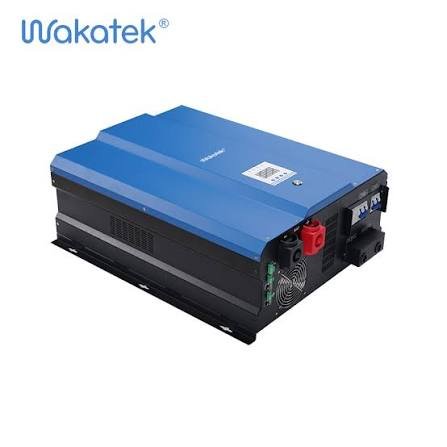
WAKATEK TPT-1.5KVA Pure Sine Wave Inverter 12V
Original price was: ₦151,000.00.₦150,000.00Current price is: ₦150,000.00.12V Pure Sine Wave Inverter for Backup Power
Support Essential Electrical Devices
A pure sine wave inverter can be a useful component in a battery-based backup power system. It converts DC electricity from a compatible battery into AC electricity for suitable household devices. This makes it an option for users who want to operate selected appliances when mains electricity is unavailable.
The TPT-1KVA model is advertised as a 12V inverter with pure sine wave output. Its suitability depends on the electrical requirements of your appliances and the unit’s verified output specifications. Small electronics and essential devices may be suitable if their power requirements fall within the inverter’s limits.
However, you should not select an inverter by its KVA rating alone. Different appliances have different power factors and starting demands. Motors, pumps, and other equipment may require additional starting power. Check the manufacturer’s continuous wattage and surge rating before connecting these devices.
For better results, prioritise the appliances you need most. Calculate their combined power consumption and avoid operating too many devices simultaneously. This helps you plan a suitable backup arrangement without exceeding the inverter’s capacity.
Improve Battery Backup Planning
The battery plays an important role in any inverter system. Its capacity, condition, and discharge limits affect the amount of energy available to your appliances. A larger battery may provide longer backup, but the actual duration depends on the connected load and system efficiency.
Start by listing the appliances you want to power. Estimate their wattage and the number of hours you expect to use each one. Then, compare the total energy requirement with the battery’s usable capacity. Remember that inverter losses can reduce the energy delivered to AC appliances.
For a 12V system, current demand can become high as the load increases. Therefore, battery selection, cable sizing, and electrical protection require careful attention. Use a battery that matches the inverter’s specified input requirements and follow the manufacturer’s recommendations.
Also, confirm whether the inverter supports the battery chemistry you plan to use. Different batteries may require different charging settings. Never assume that a built-in charger or automatic battery protection is available unless the official specifications confirm it.
Choose the Right Inverter Configuration
Before installing this inverter, check the exact model’s technical documentation. Important details include rated output in watts, surge power, DC input range, AC output voltage, operating frequency, efficiency, and overload protection. You should also confirm the intended application and any installation restrictions.
If you plan to use the inverter with a solar system, verify whether it supports direct solar input or requires a separate solar charge controller. A standard battery inverter does not necessarily include solar charging functionality. Select compatible components according to the manufacturer’s instructions.
Install the unit in a dry, suitable location with the required ventilation. Use properly rated cables, fuses, and isolation devices. Incorrect connections or undersized wiring can cause overheating and equipment damage. A qualified installer can help confirm that the battery, inverter, and connected appliances work together safely.
With suitable equipment and accurate load planning, a pure sine wave inverter can provide a practical source of AC power from a compatible battery. Confirm the specifications and warranty with the supplier before purchasing.

WAKATEK TPT-10KVA Hybrid Inverter 48V
Original price was: ₦1,451,000.00.₦1,450,000.00Current price is: ₦1,450,000.00.10KVA 48V Hybrid Inverter for Solar and Backup Power
Support Higher Electrical Loads
A hybrid inverter can help manage electricity from compatible solar panels, batteries, and other supported power sources. It may provide a combination of power conversion, battery charging, and backup functions. This can be useful for properties that need to manage several electrical loads throughout the day.
The advertised 10KVA rating makes this inverter worth considering for a higher-capacity power system. However, the actual output available to appliances depends on the rated wattage, power factor, and surge capacity. Check the official specifications before planning your electrical loads.
Begin by identifying the appliances you want to operate. Consider lighting, fans, computers, refrigerators, pumps, and other equipment. Calculate their combined running power and account for appliances that need extra power during startup. Keep the total within the inverter’s documented limits.
You should also confirm the backup functions of the exact model. Not all hybrid inverters offer the same source-switching options or load configurations. Ask the supplier whether the unit can power your selected appliances during a grid outage and what additional equipment may be required.
Plan Solar Panels and Battery Storage
A compatible solar array can provide energy for daytime consumption and battery charging. The inverter’s PV input specifications determine which panels and wiring arrangements you can use. Check the maximum solar input voltage, MPPT operating range, allowable current, and maximum PV power before choosing the panels.
Do not select panels based on wattage alone. Their electrical characteristics must also match the inverter’s limits. A qualified installer can calculate a suitable arrangement and confirm that the solar array operates within the manufacturer’s requirements.
Battery storage is another important part of the system. A compatible 48V battery must meet the inverter’s voltage and charging requirements. Confirm the supported battery chemistry, charging current, discharge limits, and communication compatibility where applicable.
To estimate backup duration, calculate the energy consumed by your essential appliances and compare it with the battery’s usable capacity. Allow for inverter losses and other operating limits. Remember that inverter output and battery capacity measure different things: the output rating describes power delivery, while battery capacity describes stored energy.
If you plan to expand the system later, ask whether the inverter supports additional batteries or parallel operation. Confirm the permitted configuration before purchasing extra equipment.
Verify Compatibility Before Buying
Before ordering the TPT-10KVA 48V Hybrid Inverter, request the current datasheet for the exact model. Check its continuous output in watts, surge rating, AC output voltage, frequency, PV input limits, charging functions, and protection features. Also, confirm whether an MPPT controller is integrated and which power sources the inverter supports.
Installation quality is essential for safe operation. Use correctly rated cables, circuit breakers, fuses, and isolation equipment. Follow the manufacturer’s grounding, ventilation, and wiring instructions. A qualified installer should verify the battery connections, solar array, and electrical protection before switching on the system.
Review the warranty, after-sales support, and availability of replacement parts before purchasing. These details can help you assess the inverter’s suitability for long-term use.
With compatible components and careful load planning, a hybrid inverter can help manage solar generation and stored electricity. Confirm all technical details with your supplier to ensure the selected model meets your energy requirements.
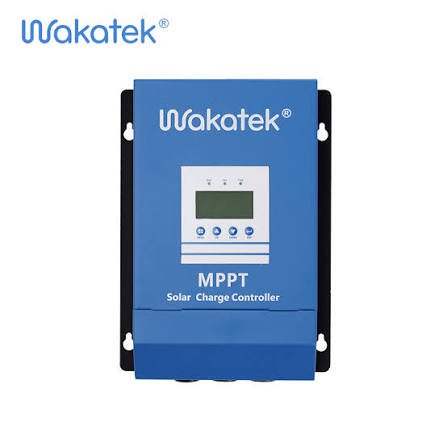
WAKATEK TPT-1KVA Pure Sine Wave Inverter 12V
Original price was: ₦121,000.00.₦120,000.00Current price is: ₦120,000.00.12V Pure Sine Wave Inverter for Backup Power
Support Essential Electrical Devices
A pure sine wave inverter can be a useful component in a battery-based backup power system. It converts DC electricity from a compatible battery into AC electricity for suitable household devices. This makes it an option for users who want to operate selected appliances when mains electricity is unavailable.
The TPT-1KVA model is advertised as a 12V inverter with pure sine wave output. Its suitability depends on the electrical requirements of your appliances and the unit’s verified output specifications. Small electronics and essential devices may be suitable if their power requirements fall within the inverter’s limits.
However, you should not select an inverter by its KVA rating alone. Different appliances have different power factors and starting demands. Motors, pumps, and other equipment may require additional starting power. Check the manufacturer’s continuous wattage and surge rating before connecting these devices.
For better results, prioritise the appliances you need most. Calculate their combined power consumption and avoid operating too many devices simultaneously. This helps you plan a suitable backup arrangement without exceeding the inverter’s capacity.
Improve Battery Backup Planning
The battery plays an important role in any inverter system. Its capacity, condition, and discharge limits affect the amount of energy available to your appliances. A larger battery may provide longer backup, but the actual duration depends on the connected load and system efficiency.
Start by listing the appliances you want to power. Estimate their wattage and the number of hours you expect to use each one. Then, compare the total energy requirement with the battery’s usable capacity. Remember that inverter losses can reduce the energy delivered to AC appliances.
For a 12V system, current demand can become high as the load increases. Therefore, battery selection, cable sizing, and electrical protection require careful attention. Use a battery that matches the inverter’s specified input requirements and follow the manufacturer’s recommendations.
Also, confirm whether the inverter supports the battery chemistry you plan to use. Different batteries may require different charging settings. Never assume that a built-in charger or automatic battery protection is available unless the official specifications confirm it.
Choose the Right Inverter Configuration
Before installing this inverter, check the exact model’s technical documentation. Important details include rated output in watts, surge power, DC input range, AC output voltage, operating frequency, efficiency, and overload protection. You should also confirm the intended application and any installation restrictions.
If you plan to use the inverter with a solar system, verify whether it supports direct solar input or requires a separate solar charge controller. A standard battery inverter does not necessarily include solar charging functionality. Select compatible components according to the manufacturer’s instructions.
Install the unit in a dry, suitable location with the required ventilation. Use properly rated cables, fuses, and isolation devices. Incorrect connections or undersized wiring can cause overheating and equipment damage. A qualified installer can help confirm that the battery, inverter, and connected appliances work together safely.
With suitable equipment and accurate load planning, a pure sine wave inverter can provide a practical source of AC power from a compatible battery. Confirm the specifications and warranty with the supplier before purchasing.
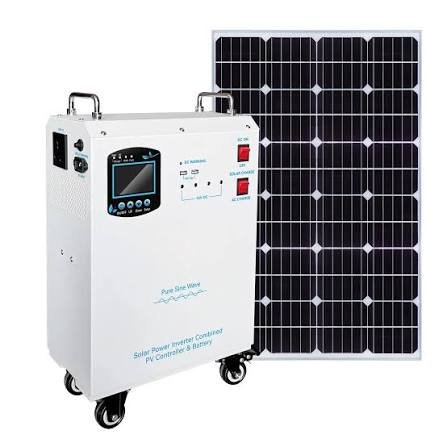
WAKATEK TPT-2KVA Pure Sine Wave Inverter 24V
Original price was: ₦221,000.00.₦220,000.00Current price is: ₦220,000.00.12V Pure Sine Wave Inverter for Backup Power
Support Essential Electrical Devices
A pure sine wave inverter can be a useful component in a battery-based backup power system. It converts DC electricity from a compatible battery into AC electricity for suitable household devices. This makes it an option for users who want to operate selected appliances when mains electricity is unavailable.
The TPT-1KVA model is advertised as a 12V inverter with pure sine wave output. Its suitability depends on the electrical requirements of your appliances and the unit’s verified output specifications. Small electronics and essential devices may be suitable if their power requirements fall within the inverter’s limits.
However, you should not select an inverter by its KVA rating alone. Different appliances have different power factors and starting demands. Motors, pumps, and other equipment may require additional starting power. Check the manufacturer’s continuous wattage and surge rating before connecting these devices.
For better results, prioritise the appliances you need most. Calculate their combined power consumption and avoid operating too many devices simultaneously. This helps you plan a suitable backup arrangement without exceeding the inverter’s capacity.
Improve Battery Backup Planning
The battery plays an important role in any inverter system. Its capacity, condition, and discharge limits affect the amount of energy available to your appliances. A larger battery may provide longer backup, but the actual duration depends on the connected load and system efficiency.
Start by listing the appliances you want to power. Estimate their wattage and the number of hours you expect to use each one. Then, compare the total energy requirement with the battery’s usable capacity. Remember that inverter losses can reduce the energy delivered to AC appliances.
For a 12V system, current demand can become high as the load increases. Therefore, battery selection, cable sizing, and electrical protection require careful attention. Use a battery that matches the inverter’s specified input requirements and follow the manufacturer’s recommendations.
Also, confirm whether the inverter supports the battery chemistry you plan to use. Different batteries may require different charging settings. Never assume that a built-in charger or automatic battery protection is available unless the official specifications confirm it.
Choose the Right Inverter Configuration
Before installing this inverter, check the exact model’s technical documentation. Important details include rated output in watts, surge power, DC input range, AC output voltage, operating frequency, efficiency, and overload protection. You should also confirm the intended application and any installation restrictions.
If you plan to use the inverter with a solar system, verify whether it supports direct solar input or requires a separate solar charge controller. A standard battery inverter does not necessarily include solar charging functionality. Select compatible components according to the manufacturer’s instructions.
Install the unit in a dry, suitable location with the required ventilation. Use properly rated cables, fuses, and isolation devices. Incorrect connections or undersized wiring can cause overheating and equipment damage. A qualified installer can help confirm that the battery, inverter, and connected appliances work together safely.
With suitable equipment and accurate load planning, a pure sine wave inverter can provide a practical source of AC power from a compatible battery. Confirm the specifications and warranty with the supplier before purchasing.
WAKATEK TPT-3.5KVA Hybrid Inverter 24V MPPT
Original price was: ₦451,000.00.₦450,000.00Current price is: ₦450,000.00.3.5KVA 24V Hybrid Inverter with MPPT
Manage Solar Energy for Everyday Use
A hybrid inverter can help users manage electricity in a compatible solar power system. It may combine solar power conversion, battery charging, and backup functions in one unit. This can simplify system planning when the inverter supports the required operating modes.
The advertised 3.5KVA capacity makes this model an option to consider for selected residential or small-scale energy applications. However, the actual usable output depends on the rated wattage and the manufacturer’s specifications. Always check these details before connecting appliances.
Start by identifying the devices you want to run. Lights, fans, routers, and televisions have different energy requirements. Refrigerators, pumps, and other motor-driven appliances may also need extra power when starting. Calculate the combined load and compare it with the inverter’s continuous output and surge capacity.
A hybrid inverter may also help manage available solar energy alongside battery storage. However, its exact charging and power management functions depend on the model. Confirm whether the unit supports utility charging, solar charging, battery backup, and automatic switching before buying.
Plan Solar Panels and Battery Capacity
The MPPT feature is important when designing the solar array. Maximum Power Point Tracking helps the charging system operate at a suitable point to draw available power from the panels. Its performance depends on sunlight, temperature, panel characteristics, and the controller’s operating limits.
Before choosing solar panels, review the inverter’s maximum PV input voltage, MPPT voltage range, maximum solar input power, and input current limit. These specifications determine which panel arrangements are compatible. Never connect panels based only on their combined wattage.
Battery planning is equally important. A 24V system requires a battery configuration that matches the inverter’s input requirements. Check the supported battery chemistry, charging profile, maximum charging current, and protection settings. These details help prevent incompatible charging and operating conditions.
To estimate backup time, calculate the energy used by your essential appliances and compare it with the battery’s usable capacity. Allow for inverter losses and other system limitations. Remember that the 3.5KVA rating describes apparent power, not battery storage capacity or guaranteed runtime.
If you expect your energy needs to grow, ask whether the inverter supports additional batteries or other system expansion. Confirm the permitted configuration before purchasing extra equipment.
Check Compatibility Before Installation
A reliable solar installation depends on matching all the components correctly. The inverter, panels, battery, wiring, and protective devices must work within their specified electrical limits. Therefore, request the official datasheet for the exact TPT-3.5KVA 24V MPPT model before placing an order.
Check the continuous output in watts, surge rating, AC output voltage, operating frequency, solar input limits, charging current, and available protection features. Also, confirm which power sources the inverter supports and whether the required cables or accessories are included.
Correct installation is essential for safe operation. Use suitable cables, fuses, circuit breakers, and isolation devices. Follow the manufacturer’s grounding and ventilation instructions. A qualified installer should verify panel wiring, battery connections, and system settings before commissioning the equipment.
Finally, review the warranty and after-sales support available from the supplier. Confirm the exact model number and compatibility with your intended solar panels and battery. With careful planning and suitable components, a hybrid inverter can become a useful part of a home solar energy system.