


Shop
Filter by brand
 AFRICELL BRANDAFRICELL BRAND 102
 AKT BRANDAKT BRAND 100
 BICODI BRANDBICODI BRAND 100
 Canadian Solar BrandCanadian Solar Brand 101
 COLA BRANDCOLA BRAND 100
 CWORTH ENERGY BRANDCWORTH ENERGY BRAND 99
 Deye BrandDeye Brand 100
 DP BRANDDP BRAND 94
 ECOFLOW BRANDECOFLOW BRAND 98
- EMIRATES BRAND 100
 Felicity BrandFelicity Brand 124
 GENUS BRANDGENUS BRAND 100
 Growatt BrandGrowatt Brand 102
 HAISIC BRANDHAISIC BRAND 97
 Itel Energy BrandItel Energy Brand 104
 JA SOLAR BRANDJA SOLAR BRAND 100
 JINKO SOLAR BRANDJINKO SOLAR BRAND 100
 LONGI SOLAR BRANDLONGI SOLAR BRAND 101
 LUMINOUS BRANDLUMINOUS BRAND 93
 Lutian brandLutian brand 100
 LVTOPSUN BRANDLVTOPSUN BRAND 100
 MUST BRANDMUST BRAND 30
- SAKO BRAND 99
 SMS SUNMATE BRANDSMS SUNMATE BRAND 100
 SOLIS BRANDSOLIS BRAND 100
 SRNE BRANDSRNE BRAND 97
 SU KAM BRANDSU KAM BRAND 98
 SUKHIG BRANDSUKHIG BRAND 99
 Sun King BrandSun King Brand 98
 TRINA BRANDTRINA BRAND 98
 WAKATEK BRANDWAKATEK BRAND 98
 YOHAKO BRANDYOHAKO BRAND 101


BICODI 2000W Camping Solar Generator
Original price was: ₦960,000.00.₦950,000.00Current price is: ₦950,000.00.Solar Charging and Reliable Backup Energy
Flexible AC and Solar Charging
The BICODI 2000W Camping Solar Generator supports AC charging and MPPT solar charging. This gives users two convenient ways to replenish the battery. They can charge the unit from a compatible wall outlet or connect suitable solar panels when sunlight is available.
The manufacturer’s HS-2000W specifications list a maximum solar input of 500W and an input voltage range of approximately 11.5V to 50V. Confirm these requirements for your exact model before selecting solar panels. Panel compatibility, sunlight intensity, temperature, and cable specifications can affect charging performance.
Solar charging can be especially useful during camping trips and outdoor activities away from mains electricity. However, charging times depend on the available solar power and the remaining battery level. Always use compatible accessories and follow the product manual.
Pure Sine Wave Power for Compatible Devices
The HS-2000W series offers pure sine wave AC output with a rated power of 2000W. This output can support many compatible electronics and appliances when their voltage and power requirements match the unit’s specifications.
USB-A and USB-C connections provide additional options for charging phones, tablets, laptops, and other supported devices. DC outputs can also power compatible low-voltage equipment. This variety helps users manage different charging needs without requiring a separate power source for every device.
Before connecting an appliance, check its voltage, wattage, and starting power requirements. Also, verify whether your model uses 110V or 220V AC output. Selecting the correct voltage version helps prevent equipment compatibility problems.
Useful for Camping and Emergency Preparedness
A portable solar generator can make outdoor activities more convenient by providing stored electricity for compatible devices. The BICODI 2000W Camping Solar Generator may support lighting, communication equipment, cameras, laptops, and selected appliances. It can also help during short power interruptions at home.
The rechargeable battery stores energy for use when a traditional power outlet is unavailable. Solar charging offers another way to replenish the battery when conditions allow. Nevertheless, runtime depends on the connected load and the energy available.
Before purchasing, confirm the battery capacity, AC voltage, rated output, peak output, solar input limit, and available ports with your supplier. Product listings may include specifications for different regional versions. With compatible equipment and proper use, this camping solar generator provides a flexible solution for outdoor power and backup electricity.

BICODI 2000W Outdoor Backup Power Station
Original price was: ₦960,000.00.₦950,000.00Current price is: ₦950,000.00.Flexible Charging and Emergency Backup
AC and Solar Charging Support
The BICODI 2000W Outdoor Backup Power Station supports AC charging and MPPT solar charging. This gives users flexible ways to replenish the battery at home or outdoors. When suitable sunlight is available, compatible solar panels can provide another source of charging energy.
The manufacturer’s HS-2000W specifications list a maximum solar input of 500W and a solar input voltage range of approximately 11.5V to 50V. Check the exact requirements for your version before purchasing panels. Panel compatibility, sunlight intensity, and cable specifications can all affect charging performance.
AC charging offers a convenient way to prepare the unit before a trip or expected power interruption. Solar charging can be useful in outdoor locations where mains electricity is unavailable. Charging time depends on input power, weather conditions, and remaining battery capacity.
Always use compatible charging accessories and follow the manufacturer’s instructions.
Pure Sine Wave Output for Compatible Devices
The HS-2000W offers a rated output of 2000W and pure sine wave AC power. This makes it suitable for many compatible electronics and selected appliances, provided their voltage and power requirements match the unit’s specifications.
USB-A and USB-C ports provide convenient charging options for phones, tablets, laptops, and other supported electronics. The AC outlets can power compatible equipment within the rated output, while DC connections support suitable low-voltage devices.
Remember that the combined load must remain within the power station’s limits. Appliances that exceed the rated output may not operate correctly. Some devices also draw extra power during startup, so check their requirements before use.
Confirm whether your unit is the 110V or 220V version. Choosing the correct voltage helps prevent compatibility problems with your appliances.
Useful for Travel and Emergency Preparedness
A portable backup power station can help users prepare for short power interruptions and temporary off-grid activities. The BICODI 2000W Outdoor Backup Power Station can provide stored electricity for compatible lights, communication devices, laptops, and selected appliances. It may also suit camping, outdoor work, and mobile projects.
Its rechargeable battery stores energy for use when a conventional outlet is unavailable. Solar charging offers another way to replenish that energy when conditions allow. However, actual runtime depends on battery capacity, connected devices, and power conversion losses.
Before purchasing, confirm the battery capacity, AC voltage, rated output, peak output, solar input limit, and available ports with your supplier. BICODI product listings contain differing peak-power specifications, so verify the exact model before publishing technical details.

BICODI 24V 100Ah Lithium Battery
Original price was: ₦430,000.00.₦420,000.00Current price is: ₦420,000.00.Practical Power for Solar Energy Systems
Understand LiFePO4 Battery Technology
The BICODI 24V 100Ah Lithium Battery is an option for users who need rechargeable energy storage in a compatible power system. The manufacturer identifies the BD24-100 as a LiFePO4 battery and lists its capacity as 2.4kWh.
LiFePO4 stands for lithium iron phosphate. This battery chemistry is commonly used in energy storage applications because of its stable chemical structure and potential for a long service life under suitable conditions. It is used in various solar, backup, and mobile power systems.
However, battery performance varies by product. Cycle life, usable capacity, charging speed, and discharge performance depend on the battery’s design and operating conditions. Therefore, use the official datasheet when comparing this model with other batteries.
A suitable energy storage battery should match both the voltage requirements and the expected energy demand of the system. A battery that has enough nominal capacity may still be unsuitable if the connected equipment exceeds its current limits. For this reason, review the complete specifications before making a purchase.
Plan Your Solar Storage System
Start by listing the equipment you want to power. Record each device’s wattage and estimated daily operating hours. This helps you calculate energy consumption and decide whether the battery’s usable capacity is sufficient.
For solar charging, choose a compatible charge controller and solar panel arrangement. The controller must support the battery’s charging requirements. You should also consider sunlight availability, seasonal changes, and how much energy your system needs each day.
If you need AC power, select an inverter that matches the battery’s voltage and the connected appliances. Check the inverter’s continuous output and surge capacity. High-power appliances can draw substantial current, so wiring and electrical protection must be correctly rated.
For backup applications, prioritise essential equipment and estimate the required runtime. Include reasonable allowances for conversion losses and variations in power consumption. If the expected energy demand is higher than the battery’s usable capacity, consider reducing the load or selecting a suitable larger storage system.
Check Compatibility Before Buying
Before purchasing the BICODI 24V 100Ah Lithium Battery, ask the supplier to confirm the exact model number and provide the current product datasheet. Verify the nominal voltage, rated capacity, usable energy, charging limits, discharge current, dimensions, weight, and warranty terms.
Also, check whether a BMS is included and which protection functions it supports. These details help you understand the battery’s operating limits and installation requirements. Do not assume that features such as low-temperature charging protection or communication ports are included unless the documentation confirms them.
If you plan to connect batteries in series or parallel, confirm the permitted configuration with the manufacturer. The battery must also be compatible with the inverter and charging equipment you intend to use.
Finally, follow the manufacturer’s instructions for installation, storage, and operation. Protect the terminals from accidental short circuits and use appropriate electrical protection. With verified specifications and compatible equipment, the BICODI 24V 100Ah Lithium Battery can be evaluated for suitable solar and backup energy applications.
BICODI 24V 200Ah Lithium Battery
Original price was: ₦860,000.00.₦850,000.00Current price is: ₦850,000.00.Practical Power for Solar and Off-Grid Systems
Understand Lithium Battery Energy Storage
The BICODI 24V 200Ah Lithium Battery is an option to investigate when planning a rechargeable energy storage system. Its stated ratings suggest a product intended for a compatible 24V-class setup, but the precise specifications must be verified before purchase.
Different lithium battery chemistries have different charging requirements and performance characteristics. For example, lithium iron phosphate (LiFePO4) is commonly used in solar storage because of its thermal stability and cycle-life potential. However, the exact chemistry of this product should be confirmed from its datasheet rather than assumed from the product title.
Battery performance depends on several factors. These include charging practices, operating temperature, discharge depth, and the quality of the cells and battery management system. Therefore, use manufacturer-provided data when comparing battery models.
Capacity is also an important part of system planning. A battery with a higher amp-hour rating may provide more stored energy than a smaller battery at the same voltage. However, actual usable energy and runtime depend on the confirmed specifications and the power consumed by connected equipment.
Plan Your Solar and Backup System
Before choosing the BICODI 24V 200Ah Lithium Battery, estimate the energy demand of your equipment. List each device, its power rating, and how many hours it will operate each day. This calculation can help you determine the required storage capacity.
For a solar system, check the solar panel output and choose a compatible charge controller. The controller must support the battery’s chemistry and charging limits. Also, consider local sunlight conditions and seasonal changes when estimating how much energy your panels can generate.
If your system uses an inverter, verify that it supports the battery’s voltage. Check its continuous output and surge requirements as well. High-power appliances may draw substantial current, so the battery and wiring must support the expected load.
For backup power, prioritise essential equipment and calculate the runtime you need. Remember that inverter losses and other system demands reduce the energy available to your devices. If your expected consumption exceeds the battery’s usable capacity, consider a suitable alternative system design.
Verify Compatibility Before Purchase
Before purchasing the BICODI 24V 200Ah Lithium Battery, ask the supplier for the exact model number and official datasheet. Confirm the nominal voltage, rated capacity, usable energy, battery chemistry, maximum charge and discharge currents, dimensions, weight, and warranty terms.
You should also check whether the product includes a BMS. Review its documented protection functions and any communication features required by your inverter or monitoring system. Do not assume these features are available unless the manufacturer confirms them.
If you plan to connect multiple batteries, confirm which series or parallel configurations are permitted. Batteries with similar voltage ratings are not automatically suitable for every arrangement.
Finally, follow the manufacturer’s installation and operating instructions. Protect the terminals from accidental short circuits and use correctly rated electrical protection. If the installation involves high currents or complex wiring, consult a qualified installer.
With verified specifications and compatible equipment, the BICODI 24V 200Ah Lithium Battery can be assessed for suitable solar, backup, and off-grid energy storage applications.

BICODI 24V 50Ah Lithium Battery
Original price was: ₦250,000.00.₦240,000.00Current price is: ₦240,000.00.Practical Battery Storage for Daily Energy Needs
Understand Lithium Battery Energy Storage
The BICODI 24V 50Ah Lithium Battery is an option to consider when a compatible power system needs rechargeable energy storage. Its stated 24V rating makes it important to check that all connected equipment supports the correct battery voltage.
Lithium batteries are used in many energy storage applications because they can store electrical energy for later use. Depending on the specific chemistry and construction, they may offer a useful balance of size, weight, and capacity.
However, not all lithium batteries have the same characteristics. Lithium iron phosphate (LiFePO4), for example, has different charging requirements from other lithium chemistries. Confirm the exact chemistry of this BICODI model before selecting a charger or making assumptions about its cycle life.
Battery performance also depends on how the product is used. Charging current, operating temperature, discharge depth, and storage conditions can all affect service life. Therefore, review the manufacturer’s technical documentation before comparing this battery with other models.
Plan a Compatible Solar or Backup System
Before buying a 24V 50Ah battery, estimate the total energy consumption of your equipment. List each device, its power rating, and its expected daily operating time. This gives you a clearer picture of your storage requirements.
For solar applications, select panels and a charge controller that are compatible with the battery. The controller must follow the correct charging profile and remain within the battery’s specified limits. Solar production also varies with weather, sunlight, and installation conditions, so allow for changes in daily energy generation.
If you intend to use an inverter, check its input voltage and power requirements. Confirm that the battery can supply the necessary current for the intended loads. Properly rated wiring, connectors, and fuses are essential for a reliable installation.
For backup power, prioritise the devices that matter most during an outage. Estimate how long each device needs to run and consider system losses when calculating the required capacity. This helps you make a more informed decision about whether the battery is large enough for your needs.
Verify Specifications Before Purchase
Before purchasing the BICODI 24V 50Ah Lithium Battery, ask the supplier for the exact model number and official datasheet. Confirm the nominal voltage, rated capacity, nominal energy, battery chemistry, charging limits, discharge current, dimensions, weight, and warranty.
Also, check whether a BMS is included and review its documented protection features. These details matter because different battery models may have different operating limits and installation requirements.
If you plan to connect multiple batteries, confirm that the manufacturer permits your intended series or parallel configuration. Never assume that batteries can be combined simply because their voltage ratings match.
Finally, ensure that your charger, inverter, and other equipment are compatible with the battery. Follow the manufacturer’s installation and operating instructions, and consult a qualified installer if you are unsure about the wiring.
With verified specifications and a suitable system design, the BICODI 24V 50Ah Lithium Battery can be evaluated for compatible solar, backup, and other energy storage applications.

BICODI 280V High Voltage 15kWh LiFePO4 Battery
Original price was: ₦3,400,000.00.₦3,300,000.00Current price is: ₦3,300,000.00.Flexible Energy Storage for Modern Power Systems
Support Changing Electricity Demand
Energy use often changes throughout the day. Some appliances operate continuously, while others require more power during particular hours. A battery storage system can help make stored electricity available when demand increases or solar production decreases.
The BICODI 280V High Voltage 15kWh LiFePO4 Battery is an option to evaluate for projects that require a high-voltage lithium iron phosphate battery. When connected to compatible charging equipment and an appropriate inverter, it can form part of a system designed to store electricity for later use.
For a solar-powered property, stored energy may help increase the use of electricity generated during daylight hours. In addition, a correctly designed system may provide backup power to selected loads when the inverter and installation support backup operation.
However, the battery’s capacity alone does not determine backup duration. The actual result depends on usable energy, appliance consumption, inverter efficiency, and the system’s operating limits. Estimate your expected energy use before choosing a battery for your project.
Check High-Voltage Compatibility
High-voltage batteries require careful equipment selection. The inverter must support the battery’s operating voltage range, charging requirements, and discharge limits. It may also need compatible communication functions to monitor the battery management system and control charging.
Before purchasing the BICODI 280V High Voltage 15kWh LiFePO4 Battery, request its official technical datasheet. Confirm the nominal voltage, operating voltage range, usable capacity, maximum current, communication protocols, and supported inverter models. You should also review the battery chemistry, cycle-life rating, warranty, and recommended operating conditions.
Voltage matching alone is not enough. Different batteries and inverters may use different communication protocols and control settings. Therefore, confirm the specific battery and inverter combination with the manufacturer or authorised supplier.
Professional installation is strongly recommended because high-voltage equipment requires appropriate electrical protection and specialised handling. A qualified installer can check the system design, install suitable protective devices, and follow the manufacturer’s instructions and applicable electrical regulations.
Choose Storage Based on Your Needs
Before selecting a battery, calculate your daily energy consumption and identify which appliances require stored power. Consider when you need that energy, how much solar electricity is available, and whether the charging system can replenish the battery as expected.
When comparing the BICODI 280V High Voltage 15kWh LiFePO4 Battery with other products, review more than the advertised capacity. Usable energy, cycle-life specifications, warranty coverage, installation requirements, and after-sales support can all affect the suitability of a storage solution.
It is also useful to consider future energy demand. However, any expansion must follow the manufacturer’s approved configuration and compatibility requirements.
For the best results, verify the exact model specifications before placing your order. With a suitable inverter, correct system configuration, and professional installation, a high-voltage LiFePO4 battery can become part of a practical energy storage solution that helps manage electricity more flexibly.

BICODI 2kW Hybrid Solar Inverter
Original price was: ₦270,000.00.₦260,000.00Current price is: ₦260,000.00.Flexible Energy Management and Solar Backup
Make Better Use of Solar Electricity
The BICODI 2kW Hybrid Solar Inverter is intended to support solar energy conversion and energy management in compatible installations. By converting DC power from solar panels into AC electricity, it helps make renewable energy available for household use.
Solar production changes throughout the day because of sunlight, weather, and shading. A properly configured hybrid system can use available solar power and, where supported, draw energy from a battery or another compatible source when needed.
Actual system performance depends on solar panel capacity, installation quality, weather conditions, and connected loads. Therefore, choose a suitable solar array based on the inverter’s technical limits and your energy needs.
Solar Panel and Battery Integration
Choosing compatible components is essential for reliable operation. Before connecting solar panels, check the maximum PV input voltage, MPPT operating range, maximum solar input power, and supported input current listed in the inverter’s datasheet.
Battery compatibility is equally important. Verify the required battery voltage, supported chemistry, charging limits, and communication settings. These specifications help ensure that the inverter and battery can work together correctly.
BICODI offers several solar inverter models, so do not assume that all 2kW units have the same specifications. Confirm the exact model number and installation requirements with your supplier before purchasing panels or batteries.
A Practical Option for Energy Independence
A small hybrid solar system can help households use solar electricity for selected devices and manage stored energy when the system supports battery operation. The BICODI 2kW Hybrid Solar Inverter may suit users who want to build a system around essential loads and modest power requirements.
To plan your installation, list the appliances you intend to operate and estimate their daily energy consumption. Then, consider the solar panel capacity and battery storage needed to support those loads. This approach helps you choose equipment that matches your requirements.
Always arrange installation according to the manufacturer’s instructions and applicable electrical standards. With compatible components and correct configuration, a 2kW hybrid solar inverter can provide a useful foundation for a small solar power system.

BICODI 300W MPPT Power Station PV Charging BESS
Original price was: ₦205,000.00.₦195,000.00Current price is: ₦195,000.00.MPPT Solar Charging and Flexible Power
Recharge with Compatible Solar Panels
The BICODI 300W MPPT Power Station PV Charging BESS supports solar charging through a compatible photovoltaic panel. This feature can be useful during camping, outdoor work, and travel where access to a wall outlet is limited.
MPPT stands for Maximum Power Point Tracking. This technology helps a compatible charging system adjust its operating point to draw useful power from a solar panel under changing conditions. Actual performance depends on sunlight intensity, panel specifications, temperature, and the power station’s permitted input range.
The manufacturer’s listing for the related BD-300B model specifies a maximum solar input of 100W and a solar open-circuit voltage range of 12–30V. Confirm these figures for the exact product being sold before purchasing a solar panel.
For safe operation, check the panel’s voltage, current, connector, and polarity. Use a compatible charging cable and follow the manufacturer’s instructions. Solar charging speed will vary with weather and available sunlight.
Portable Energy for Small Electronics
A 300W portable power station can suit many everyday electronic devices when their power requirements remain within the supported limits. Depending on the exact output configuration, suitable applications may include charging phones, powering small lights, supporting cameras, and running selected laptops.
The related BD-300B listing identifies a 299.52Wh lithium-ion NMC battery. This capacity represents stored energy, while the 300W rating describes the unit’s rated output. These figures measure different things, so both matter when choosing a power station.
For example, a device with low energy consumption may operate longer than equipment that draws more power. In practice, usable runtime also depends on conversion losses and battery conditions. Therefore, estimate both the wattage and expected operating time of your devices.
Always verify the battery capacity and output specifications of the exact model. Product configurations may differ, even when their names and advertised power ratings are similar.
Choose the Right Power Station for Your Needs
When selecting a portable power station, consider battery capacity, rated output, charging methods, available ports, and portability. These features help determine whether the unit can support your planned activities.
Start by listing the devices you want to power. Check their wattage and estimate how long they need to operate. Then compare the total energy requirement with the confirmed usable battery capacity. This simple process helps you avoid choosing a unit that is too small for your needs.
Solar charging can add flexibility when you spend time away from conventional power sources. However, the panel must remain within the station’s supported input limits. Check compatibility before purchasing additional accessories.
The BICODI 300W MPPT Power Station PV Charging BESS may suit users who need portable electricity for travel, outdoor activities, and basic backup. For larger appliances or extended backup periods, compare it with a higher-capacity model.
Before ordering, request the official datasheet for the supplied model. Confirm its rated output, battery capacity, solar input limits, AC voltage, port configuration, and warranty. This ensures that your chosen power station matches your intended use.

BICODI 300W Outdoor Backup Power Station
Original price was: ₦190,000.00.₦180,000.00Current price is: ₦180,000.00.Flexible Charging and Everyday Backup
Multiple Ways to Recharge
The BICODI 300W Outdoor Backup Power Station may support AC charging, vehicle charging, and solar charging, depending on the exact model. These options provide flexibility for users who need portable electricity at home or away from conventional power sources.
Solar charging can be useful during camping trips and outdoor activities where sunlight is available. However, charging performance depends on the solar panel’s output, sunlight conditions, and the station’s input limits. Always use compatible panels and cables, and verify the supported input voltage before connecting them.
AC charging offers another convenient way to prepare the station before a trip or expected power interruption. Vehicle charging can also help replenish the battery while travelling, if supported by the model.
For best results, follow the manufacturer’s instructions and confirm the expected charging time for your version. This helps you plan when the power station will be ready to use.
Designed for Compatible Electronics
With a rated output of 300W, this portable power station is intended for compatible electronics and selected low-power equipment. Depending on its configuration, it may support phones, tablets, laptops, cameras, LED lights, and other devices within its operating limits.
The available output connections can make it easier to charge several types of electronics. However, the combined power demand must remain within the station’s rated output. Some devices may also require additional power when starting, so check their operating requirements before connecting them.
Battery capacity determines how much energy is available, while device consumption affects runtime. For example, a low-power light will generally run longer than a device that continuously draws more electricity. Actual runtime also depends on conversion losses and battery condition.
A Practical Option for Emergency Preparedness
The BICODI 300W Outdoor Backup Power Station can help users prepare for short power outages and temporary outdoor power needs. It provides a portable source of stored electricity for compatible electronics, making it useful for travel, camping, and everyday backup planning.
Before an outage or trip, charge the station and check that the required cables and accessories are available. Also, confirm the battery capacity, AC voltage, output wattage, and solar input rating for your exact model. BICODI offers several 300W models, and their specifications can differ.
Choose the version that matches your devices and intended use. With suitable equipment and proper charging, a 300W outdoor backup power station can offer convenient access to portable electricity when you need it.

BICODI 3kW Hybrid Solar Inverter
Original price was: ₦350,000.00.₦340,000.00Current price is: ₦340,000.00.A Practical Choice for Solar Backup Planning
The BICODI 3kW Hybrid Solar Inverter can be considered by users who want to explore solar energy for residential electricity needs. A well-designed hybrid system can coordinate solar generation, battery storage, and supported alternative power sources. As a result, users may be able to make better use of available solar electricity and plan for selected backup requirements.
Improve the Use of Available Solar Power
Solar energy can reduce reliance on electricity from other sources when the system produces enough power for the connected loads. During sunny periods, compatible solar panels can supply electricity for supported appliances. If the inverter supports battery charging, surplus available energy may also be stored for later use, subject to system configuration and charging limits.
Actual savings depend on several factors. These include sunlight, panel orientation, shading, household consumption, battery capacity, and local electricity rates. Therefore, estimate your daily energy usage before choosing the size of your solar installation.
Consider Battery Compatibility and Backup Needs
Battery selection is an important part of a hybrid solar system. Different batteries use different voltages, charging requirements, and communication protocols. The inverter must support the chosen battery to ensure proper operation. If you need backup power during an outage, also confirm whether the specific inverter model supports backup operation and which output terminals remain active.
The BICODI 3kW Hybrid Solar Inverter should be paired only with compatible equipment approved for the exact model. Do not assume that every lithium battery or lead-acid battery will work with it. Check the manufacturer’s compatibility information and installation instructions first.
Choose the Right Equipment Before Installation
Before purchasing, review the inverter’s warranty, installation requirements, protection features, and after-sales support. Ask the supplier to confirm whether the unit is designed for your local AC voltage and frequency. You should also verify whether it supports grid-connected operation, off-grid operation, or both, as these functions vary by model.
A qualified solar installer can assess the site, calculate the expected loads, and determine the appropriate solar array and battery configuration. Correct sizing helps prevent overloads and supports dependable operation.
Overall, the BICODI 3kW Hybrid Solar Inverter is worth considering for a planned residential solar project when its verified specifications match the intended application. Always use the official datasheet to confirm technical details before publishing exact specifications or making a purchase.
BICODI 48V 100Ah LiFePO4 Battery
Original price was: ₦1,150,000.00.₦1,050,000.00Current price is: ₦1,050,000.00.Efficient Power for Modern Energy Systems
Understand LiFePO4 Battery Technology
The BICODI 48V 100Ah LiFePO4 Battery is an option for users planning a rechargeable energy storage system. BICODI’s 48V-class range includes 100Ah LiFePO4 batteries with a nominal voltage of 51.2V. This is an important distinction because product listings may use “48V” as the system class rather than the exact nominal voltage.
A 51.2V battery rated at 100Ah provides approximately 5.12kWh of nominal energy. However, usable energy depends on the exact model and its operating limits. Always check the manufacturer’s datasheet before calculating runtime or comparing battery capacity.
LiFePO4 batteries are widely used in solar and stationary storage applications. Their chemistry offers thermal stability and the potential for repeated charging cycles under suitable conditions. Actual service life depends on factors such as temperature, discharge depth, charging practices, and the battery’s internal design.
Battery selection should also consider the energy requirements of your home or business. A suitable storage system needs enough usable capacity for the intended loads and must operate within the manufacturer’s electrical limits.
Plan Your Solar Energy Storage System
Start by listing the devices you want to power. Record their power ratings and estimated daily operating hours. This helps you calculate energy consumption and determine whether a 100Ah battery can meet your needs.
For solar applications, choose a compatible inverter or charge controller. The charging equipment must support the battery’s chemistry, voltage range, and charging requirements. You should also consider the solar array’s output and the amount of energy your system needs each day.
If you need backup power, prioritise essential appliances and estimate how long they must operate. Include reasonable allowances for conversion losses and changes in energy demand. If the expected consumption exceeds the battery’s usable capacity, consider a suitable larger storage configuration.
Inverter compatibility is equally important. Confirm the battery input voltage, maximum charging current, discharge requirements, and communication options. Some systems use CAN or RS485 to exchange battery information with the inverter. Confirm support for the exact battery and inverter combination before installation.
Check Compatibility and Installation Requirements
Before purchasing the BICODI 48V 100Ah LiFePO4 Battery, confirm the exact model number. BICODI offers several 48V-class products, and specifications can differ between wall-mounted, rack-mounted, and other battery designs.
Check the nominal voltage, rated capacity, usable energy, charging limits, discharge current, dimensions, weight, and warranty. Also, review the BMS functions and any required inverter communication settings. Do not assume that all models share the same protection features or operating limits.
Installation requirements also matter. Confirm whether the battery is intended for indoor use, what temperature range is supported, and how it should be mounted. Keep terminals protected from accidental short circuits and use suitable electrical protection.
If you plan to connect several batteries, verify the permitted series or parallel configuration with the manufacturer. The inverter and charging equipment must also support the proposed arrangement.
Finally, follow the official installation and operating instructions. With suitable components and a properly planned system, the BICODI 48V 100Ah LiFePO4 Battery can be considered for compatible solar, residential energy storage, and backup power applications.
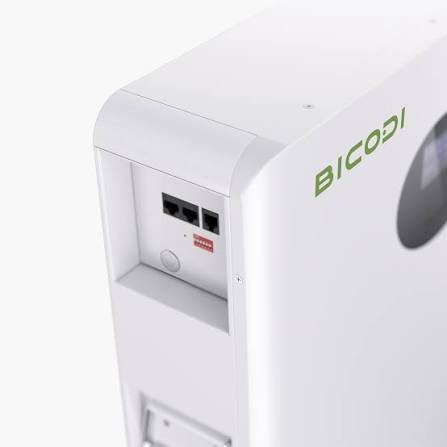
BICODI 48V 10kWh Powerwall Energy Storage Battery
Original price was: ₦2,100,000.00.₦2,000,000.00Current price is: ₦2,000,000.00.Flexible Backup Power for Your Home
Support Essential Household Appliances
The BICODI 48V 10kWh Powerwall Energy Storage Battery is an option for households that want to store electricity for essential loads. When connected to a compatible inverter, stored energy may support lighting, fans, internet equipment, refrigeration, and other suitable appliances during a power interruption.
The backup duration depends on how much electricity your appliances consume. For example, a few low-power devices will generally use less energy than several large appliances running together. Therefore, plan your backup loads before selecting the complete system.
To estimate backup time, divide the usable battery energy by the combined power consumption of your appliances. Allow for inverter losses and other system limitations. This calculation gives an estimate rather than a guaranteed runtime.
You can improve backup performance by prioritising essential appliances. Switch off unnecessary loads when stored energy is limited. This approach helps you make better use of the electricity stored in your battery.
Check Inverter Compatibility Before Installation
Battery and inverter compatibility is essential for safe operation. Although this product title describes a 48V battery, related BICODI models list a nominal voltage of 51.2V. Therefore, confirm the exact model’s voltage range and electrical ratings before connecting it to an inverter.
Check the inverter’s supported battery voltage, charging current, and discharge current. Also, confirm the communication protocol if the battery management system communicates with the inverter. Some related BICODI models support CAN or RS485, but you should verify these features for your specific product.
Correct installation helps protect the battery and connected equipment. A qualified installer should select suitable cables, circuit breakers, and isolation devices. The installer should also configure the inverter according to the manufacturer’s instructions.
Before purchasing, confirm the battery chemistry, usable capacity, dimensions, and warranty terms. This ensures that the product meets your requirements.
Plan a Practical Solar Storage System
A well-planned energy storage system begins with your daily electricity needs. Review your power consumption, solar panel output, and expected backup duration. These details help you determine whether a 10kWh battery provides enough storage for your home.
If you expect your energy needs to increase, check whether the battery supports parallel connections. Confirm the maximum permitted number of units and the required inverter configuration. Never assume that all batteries can be expanded in the same way.
You should also consider the installation location. Follow the manufacturer’s requirements for mounting, temperature, ventilation, and access. Use professional installation practices to support safe operation.
With compatible equipment and careful planning, a 10kWh powerwall battery can help store solar electricity and support selected household loads. It offers a practical option for users who want greater flexibility in managing their energy use.