



Shop
Filter by brand
 AFRICELL BRANDAFRICELL BRAND 102
 AKT BRANDAKT BRAND 100
 BICODI BRANDBICODI BRAND 100
 Canadian Solar BrandCanadian Solar Brand 101
 COLA BRANDCOLA BRAND 100
 CWORTH ENERGY BRANDCWORTH ENERGY BRAND 99
 Deye BrandDeye Brand 100
 DP BRANDDP BRAND 94
 ECOFLOW BRANDECOFLOW BRAND 98
- EMIRATES BRAND 100
 Felicity BrandFelicity Brand 124
 GENUS BRANDGENUS BRAND 100
 Growatt BrandGrowatt Brand 102
 HAISIC BRANDHAISIC BRAND 97
 Itel Energy BrandItel Energy Brand 104
 JA SOLAR BRANDJA SOLAR BRAND 100
 JINKO SOLAR BRANDJINKO SOLAR BRAND 100
 LONGI SOLAR BRANDLONGI SOLAR BRAND 101
 LUMINOUS BRANDLUMINOUS BRAND 93
 Lutian brandLutian brand 100
 LVTOPSUN BRANDLVTOPSUN BRAND 100
 MUST BRANDMUST BRAND 30
- SAKO BRAND 99
 SMS SUNMATE BRANDSMS SUNMATE BRAND 100
 SOLIS BRANDSOLIS BRAND 100
 SRNE BRANDSRNE BRAND 97
 SU KAM BRANDSU KAM BRAND 98
 SUKHIG BRANDSUKHIG BRAND 99
 Sun King BrandSun King Brand 98
 TRINA BRANDTRINA BRAND 98
 WAKATEK BRANDWAKATEK BRAND 98
 YOHAKO BRANDYOHAKO BRAND 101

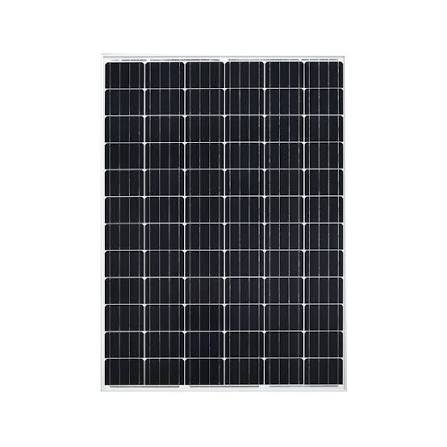
AFRICELL 300W Monocrystalline Solar Panel high-efficiency PV module
Original price was: ₦69,900.00.₦69,500.00Current price is: ₦69,500.00.AFRICELL 300W Monocrystalline Solar Panel High-Efficiency PV Module
Generate electricity from sunlight with the AFRICELL 300W Monocrystalline Solar Panel. This photovoltaic module is designed for compatible solar power installations in residential, commercial, and off-grid environments. Its 300W rated output provides a useful starting point for planning a solar system around your electricity requirements.
AFRICELL lists the GL-MONO-300W as a 300W monocrystalline panel. The published specifications include a 17% module efficiency rating, an anodised aluminium frame, and tempered front glass. Actual performance varies according to sunlight exposure, temperature, shading, and the installation setup. <Cite refs={[“turn168992search0”]}/>
A Practical Choice for Solar Power Systems
The AFRICELL 300W solar panel can contribute to a solar installation where its electrical ratings meet the requirements of the connected equipment. Depending on the design, it may supply power through a compatible inverter or help charge a battery through a suitable solar charge controller.
Possible applications include residential rooftops, small business installations, and off-grid energy projects. However, one panel may not generate enough energy to meet all the electricity needs of a property. Calculate the daily consumption of your appliances and consider the available sunlight before choosing the number of panels.
Panel placement is also important. Install the module in an area with good sunlight exposure and minimal shading. Use an appropriate mounting structure and secure the panel according to the manufacturer’s instructions. Regular inspection and suitable cleaning can help maintain its performance.
Monocrystalline Construction and Product Features
Monocrystalline solar cells convert sunlight into direct-current electricity. The AFRICELL GL-MONO-300W product listing specifies 120 cells, a 1722 × 1134 × 30 mm panel size, and a weight of 20.5 kg. It also lists tempered front glass, an anodised aluminium alloy frame, and an IP65-rated junction box. <Cite refs={[“turn168992search0”]}/>
These details help installers plan the mounting area, handling, and cable connections. Before purchase, confirm the exact model and ensure that the delivered product matches the advertised specifications.
A complete solar installation may include batteries, a charge controller, an inverter, cables, connectors, and protective equipment. Each component needs suitable electrical ratings. Correct mounting and wiring are essential for a dependable installation, while suitable access helps simplify inspection and maintenance.
Verify Electrical Ratings Before Buying
AFRICELL’s published specifications for the GL-MONO-300W include 300W peak power, 34.00V voltage at maximum power, 11.76A current at maximum power, 40.50V open-circuit voltage, and 12.58A short-circuit current. Use the latest datasheet to confirm these values for the specific panel you intend to purchase. <Cite refs={[“turn168992search0”]}/>
These ratings are especially important when selecting a charge controller or planning multiple-panel connections. Check the controller’s maximum photovoltaic input voltage and current limits. Also confirm that the selected battery and inverter are compatible with the planned system.
Do not connect the panel directly to a battery without an appropriate charging arrangement. Use suitable cables, connectors, and protective devices, and consult a qualified solar technician if you need assistance with installation.
The AFRICELL 300W Monocrystalline Solar Panel is worth considering for a compatible solar project. Verify the exact model, warranty, and specifications with your supplier before ordering so you can choose the right equipment for your energy requirements.

AFRICELL 300W Solar Flood Light
Original price was: ₦59,000.00.₦58,000.00Current price is: ₦58,000.00.The AFRICELL 300W Solar Flood Light provides solar-powered illumination for gardens, driveways, entrances, courtyards, and commercial spaces. It offers convenient outdoor lighting where sunlight is available. Check brightness, battery capacity, panel specifications, operating time, weather resistance, and included accessories before purchasing to ensure the product suits your requirements.
AFRICELL 30KVA Hybrid Inverter Three-Phase
Original price was: ₦3,610,000.00.₦3,600,000.00Current price is: ₦3,600,000.00.AFRICELL 30KVA Hybrid Inverter Three-Phase
The AFRICELL 30KVA Hybrid Inverter Three-Phase listing is intended for customers exploring solar energy systems for businesses, commercial buildings, and industrial projects. A well-planned solar installation can help a facility use electricity generated by solar panels and, when compatible storage is available, store energy for later use. Choosing the right inverter requires careful attention to output capacity, electrical configuration, battery compatibility, and solar input limits.
The exact AFRICELL 30KVA three-phase model could not be confirmed in the manufacturer’s currently available online catalogue. Buyers should request a model-specific datasheet from the supplier before relying on the advertised capacity or planning an installation.
Plan a Solar System Around Your Energy Needs
Commercial and industrial facilities can have varied electrical loads. Offices may need power for computers, lighting, and air conditioning, while workshops and production areas may operate pumps, compressors, refrigeration, and machinery. The total demand and the combination of loads determine which inverter is suitable.
A hybrid inverter converts DC electricity from solar panels into AC electricity for compatible equipment. Depending on its design, it may also coordinate battery charging and work with supported grid or generator inputs. These functions can help a solar installation manage its available energy, but the specific features must be verified for the selected model.
The 30KVA figure in the product title is an apparent-power rating, not proof of 30kW of continuous output. Check the actual rated power in watts, power factor, surge capability, and overload specifications. If your facility uses motors or other equipment with high startup currents, have an electrician assess those requirements before selecting the inverter.
Confirm Three-Phase, Battery, and PV Specifications
For a three-phase installation, verify the inverter’s nominal AC voltage, frequency, phase arrangement, and continuous output. The specifications must match the site’s electrical supply and the equipment being powered. Never assume that all three-phase inverters support the same voltage configuration or operate in the same way.
Battery requirements also need attention. Confirm the permitted battery voltage range, supported battery chemistry, maximum charge and discharge current, and any communication requirements. These details determine which battery systems can safely work with the inverter.
For the solar array, request the maximum PV voltage, maximum permitted solar input power, MPPT voltage range, and maximum input current. Use the official specifications to plan the number and arrangement of panels. If your project needs backup output, generator input, grid connection, or remote monitoring, confirm that each function is available on the exact model.
Installation, Safety, and Buying Advice
Before ordering the AFRICELL 30KVA Hybrid Inverter Three-Phase, ask the supplier for a model-specific datasheet, installation manual, warranty information, and details of technical support. Confirm the rated AC output, battery compatibility, photovoltaic limits, protection features, and installation requirements. Request written clarification of the exact model number and three-phase configuration.
A qualified electrical professional should assess the expected loads, cable sizing, protective devices, earthing, ventilation, and integration with the site’s distribution board. The solar array and battery bank should be designed to remain within the inverter’s specified limits. Careful planning can help reduce compatibility problems and support safe operation.
This description is intended to help buyers research a potential commercial solar solution without assuming unverified performance claims. Confirm the product specifications with the seller before purchase. The right equipment, professionally installed and matched to the facility’s needs, can form a useful part of a thoughtfully designed solar energy system.
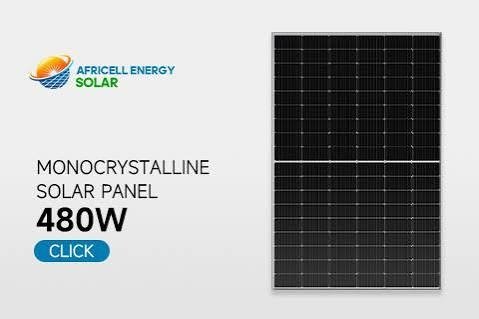
AFRICELL 320W Monocrystalline Solar Panel 72-cell panel
Original price was: ₦72,000.00.₦70,000.00Current price is: ₦70,000.00.AFRICELL 320W Monocrystalline Solar Panel 72-Cell Panel
Explore solar energy for your electricity needs with the AFRICELL 320W Monocrystalline Solar Panel. This product is advertised as a 320-watt photovoltaic module featuring 72 solar cells. It may be an option for compatible solar installations that need to convert sunlight into usable electrical energy.
Solar panels can contribute to residential, commercial, and off-grid energy systems. However, actual power generation depends on sunlight exposure, temperature, shading, installation angle, and the condition of the module. Check the product’s specifications before choosing it for your particular solar project.
Practical Solar Power for Different Applications
A 320W solar module can contribute to a small or medium-sized solar installation when the panel matches the system’s electrical requirements. Depending on available sunlight and supporting equipment, it may help charge a compatible battery or provide electricity through a properly designed solar setup.
Possible applications include off-grid lighting, small solar power projects, and selected household or business equipment. The right configuration depends on how much energy your appliances consume and how long they operate. For this reason, assess your daily electricity needs before deciding how many panels to install.
Panel placement also affects performance. Choose a location with good sunlight exposure and minimal shading. Secure the panel using suitable mounting hardware and follow the installation instructions supplied with the product. Regular inspection can help identify loose connections, surface dirt, or mounting issues.
Remember that rated wattage represents a specified test condition rather than guaranteed output throughout the day. Weather, temperature, shading, and system losses can reduce the electricity available in actual operating conditions.
Monocrystalline Cells and System Integration
Monocrystalline photovoltaic cells generate direct-current electricity when exposed to sunlight. The advertised 72-cell design identifies the panel’s cell count, but it does not independently confirm its voltage, efficiency, or dimensions. Use the exact datasheet to determine whether the module suits your installation.
A complete solar setup may include a solar charge controller, battery bank, inverter, wiring, connectors, mounting equipment, and protective devices. Each component must have suitable electrical ratings. The controller must accept the panel’s voltage and current, while its charging settings must match the battery manufacturer’s requirements.
Do not select a controller based only on the panel’s 320W rating. Check voltage at maximum power, open-circuit voltage, current at maximum power, and short-circuit current. These values help determine which equipment and panel connection arrangements are appropriate.
The panel should not be connected directly to a battery without a suitable charging arrangement. Use correctly rated cables and protective equipment, and ask a qualified technician to check the design if necessary.
Confirm the Exact Product Before Ordering
AFRICELL’s official catalogue currently lists several monocrystalline panel models, including 300W and 330W options, but does not clearly confirm a 320W model. A third-party seller advertises a 320W, 72-cell AFRICELL panel and identifies it as refurbished. Therefore, verify the exact product and its condition before purchase. <Cite refs={[“turn980485search1″,”turn980485search3″,”turn980485search5”]}/>
Ask the supplier for the model number, current datasheet, rated power, electrical ratings, dimensions, connector details, and warranty terms. Confirm whether the panel is new, used, or refurbished, and inspect its physical condition before installation.
Also ensure that the selected controller and inverter support the panel’s electrical characteristics. Use suitable mounting hardware and follow all manufacturer instructions.
The AFRICELL 320W Monocrystalline Solar Panel may be suitable for a compatible solar energy project once its specifications are confirmed. Verify the model, product condition, and electrical ratings before ordering so that the panel matches your system requirements.
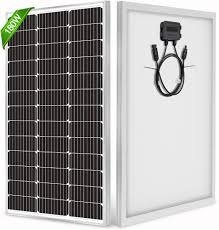
AFRICELL 330W Monocrystalline Solar Panel 72-cell PV module
Original price was: ₦74,000.00.₦72,000.00Current price is: ₦72,000.00.AFRICELL 330W Monocrystalline Solar Panel 72-cell PV Module
Looking for a solar panel for a home or business energy system? The AFRICELL 330W Monocrystalline Solar Panel is a photovoltaic module listed in AFRICELL’s solar product range. With a stated output rating of 330 watts, it can help form part of a solar installation designed to turn sunlight into useful electricity. It is worth considering for customers comparing solar panel options for new projects or system upgrades.
AFRICELL’s official product range includes a 330W monocrystalline solar panel. However, buyers should confirm that the exact model being supplied matches the advertised 72-cell configuration, since the official listing does not establish every technical detail. Request the manufacturer’s datasheet before finalising your purchase.
Key Features of the AFRICELL 330W Solar Panel
This panel is advertised with monocrystalline solar cell technology. Such technology is commonly used in photovoltaic installations for converting sunlight into electrical energy. The stated 330W rating provides a starting point for comparing panel output, but actual production depends on operating conditions and the complete system design.
A solar panel’s daily energy generation is affected by sunlight intensity, weather, temperature, shading, orientation, and installation angle. As a result, real-world output may be lower than the rated maximum. For a more accurate estimate, a solar installer can assess your location, roof space, daily energy consumption, and expected sunlight exposure.
Before ordering, check the product label and ask the seller to confirm the exact model number, cell count, dimensions, weight, electrical ratings, warranty, and product condition. These details help ensure that the delivered panel matches your expectations.
Applications for Homes and Businesses
A 330W photovoltaic module can be considered for various solar projects when its electrical specifications match the rest of the system. Potential applications include residential rooftop arrays, small business installations, and larger solar setups assembled from multiple compatible panels. The right configuration depends on the appliances being powered, the inverter capacity, the battery system, and the amount of available sunlight.
If you plan to use the panel with a battery, select a compatible solar charge controller or inverter with an integrated controller. The controller must support the panel’s voltage and current characteristics as well as the battery type. Do not assume that every 12V or 24V system is compatible based only on the panel’s wattage.
Installation, Compatibility, and Buying Advice
Correct installation helps improve performance and supports safe operation. Use a secure mounting structure, suitable weather-resistant connectors, correctly rated wiring, and appropriate electrical protection. Position the panel to reduce avoidable shade, and ask a qualified installer to determine the correct wiring arrangement for multiple modules.
For series connections, the combined voltage must remain within the inverter or controller’s permitted input range. For parallel connections, the combined current must also remain within equipment limits. The installer should account for voltage changes in cold conditions and follow the manufacturer’s installation instructions.
The AFRICELL 330W Monocrystalline Solar Panel may suit buyers seeking a solar module with a stated 330W rating. Before purchase, verify the 72-cell specification, full datasheet, warranty terms, and compatibility with your equipment. Choosing a confirmed model makes it easier to plan a dependable solar installation and avoid mismatched components.
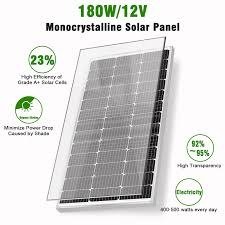
AFRICELL 350W Monocrystalline Solar Panel 24V PV module
Original price was: ₦76,000.00.₦75,000.00Current price is: ₦75,000.00.AFRICELL 350W Monocrystalline Solar Panel 24V PV Module
The AFRICELL 350W Monocrystalline Solar Panel 24V PV Module is advertised for customers looking to generate electricity from sunlight. With a stated 350-watt power rating, it can be part of a properly designed solar power system for homes, shops, offices, and other suitable applications. Its monocrystalline technology makes it relevant to buyers comparing photovoltaic modules for residential or commercial energy projects.
AFRICELL’s official product page lists a 350W monocrystalline model, identified as GL-MONO-350W. However, the published specifications list 120 cells and a maximum power voltage of 34.00V. These details do not confirm the advertised 72-cell, 24V configuration. Confirm the exact model and datasheet with your seller before purchasing. <Cite refs={[“turn339668search0″,”turn339668search11”]}/>
A Practical Option for Solar Energy Generation
Solar panels produce electricity when sunlight reaches their photovoltaic cells. The AFRICELL 350W panel can contribute to a solar installation designed to power compatible equipment or charge a suitable battery system. Its actual usefulness depends on your electricity needs, available sunlight, and the capacity of the other system components.
The rated 350W output is a standardised power rating rather than a promise of constant production. Sunlight intensity, clouds, shade, panel temperature, orientation, and installation angle can all influence the amount of electricity generated. For this reason, daily energy estimates should be based on local sunlight conditions and the intended installation.
Good installation practices can help support consistent operation. Choose a location with minimal shading, use a secure mounting structure, and follow the manufacturer’s instructions for cleaning and inspection. A qualified installer can also help estimate the number of panels required for your household or business.
Monocrystalline Technology and Electrical Specifications
Monocrystalline solar cells convert sunlight into direct-current electricity. When selecting a solar module, buyers should check its maximum power voltage (Vmp), maximum power current (Imp), open-circuit voltage (Voc), short-circuit current (Isc), dimensions, and maximum system voltage. These values help determine whether the panel suits the selected inverter or solar charge controller.
The advertised 24V label requires confirmation. A nominal 24V system description does not necessarily mean the panel operates at exactly 24 volts. The official AFRICELL GL-MONO-350W listing specifies a Vmp of 34.00V, so buyers should not assume that every AFRICELL 350W panel has identical electrical characteristics. <Cite refs={[“turn339668search0”]}/>
Ask the supplier to confirm the model number, cell count, voltage ratings, current ratings, panel condition, and warranty. Match these specifications with your inverter and battery system before connecting the equipment.
Installation and System Compatibility
This solar panel may be suitable for a residential rooftop, a small commercial installation, or a larger solar array when its verified specifications meet the system requirements. The correct configuration depends on the inverter’s maximum PV input voltage, MPPT operating range, current limits, and total permitted solar power.
Using multiple panels in series increases array voltage, while connecting them in parallel increases array current. Both arrangements must remain within the limits of the inverter or charge controller. Appropriate mounting hardware, compatible connectors, correctly rated cables, and suitable electrical protection are essential for a safe installation.
The AFRICELL 350W Monocrystalline Solar Panel is worth considering when comparing solar modules by rated power and cell technology. Before ordering, verify the exact 24V model, whether it is a 72-cell panel, the full manufacturer datasheet, and the warranty terms. This will help ensure that the product matches your solar project’s requirements.
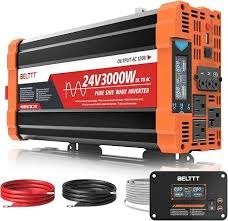
AFRICELL 3KVA Hybrid Inverter 24V pure sine wave
Original price was: ₦263,000.00.₦260,000.00Current price is: ₦260,000.00.AFRICELL 3KVA Hybrid Inverter 24V Pure Sine Wave
The AFRICELL 3KVA Hybrid Inverter 24V Pure Sine Wave is intended as a solar power solution for users seeking backup electricity and solar energy integration. A hybrid inverter can coordinate power from solar panels, a battery bank, and utility electricity, depending on the model’s design. It may be suitable for selected household or small-business loads when its confirmed capacity matches the appliances being used.
Before ordering, verify the exact model with the supplier. AFRICELL’s official website lists 5KVA residential and commercial hybrid inverters and larger commercial products, but does not currently confirm this specific 3KVA/24V model. The product’s detailed specifications should therefore be checked against its official datasheet. <Cite refs={[“turn557105search5”]}/>
Stable Power with Pure Sine Wave Output
Pure sine wave output is designed to provide AC electricity with a waveform similar to utility power. It is commonly used for electronic equipment and household appliances that require suitable AC power. Depending on its verified capacity, a 3KVA inverter may support lighting, fans, televisions, internet routers, computers, and other compatible devices.
The number and type of appliances that can operate together depend on the inverter’s continuous wattage, power factor, and surge capacity. Appliances with motors or compressors may require significantly more power when starting than during normal operation. Check both running and starting requirements before connecting a refrigerator, water pump, or similar equipment.
The 3KVA label describes apparent power, not necessarily 3,000 watts of usable continuous power. Ask the seller to confirm the actual rated wattage and peak surge capability. These figures help you determine whether the inverter can support your intended loads without frequent overloads.
24V Battery and Solar Charging Options
The 24V designation indicates the intended nominal battery system if it matches the actual model. Battery compatibility depends on the inverter’s supported chemistry, operating voltage range, charging profile, and current limits. Do not connect a battery until you have confirmed these requirements.
Some hybrid inverters include a built-in MPPT solar charge controller, allowing them to manage electricity from compatible solar panels. Other models may use different charging arrangements. Verify the controller type, maximum PV input voltage, permitted solar array wattage, MPPT operating range, and maximum charging current before purchasing panels.
A correctly configured system should use compatible cables, suitable circuit protection, proper grounding, and a battery bank designed for the required loads. A professional installer can calculate the appropriate battery capacity and solar array size based on your daily energy use and backup requirements.
Installation and Product Selection
The AFRICELL 3KVA Hybrid Inverter can be considered for a solar backup project once the exact model and specifications are confirmed. Start by listing the appliances you need to operate, their wattage, and how long they must run during an outage. This information helps establish the required inverter capacity and battery storage.
Check the manufacturer’s instructions for installation location, ventilation, cable sizing, battery connections, and protective equipment. The inverter should be installed in a suitable environment with enough airflow and access for maintenance. Electrical installation should be completed by a qualified professional.
Before purchase, confirm the product’s model number, rated output in watts, surge capacity, battery voltage, supported battery types, PV input specifications, charging current, warranty, and available monitoring features. Ask the seller to provide the technical datasheet that corresponds to the actual unit.
The AFRICELL 3KVA Hybrid Inverter 24V Pure Sine Wave is a product option to investigate for home or small-business backup power. Verifying the technical details and matching them to your loads, battery, and solar panels will help you choose a suitable system.
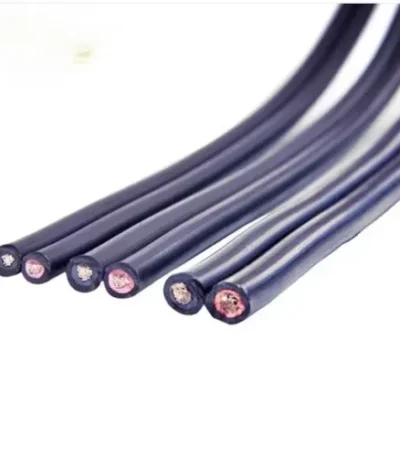
AFRICELL 400W All-in-One Solar Street Light
Original price was: ₦156,000.00.₦155,000.00Current price is: ₦155,000.00.The AFRICELL 400W All-in-One Solar Street Light offers solar-powered illumination for roads, pathways, parking areas, and compounds. Its integrated design may simplify installation. Check brightness, battery capacity, panel specifications, operating time, mounting requirements, and weather resistance before purchasing to ensure suitable lighting coverage for your outdoor project.
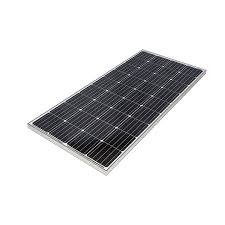
AFRICELL 400W Monocrystalline Solar Panel half-cut cell technology
Original price was: ₦84,000.00.₦82,000.00Current price is: ₦82,000.00.AFRICELL 400W Monocrystalline Solar Panel Half-Cut Cell Technology
Upgrade your solar energy plans with the AFRICELL 400W Monocrystalline Solar Panel, a photovoltaic module advertised for solar power generation in homes, businesses, and other suitable installations. Its stated 400-watt output rating makes it a useful option to compare when planning a new solar array or expanding an existing system. The product is marketed with half-cut cell technology, a feature that buyers should verify against the exact manufacturer’s datasheet before ordering.
AFRICELL’s official product page identifies its 400W model as GL-MONO-400W and publishes electrical and mechanical specifications for that model. The listing does not clearly confirm the half-cut technology claim, so check the product label and ask the supplier for the official documentation matching the panel you will receive. <Cite refs={[“turn575632search0”]}/>
Solar Power for Different Energy Requirements
A solar panel converts sunlight into electrical energy that can be used by compatible equipment or incorporated into a wider power system. The AFRICELL 400W module can be considered for residential rooftops, commercial premises, and suitable off-grid projects. Its role in the system will depend on your daily electricity consumption and the capacity of the connected equipment.
Actual energy output varies with sunlight intensity, weather, shade, orientation, temperature, and system losses. The 400W rating represents peak power under standard test conditions rather than a constant output throughout the day. A solar professional can estimate daily generation based on local conditions and calculate how many panels your installation may require.
Position the panel to receive good sunlight while reducing avoidable shading. Use an appropriate mounting structure and follow the manufacturer’s installation and maintenance instructions. Regular inspection can help identify loose connections, visible damage, or dirt that may affect performance.
Key Specifications and Half-Cut Cell Technology
When evaluating a solar module, review its rated power, operating voltage, current, dimensions, weight, and warranty. AFRICELL’s published GL-MONO-400W specifications include a peak power of 400W, maximum power voltage of 34.00V, maximum power current of 11.76A, open-circuit voltage of 40.50V, and short-circuit current of 12.58A. <Cite refs={[“turn575632search0”]}/>
Half-cut solar cells are designed by dividing conventional cells into smaller sections. Depending on the module’s circuit design, this arrangement can help reduce resistive losses and improve performance under certain partial-shading conditions. However, the actual benefits depend on the complete panel design and installation. Do not assume a specific cell layout or performance improvement without confirmation from the manufacturer.
Check whether the supplied AFRICELL panel uses the advertised half-cut configuration. Request the exact model number and datasheet so you can compare its electrical values with your inverter, charge controller, and other system components.
Compatibility, Installation, and Purchase Advice
Before installation, confirm that the panel’s voltage and current fall within the limits of the connected inverter or solar charge controller. The system designer should consider the maximum PV input voltage, operating range, current limits, and total permitted array power. Multiple panels connected in series increase voltage, while parallel connections increase current, so the configuration must be calculated correctly.
Use compatible connectors, correctly rated solar cables, secure mounting hardware, and suitable electrical protection. A qualified installer can help select the correct configuration and ensure that the installation follows applicable safety requirements.
The AFRICELL 400W Monocrystalline Solar Panel can be considered by buyers seeking a module with a stated 400W rating. Before purchase, verify its half-cut cell technology, complete specifications, warranty, and product condition. Matching the confirmed panel specifications to your energy requirements will help you make a more informed buying decision.
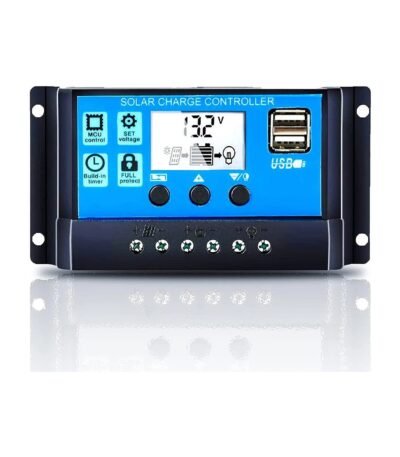
AFRICELL 40A MPPT Charge Controller 12V/24V
Original price was: ₦49,000.00.₦48,000.00Current price is: ₦48,000.00.AFRICELL 40A MPPT Charge Controller 12V/24V for Solar Energy
A well-designed solar system needs a controller that matches its panels and batteries. The AFRICELL 40A MPPT Charge Controller 12V/24V helps regulate solar battery charging in compatible installations. It uses maximum power point tracking to adjust panel operation and make better use of available solar energy.
This 40A MPPT solar charge controller supports compatible 12V and 24V battery systems. However, the exact battery options depend on the model’s specifications. Before installation, check the supported battery chemistry, charging voltage settings, and maximum solar input voltage.
MPPT technology offers an advantage when the solar array operates at a higher voltage than the battery requires. The controller converts the available panel power into suitable charging output within its operating limits. Consequently, the system can often harvest more energy than a comparable PWM setup.
The actual benefit varies with sunlight, panel temperature, battery state, and system design. Therefore, selecting suitable panels and configuring the controller correctly remain essential for reliable performance.
Smart Power Management for Everyday Solar Use
The AFRICELL 40A MPPT Charge Controller 12V/24V can support solar installations in homes, shops, cabins, and other compatible off-grid environments. Its charging regulation helps manage the connection between the solar array and battery bank. In addition, MPPT tracking can improve energy collection when conditions favor its operation.
The controller’s 40A rating helps buyers assess its suitability for their intended system. Nevertheless, charging current is only one part of the selection process. You must also review the maximum PV voltage and permitted solar array power for your chosen battery voltage.
Some solar controllers include safeguards against overcharging, overloads, short circuits, or reverse polarity. However, you should not assume that every feature comes with this model. Check the manufacturer’s documentation to identify the protections actually provided.
For safer installation, use cables rated for the expected current and secure all connections properly. Also, follow the recommended wiring sequence. If you are unfamiliar with solar electrical equipment, consult a qualified installer before connecting the system.
Choose a Suitable Controller for Better Solar Performance
The AFRICELL 40A MPPT Charge Controller 12V/24V offers a practical option for users planning a compatible solar charging system. Its MPPT technology can help improve solar energy harvesting, while its supported voltage options provide flexibility for different installations.
Before buying, compare your panel specifications with the controller’s input limits. Check the battery voltage, charging profile, rated current, and permitted array wattage. Furthermore, consider whether the controller supports your battery’s chemistry and required charging settings.
A 40A MPPT solar charge controller should always match the complete electrical design. For example, a solar array with excessive open-circuit voltage can exceed the controller’s limits, especially in cold weather. Therefore, calculate the maximum expected panel voltage before installation.
Once installed, inspect wiring periodically and monitor battery performance. Keep the unit within its recommended temperature and environmental limits. Additionally, follow the battery manufacturer’s maintenance instructions to support dependable operation.
By selecting compatible components and following installation guidelines, you can build a more effective solar charging system. Careful planning also helps reduce compatibility issues and makes better use of your solar equipment over time.

AFRICELL 40A PWM Charge Controller 12V/24V
Original price was: ₦19,000.00.₦18,000.00Current price is: ₦18,000.00.AFRICELL 40A PWM Charge Controller 12V/24V
The AFRICELL 40A PWM Charge Controller 12V/24V is a solar accessory listing for users looking to manage battery charging in a compatible solar installation. A charge controller sits between the solar panels and battery, helping regulate charging according to its design and settings. It can be an important component in off-grid systems, solar lighting projects, and selected backup power applications.
Before selecting this product, confirm the exact AFRICELL model and its official specifications with the supplier. The advertised 40A rating and 12V/24V compatibility should be checked against the manufacturer’s documentation to ensure the controller suits your intended setup.
A Useful Component for Solar Systems
Solar panels produce electricity that can charge a battery, but the charging process must follow the battery manufacturer’s requirements. A charge controller helps regulate this process and may provide functions that reduce the risk of overcharging or excessive battery discharge. The available protections depend on the specific model.
PWM technology, or pulse width modulation, is used in many solar charge controllers. It regulates the charging connection between the solar panel and battery. PWM controllers are generally best suited to solar arrays configured within their supported voltage limits. Their performance depends on panel characteristics, battery voltage, sunlight, and system design.
The AFRICELL 40A PWM Charge Controller is listed for 12V and 24V applications. Check whether it detects the battery voltage automatically and whether its 40A rating applies to charging current, load current, or both. These details affect how the controller should be selected and installed.
Choose Compatible Panels and Batteries
Battery and panel compatibility are essential for safe operation. Start by confirming the supported battery types. Different lead-acid batteries and lithium batteries can require different charging voltages and charging procedures. Use lithium batteries only if the controller supports the specific chemistry and charging parameters recommended by the battery manufacturer.
Next, check the controller’s maximum solar input voltage and permitted solar array power. A panel’s open-circuit voltage can rise in cooler conditions, so the array must remain within the controller’s voltage limit under expected operating conditions. When connecting several panels, follow the manufacturer’s approved wiring arrangements.
Confirm whether the controller provides overcharge, over-discharge, overload, short-circuit, and reverse-polarity protection. Do not assume these functions are all included without an official datasheet. Also check whether the unit has an LCD screen, status indicators, load terminals, or other features you require.
Installation and Product Verification
Before purchasing the AFRICELL 40A PWM Charge Controller 12V/24V, request the official user manual and technical datasheet. Verify the model number, maximum charging current, supported system voltages, solar input limits, battery compatibility, protection functions, and warranty conditions. This information helps you determine whether the product is suitable for your solar installation.
Install the controller in a suitable location with adequate ventilation and protection from environmental conditions beyond its specified rating. Use correctly sized cables and protective devices, observe polarity, and follow the manufacturer’s connection instructions. A qualified installer can help match the controller to your solar array and battery bank.
Remember that PWM and MPPT controllers operate differently. A PWM controller should be used with a panel configuration that meets its input requirements; a higher panel voltage does not automatically mean better performance. Confirm the controller type before choosing the solar panels.
This listing is intended to help buyers understand the role of a 40A PWM controller in a solar power system. Because the exact AFRICELL model specifications remain unverified, confirm the technical details with the supplier before ordering. Correct product selection and installation can help your solar charging system operate within its intended limits.
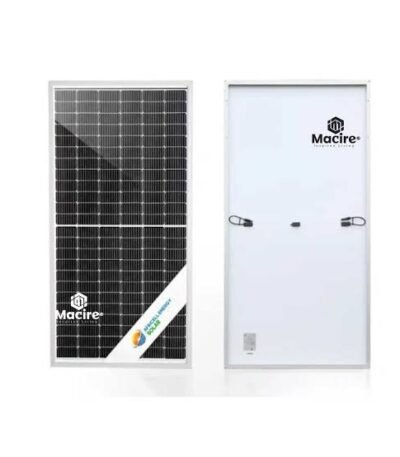
AFRICELL 430W Monocrystalline Solar Panel high-output PV module
Original price was: ₦89,800.00.₦89,000.00Current price is: ₦89,000.00.AFRICELL 430W Monocrystalline Solar Panel High-Output PV Module
Choose the AFRICELL 430W Monocrystalline Solar Panel when comparing photovoltaic modules for a home, business, or larger solar energy project. This panel has a stated power output of 430 watts and is designed to generate electricity from sunlight. It can form part of a suitable solar array when its electrical specifications match the inverter, charge controller, and other components in the system.
AFRICELL’s official product listing identifies the module as GL-MONO-430W. The published specifications include a 430W peak power rating, 34.00V maximum power voltage, and 11.76A maximum power current. Buyers should use the official datasheet to confirm these values against the exact unit supplied. <Cite refs={[“turn248403search0”]}/>
A Useful Choice for Solar Energy Projects
Solar power provides an alternative source of electricity by converting sunlight into electrical energy. The AFRICELL 430W panel can be considered for residential rooftop systems, commercial buildings, shops, and suitable off-grid installations. Depending on the project design, multiple compatible modules can be combined to provide a larger total solar capacity.
Actual output depends on the amount of sunlight reaching the panel. Weather, shade, temperature, panel orientation, installation angle, and electrical losses can all affect generation. The rated 430W output is measured under standard test conditions, so daily production will vary throughout the year.
Before selecting the number of panels, assess your energy consumption and available installation space. Consider the appliances you intend to power, the expected operating hours, and whether the system includes battery storage. A qualified solar installer can help estimate the required capacity and plan a suitable configuration.
Panel Construction and Electrical Performance
Monocrystalline photovoltaic cells convert sunlight into direct-current electricity. AFRICELL’s official GL-MONO-430W listing describes a 120-cell module with approximate dimensions of 1722 × 1134 × 30 mm and a weight of 20.5 kg. It also lists an IP65-rated junction box and 17% module efficiency. <Cite refs={[“turn248403search0”]}/>
Electrical specifications are essential when matching a solar panel with other equipment. The maximum power voltage (Vmp) and maximum power current (Imp) describe operation near the panel’s rated power point. Open-circuit voltage (Voc) and short-circuit current (Isc) are also important for system design and electrical protection.
Do not assume that a panel is compatible with a particular inverter simply because both are marketed for solar use. Check the inverter’s supported PV voltage range, maximum input voltage, current limits, and MPPT requirements. Confirm the panel’s exact model and datasheet before purchasing.
Safe Installation and Long-Term Planning
The AFRICELL 430W solar module may be suitable for a new installation or for expanding an existing array when the electrical ratings and mounting requirements match the project. A correctly designed system should account for local sunlight conditions, available roof space, expected electricity demand, and the capacity of the connected equipment.
Install the panel using a secure mounting structure, compatible connectors, correctly rated solar cables, and suitable electrical protection. The installer must calculate the correct series or parallel arrangement for multiple panels and ensure that the total array voltage and current stay within the equipment limits.
Before placing an order, verify the model number, product condition, warranty coverage, and accessories included with the panel. Ask the supplier for the manufacturer’s current datasheet and confirm that the delivered unit matches the published specifications.
The AFRICELL 430W Monocrystalline Solar Panel is an option for customers seeking a solar module with a stated 430W rating. Careful specification checks and professional installation can help you choose components that work together effectively in your solar energy system.