


10kWh Lithium Battery







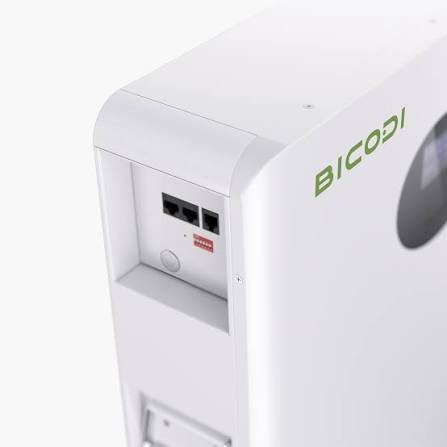
BICODI Rack-Mount 10kWh Lithium Battery
Original price was: ₦2,150,000.00.₦2,050,000.00Current price is: ₦2,050,000.00.Flexible Energy Storage for Solar Systems
Make Better Use of Solar Electricity
Solar panels generate electricity according to sunlight conditions. During the day, a solar system may produce energy that the property does not need immediately. A compatible battery can store some of that available energy for use later.
The BICODI Rack-Mount 10kWh Lithium Battery is an option to explore when comparing residential energy storage solutions. In a suitable installation, stored electricity may help power selected appliances during the evening or when solar generation decreases. This can help households use more of their self-generated solar energy.
A battery may also support backup loads during a power interruption when the inverter and electrical installation provide a suitable backup function. However, backup operation is not automatic. It depends on the inverter, system wiring, battery charge, and connected appliances.
For this reason, identify the essential devices you want to keep running during an outage. Estimate their combined energy consumption and compare it with the battery’s usable capacity. This process provides a more realistic understanding of potential backup duration.
Check Battery and Inverter Compatibility
Compatibility is essential for safe and effective battery operation. The battery must meet the inverter’s electrical requirements and support the necessary communication functions. The charging equipment must also operate within the battery manufacturer’s specified limits.
Before ordering the BICODI Rack-Mount 10kWh Lithium Battery, confirm its nominal voltage, usable energy, maximum charge and discharge current, and supported inverter models. Also, check the battery management system requirements and any communication cables needed for installation.
If you plan to connect multiple batteries, verify that the exact model supports the proposed configuration. Check the maximum number of units, approved connection methods, and any restrictions on combining different battery models. In addition, make sure the rack or cabinet meets the product’s physical installation requirements.
Professional installation can help ensure correct wiring and suitable electrical protection. Always follow the manufacturer’s installation and commissioning instructions.
Select Storage That Meets Your Needs
The right battery capacity depends on your electricity consumption, solar generation, and backup goals. For example, a system designed for lighting, networking equipment, and small electronics may need less energy than one intended to support refrigerators, pumps, or cooling equipment.
The BICODI Rack-Mount 10kWh Lithium Battery may suit buyers comparing larger storage options for compatible solar or backup systems. Start by reviewing your electricity bills and listing the appliances you want to operate. Next, estimate their energy use and compare it with the battery’s verified usable capacity and output limits.
You should also consider the complete installation cost. An inverter, battery rack, cables, protection devices, and professional installation may affect your total budget. Check the warranty terms and availability of technical support before making a final decision.
With careful planning, you can choose an energy storage solution that matches your requirements. Always confirm the exact specifications with the supplier or official product datasheet before purchasing.
BICODI Stackable 10kWh Lithium Battery Module
Original price was: ₦2,080,000.00.₦1,980,000.00Current price is: ₦1,980,000.00.Practical Energy Storage for Modern Homes
Make Better Use of Solar Electricity
Solar panels produce electricity according to sunlight conditions. As a result, energy generation may decrease in the evening or during cloudy weather. A suitable battery can store available electricity and make it accessible later, depending on the system’s configuration and remaining charge.
The BICODI Stackable 10kWh Lithium Battery Module is intended for buyers exploring lithium battery storage for residential energy systems. A properly configured installation can help households use stored electricity during periods of lower solar generation. It may also support selected loads during a power interruption when the inverter and electrical installation provide backup functionality.
However, a battery does not automatically provide whole-house backup. The available power depends on the inverter, battery discharge limits, system wiring, and connected appliances. For this reason, identify which loads need backup before choosing the final system configuration.
Check Compatibility Before Installation
Compatibility is one of the most important considerations when choosing a stackable lithium battery. The battery’s electrical characteristics must match the supported inverter and charging equipment. In addition, the installation must follow the manufacturer’s instructions for communication, protection, wiring, and ventilation or clearance requirements.
Before ordering the BICODI Stackable 10kWh Lithium Battery Module, confirm its battery chemistry, nominal voltage, usable capacity, and maximum charge and discharge current. You should also check whether the product supports your preferred inverter brand and whether any additional cables, communication devices, or mounting accessories are required.
If you plan to expand your storage capacity later, ask the supplier about approved module combinations. Not every battery model can connect with every other model. Therefore, confirm the permitted number of modules and any restrictions on mixing battery capacities or production versions.
Choose Storage That Matches Your Needs
The right battery capacity depends on how much electricity you use and how long you want your system to support your appliances. For example, lighting, routers, fans, and selected electronics generally require less energy than air conditioners, electric heaters, or other high-power equipment. Your actual backup time will depend on the combined power consumption and the energy available from the battery.
The BICODI Stackable 10kWh Lithium Battery Module may suit homeowners comparing modular storage solutions for solar installations. To make an informed choice, estimate your daily consumption and identify essential appliances. Then, compare the battery’s usable capacity and output limits with your requirements.
Finally, review the official technical documentation and warranty terms before making a purchase. Confirm the installation method, operating conditions, supported inverter models, and available safety protections. These checks help you select a compatible system and plan an installation that meets your household’s energy storage needs.
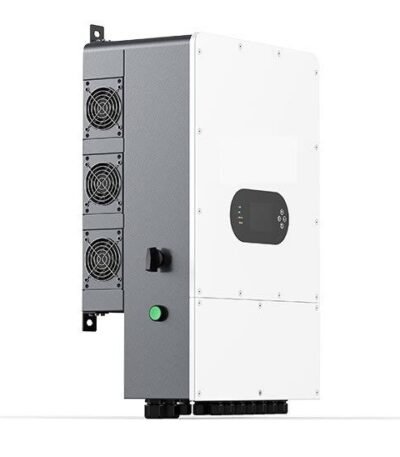
HAISIC HS-LD10000W 10kWh lithium battery
Original price was: ₦1,660,000.00.₦1,650,000.00Current price is: ₦1,650,000.00.High-Capacity 10kWh Lithium Energy Storage
The HAISIC HS-LD10000W 10kWh Lithium Battery is designed for consideration in energy storage systems that require a substantial reserve of rechargeable electricity. Its stated 10kWh capacity makes it an option for homeowners planning solar storage or compatible backup power solutions.
Electricity use varies from one household to another. Lighting, refrigeration, electronics, and other appliances all contribute to total consumption. Consequently, selecting a suitable battery requires more than looking at capacity alone. Users should also consider the power demand of connected equipment and the length of time they want to operate it.
A compatible battery system can store electricity when energy is available and supply it later according to the system’s configuration. For homes with solar panels, this approach may help manage the difference between daytime generation and evening consumption.
The HAISIC HS-LD10000W 10kWh Lithium Battery can be evaluated for residential energy storage applications. Before purchase, confirm the exact battery chemistry, voltage, dimensions, charging limits, and other specifications in the manufacturer’s documentation.
Integration with Compatible Solar Equipment
A lithium battery normally works alongside other components in a complete energy system. Depending on the installation, these may include solar panels, a hybrid or compatible battery inverter, wiring, and electrical protection equipment.
During daylight hours, solar panels can generate electricity for suitable household loads. When the system has available energy, it may also charge the battery. Later, stored electricity can help supply compatible loads when solar generation decreases.
However, every component must support the intended configuration. Check the inverter’s battery compatibility, voltage range, charging current, and communication requirements before installation. In addition, confirm that the system can handle the expected household load.
The HAISIC HS-LD10000W 10kWh Lithium Battery should only be installed according to the manufacturer’s guidelines. A qualified installer can assess your system and help verify the correct equipment and settings.
Practical Battery Storage for Everyday Power Needs
Home energy storage can give users more flexibility when managing available electricity. With a suitable setup, stored energy may support essential appliances when solar generation is low or during supported backup operation.
To estimate the battery’s usefulness, list the appliances you want to power and calculate their expected energy consumption. For instance, equipment that runs continuously may use more energy over time than devices used occasionally. Therefore, your appliance selection can significantly affect backup duration.
Proper installation and routine checks also help support safe operation. Follow the manufacturer’s instructions for charging, operating conditions, maintenance, and electrical protection. Avoid using incompatible equipment or exceeding the system’s specified limits.
In summary, the HAISIC HS-LD10000W 10kWh Lithium Battery offers a substantial storage capacity for compatible home energy systems. By confirming its specifications and planning around your actual electricity needs, you can determine whether it suits your solar storage or backup power project.

HAISIC HS-WALL-10K 10kWh wall-mounted lithium battery
Original price was: ₦1,760,000.00.₦1,750,000.00Current price is: ₦1,750,000.00.High-Capacity 10kWh Lithium Energy Storage
The HAISIC HS-WALL-10K 10kWh Wall-Mounted Lithium Battery provides a stated storage capacity of 10kWh for compatible energy systems. It offers an option for users who want to store electricity and access it when needed.
Energy storage helps balance electricity generation and consumption. For instance, a compatible solar system may generate surplus electricity during daylight hours. The battery can store available energy for later use, depending on the system configuration. Consequently, users can manage their available power more effectively.
The right battery capacity depends on daily energy consumption and backup requirements. Therefore, begin by identifying the appliances you want to support. Next, estimate their energy use and compare it with the battery’s usable capacity.
It is also important to distinguish energy capacity from power output. The 10kWh rating describes stored energy, not the maximum power the battery can deliver at one moment. Check the official datasheet for maximum charging and discharging power, battery voltage, and usable capacity.
Compatibility and Safe Battery Installation
The HAISIC HS-WALL-10K 10kWh Wall-Mounted Lithium Battery must work with compatible inverters and charging equipment. Before purchasing, verify its nominal voltage, charging requirements, and supported inverter models.
Communication compatibility may also matter. Some energy storage systems require specific communication protocols to coordinate charging, discharging, and battery monitoring. Therefore, confirm these requirements before connecting the battery to other equipment.
In addition, use suitable cables and electrical protection devices. A qualified installer can assess the system and complete the installation according to the manufacturer’s instructions. This helps reduce compatibility issues and supports safe operation.
You should also confirm the battery chemistry, operating temperature range, warranty, and cycle life through the official product documentation. Avoid assuming these specifications without reliable product information.
Flexible Energy Storage for Homes and Businesses
The HAISIC HS-WALL-10K 10kWh Wall-Mounted Lithium Battery can support energy management in suitable residential and commercial installations. Depending on the system design, stored electricity may help power selected appliances when solar production decreases.
For effective backup planning, calculate the combined energy consumption of your essential appliances. Then compare that figure with the battery’s usable capacity. Remember that inverter losses and battery operating limits can reduce the energy delivered to connected loads.
Furthermore, follow the manufacturer’s instructions for charging, installation, and maintenance. Confirm the available monitoring features and expansion options before purchasing. These details can help you assess whether the battery meets your requirements.
Overall, this 10kWh wall-mounted lithium battery offers an option for compatible solar storage and backup systems. With proper installation and suitable equipment, it can help users organize their energy storage and manage available electricity more effectively.
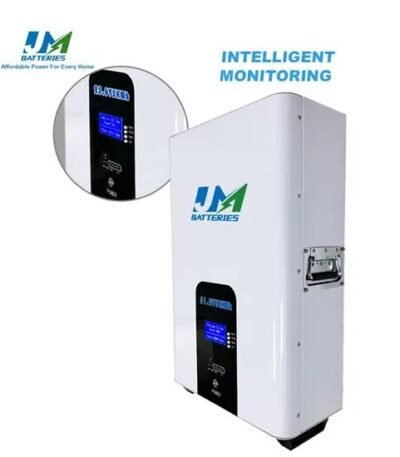
JINKO SOLAR JKS-HV10 10kWh High Voltage Lithium Battery
Original price was: ₦3,810,000.00.₦3,800,000.00Current price is: ₦3,800,000.00.Advanced Solar Energy Storage Solution
The JINKO SOLAR JKS-HV10 10kWh High Voltage Lithium Battery is designed for users who need dependable energy storage with a high-voltage system architecture. Its 10kWh capacity provides valuable storage for solar installations, backup power setups, and daily energy management.
Solar panels often produce the most electricity during daylight hours. However, energy demand can continue after sunset. This battery helps solve that gap by storing available energy for later use. As a result, users can improve their consumption of generated solar power.
The lithium battery format supports regular charging and discharging cycles. It also provides a practical solution for systems that require organized energy storage. Furthermore, the high-voltage configuration can work efficiently with compatible system components when installers follow the required specifications.
Flexible Use and Practical Energy Management
The JINKO SOLAR JKS-HV10 10kWh High Voltage Lithium Battery can support different energy storage applications. It may suit homes with solar panels, small businesses, backup systems, and other suitable installations. The exact application depends on the inverter, load requirements, installation conditions, and system design.
With 10kWh of storage capacity, users can keep additional solar energy for periods of lower generation. Therefore, the battery can support better energy planning across different times of the day. It may also help provide backup power for selected loads during grid interruptions.
Moreover, high-voltage storage can simplify the design of larger battery systems. Lower operating current can support efficient connections between compatible equipment. However, installers should always confirm the required voltage range and communication compatibility before installation.
The battery also offers a practical approach to reducing wasted solar generation. Instead of using all available power immediately, users can store excess energy and access it later. This approach can improve the overall value of a solar energy system.
The JINKO SOLAR JKS-HV10 10kWh High Voltage Lithium Battery should always operate with compatible equipment and suitable protection. Professional installation helps maintain safe connections and correct system settings. Regular monitoring can also help users maintain consistent performance over time.
Overall, this 10kWh lithium battery combines useful storage capacity with a high-voltage architecture. It provides a flexible option for modern solar energy systems. With correct installation and system matching, it can support reliable energy storage, better solar utilization, and convenient power management.
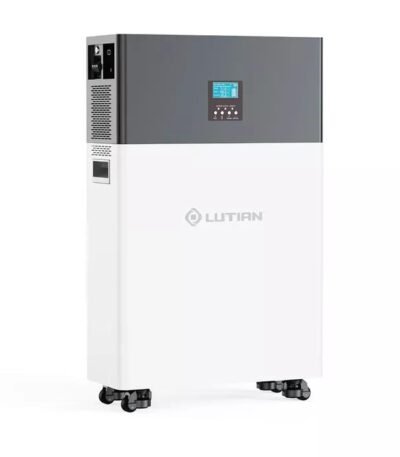
LUTIAN Battery Rack 10kWh lithium battery cabinet
Original price was: ₦181,000.00.₦180,000.00Current price is: ₦180,000.00.Reliable Lithium Battery Storage
The LUTIAN Battery Rack 10kWh lithium battery cabinet offers a dedicated storage solution for lithium battery systems. Its 10kWh capacity supports various energy storage requirements in residential and commercial environments. The cabinet helps users keep battery equipment in a structured location. Therefore, it can create a cleaner and more manageable energy storage setup.
Lithium battery systems can support many modern power applications. They can store energy for later use and help users manage changing electricity demands. With a dedicated cabinet, users can maintain a more organized installation. This approach also supports better planning for battery equipment and related energy components.
Practical Rack Structure
The LUTIAN Battery Rack 10kWh lithium battery cabinet uses a practical rack structure for organized energy storage. Its design helps users make better use of available floor space. Instead of placing battery equipment across different areas, users can maintain a dedicated storage arrangement. This creates a cleaner installation and supports easier equipment management.
Furthermore, the cabinet can suit different installation environments. It works well for homes, offices, commercial spaces, and renewable energy projects. Users can plan the cabinet placement according to their available space and energy requirements. The structured design also helps maintain a professional appearance around the battery system.
Backup Power and Renewable Energy
The LUTIAN Battery Rack 10kWh lithium battery cabinet can complement suitable solar and backup power systems. It provides storage capacity for energy that users can use when required. During power interruptions, stored energy can support selected electrical loads when the overall system allows it. In addition, the cabinet can support energy management for applications with changing power requirements.
For solar installations, battery storage can help retain generated energy for later use. This makes a dedicated battery cabinet useful for organized renewable energy projects. Moreover, the 10kWh capacity provides a practical option for users who need dependable energy storage without using excessive installation space.
Overall, this lithium battery cabinet combines organized storage, practical space management, and flexible energy applications. It provides a suitable foundation for modern backup and solar battery systems.
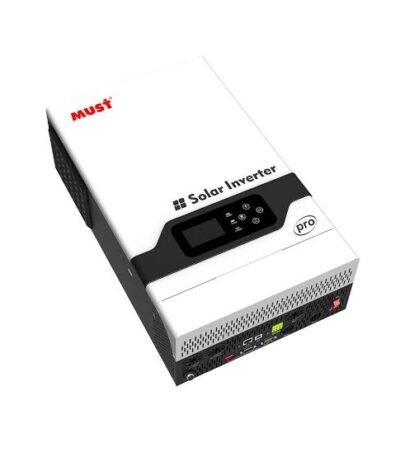
MUST 5.2KVA Hybrid Inverter + 10KWH Lithium Battery solar power system
Original price was: ₦7,320,000.00.₦7,310,000.00Current price is: ₦7,310,000.00.Hybrid Solar Power for Flexible Energy Management
The MUST 5.2KVA Hybrid Inverter + 10KWH Lithium Battery Solar Power System provides an option for users who want to combine solar power conversion with battery storage. A suitable hybrid system can manage available energy from supported sources according to its design and settings.
Solar panels can generate electricity when sunlight is available. Meanwhile, the battery can store energy for later use when the system supports this function. This arrangement can help users manage electricity consumption throughout the day.
Furthermore, the 10kWh capacity provides a useful starting point for estimating storage needs. However, usable energy may be lower than the stated capacity because of battery operating limits and conversion losses. Consider these factors when estimating backup duration.
Practical Applications for Residential Solar Systems
The MUST 5.2KVA Hybrid Inverter + 10KWH Lithium Battery Solar Power System can be considered for compatible home solar installations and other suitable energy applications. Its combination of inverter capacity and battery storage can help users plan a system around their daily electricity requirements.
For example, a compatible setup may supply selected household loads while solar generation is available. It may also store electricity for use when solar production becomes limited. Actual operation depends on the inverter model, battery compatibility, and system configuration.
In addition, check the inverter’s maximum PV input voltage, MPPT operating range, permitted solar input power, and charging-current limits. These specifications determine which solar panels can be connected safely.
Before purchasing, confirm the inverter’s actual rated wattage and supported operating modes. Do not assume that every hybrid inverter provides the same features.
Installation, Compatibility, and System Care
The MUST 5.2KVA Hybrid Inverter + 10KWH Lithium Battery Solar Power System should be installed according to the manufacturer’s instructions. Before connecting the equipment, verify the battery voltage, inverter output rating, solar input limits, and electrical protection requirements.
Also, use appropriately rated cables and protective devices. Select an installation location that meets the equipment’s temperature and environmental recommendations. Keep electrical connections secure and arrange periodic inspections.
If you plan to expand the system later, check whether the inverter and battery support additional units. Follow the manufacturer’s approved configuration for any expansion.
Overall, this hybrid solar power system offers an option for compatible energy storage and backup applications. Review the official datasheets before purchasing to confirm the inverter’s output, battery specifications, solar input capacity, and compatibility with your intended installation.
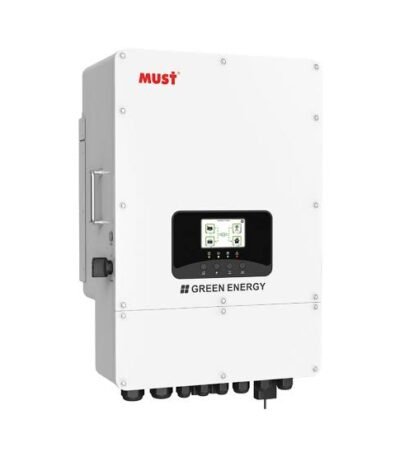
MUST 5KVA Inverter + 10KWH Lithium Battery Setup 48V solar inverter system
Original price was: ₦4,633,000.00.₦4,632,000.00Current price is: ₦4,632,000.00.Efficient Energy Management with a 10kWh Battery
The MUST 5KVA Inverter + 10KWH Lithium Battery Setup 48V Solar Inverter System combines energy conversion with a substantial stated storage capacity. This makes it an option for users who want to manage electricity use and maintain stored energy for suitable backup applications.
A compatible solar system can generate electricity during daylight hours. Depending on the equipment and system settings, available energy can supply connected loads or charge the battery. Later, stored electricity can help meet demand when solar production decreases.
Furthermore, the 10kWh rating can help users estimate their potential storage needs. However, usable energy may be lower than the stated capacity because of battery operating limits and conversion losses. Therefore, consider the actual usable capacity when estimating backup time.
Flexible Solar Inverter System Applications
The MUST 5KVA Inverter + 10KWH Lithium Battery Setup 48V Solar Inverter System can support different compatible energy management arrangements. The final configuration depends on the inverter model, solar input specifications, battery requirements, and installation design.
For residential use, it may support selected household appliances when their combined demand stays within the inverter’s limits. For a small business, it may help supply compatible equipment during periods of limited electricity availability.
In addition, solar panel selection requires careful planning. Check the inverter’s maximum PV input voltage, permitted solar power, MPPT operating range, and maximum charging current. Do not assume that every 5KVA inverter supports the same solar input capacity or features.
A qualified installer can help select compatible solar panels, cables, protection devices, and battery settings. This helps ensure that the components work together correctly.
Installation, Compatibility, and Maintenance
The MUST 5KVA Inverter + 10KWH Lithium Battery Setup 48V Solar Inverter System should be installed according to the manufacturer’s instructions. Before connecting the equipment, confirm the battery voltage, inverter output rating, charging limits, and electrical protection requirements.
Also, ensure that the cables and circuit protection devices are suitable for the system’s current and installation conditions. Place the equipment in an appropriate location that meets the manufacturer’s environmental and temperature recommendations.
Inspect connections periodically and follow the recommended maintenance procedures. If you plan to expand the system later, verify whether the inverter and battery support the proposed configuration.
Overall, this 5KVA inverter and 10kWh lithium battery setup provides an option for compatible solar energy and backup power systems. Review the official datasheets for both components before purchasing to confirm compatibility, supported features, and expected performance.
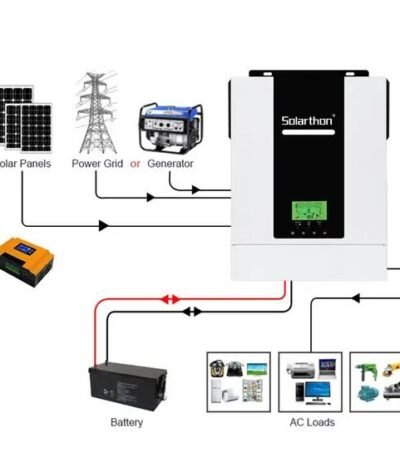
MUST 5KVA Inverter + 10KWH Lithium Battery Setup 5500W, 48V solar system
Original price was: ₦6,353,000.00.₦6,352,000.00Current price is: ₦6,352,000.00.Flexible 5500W Solar Energy System
The MUST 5KVA Inverter + 10KWH Lithium Battery Setup 5500W, 48V Solar System offers a configuration to evaluate for solar energy generation and backup power. Its stated 5500W rating may relate to the solar input or array capacity, so verify this detail before purchasing.
A properly designed solar system can convert sunlight into electricity for compatible household or business loads. Depending on the equipment, surplus energy may also charge the connected battery. Stored electricity can then help meet demand when solar production becomes limited.
Furthermore, the 10kWh battery capacity can support energy planning. However, the usable energy may be lower than the stated capacity because of battery operating limits and conversion losses. Therefore, estimate your backup requirements using the manufacturer’s usable-capacity specifications.
Energy Management with a 48V Inverter and Battery
The MUST 5KVA Inverter + 10KWH Lithium Battery Setup 5500W, 48V Solar System can help users manage available electricity through compatible solar and battery equipment. The inverter handles power conversion according to its design, while the battery stores energy for later use.
For example, the system may use solar generation to supply supported loads during the day. It may also store available electricity for use when solar production decreases, depending on the equipment and settings.
In addition, check the inverter’s maximum PV voltage, MPPT operating range, permitted solar input power, and charging-current limits. These specifications determine whether your planned solar panels can work safely with the inverter.
Always confirm that the inverter, battery, solar panels, and protective devices are compatible. A qualified installer can help verify the correct system configuration.
Installation, Safety, and System Compatibility
The MUST 5KVA Inverter + 10KWH Lithium Battery Setup 5500W, 48V Solar System should be installed according to the manufacturer’s instructions. Before connecting the components, check the inverter output rating, battery specifications, solar input limits, and required electrical protection.
Also, use appropriately rated cables and protective devices. Choose an installation location that meets the equipment’s temperature and environmental requirements. Keep connections secure and arrange periodic inspections.
If you plan to expand the system later, verify whether the inverter and battery support additional components. Never assume that extra batteries or solar panels can be added without checking the approved configuration.
Overall, this system offers a potential solution for compatible solar power and energy storage applications. Review the official datasheets to confirm the meaning of the 5500W rating, the inverter’s actual output capability, and the battery’s usable capacity before purchasing.
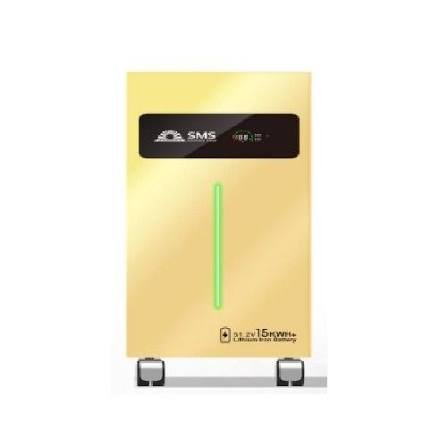
SMS SUNMATE SM-LFP-10KWH Lithium Battery 51.2V 200Ah LiFePO4
Original price was: ₦1,761,000.00.₦1,760,000.00Current price is: ₦1,760,000.00.10kWh Lithium Battery for Home Backup Power
The 10kWh Lithium Battery provides a practical solution for storing electricity in residential and commercial environments. Its 51.2V 200Ah configuration offers approximately 10.24kWh of nominal energy. Therefore, it can suit compatible solar storage systems and backup power installations.
This battery uses LiFePO4 technology for regular energy storage and delivery. It stores electricity when power is available and supplies stored energy when required. As a result, users can manage their electricity needs more effectively.
Store More Solar Energy
Solar panels generate electricity during daylight hours. However, homes and offices may still need power after sunset. The 10kWh Lithium Battery helps store available solar energy for later use.
When connected to a compatible inverter, it can supply electricity to supported appliances. These may include lights, fans, routers, and selected household equipment. Actual backup time depends on the load, usable capacity, and system efficiency.
Benefits of LiFePO4 Technology
LiFePO4 battery technology is suitable for many modern energy storage applications. It supports repeated charging and discharging within the manufacturer’s recommended limits. Moreover, a compatible battery management system can monitor battery conditions and provide protection features.
The 10kWh Lithium Battery can support home solar systems, backup installations, and selected off-grid setups. Its performance depends on correct installation and compatible equipment.
Designed for Practical Energy Management
The battery’s 51.2V 200Ah configuration provides a clear starting point for system planning. Before purchase, check the inverter’s supported battery voltage and charging profile. Also, confirm the maximum charging current, discharge rating, and communication protocol.
These checks help prevent compatibility problems. In addition, a qualified installer can calculate your daily energy demand and recommend a suitable configuration.
Installation and Maintenance Guidelines
Install the battery according to the manufacturer’s instructions. Choose a suitable location and use the required electrical protection. Keep the installation accessible for inspection and follow all operating guidelines.
Regular checks can help identify connection issues and unusual operating conditions. Avoid exceeding the specified charging and discharging limits. Always use compatible equipment for safe operation.
A Practical Solar Storage Solution
The 10kWh Lithium Battery helps make stored electricity available when solar generation decreases or grid power fails. Its nominal energy capacity can support a range of compatible backup applications.
Choose this battery according to your electricity requirements and inverter specifications. With proper planning, it can help improve solar energy use and support a dependable energy storage system.
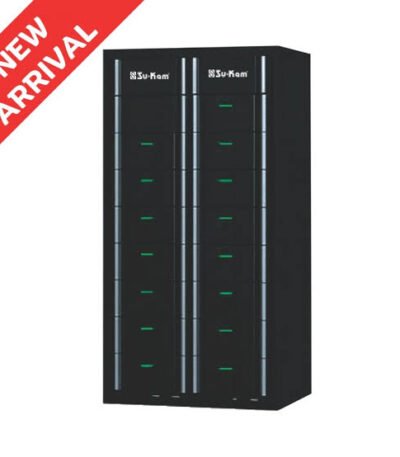
SU KAM Home ESS 10KWh Lithium Energy Storage System
Original price was: ₦3,660,000.00.₦3,650,000.00Current price is: ₦3,650,000.00.Residential Energy Storage for Higher Energy Requirements
The SU KAM Home ESS 10KWh Lithium Energy Storage System offers an energy storage option for households that need a substantial reserve of electricity. Its stated 10kWh capacity can help users evaluate their storage requirements for compatible residential energy systems.
Electricity generation and household consumption do not always occur at the same time. Solar panels may produce energy during daylight hours, while household appliances continue to require electricity in the evening. A compatible energy storage system can retain available energy and make it accessible later.
This arrangement can support more flexible household energy management. However, rated capacity is not always equal to usable energy. Battery operating limits and conversion losses can affect the amount of electricity delivered to connected appliances.
Therefore, review the official product specifications before estimating runtime or planning your installation. The correct storage capacity depends on daily energy consumption, the appliances you need to operate, and the length of backup required.
Solar Integration and Battery Compatibility
The SU KAM Home ESS 10KWh Lithium Energy Storage System can be evaluated for integration into a compatible residential solar setup. Depending on the model’s design, it may work with solar panels, an inverter, and appropriate electrical protection equipment.
Before connecting the system to existing equipment, verify the supported voltage, charging parameters, communication requirements, and approved inverter compatibility. Do not assume that every lithium battery works with every solar inverter.
Also, confirm whether the product includes an integrated inverter, battery management system, monitoring features, or additional accessories. These details should be included in the product listing only when supported by the official datasheet.
A qualified installer can assess the proposed configuration and ensure that the connected components meet the manufacturer’s requirements. Proper system matching helps support safe operation and effective energy storage.
Installation, Safety, and Long-Term Performance
Correct installation is essential for the SU KAM Home ESS 10KWh Lithium Energy Storage System. Before purchasing, confirm the battery chemistry, rated and usable capacity, voltage, charging and discharging limits, and installation requirements.
The system should be installed according to the manufacturer’s instructions and applicable electrical regulations. Use compatible equipment, correctly rated cables, and suitable protective devices. Also, follow the recommended operating environment and maintenance procedures.
For backup planning, identify essential appliances and estimate their combined energy consumption. Lower-power loads generally use stored energy more slowly than high-power appliances. Actual runtime also depends on battery condition, system efficiency, and operating conditions.
Overall, a 10kWh home energy storage system can be considered for compatible residential solar and backup applications. Reviewing the exact specifications helps users determine whether the system suits their energy requirements.
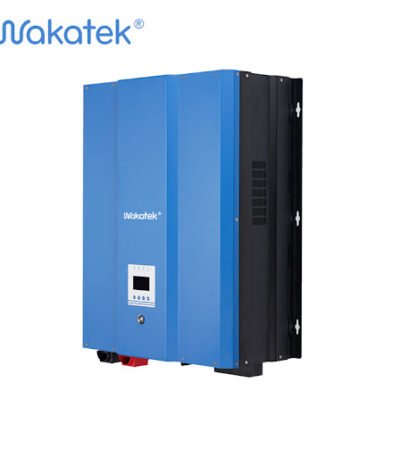
WAKATEK Wall-Mounted 10kWh Lithium Battery 51.2V
10kWh Lithium Battery with 51.2V Output
The Wall Mounted Battery is designed to provide energy storage for compatible solar installations and backup power systems. Its stated 10kWh capacity offers storage for later use, while the 51.2V nominal voltage helps identify suitable system compatibility. Always verify the official specifications before connecting the battery to an inverter or other equipment.
Stored energy can help support selected appliances when solar generation decreases or another power source becomes unavailable. However, backup duration depends on the connected load, usable battery capacity, conversion efficiency, and operating conditions. Careful planning helps you understand how much energy your household or workplace needs.
Make Better Use of Stored Energy
Start by listing the appliances you want to power during normal operation and outages. Estimate their wattage and expected running hours to calculate energy consumption. This can help determine whether the battery capacity suits your needs.
For example, essential lighting and networking equipment generally use less energy than high-power heating appliances. Choosing essential loads can help extend backup time. Remember that actual results vary according to appliance efficiency and the system’s operating limits.
The wall-mounted format can help keep the installation organised and reduce the need for floor space. However, the wall must support the battery’s weight safely. Check the mounting requirements and allow suitable access for inspection and maintenance.
Build a Compatible Battery System
Before installation, confirm that the inverter supports a 51.2V lithium battery and meets its charging and discharge requirements. Check communication settings, cable ratings, and protective equipment as well. Compatibility is essential for safe and dependable operation.
Additional batteries should only be connected when the manufacturer permits expansion. Confirm supported configurations, communication requirements, and maximum system capacity before adding units. Use approved components and follow the installation manual.
Choose a suitable location that meets the required temperature and environmental limits. Keep cables organised, avoid unsuitable moisture exposure, and ensure that the installation does not block required ventilation. A qualified installer can verify the mounting surface and electrical setup.
Before ordering, check the product specifications, package contents, warranty coverage, and availability of technical support. Confirm whether mounting accessories and communication cables are included.
The Wall Mounted Battery offers a practical option for users planning home or business energy storage. With suitable equipment, accurate load calculations, and professional installation, it can help manage stored electricity for everyday needs and backup support.