



SU KAM BRAND

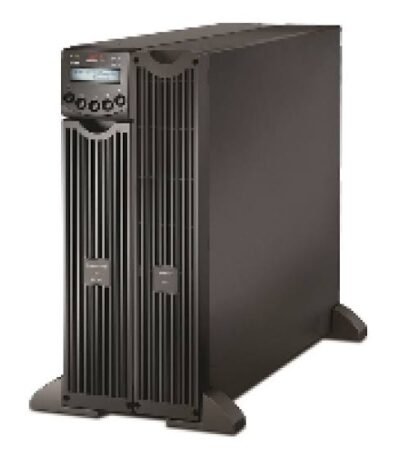
SU KAM Intelli-Q 6KVA Online UPS Industrial Grade
Original price was: ₦1,360,000.00.₦1,350,000.00Current price is: ₦1,350,000.00.Industrial-Grade UPS for Business Continuity
The SU KAM Intelli-Q 6KVA Online UPS offers a backup power option for installations that need to maintain electricity to compatible equipment. It may be considered for selected commercial facilities, technical departments, and industrial environments where interruptions can affect operations.
A suitable UPS can provide temporary backup power during an outage. Depending on the battery configuration and connected load, it may allow equipment to continue operating or shut down safely.
Before purchasing, identify the equipment that needs backup. Next, calculate its combined power consumption and compare it with the UPS’s rated output. This helps determine whether the model is suitable for the intended application.
Furthermore, consider the required backup duration. Battery capacity, battery condition, connected load, and system efficiency all influence how long the UPS can supply power.
Power Protection and System Performance
The SU KAM Intelli-Q 6KVA Online UPS can be evaluated for applications that require online power conditioning and backup support. Double-conversion UPS systems commonly help maintain a controlled output while reducing the effect of many incoming power disturbances.
However, the level of protection depends on the specific model’s design and supported features. Users should review the official documentation for overload handling, short-circuit protection, alarms, bypass operation, and other relevant functions.
In addition, confirm that the UPS can support the equipment’s power factor and load characteristics. Correct sizing helps reduce overload problems and supports reliable operation.
Installation, Battery Backup, and Maintenance
Correct installation is essential for the SU KAM Intelli-Q 6KVA Online UPS. Place the unit in a suitable environment and follow the manufacturer’s ventilation and clearance requirements.
Before commissioning, verify the input and output voltage, rated wattage, battery specifications, charging requirements, and electrical protection needs. A qualified installer can assess these requirements and confirm that the UPS matches the intended system.
Regular inspection and appropriate battery maintenance can help support continued operation. Follow the manufacturer’s guidance for battery replacement, operating conditions, and routine checks.
Overall, this 6KVA online UPS is an option to evaluate for compatible commercial and industrial backup power applications. Confirm the exact model specifications before connecting critical equipment.
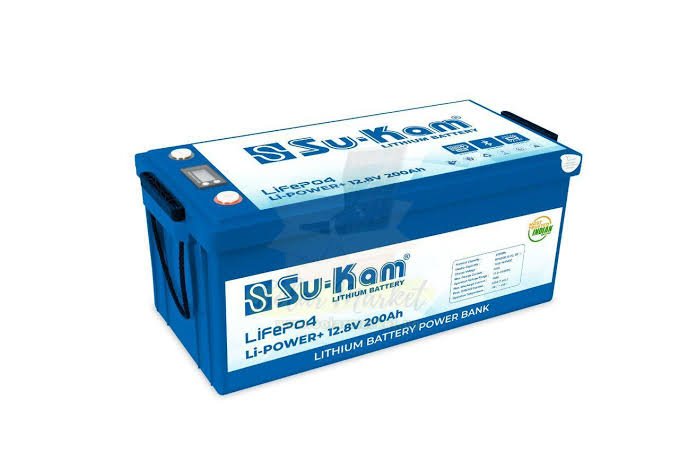
SU KAM Lithium Battery 24V 100Ah LiFePO4
Original price was: ₦790,000.00.₦780,000.00Current price is: ₦780,000.00.High-Capacity 24V 100Ah Lithium Battery
The SU KAM Lithium Battery 24V 100Ah LiFePO4 provides a rechargeable storage option for systems that require more nominal energy than smaller-capacity batteries offer. Its 24V configuration and 100Ah capacity provide approximately 2.4kWh of rated energy for suitable applications.
Energy storage allows electricity to be stored and used later. In a compatible backup system, the battery may help supply selected loads when the primary power source is unavailable. It can also be incorporated into other supported energy storage arrangements, depending on the connected equipment.
However, nominal capacity does not equal the exact amount of energy delivered to appliances. Battery operating limits and conversion losses affect usable energy. Actual runtime also depends on the power consumption of connected devices.
Before choosing this battery, estimate your expected energy demand and required operating time. Also, check the battery’s discharge-current rating and confirm that the inverter supports the intended load. This helps you assess whether the battery is suitable for your application.
Charging, Battery Management, and Performance
Correct charging is essential for lithium battery performance. The charger must support the battery’s voltage and LiFePO4 chemistry. Using incompatible charging equipment may affect operation and damage the battery.
The SU KAM Lithium Battery 24V 100Ah LiFePO4 should be operated within the manufacturer’s recommended charging and discharge limits. If the model includes a battery management system, its supported protection and monitoring functions should be confirmed in the official documentation.
Before installation, review the recommended charging current, maximum discharge current, operating temperature range, and storage conditions. These specifications help determine whether the battery matches the intended system.
Users should also protect the battery connections from damage and use suitable electrical protection. Avoid charging or discharging the battery outside its approved limits. Following the manufacturer’s instructions can help support dependable performance over time.
Installation and System Compatibility
Correct system matching is important when installing a lithium battery. Before connecting the SU KAM Lithium Battery 24V 100Ah LiFePO4, confirm that the inverter or connected device supports a 24V LiFePO4 battery and meets its charging and discharge requirements.
Check the recommended cable sizes, connector types, electrical protection, and installation conditions. If the battery communicates with the inverter through a specific protocol, verify that both devices support the required connection.
Users should also consider the total appliance load and required backup duration. Low-power devices generally consume stored energy more slowly than high-power appliances. Therefore, battery selection should reflect both the energy capacity and the electrical demands of the system.
Overall, the 24V configuration, 100Ah capacity, and LiFePO4 chemistry make this battery an option to evaluate for compatible backup and energy storage applications. Review the official datasheet before purchasing to confirm its usable capacity, BMS features, charging limits, dimensions, and warranty.
SU KAM Lithium Battery 24V 50Ah LiFePO4
Original price was: ₦430,000.00.₦420,000.00Current price is: ₦420,000.00.Compact 24V 50Ah Lithium Energy Storage
The SU KAM Lithium Battery 24V 50Ah LiFePO4 offers a compact energy storage option for compatible electrical systems. Its nominal 24V voltage and 50Ah capacity provide approximately 1.2kWh of rated energy, making it possible to compare the battery with other storage options according to system requirements.
Battery storage can help supply electricity when a primary power source is unavailable or when stored energy is needed. Depending on the system design, the battery may be used with compatible inverters, charging equipment, or other supported devices.
The amount of energy available to connected equipment may be lower than the nominal capacity because of battery operating limits and conversion losses. Actual runtime also depends on appliance power consumption. Lower-power loads generally use stored energy more slowly than high-power appliances.
Before choosing this battery, assess your daily energy requirements and expected operating time. Also, confirm that the battery’s discharge current and electrical specifications meet the needs of the intended equipment.
Charging, Battery Management, and Performance
Correct charging is important for maintaining lithium battery performance. The charger must support the battery’s voltage and LiFePO4 chemistry. Using incompatible charging equipment can affect operation and may damage the battery.
The SU KAM Lithium Battery 24V 50Ah LiFePO4 should be operated within the manufacturer’s recommended charging and discharge limits. If the model includes a battery management system, its supported functions and limits should be confirmed in the official product documentation.
Users should check the recommended charging current, maximum discharge current, operating temperature range, and storage conditions before installation. These specifications help determine whether the battery is suitable for the intended application.
Keep the battery in a suitable environment and protect its connections from damage. Avoid using charging equipment or settings that have not been approved for the battery. Following the manufacturer’s instructions can help support consistent performance and service life.
Installation and System Compatibility
Proper system matching is essential when installing a lithium battery. Before connecting the SU KAM Lithium Battery 24V 50Ah LiFePO4, confirm that the inverter or device supports a 24V LiFePO4 battery and is compatible with its charging and discharge specifications.
Check the required cable size, electrical protection, connector type, and installation conditions. If the battery uses communication connections with an inverter, verify that the required protocol is supported. Do not assume that every 24V inverter is compatible with every lithium battery.
Users should also consider the total load and expected backup duration. A system powering small devices may operate longer than one supplying high-power equipment. Therefore, battery selection should reflect both energy capacity and the electrical demands of the connected system.
Overall, the 24V configuration, 50Ah capacity, and LiFePO4 chemistry make this battery an option to evaluate for compatible energy storage applications. Review the official datasheet before purchasing to confirm its dimensions, BMS features, charging limits, discharge ratings, and warranty.
SU KAM Lithium Battery 48V 100Ah LiFePO4
Original price was: ₦1,660,000.00.₦1,650,000.00Current price is: ₦1,650,000.00.High-Capacity 48V 100Ah Lithium Battery
The SU KAM Lithium Battery 48V 100Ah LiFePO4 offers a rechargeable energy storage option for compatible power systems. Its 48V configuration and 100Ah capacity provide a higher nominal energy reserve than a comparable 48V 50Ah battery, making it worth considering for applications that require additional storage.
With an estimated nominal energy of 4.8kWh, this battery can help users plan a suitable solar or backup power arrangement. However, nominal capacity does not represent the exact energy delivered to appliances. Battery operating limits and conversion losses can reduce the usable amount.
To choose the right battery, consider which appliances need power and how long they must operate. Lighting, fans, electronics, and other compatible equipment can have different energy requirements. A clear load assessment helps determine whether the available storage meets the intended needs.
Charging, Battery Management, and Performance
The SU KAM Lithium Battery 48V 100Ah LiFePO4 uses LiFePO4 chemistry for rechargeable energy storage. Correct charging and suitable system settings are essential when integrating a lithium battery into a solar or backup installation.
The charger or inverter must support the battery’s specified voltage and charging parameters. Users should also verify the battery management system requirements and any communication protocols needed for compatibility with the selected equipment.
Actual performance depends on charging conditions, operating temperature, connected loads, and the overall system configuration. Follow the manufacturer’s instructions for charging, discharging, storage, and operating conditions. Do not exceed the specified electrical limits.
Installation and System Compatibility
The SU KAM Lithium Battery 48V 100Ah LiFePO4 can form part of a suitable energy storage system when the connected components meet the manufacturer’s requirements. Before installation, verify the inverter’s battery compatibility, charging profile, and voltage specifications.
The installation should include correctly rated cables, appropriate electrical protection, and a suitable location that meets the manufacturer’s requirements. A qualified installer can assess the connections and confirm that the proposed configuration is suitable.
For solar applications, check compatibility with the inverter or charge controller. For backup power, compare the battery’s usable energy with the expected load and required runtime.
Overall, this 48V 100Ah LiFePO4 battery is an option for compatible solar energy storage and backup applications. Reviewing the official datasheet before purchase helps confirm that the battery matches the intended system.
SU KAM Lithium Battery 48V 200Ah LiFePO4
Original price was: ₦3,300,000.00.₦3,200,000.00Current price is: ₦3,200,000.00.High-Capacity 48V 200Ah Lithium Battery
The SU KAM Lithium Battery 48V 200Ah LiFePO4 offers a rechargeable energy storage option for compatible power systems. Its 48V configuration and 200Ah capacity provide an estimated nominal energy of 9.6kWh, making it worth considering for installations that require a larger stored energy reserve.
A higher-capacity battery can help users plan for longer energy use between charging periods, depending on the connected load and available usable capacity. For example, systems supplying lighting, fans, electronics, and other compatible appliances may use stored energy at different rates.
However, nominal capacity does not represent the exact amount of electricity delivered to appliances. Battery operating limits and conversion losses affect usable energy. Users should estimate their daily consumption and required backup time before deciding whether this battery meets their needs.
Charging, Battery Management, and Performance
The SU KAM Lithium Battery 48V 200Ah LiFePO4 uses LiFePO4 chemistry for rechargeable energy storage. Correct charging parameters and compatible equipment are important when integrating the battery into a solar or backup installation.
The inverter or charger must support the battery’s specified voltage and charging requirements. Users should also check the battery management system specifications and any communication protocols required by the selected equipment.
Performance depends on operating temperature, charging conditions, connected loads, and system configuration. Follow the manufacturer’s instructions for charging, discharging, storage, and routine inspection. Avoid exceeding the battery’s specified electrical limits.
Installation and System Compatibility
The SU KAM Lithium Battery 48V 200Ah LiFePO4 can form part of a suitable energy storage system when all connected components meet the manufacturer’s requirements. Before purchasing, verify the inverter’s battery compatibility, charging profile, and voltage specifications.
The installation should use correctly rated cables, appropriate electrical protection, and a location that meets the manufacturer’s mounting and operating requirements. A qualified installer can assess the system design and confirm that the battery is suitable for the intended setup.
For solar applications, check compatibility with the inverter or charge controller. For backup power, compare the battery’s usable energy with the expected appliance load and required runtime.
Overall, this 48V 200Ah LiFePO4 battery is an option for compatible solar energy storage and backup applications. Reviewing the official datasheet before installation helps confirm that the battery meets the system’s requirements.
SU KAM Lithium Battery 48V 50Ah LiFePO4
Original price was: ₦960,000.00.₦950,000.00Current price is: ₦950,000.00.High-Capacity 48V 50Ah Lithium Battery
The SU KAM Lithium Battery 48V 50Ah LiFePO4 offers a rechargeable energy storage option for users who need a battery for compatible power systems. Its 48V nominal configuration and 50Ah capacity can help users evaluate whether it meets their storage requirements.
Battery capacity is an important factor when planning backup power. A battery stores energy that can be used later, but the amount of time it powers appliances depends on their combined consumption. Users should identify essential equipment and estimate its energy needs before choosing a battery.
With an estimated nominal energy of 2.4kWh, this battery may suit selected energy storage applications. The usable energy delivered to appliances may be lower because of battery operating limits and conversion losses. Therefore, confirm the rated and usable capacity in the official product documentation.
Charging, Battery Management, and Performance
The SU KAM Lithium Battery 48V 50Ah LiFePO4 uses LiFePO4 chemistry for rechargeable energy storage. Correct charging and compatible system settings are important for reliable operation.
The charging equipment must match the battery’s specified voltage and current limits. Users should also verify the battery management system requirements and any supported communication protocols before connecting it to an inverter or charger.
Performance can vary according to operating temperature, charging conditions, connected loads, and system configuration. For this reason, follow the manufacturer’s guidance for charging, discharging, storage, and operating conditions. Do not exceed the battery’s specified electrical limits.
Installation and System Compatibility
The SU KAM Lithium Battery 48V 50Ah LiFePO4 can be integrated into a suitable energy storage setup when all connected components meet the manufacturer’s requirements. Before purchasing, verify the inverter’s battery compatibility, the required charging profile, and the system’s voltage specifications.
A suitable installation should also include correctly rated cables, appropriate electrical protection, and a mounting location that meets the manufacturer’s requirements. A qualified installer can check the electrical connections and confirm that the proposed system is suitable.
For solar applications, ensure that the inverter or charge controller supports the selected battery. For backup applications, compare the battery’s usable energy with the expected load and required backup duration.
Overall, this 48V 50Ah LiFePO4 battery is an option for compatible solar storage and backup power systems. Reviewing the official specifications before installation helps ensure that the battery meets the requirements of the intended application.
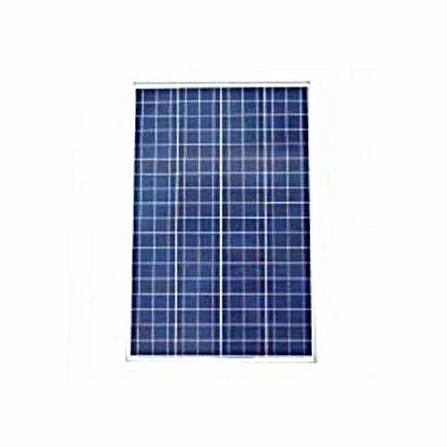
SU KAM Monocrystalline Solar Panel 400W
Original price was: ₦126,000.00.₦125,000.00Current price is: ₦125,000.00.400W Solar Panel for Residential and Commercial Systems
The SU KAM Monocrystalline Solar Panel 400W provides an option for users planning a compatible photovoltaic installation. Its rated output of 400 watts offers a useful starting point when estimating the generation capacity of a solar array.
Homeowners can consider this panel for suitable rooftop solar projects. Businesses may also evaluate it for compatible commercial installations. In both cases, the final system design should reflect electricity demand, available space, and local sunlight conditions.
Multiple panels can be combined to increase the overall rated capacity. However, the required number depends on daily energy consumption and the expected output of the complete system. A well-planned array can help users make better use of available sunlight.
Moreover, solar panels can work alongside compatible inverters, batteries, and charge controllers. Each component must meet the electrical requirements of the installation. Checking compatibility before purchasing helps prevent avoidable equipment problems.
Installation and Electrical Compatibility
The SU KAM Monocrystalline Solar Panel 400W should be installed in a location that receives useful sunlight throughout the day. Depending on the property, a suitable rooftop or ground-mounted installation may be possible.
Before installation, review the panel’s rated voltage, current, dimensions, and connector specifications. These details are important when selecting a suitable inverter or charge controller. If you are expanding an existing solar array, confirm that the panel is compatible with the other modules and connected equipment.
Additionally, avoid unnecessary shading from trees, buildings, and other nearby structures. Suitable mounting equipment and correct panel positioning help make better use of available sunlight.
A qualified installer can assess the site and determine an appropriate panel configuration. Always follow the manufacturer’s instructions for mounting, wiring, grounding, and electrical protection.
Practical Solar Energy Planning and Everyday Use
The SU KAM Monocrystalline Solar Panel 400W can be considered for compatible residential, commercial, and off-grid solar projects. It provides a rated power level that can contribute to a larger photovoltaic system or a suitably designed installation.
To plan your system, begin by identifying the appliances you want to power. Next, estimate their daily energy consumption and determine whether battery storage is required. Then select compatible solar panels, an inverter, a charge controller, and appropriately rated wiring.
Actual performance varies according to sunlight, temperature, weather conditions, orientation, and shading. Therefore, use the manufacturer’s datasheet and local site conditions when estimating expected electricity generation.
Regular visual inspections can help identify obstructions or visible damage. Keep the panel surface reasonably clean according to the manufacturer’s guidance.
Overall, this 400W monocrystalline solar panel is an option for building or expanding a compatible solar energy system. Review the official product specifications before purchasing to confirm that the panel meets your installation requirements.
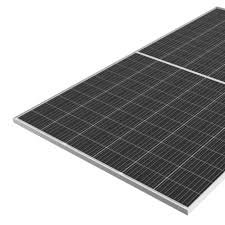
SU KAM Monocrystalline Solar Panel 450W
Original price was: ₦146,000.00.₦145,000.00Current price is: ₦145,000.00.450W Solar Panel for Residential and Commercial Systems
The SU KAM Monocrystalline Solar Panel 450W offers an option for users planning a compatible photovoltaic installation. Its rated output of 450 watts provides a useful starting point when estimating the generation capacity of a solar array.
Homeowners can consider this panel for suitable rooftop solar projects. Businesses may also evaluate it for compatible commercial installations. In both cases, the final system design should reflect electricity demand, available space, and local sunlight conditions.
Multiple panels can be combined to increase the total rated capacity. However, the required number depends on daily energy consumption and the expected output of the complete system. A carefully designed array can help users make better use of available sunlight.
Moreover, solar panels can work alongside compatible inverters, batteries, and charge controllers. Each component must meet the electrical requirements of the planned installation. Checking compatibility before purchasing helps prevent unnecessary equipment changes.
Installation and Electrical Compatibility
The SU KAM Monocrystalline Solar Panel 450W should be installed in a location that receives useful sunlight throughout the day. Depending on the property, a suitable rooftop or ground-mounted installation may be possible.
Before installation, review the panel’s rated voltage, current, dimensions, and connector specifications. These details are important when selecting a compatible inverter or charge controller. If you plan to expand an existing solar array, confirm that the new panel suits the other modules and connected equipment.
Additionally, avoid unnecessary shading from trees, buildings, and nearby structures. Suitable mounting equipment and correct panel positioning help make better use of available sunlight.
A qualified installer can assess the site and determine an appropriate panel configuration. Always follow the manufacturer’s instructions for mounting, wiring, grounding, and electrical protection.
Practical Solar Energy Planning and Everyday Use
The SU KAM Monocrystalline Solar Panel 450W can be considered for compatible residential, commercial, and off-grid solar projects. Its rated power can contribute to a larger photovoltaic array or a suitably designed solar installation.
To plan your system, begin by identifying the appliances you want to power. Next, estimate their daily energy consumption and determine whether battery storage is required. Then select compatible solar panels, an inverter, a charge controller, and appropriately rated wiring.
Actual performance varies with sunlight, temperature, weather, panel orientation, and shading. Therefore, use the manufacturer’s datasheet and local site conditions when estimating expected electricity generation.
Regular visual inspections can help identify obstructions or visible damage. Keep the panel surface reasonably clean according to the manufacturer’s guidance.
Overall, this 450W monocrystalline solar panel is an option for building or expanding a compatible photovoltaic system. Review the official product specifications before purchasing to confirm that the panel meets your installation requirements.
SU KAM Monocrystalline Solar Panel 500W
Original price was: ₦166,000.00.₦165,000.00Current price is: ₦165,000.00.500W Solar Panel for Residential and Commercial Systems
The SU KAM Monocrystalline Solar Panel 500W offers an option for users planning a compatible photovoltaic installation. Its rated output of 500 watts provides a useful starting point when estimating the generation capacity of a solar array.
Homeowners can consider this panel for suitable rooftop solar projects. Businesses may also evaluate it for compatible commercial installations. In both cases, the final system design should reflect electricity demand, available space, and local sunlight conditions.
Multiple panels can be combined to increase the total rated capacity. However, the number required depends on daily energy consumption and the expected output of the complete system. A carefully designed array can help users make better use of available sunlight.
Moreover, solar panels can work alongside compatible inverters, batteries, and charge controllers. Each component must meet the electrical requirements of the planned installation. Checking compatibility before purchasing helps prevent unnecessary equipment changes.
Installation and Electrical Compatibility
The SU KAM Monocrystalline Solar Panel 500W should be installed in a location that receives useful sunlight throughout the day. Depending on the property, a suitable rooftop or ground-mounted installation may be possible.
Before installation, review the panel’s rated voltage, current, dimensions, and connector specifications. These details are important when selecting a compatible inverter or charge controller. If you plan to expand an existing solar array, confirm that the new panel suits the other modules and connected equipment.
Additionally, avoid unnecessary shading from trees, buildings, and nearby structures. Suitable mounting equipment and correct panel positioning help make better use of available sunlight.
A qualified installer can assess the site and determine an appropriate panel configuration. Always follow the manufacturer’s instructions for mounting, wiring, grounding, and electrical protection.
Practical Solar Energy Planning and Everyday Use
The SU KAM Monocrystalline Solar Panel 500W can be considered for compatible residential, commercial, and off-grid solar projects. Its rated power can contribute to a larger photovoltaic array or a suitably designed solar installation.
To plan your system, begin by identifying the appliances you want to power. Next, estimate their daily energy consumption and determine whether battery storage is required. Then select compatible solar panels, an inverter, a charge controller, and appropriately rated wiring.
Actual performance varies with sunlight, temperature, weather, panel orientation, and shading. Therefore, use the manufacturer’s datasheet and local site conditions when estimating expected electricity generation.
Regular visual inspections can help identify obstructions or visible damage. Keep the panel surface reasonably clean according to the manufacturer’s guidance.
Overall, this 500W monocrystalline solar panel is an option for building or expanding a compatible photovoltaic system. Review the official product specifications before purchasing to confirm that the panel meets your installation requirements.
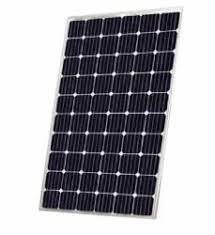
SU KAM Monocrystalline Solar Panel 550W
Original price was: ₦186,000.00.₦185,000.00Current price is: ₦185,000.00.550W Solar Panel for Residential and Commercial Systems
The SU KAM Monocrystalline Solar Panel 550W offers an option for users planning a compatible photovoltaic installation. Its rated output of 550 watts provides a useful starting point when estimating the generation capacity of a solar array.
Homeowners can consider this panel for suitable rooftop solar projects. Businesses may also evaluate it for compatible commercial installations. In both cases, the final system design should reflect electricity demand, available space, and local sunlight conditions.
Multiple panels can be combined to increase the total rated capacity. However, the number required depends on daily energy consumption and the expected output of the complete system. A carefully designed array can help users make better use of available sunlight.
Moreover, solar panels can work alongside compatible inverters, batteries, and charge controllers. Each component must meet the electrical requirements of the planned installation. Checking compatibility before purchasing helps prevent unnecessary equipment changes.
Installation and Electrical Compatibility
The SU KAM Monocrystalline Solar Panel 550W should be installed in a location that receives useful sunlight throughout the day. Depending on the property, a suitable rooftop or ground-mounted installation may be possible.
Before installation, review the panel’s rated voltage, current, dimensions, and connector specifications. These details are important when selecting a compatible inverter or charge controller. If you plan to expand an existing solar array, confirm that the new panel suits the other modules and connected equipment.
Additionally, avoid unnecessary shading from trees, buildings, and nearby structures. Suitable mounting equipment and correct panel positioning help make better use of available sunlight.
A qualified installer can assess the site and determine an appropriate panel configuration. Always follow the manufacturer’s instructions for mounting, wiring, grounding, and electrical protection.
Practical Solar Energy Planning and Everyday Use
The SU KAM Monocrystalline Solar Panel 550W can be considered for compatible residential, commercial, and off-grid solar projects. Its rated power can contribute to a larger photovoltaic array or a suitably designed solar installation.
To plan your system, begin by identifying the appliances you want to power. Next, estimate their daily energy consumption and determine whether battery storage is required. Then select compatible solar panels, an inverter, a charge controller, and appropriately rated wiring.
Actual performance varies with sunlight, temperature, weather, panel orientation, and shading. Therefore, use the manufacturer’s datasheet and local site conditions when estimating expected electricity generation.
Regular visual inspections can help identify obstructions or visible damage. Keep the panel surface reasonably clean according to the manufacturer’s guidance.
Overall, this 550W monocrystalline solar panel is an option for building or expanding a compatible photovoltaic system. Review the official product specifications before purchasing to confirm that the panel meets your installation requirements.
SU KAM MPPT Solar Charge Controller 20A
Original price was: ₦43,000.00.₦42,000.00Current price is: ₦42,000.00.Compact MPPT Controller for Solar Energy Systems
The SU KAM MPPT Solar Charge Controller 20A offers an option for users planning a compatible solar battery charging system. Its 20A rating provides a useful specification when comparing charge controllers for different installation requirements.
Solar panels produce electricity when sunlight reaches their photovoltaic cells. A charge controller manages the energy supplied to the battery according to its design and operating limits. MPPT technology can help the system use available panel power effectively when configured correctly.
This controller may suit suitable residential, off-grid, and small-scale solar applications. However, the actual system size must be based on the controller’s documented limits rather than the 20A rating alone.
Before choosing the controller, review the solar panel specifications and battery requirements. Also, confirm the maximum permitted PV voltage and the supported solar array power for the intended battery voltage. This helps prevent equipment mismatch and supports effective system planning.
Installation and Electrical Compatibility
The SU KAM MPPT Solar Charge Controller 20A must be matched with compatible solar panels, batteries, and electrical components. First, confirm the supported battery voltage. Next, compare the solar array’s open-circuit voltage and operating current with the controller’s input limits.
MPPT controllers can support a difference between panel operating voltage and battery charging voltage, but they still have defined electrical limits. Exceeding the maximum PV input voltage can damage equipment and create safety risks.
Battery chemistry is another important consideration. Confirm whether the controller supports the intended battery type and whether its charging settings can be configured appropriately. Do not assume that every controller supports all lead-acid and lithium batteries.
Use correctly rated cables, suitable protection devices, and the recommended installation method. A qualified installer can help check the system design and ensure that the connections meet the applicable electrical requirements.
Practical Solar Charging and Energy Management
The SU KAM MPPT Solar Charge Controller 20A can help manage solar charging in a compatible battery-based energy system. By regulating the charging process, it connects the solar generation side with the battery according to its supported operating specifications.
To plan your installation, start by identifying the battery voltage and capacity. Then calculate your expected charging requirements and compare them with the controller’s rated current and permitted solar input. This helps determine whether the controller is suitable for your intended setup.
Actual charging performance depends on sunlight availability, panel output, battery condition, temperature, and system losses. Therefore, the 20A rating does not guarantee a constant charging current or a specific charging time.
Overall, this MPPT solar charge controller is an option to evaluate for compatible solar battery charging systems. Review the official datasheet before purchasing to confirm the supported battery types, maximum PV input voltage, permitted solar array capacity, and installation requirements.
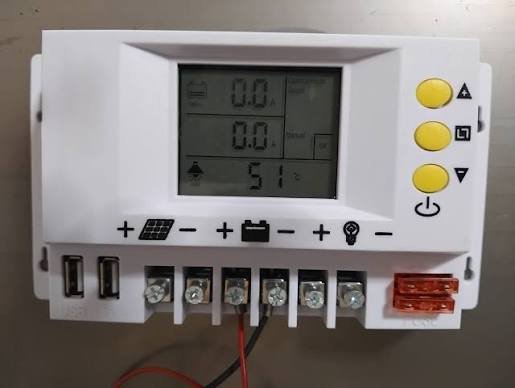
SU KAM MPPT Solar Charge Controller 30A
Original price was: ₦59,000.00.₦58,000.00Current price is: ₦58,000.00.30A MPPT Controller for Compatible Solar Systems
The SU KAM MPPT Solar Charge Controller 30A offers an option for users planning a compatible solar battery charging system. Its 30A rating provides a useful specification when comparing controllers for different installation requirements.
Solar panels generate electricity when sunlight reaches their photovoltaic cells. A charge controller manages the energy supplied to the battery according to its design and operating limits. MPPT technology can help the system use available panel power effectively when the complete setup is configured correctly.
This controller may suit compatible residential, off-grid, and other solar applications. However, the system size must be based on the controller’s documented electrical limits rather than the 30A rating alone.
Before choosing this model, review the solar panel specifications and battery requirements. Also, confirm the maximum permitted PV voltage and supported solar array power for the intended battery voltage. These details help prevent equipment mismatch and support effective system planning.
Installation and Electrical Compatibility
The SU KAM MPPT Solar Charge Controller 30A must be matched with compatible solar panels, batteries, and electrical components. First, confirm the battery voltage supported by the exact model. Next, compare the solar array’s open-circuit voltage and operating current with the controller’s input limits.
MPPT technology can accommodate certain differences between panel operating voltage and battery charging voltage. However, every controller has defined voltage, current, and power limits. Exceeding the maximum PV input voltage can damage equipment and create safety risks.
Battery chemistry is another important consideration. Confirm whether the controller supports your selected battery type and whether the required charging settings are available. Do not assume that every controller supports all lead-acid and lithium batteries.
Use correctly rated cables and suitable electrical protection. A qualified installer can help check the system design, wiring arrangement, and installation requirements.
Practical Solar Charging and Energy Management
The SU KAM MPPT Solar Charge Controller 30A can help manage solar charging in a compatible battery-based energy system. By regulating the charging process, it connects the solar generation side with the battery according to its supported operating specifications.
To plan your installation, begin by identifying the battery voltage and capacity. Then estimate your expected charging requirements and compare them with the controller’s rated current and permitted solar input. This helps determine whether the controller is suitable for your intended setup.
Actual charging performance depends on sunlight availability, panel output, battery condition, temperature, and system losses. Therefore, a 30A rating does not guarantee a constant charging current or a specific charging time.
Overall, this MPPT solar charge controller is an option for compatible solar battery charging systems. Review the official datasheet before purchasing to confirm supported battery types, maximum PV input voltage, permitted solar array capacity, and installation requirements.