



SAKO BRAND

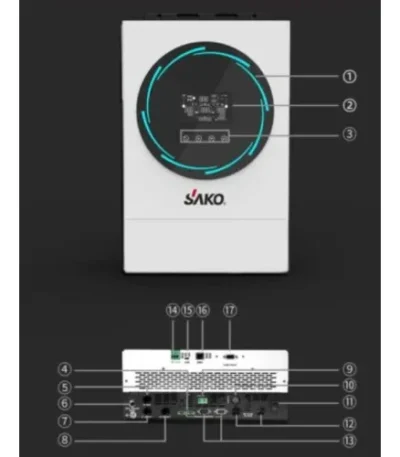
SAKO MAXSUN PRO SK-IPM-10048 10kVA Hybrid Inverter
Original price was: ₦1,270,000.00.₦1,250,000.00Current price is: ₦1,250,000.00.SAKO MAXSUN PRO SK-IPM-10048 10kVA Hybrid Inverter
The SAKO MAXSUN PRO SK-IPM-10048 10kVA Hybrid Inverter is an option for customers researching hybrid solar equipment for residential or commercial use. Hybrid inverter systems can combine solar power conversion with battery storage and other supported energy sources. This model’s stated 10kVA capacity provides a starting point for evaluating its suitability, but the complete technical specifications should be confirmed before purchase.
A well-designed solar installation can help users manage energy from different sources according to their requirements. To choose suitable equipment, consider your appliance load, daily electricity consumption, expected backup time, and available solar generation. These factors help determine whether the inverter matches your planned system.
Designed for Solar Energy Applications
The inverter is an important component of a solar energy system because it converts electrical power into a form that compatible appliances can use. The SAKO MAXSUN PRO SK-IPM-10048 10kVA Hybrid Inverter can be considered for suitable homes, offices, shops, and other properties planning a solar installation. Its actual functions depend on the verified features and operating modes of the exact model.
Begin by listing the appliances you need to power and estimating which devices will run simultaneously. Include both normal operating consumption and any additional starting demand from pumps, compressors, or other motor-driven equipment. This calculation helps you compare your expected load with the inverter’s actual output rating.
You should also consider the difference between power capacity and stored energy. The inverter’s output rating indicates how much power it can supply within its limits, while battery capacity affects how much energy is available for later use. Solar generation, battery storage, and connected loads all influence overall system performance.
Battery Storage and Solar Input Planning
Before selecting a battery, confirm the inverter’s supported voltage, battery chemistry, charging settings, and communication requirements. A compatible battery bank helps the system operate within its intended limits, while adequate storage capacity can support your planned backup requirements.
Solar panel selection requires similar care. Check the permitted PV voltage range, maximum solar input power, maximum input current, and approved panel configuration. Do not assume that every battery or solar panel will be compatible simply because one specification matches.
Professional installation helps ensure that the inverter and other system components work together correctly. A qualified technician should assess cable sizing, protective devices, earthing, ventilation, and the manufacturer’s installation requirements. Correct setup supports safe operation and helps protect the equipment.
Check the Technical Specifications
The 10kVA rating does not necessarily equal 10kW of usable real power. The actual kilowatt output depends on the power factor and the manufacturer’s rated operating limits. Before purchasing, verify continuous output power, surge capability, supported battery types, solar input limits, charging performance, and any monitoring or communication features.
The SAKO MAXSUN PRO SK-IPM-10048 10kVA Hybrid Inverter can be included in your shortlist when comparing hybrid solar solutions. For a confident purchase, request the official product datasheet, warranty terms, and confirmation of the exact model from the seller. Compare the verified specifications with your electrical load and planned solar installation to choose equipment that meets your needs.
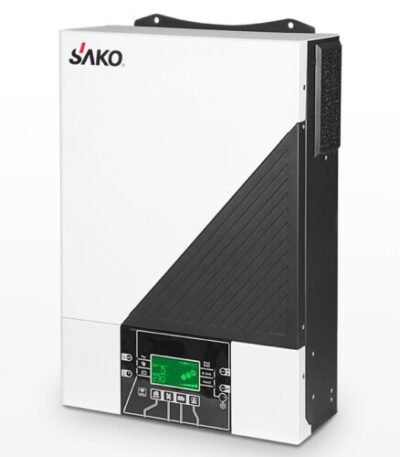
SAKO MAXSUN PRO SK-IPM-12048 12kVA Hybrid Inverter
Original price was: ₦1,470,000.00.₦1,450,000.00Current price is: ₦1,450,000.00.SAKO MAXSUN PRO SK-IPM-12048 12kVA Hybrid Inverter
The SAKO MAXSUN PRO SK-IPM-12048 12kVA Hybrid Inverter is an option for customers researching hybrid solar equipment for their homes or businesses. Hybrid inverter systems can combine solar power conversion with battery storage and other supported power sources. The stated 12kVA capacity provides a starting point for comparing inverter options, while the exact capabilities of this model should be verified before purchasing.
Choosing a suitable inverter is an important step in building a practical solar power system. You should consider your daily electricity consumption, the appliances you need to operate, the solar panels you plan to install, and the battery capacity required for your expected usage. A complete system assessment helps you choose equipment that better matches your needs.
Solar Power for Residential and Commercial Use
A hybrid inverter is a key component of a solar installation because it converts electrical power into a form that compatible appliances can use. The SAKO MAXSUN PRO SK-IPM-12048 12kVA Hybrid Inverter can be considered when exploring solar energy options for suitable residential and commercial environments. Its actual functions depend on the verified specifications and operating modes of the exact model.
Start by preparing a list of your essential appliances. Record their rated power and identify which devices may operate at the same time. Pay attention to equipment such as pumps, refrigerators, and compressors because their starting power requirements can exceed their normal operating consumption.
You should also distinguish between power capacity and stored energy. The inverter’s output rating indicates its power delivery capability, while battery capacity affects how much energy can be stored for later use. Solar production, battery condition, appliance consumption, and system efficiency all influence overall performance.
Battery Storage and Solar Input Planning
A compatible battery system can help store energy for periods when solar generation is limited. Before selecting a battery, confirm the inverter’s supported voltage, battery chemistry, charging settings, and communication requirements. Choose battery capacity according to your expected load and desired backup duration.
Solar panel compatibility also requires careful checking. Confirm the maximum PV input power, permitted voltage range, input current, and supported panel configuration. Do not assume that a battery or panel is suitable based on one matching specification alone.
Professional installation can help ensure that all components operate within their specified limits. A qualified technician should review wiring, protective devices, earthing, ventilation, and the manufacturer’s installation instructions. Correct setup supports safe operation and helps protect your solar equipment.
Verify Output Capacity and Technical Details
An inverter rated at 12kVA does not necessarily provide 12kW of real output power. The actual kilowatt output depends on the power factor and the manufacturer’s rated limits. Before buying, verify continuous output power, surge capability, battery support, solar input limits, charging performance, and any monitoring or communication features.
The SAKO MAXSUN PRO SK-IPM-12048 12kVA Hybrid Inverter can be included in your shortlist when comparing hybrid solar solutions. For an informed decision, request the official product datasheet, warranty terms, and confirmation of the exact model code from the seller. Compare those details with your appliance load, battery requirements, and planned solar array to determine whether the inverter is suitable for your installation.
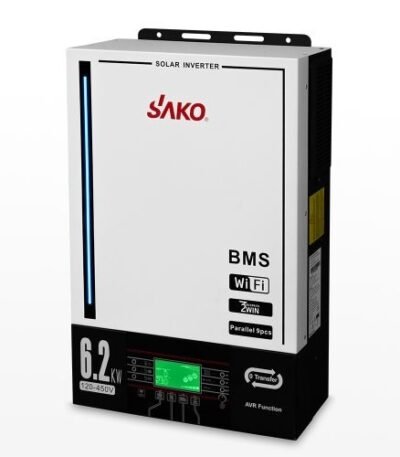
SAKO MAXSUN PRO SK-IPM-8048 8kVA Hybrid Inverter
Original price was: ₦981,000.00.₦980,000.00Current price is: ₦980,000.00.SAKO MAXSUN PRO SK-IPM-8048 8kVA Hybrid Inverter
The SAKO MAXSUN PRO SK-IPM-8048 8kVA Hybrid Inverter is a solar power product to consider when comparing hybrid inverter options for residential or commercial use. Hybrid inverter systems can combine solar energy conversion with battery storage and other supported power sources. The exact capabilities of this particular model should be verified through its official technical documentation before you make a purchase.
Choosing the right inverter can help you build a solar system around your property’s electricity requirements. To make an informed decision, consider your daily energy consumption, the appliances you want to run, the size of your solar array, and the battery capacity required for your expected usage.
A Flexible Approach to Solar Energy
A hybrid inverter is designed to coordinate power conversion within a compatible solar installation. The SAKO MAXSUN PRO SK-IPM-8048 8kVA Hybrid Inverter may suit users exploring solar energy equipment for homes, offices, shops, and other appropriate applications. Its actual functionality depends on the operating modes and technical features confirmed by the manufacturer.
Start by identifying your essential appliances and estimating their combined power demand. Include devices that may operate at the same time, along with equipment that needs extra power during startup. This is particularly important for motor-driven appliances, pumps, and compressors.
Also consider your electricity usage throughout the day. Solar production changes with sunlight conditions, while battery storage can provide energy when generation is limited. The overall performance of the installation depends on the inverter, solar panels, batteries, and connected electrical loads working together within their specified limits.
Battery Storage and Solar Panel Planning
Battery compatibility should be confirmed before connecting storage equipment. Check the supported battery voltage, battery chemistry, charging profile, maximum charging current, and communication requirements. These details help you select a battery that works correctly with the inverter.
Solar panel compatibility is equally important. Verify the maximum PV input power, permitted voltage range, maximum input current, and supported panel configuration. Incorrect panel or battery selection can affect performance and may damage equipment if operating limits are exceeded.
A professional installer can help assess the complete system design. Appropriate wiring, protective devices, earthing, and ventilation contribute to safe operation. Follow the manufacturer’s installation instructions and ensure that the inverter and connected components are configured correctly.
Verify Output Power and Product Details
The 8kVA capacity rating does not necessarily equal 8kW of real output power. The usable kilowatt output depends on the unit’s power factor and rated specifications. Before buying, verify the continuous output rating, surge capability, charging performance, supported batteries, solar input limits, and any monitoring or communication functions.
The SAKO MAXSUN PRO SK-IPM-8048 8kVA Hybrid Inverter can be included in your shortlist when planning a solar energy installation. However, the best choice depends on your load requirements and the verified features of the exact model. Ask the seller for the official datasheet, warranty coverage, and included accessories before ordering.
Careful planning helps you compare inverter options more accurately and choose a solar solution that aligns with your electricity consumption, battery needs, and long-term energy goals.
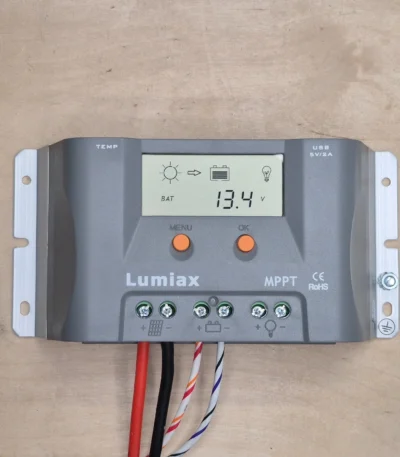
SAKO SC-M 100A MPPT Solar Charge Controller
Original price was: ₦185,000.00.₦180,000.00Current price is: ₦180,000.00.SAKO SC-M 100A MPPT Solar Charge Controller
The SAKO SC-M 100A MPPT Solar Charge Controller is presented as a solar charging option for off-grid energy systems. A charge controller helps regulate the electricity supplied by solar panels to a connected battery bank. Choosing the correct controller can improve system management and help protect compatible batteries during normal operation. However, buyers should verify the exact 100A model before ordering because the manufacturer’s published SC-M series table does not confirm this specific rating.
Improve Solar Energy Utilisation
Solar panels produce different amounts of power as sunlight, temperature, and operating conditions change. MPPT technology helps a controller track a suitable operating point so it can use the available panel power more effectively. Compared with traditional PWM technology, MPPT can offer improved energy harvesting in suitable system designs.
SAKO describes its SC-M series as using an MPPT algorithm and industrial-grade microprocessor control. The listed series includes 20A, 30A, 40A, 50A, and 60A models. A separate SAKO page advertises a broader MPPT controller range of 15–100A, but that alone does not establish that a 100A unit belongs to the SC-M family. Ask the supplier for the exact model code and official datasheet before treating the 100A rating as confirmed.
Designed for Compatible Solar Battery Systems
An MPPT solar charge controller forms the link between a solar array and a battery bank. It helps manage charging according to the system’s electrical requirements. For reliable operation, the controller must match the solar panel arrangement, battery voltage, battery chemistry, and charging limits specified by the battery manufacturer.
SAKO’s published SC-M series documentation identifies compatibility with 12V, 24V, and 48V battery systems. It also describes protective functions, including solar reverse-polarity and overtemperature protection. These details describe the documented SC-M range and should not automatically be applied to an unverified 100A version. Confirm the relevant specifications for the actual unit supplied.
A correctly selected controller can support home backup systems, remote installations, and other off-grid applications. However, the suitability of a specific model depends on the total solar array power, maximum PV voltage, charging current, and the battery bank’s requirements. Professional system sizing can help avoid an incompatible installation.
Verify Specifications Before Installation
Before purchasing the SAKO SC-M 100A MPPT Solar Charge Controller, request written confirmation of its model number, rated charging current, supported battery voltages, maximum PV input voltage, and maximum solar array power. Ask the seller to confirm supported battery chemistries and available protection features as well. These details are essential when comparing controllers and planning a safe installation.
Do not choose a charge controller by amperage alone. The solar array’s electrical characteristics and the battery’s charging limits must also fit the controller. A qualified solar installer can review the design and check that the proposed configuration follows the product instructions.
Also confirm the product warranty, after-sales support, and availability of a genuine manufacturer datasheet. These checks help reduce uncertainty and make it easier to select suitable equipment for your solar project.
The SAKO SC-M series offers documented MPPT charging options, but the specific 100A SC-M designation needs confirmation. Verify the exact product details with the seller before purchasing or publishing technical claims. This ensures that the controller you receive matches the requirements of your intended solar installation.
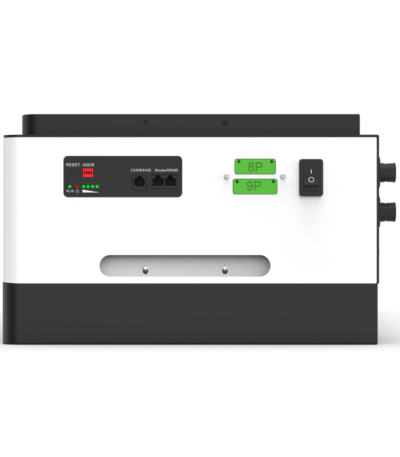
SAKO SC-M 15A MPPT Solar Charge Controller
Original price was: ₦56,000.00.₦55,000.00Current price is: ₦55,000.00.SAKO SC-M 15A MPPT Solar Charge Controller
Manage Solar Energy More Effectively
The SAKO SC-M 15A MPPT Solar Charge Controller is designed for users looking to manage solar charging in an off-grid electricity system. A charge controller regulates the power delivered by solar panels to a battery, helping the battery charge within suitable electrical limits. Choosing the correct controller is important for maintaining system performance and protecting connected equipment.
MPPT technology, short for Maximum Power Point Tracking, helps a controller adjust to the operating conditions of the solar panels. Since sunlight and panel temperature change throughout the day, the available power also changes. An MPPT controller can help capture more of that available power than a traditional PWM controller in suitable installations.
SAKO offers an SC-M series of MPPT solar charge controllers for off-grid systems. Its published product information includes several current ratings, but the exact 15A model is not clearly confirmed in the available SC-M specification table. Therefore, confirm the model number and official datasheet with your supplier before purchasing.
Protection and Battery Compatibility
Protection features are important when choosing a solar charge controller. SAKO’s published SC-M series information describes protection against solar reverse polarity, over-temperature, charging overcurrent, and battery overcharging. These functions help manage certain electrical risks when the equipment is installed and operated within its specified limits.
The series also uses microprocessor-based control and includes status-display features on the published models. The available information describes monitoring for solar input, battery condition, DC output, and fault status. Confirm which display and output functions are included with the specific unit you plan to buy.
Battery compatibility deserves particular attention. Different batteries require different charging voltages and charging profiles. Before connecting the controller, check whether it supports your battery chemistry and nominal voltage. If you use a lithium battery, confirm that the controller’s charging settings are compatible with the battery manufacturer’s specifications and any required battery management system.
Suitable Uses and Safe Installation
The SAKO SC-M 15A MPPT Solar Charge Controller may be suitable for a small off-grid installation when its verified electrical ratings match the solar panels and battery. Possible applications include solar lighting, small backup systems, and other compatible battery-charging projects. The actual capacity of the system depends on the controller rating, solar array output, battery requirements, and connected loads.
First, check the controller’s maximum PV input voltage, rated charging current, and supported battery voltage. Next, make sure the solar array’s voltage and current remain within the manufacturer’s limits under expected operating conditions. Do not select panels based on wattage alone; their electrical ratings must also match the controller.
Use suitable cables, connectors, and electrical protection. Install the unit in a dry, ventilated location and follow the manufacturer’s instructions for wiring and configuration. Keep connections secure and inspect the system regularly for visible damage or overheating.
In summary, the SAKO SC-M 15A MPPT Solar Charge Controller is a product to consider for compatible off-grid solar charging. Confirm the exact model, charging current, battery support, warranty, and datasheet before placing an order to ensure a safe and suitable match for your solar system.
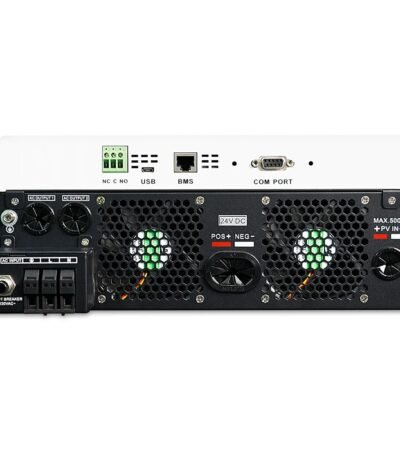
SAKO SC-M 20A MPPT Solar Charge Controller
Original price was: ₦66,000.00.₦65,000.00Current price is: ₦65,000.00.SAKO SC-M 20A MPPT Solar Charge Controller
Manage Solar Energy with MPPT Technology
The SAKO SC-M 20A MPPT Solar Charge Controller is designed to manage solar charging for compatible off-grid battery systems. It regulates the electricity flowing from solar panels to a battery, helping maintain suitable charging conditions and supporting the operation of a well-designed solar installation.
MPPT stands for Maximum Power Point Tracking. This technology helps the controller adjust to changing solar panel conditions and use available solar power effectively. As sunlight intensity and panel temperature change during the day, the controller works to maintain an appropriate operating point for energy transfer. The actual benefit depends on the panel configuration, battery voltage, and operating conditions.
SAKO’s official SC-M series specification lists the SC-M-20A model with a maximum solar charging current of 20A and a maximum PV input voltage of 150V DC. It also supports 12V, 24V, and 48V battery systems. These ratings make it important to match the controller with the complete solar setup before use. <Cite refs={[“turn209482search0”]} />
Battery Protection and System Monitoring
Battery charging requires the correct voltage and charging profile. The SAKO SC-M series includes protection features designed to help manage common electrical risks. These include overcharge protection, over-discharge protection, solar reverse-polarity protection, and over-temperature protection. The series also provides charging overcurrent control.
The controller’s LED and LCD display functions help users check operating conditions. According to the published product information, the display can show solar input status, battery status, DC output status, and fault status. This information helps users monitor the system and notice certain operating problems.
Battery compatibility must be checked before installation. The published SC-M series information lists gel, sealed, and user-defined battery settings. Do not assume that a particular lithium battery will work with every controller setting. Confirm the charging voltage and battery profile with both the controller documentation and battery manufacturer’s recommendations.
For dependable operation, keep all electrical connections secure and use suitable wiring and protective devices. Correct installation helps reduce the risk of wiring faults and equipment damage.
Applications and Choosing the Right Setup
The SAKO SC-M 20A MPPT Solar Charge Controller can be considered for compatible small off-grid installations, solar battery-charging systems, and DC applications. It may work with a range of solar panels, but the array must meet the controller’s voltage, current, and power limits.
Before connecting panels, check their open-circuit voltage, operating voltage, and current ratings. Ensure the array’s maximum voltage remains below the controller’s 150V DC input limit, including conditions when panel voltage may rise in cold weather. The charging current must also remain appropriate for the 20A rating.
Next, confirm the nominal battery voltage and charging requirements. Use suitable cables, connectors, and circuit protection, and follow the manufacturer’s instructions for connecting the battery, panels, and DC loads. Install the unit in a ventilated location protected from moisture and excessive heat.
Regularly inspect the installation and review any displayed fault information. If the controller or battery behaves unexpectedly, disconnect and troubleshoot the system according to the manufacturer’s instructions, or seek help from a qualified solar technician.
The SAKO SC-M 20A MPPT Solar Charge Controller is a practical option when its verified specifications match your solar panels and battery. Check the model number, full datasheet, warranty, and local supplier details before purchase.
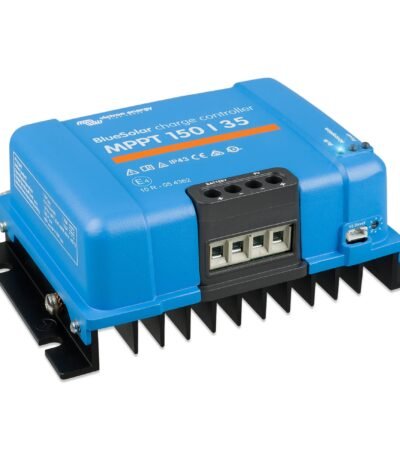
SAKO SC-M 30A MPPT Solar Charge Controller
Original price was: ₦76,000.00.₦75,000.00Current price is: ₦75,000.00.SAKO SC-M 30A MPPT Solar Charge Controller
Get More from Your Solar Panels
The SAKO SC-M 30A MPPT Solar Charge Controller helps manage solar energy in compatible off-grid battery systems. It controls the electricity supplied by solar panels to a battery, supporting suitable charging conditions and helping the system operate as intended. Its 30A maximum solar charging rating makes it an option for solar installations designed within the controller’s electrical limits.
The controller uses Maximum Power Point Tracking, commonly known as MPPT. This technology helps find an effective operating point for the connected solar panels as sunlight intensity and temperature change. In suitable installations, MPPT can harvest more available solar energy than traditional PWM charging technology.
SAKO’s official SC-M series specifications list the SC-M-30A model with a maximum solar charging current of 30A and a maximum PV input voltage of 150V DC. The series supports 12V, 24V, and 48V battery systems. Check the product label and official datasheet to confirm the specifications of the unit you intend to purchase. <Cite refs={[“turn792033search0”]} />
Built-In Protection and Battery Settings
Proper charging control is important for battery performance and equipment safety. SAKO’s SC-M series information lists several protection functions, including overcharge protection, over-discharge protection, solar reverse-polarity protection, and over-temperature protection. It also describes charging overcurrent protection that can automatically reduce charging current when necessary.
The controller includes LED and LCD display functions for monitoring system conditions. Depending on the model and configuration, the displayed information can include solar input status, battery status, DC output status, and fault status. These indicators help users monitor normal operation and identify certain problems.
Battery settings also require careful attention. SAKO’s published series specifications include gel, sealed, and user-defined battery options. Before connecting a battery, confirm that its chemistry, nominal voltage, and charging requirements match the controller settings. Lithium batteries may require specific charging profiles, so check compatibility with the battery manufacturer’s instructions.
Correct setup helps protect the battery and supports dependable operation. Never exceed the controller’s current, voltage, or temperature limits.
Compatible Applications and Safe Installation
The SAKO SC-M 30A MPPT Solar Charge Controller may be suitable for compatible off-grid solar installations, battery-charging systems, and selected DC applications. Its suitability depends on the solar panel array, battery bank, and connected equipment. A properly designed system must remain within the controller’s electrical ratings at all times.
Before connecting solar panels, check their open-circuit voltage, operating voltage, and current. Ensure the array’s maximum voltage remains within the 150V DC PV input limit, including possible voltage increases in cold conditions. Confirm that the total array power and expected charging current are appropriate for the 30A controller.
Use suitable solar cables, connectors, fuses, and circuit breakers. Follow the manufacturer’s installation sequence and provide enough ventilation around the controller. Install it in a dry location and protect it from excessive heat and moisture. If you are unsure about the wiring or array configuration, consult a qualified solar installer.
Regularly inspect the wiring, connections, and displayed fault indicators. Follow the controller and battery manuals when troubleshooting or changing charging settings.
The SAKO SC-M 30A MPPT Solar Charge Controller can be a useful component in a well-planned solar power system. Verify the exact model, battery compatibility, warranty, and complete datasheet before buying to ensure the controller suits your installation.
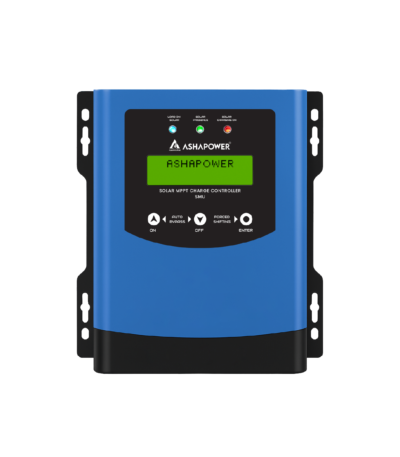
SAKO SC-M 40A MPPT Solar Charge Controller
Original price was: ₦94,000.00.₦90,000.00Current price is: ₦90,000.00.SAKO SC-M 40A MPPT Solar Charge Controller
Advanced MPPT Charging Technology
The SAKO SC-M 40A MPPT Solar Charge Controller helps regulate solar energy for compatible off-grid battery systems. It controls the electricity delivered by solar panels to a battery, supporting suitable charging conditions and effective energy management. With a maximum solar charging current of 40A, it is designed for solar installations that meet its electrical requirements.
MPPT means Maximum Power Point Tracking. This technology helps the controller adjust to changing solar conditions and capture available power from the connected panels. Since sunlight intensity and panel temperature vary throughout the day, the controller works to maintain an effective operating point for charging. Actual results depend on the solar array, battery voltage, and installation conditions.
SAKO’s official SC-M series specifications list a maximum PV input voltage of 150V DC and support for 12V, 24V, and 48V battery systems. The SC-M-40A model has a maximum solar charging current of 40A. Confirm these ratings against the product label and official datasheet before connecting your equipment. <Cite refs={[“turn903434search0”]} />
Battery Protection and Monitoring Features
Safe battery charging requires appropriate voltage settings and protection functions. The SAKO SC-M series includes overcharge protection, over-discharge protection, solar reverse-polarity protection, and over-temperature protection. It also includes charging overcurrent protection, which can reduce charging current when necessary.
The controller uses LED and LCD display functions to help users monitor system operation. The manufacturer’s published information identifies solar input status, battery status, DC output status, and fault status as display information. These indicators can help users check operating conditions and identify certain faults.
Battery compatibility is another important consideration. The SC-M series lists gel, sealed, and user-defined battery settings. Before installation, check the charging requirements of your battery and confirm that the controller supports its chemistry and nominal voltage. Lithium batteries may require specific charging settings, so consult the battery documentation before use.
Always operate the controller within its rated voltage, current, and temperature limits. Correct configuration and suitable electrical protection help support reliable performance.
Applications and Installation Recommendations
The SAKO SC-M 40A MPPT Solar Charge Controller can be considered for compatible off-grid solar installations, battery-charging systems, and selected DC applications. The correct setup depends on your solar panels, battery bank, and expected energy consumption.
Before connecting panels, check the array’s open-circuit voltage and ensure it remains below the controller’s 150V DC PV input limit. Also confirm that the solar array’s power and current suit the controller. The total system design must account for voltage changes caused by temperature and changing operating conditions.
Use appropriately sized cables, compatible connectors, and suitable circuit protection. Follow the manufacturer’s installation instructions and place the controller in a dry, well-ventilated location. Inspect connections regularly and seek professional assistance if you are uncertain about the electrical configuration.
The SAKO SC-M 40A MPPT Solar Charge Controller is an option for users building a compatible solar charging system. Before purchasing, verify the model number, battery compatibility, warranty, and complete technical specifications with your supplier.
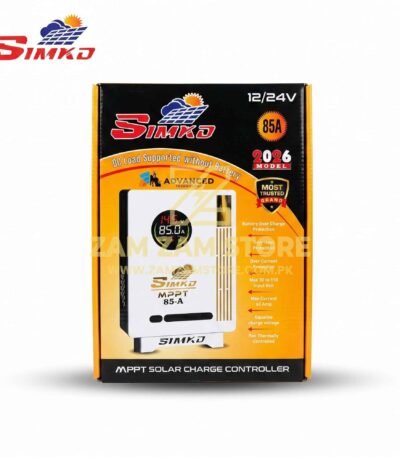
SAKO SC-M 60A MPPT Solar Charge Controller
Original price was: ₦126,000.00.₦120,000.00Current price is: ₦120,000.00.SAKO SC-M 60A MPPT Solar Charge Controller
Make Better Use of Solar Energy
The SAKO SC-M 60A MPPT Solar Charge Controller is designed to manage solar energy in compatible off-grid battery systems. It regulates the electricity supplied by solar panels to a battery, helping maintain suitable charging conditions and supporting the operation of a well-designed solar installation.
Its Maximum Power Point Tracking technology helps the controller adjust to changing solar conditions and capture available power from the connected panels. Sunlight intensity and panel temperature vary throughout the day, so effective tracking can help improve energy harvesting when the solar array and battery are properly matched.
According to SAKO’s published SC-M series specifications, the SC-M-60A supports 12V, 24V, and 48V battery systems. The specifications list a maximum solar charging current of 60A and a maximum PV input voltage of 150V DC. Check the model label and official datasheet to confirm the ratings of the unit you purchase. <Cite refs={[“turn788477search0”]} />
Battery Protection and Monitoring
Safe charging requires suitable voltage settings and protection functions. The SAKO SC-M series includes overcharge protection, over-discharge protection, solar reverse-polarity protection, and over-temperature protection. It also features charging overcurrent protection, which can reduce charging current when required.
The LED and LCD display functions help users monitor the system. Published display information includes solar input status, battery status, DC output status, and fault status. These indicators can help users review normal operation and identify certain problems.
Battery compatibility is also important. The SC-M series lists gel, sealed, and user-defined battery settings. Before connecting a battery, confirm that its chemistry, nominal voltage, and charging requirements match the controller settings. Lithium batteries may need a specific charging profile, so check the battery manufacturer’s guidance before use.
For reliable operation, follow the installation manual, use appropriate electrical protection, and keep all components within their rated limits.
Installation and Compatible Applications
The SAKO SC-M 60A MPPT Solar Charge Controller can be considered for compatible off-grid solar installations, battery-charging systems, and selected DC applications. The suitable system size depends on the solar panel array, battery bank, and electrical requirements of the connected equipment.
Before connecting the panels, check the array’s open-circuit voltage and ensure it remains below the controller’s 150V DC maximum PV input limit. Confirm the panel current and power are also appropriate for the controller. Plan series or parallel connections according to the equipment’s limits and the complete system design.
Use suitable solar cables, compatible connectors, and correctly rated fuses or circuit breakers. Install the controller in a dry, ventilated location away from excessive heat and moisture. Inspect wiring regularly and seek help from a qualified installer if you are unsure about the configuration.
The SAKO SC-M 60A MPPT Solar Charge Controller is an option for users building a compatible solar charging system. Confirm the exact model number, battery support, warranty, and technical datasheet with your supplier before purchase.
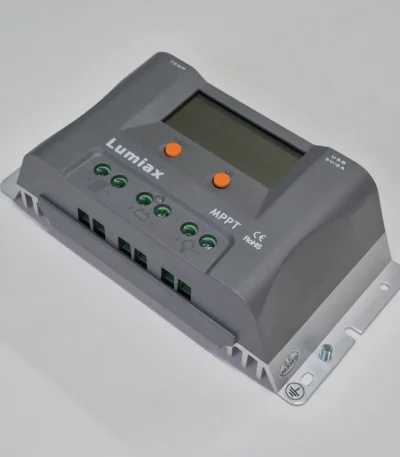
SAKO SC-M 80A MPPT Solar Charge Controller
Original price was: ₦147,000.00.₦145,000.00Current price is: ₦145,000.00.SAKO SC-M 80A MPPT Solar Charge Controller
Improve Solar Energy Management
The SAKO SC-M 80A MPPT Solar Charge Controller is a product listing for users searching for a high-current solar charging solution. A solar charge controller manages the power delivered by photovoltaic panels to a compatible battery bank. It helps regulate charging and supports the operation of a properly designed off-grid solar system.
MPPT technology, or Maximum Power Point Tracking, helps a controller adjust to changing solar conditions. Sunlight intensity and panel temperature change throughout the day, affecting the energy a solar array can produce. An MPPT controller tracks an effective operating point to help use the available solar energy efficiently when the connected panels and battery system are compatible.
Before purchasing this specific model, verify the exact product identity. SAKO’s published SC-M series table lists 20A, 30A, 40A, 50A, and 60A models, but does not show an 80A SC-M version. The manufacturer’s broader MPPT controller range includes other product options, so the seller should provide the datasheet for the exact unit. <Cite refs={[“turn534944search0″,”turn534944search2”]} />
Battery Compatibility and Protection
Choosing the correct charging controller is important for battery performance and safe operation. The controller must support the battery’s nominal voltage, chemistry, and charging profile. Incorrect settings can lead to unsuitable charging conditions, so always follow the battery manufacturer’s instructions.
The published SAKO SC-M series information describes protection functions such as overcharge protection, over-discharge protection, solar reverse-polarity protection, and over-temperature protection. It also includes charging overcurrent protection. The series uses LED and LCD displays to show operating information, including solar input, battery status, DC output, and fault status.
These published features apply to the documented SC-M series. Do not assume that every feature is available on an unverified 80A model. Check the actual unit’s datasheet for its protection functions, display information, battery settings, and operating limits.
If you intend to connect a lithium battery, confirm that the exact controller supports its chemistry and charging requirements. Also check whether the battery’s management system requires specific charging settings or communication features.
Installation and Choosing the Right Controller
An 80A MPPT solar charge controller may be suitable for a solar installation that needs a higher charging current, but its suitability depends on the product’s verified specifications. The maximum PV input voltage, supported battery voltage, current rating, and permitted solar array power must all match the system design.
Before connecting solar panels, check their open-circuit voltage and operating current. Make sure the total array remains within the controller’s electrical limits, including voltage changes caused by temperature. Confirm the battery bank voltage and use cables and connectors rated for the expected current.
Install the controller in a dry, ventilated location. Use suitable fuses or circuit breakers and follow the manufacturer’s wiring sequence. If the controller supports a DC output, verify its output rating before connecting any load. Have a qualified solar installer check the wiring and protection where needed.
Regularly inspect the installation for loose connections, visible damage, and unusual heating. Follow the official instructions when changing charging settings or investigating faults.
The SAKO SC-M 80A MPPT Solar Charge Controller listing should be matched to a verified product before sale. Ask your supplier to confirm the model number, full technical datasheet, battery compatibility, and warranty. This helps ensure that customers receive a controller suitable for their solar system rather than relying on an unconfirmed product name.
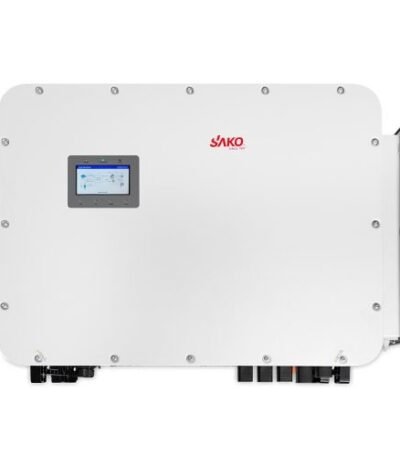
SAKO SK-410M 410W Mono Solar Panel
Original price was: ₦95,500.00.₦95,000.00Current price is: ₦95,000.00.SAKO SK-410M 410 Watt Monocrystalline Solar Module
The SAKO SK-410M 410W Mono Solar Panel is a solar energy product for people planning to generate electricity from sunlight. Its 410-watt rated output makes it a potential component for residential, commercial, and off-grid solar projects. By selecting suitable panels and compatible electrical equipment, users can build a solar system around their daily energy requirements.
Solar power offers a way to use a renewable energy source for everyday electricity needs. During daylight hours, the panel generates DC electricity, which can be used through compatible power equipment. A well-planned installation can help supply some of a property’s electricity demand, while the final results depend on weather, sunlight exposure, system capacity, and electricity consumption.
Product Highlights and Performance
The monocrystalline design identified in the product title is intended to convert sunlight into electrical energy. A panel’s rated wattage helps users compare products and calculate the approximate total rated capacity of a solar array.
Important product highlights include:
– 410 watts of rated output: Helps determine the panel’s contribution to a planned solar array.
– Monocrystalline solar technology: Uses silicon-based photovoltaic cells to produce electricity.
– Daytime power generation: Produces electricity when adequate sunlight reaches the panel.
– Solar array flexibility: Multiple panels may be connected according to the system design.
– Home energy applications: Can contribute to a compatible household solar installation.
– Business energy applications: May be used in a correctly sized commercial solar project.
– Renewable electricity: Helps users make use of sunlight as an energy source.
The rated output does not mean that the panel continuously generates 410 watts in all conditions. Power production changes with sunlight intensity, panel temperature, orientation, and shading. The inverter and other system components also influence how much electricity can be used.
For accurate product selection, review the manufacturer’s datasheet for the exact model. SAKO’s published catalogue includes a 410W monocrystalline panel in the SK-400P8-108M series, but the model identifier should be checked against the product being sold before applying those specifications.
Where Can This Solar Panel Be Used?
The SAKO SK-410M 410W Mono Solar Panel can be considered for suitable residential and commercial solar installations. For homes, a properly designed array may contribute to the electricity used by lights, fans, computers, televisions, and other compatible appliances.
Small businesses may use solar panels to contribute to the power needs of offices, shops, and service facilities. In agricultural settings, solar systems may also support compatible equipment when the electrical requirements and system design are appropriate.
The number of panels required depends on the user’s daily electricity consumption and the amount of sunlight available. For example, a larger array generally has a greater rated capacity, but its actual daily generation still depends on site conditions and system losses.
Users who need power after sunset may consider adding a compatible battery and charge control system. For grid-connected systems, the inverter and installation must meet the applicable electrical and utility requirements. For off-grid use, the system should be sized to cover expected loads and provide sufficient storage when required.
Buying Guide and Care Recommendations
Before ordering the SAKO SK-410M 410W Mono Solar Panel, confirm the exact model, product condition, datasheet, and warranty terms with the supplier. Check the rated power, voltage, current, physical dimensions, connector type, and installation requirements. These details help ensure that the panel fits your planned solar system.
Proper mounting is essential. Use a secure structure designed for the installation site and follow the manufacturer’s recommendations. Avoid shading wherever possible because nearby trees, walls, and other obstacles can reduce electricity production. Keep the panel surface reasonably clean and follow appropriate safety procedures when inspecting or cleaning rooftop equipment.
If you are installing several panels, confirm that the combined voltage and current are within the inverter’s permitted input range. Use compatible wiring, connectors, and protective devices. A qualified installer can help check these requirements and ensure the system is assembled safely.
In summary, the SAKO SK-410M 410W Mono Solar Panel may be a practical option for a renewable energy project when its verified specifications meet the installation requirements. Compare the datasheet with your power needs, available installation space, and inverter before choosing the final setup.
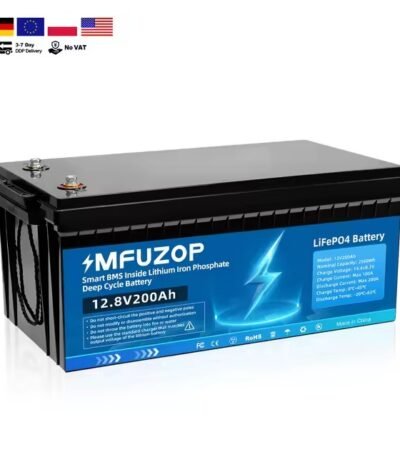
SAKO SK-450M 450W Mono Solar Panel
Original price was: ₦165,000.00.₦105,000.00Current price is: ₦105,000.00.SAKO SK-450M 450 Watt Monocrystalline Solar Panel
The SAKO SK-450M 450W Mono Solar Panel is a solar energy product for people planning to generate electricity from sunlight. Its 450-watt rated output makes it a potential component for residential, commercial, and suitable off-grid installations. When combined with compatible solar equipment, it can contribute to a system designed around a property’s energy requirements.
Solar panels generate DC electricity during daylight hours. A suitable inverter can convert this electricity into AC power for compatible appliances. Depending on the installation, users may also add battery storage to save energy for later use. The final performance depends on sunlight, installation conditions, and the specifications of the complete system.
Product Highlights and Performance
The 450W power rating provides a starting point for calculating the total rated capacity of a solar array. Monocrystalline photovoltaic technology converts sunlight into electricity through solar cells. However, actual production changes throughout the day and varies with environmental conditions.
Important product highlights include:
– 450-watt rated output: Helps determine the panel’s contribution to a planned solar array.
– Monocrystalline solar technology: Uses silicon-based photovoltaic cells to generate electricity.
– Daytime energy generation: Produces electricity when sufficient sunlight reaches the panel.
– Residential use: Can contribute to a compatible home solar system.
– Commercial use: May be included in suitable business solar installations.
– Off-grid system support: Can form part of a compatible standalone power setup.
– Flexible solar planning: Allows installers to calculate the required number of panels based on energy needs.
Keep in mind that rated power is measured under specified test conditions. Actual production depends on sunlight intensity, panel temperature, shading, orientation, and system efficiency. For accurate planning, consider expected local conditions rather than relying only on the panel’s wattage.
SAKO’s official solar panel catalogue lists a 450W monocrystalline model under the designation SK-450P6-144M. Because the name provided for this product is SK-450M, confirm the exact model printed on the panel before using specifications from that catalogue.
Solar Energy Applications and Planning
The SAKO SK-450M 450W Mono Solar Panel may be considered for homes, shops, offices, and selected off-grid installations. A properly sized solar array can contribute electricity for lighting, fans, computers, and other compatible appliances. The amount of electricity supplied depends on the total installed capacity and the property’s energy consumption.
For business users, solar panels may help meet some daytime power requirements. Before choosing an installation size, review daily electricity usage and identify the loads you want the system to support. This makes it easier to estimate how many panels may be required.
If you need electricity when sunlight is unavailable, a compatible battery may store some of the energy generated during the day. The inverter, battery, and solar array must be designed to work together. Grid-connected systems must also meet applicable electrical and utility requirements.
Available installation space is another important consideration. Roof direction, shading, mounting options, and local weather conditions can affect the results. A solar installer can evaluate these factors and help design an appropriate system.
Buying Guide, Installation, and Maintenance
Before ordering this solar panel, confirm its exact model number, rated electrical specifications, condition, and warranty with the supplier. Request the official datasheet and check voltage, current, dimensions, connector type, and maximum system voltage. These details help ensure that the panel is suitable for your planned inverter and installation.
Use a secure mounting structure and follow the manufacturer’s installation instructions. Suitable cables, connectors, and protective devices are essential. If several panels are connected together, verify that their combined voltage and current stay within the inverter’s operating limits.
Keep the panel free from excessive dirt and inspect the installation periodically for visible damage or loose connections. Follow the manufacturer’s cleaning instructions and use appropriate safety precautions, particularly for rooftop equipment.
In conclusion, the SAKO SK-450M 450W Mono Solar Panel can be considered for a compatible renewable energy project. Confirm the model and its verified specifications, then compare them with your energy needs and system requirements before making a purchase.