



SAKO BRAND

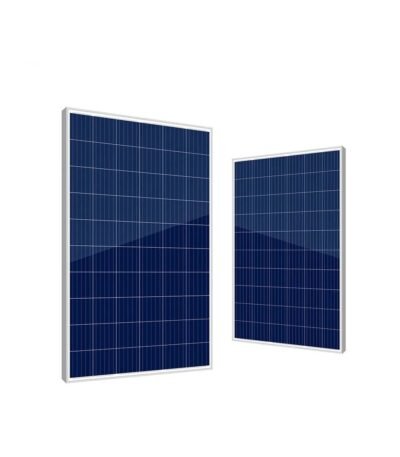
SAKO 300W Mono Solar Panel
Original price was: ₦77,000.00.₦75,000.00Current price is: ₦75,000.00.SAKO 300W Mono Solar Panel
Reliable Energy from Sunlight
The SAKO 300W Mono Solar Panel provides a way to generate renewable electricity for a range of solar power applications. Its 300-watt rated output makes it an option for users planning a home solar system, a small business installation, or a compatible off-grid setup. By converting sunlight into DC electricity, the panel can contribute to a properly designed solar energy system.
Solar panels are useful for people who want to use renewable energy during daylight hours. They can also form part of a system that stores electricity in compatible batteries for later use. However, a panel does not guarantee a fixed amount of daily energy. Actual production depends on sunshine, season, temperature, shading, installation angle, and the performance of the connected equipment.
SAKO lists a 300W monocrystalline solar panel in its product range. Before buying, verify the model number and datasheet with your supplier because product specifications can vary between versions. <Cite refs={[“turn201281search2″,”turn201281search1”]} />
Monocrystalline Construction and Performance
Monocrystalline solar panels use silicon solar cells to convert light into electricity. This technology is commonly used in residential and commercial solar installations. The SAKO 300W Mono Solar Panel may suit projects where its rated output, dimensions, and electrical characteristics match the planned system.
SAKO’s published SMM300W product information lists 72 solar cells and panel dimensions of approximately 1960 × 990 × 40 mm. The listed weight is about 24.5 kg. The same specification table gives a maximum power voltage of 37.0V and a maximum power current of 8.11A, with an open-circuit voltage of 45.0V and short-circuit current of 8.77A. Verify these details on the datasheet for the actual product before installation. <Cite refs={[“turn201281search1″,”turn201281search3”]} />
The manufacturer’s product information also describes protective glass and construction intended for outdoor installation. Correct mounting, suitable wiring, and routine inspection help support safe operation. Avoid assuming that all panels with the same wattage have identical electrical ratings or dimensions.
Installation and Practical Solar Applications
The SAKO 300W Mono Solar Panel can be considered for a compatible inverter system, battery-charging setup, solar lighting project, or a larger array with multiple panels. The number of panels required depends on energy consumption, available sunlight, battery capacity, and the specifications of the connected equipment.
Before connecting the panel, review the inverter or charge controller manual. Confirm the maximum PV voltage, current limits, and operating voltage range. When connecting panels in series, voltage increases; when connecting them in parallel, current increases. The final arrangement must stay within the equipment’s approved limits.
For best results, select a location that receives direct sunlight with minimal shading. Secure the panel with appropriate mounting hardware and use compatible solar cables and connectors. Ask a qualified installer to check the electrical design, protective devices, and mounting structure.
Regularly inspect the panel and remove dust when needed, following the manufacturer’s maintenance guidance. Also check for visible damage and signs of loose wiring. Before purchase, confirm the model, warranty, delivery condition, and exact specifications with the seller.
The SAKO 300W Mono Solar Panel can be a useful component in a well-planned solar energy system. Matching it correctly with the rest of the installation helps you make better use of available solar power.
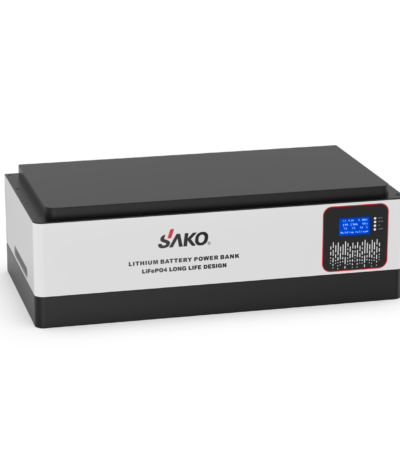
SAKO 30A PWM Solar Charge Controller
Original price was: ₦27,000.00.₦25,000.00Current price is: ₦25,000.00.SAKO 30A PWM Solar Charge Controller
The SAKO 30A PWM Solar Charge Controller is a product option for users researching solar battery charging equipment. A charge controller manages the power transferred from solar panels to a battery bank. Choosing the correct controller is essential because the solar array and battery must operate within the controller’s supported electrical limits.
SAKO lists an SC-D Series PWM solar charge controller on its official website. However, buyers should verify the precise 30A PWM model before ordering. This is especially important because SAKO’s SC-M 30A model is identified as an MPPT controller rather than a PWM controller.
Understand PWM Charging
PWM means Pulse Width Modulation. A PWM controller regulates solar charging by controlling the electrical connection between the panels and the battery. This technology is commonly used in solar installations where the panel voltage matches the battery system appropriately.
The 30A rating indicates the advertised current class, but it does not provide a complete specification. Maximum solar input voltage, supported battery voltages, battery chemistry, and any DC load-output limits must be checked separately. Always use the technical documentation for the exact model instead of assuming that similarly rated controllers have identical features.
When planning a solar system, compare the solar panel’s voltage and current with the controller’s input limits. Next, check the battery manufacturer’s recommended charging voltage and current. These checks help ensure that the selected equipment is suitable for the intended installation.
Plan a Compatible Solar Setup
A suitable PWM solar charge controller can be part of an off-grid battery charging system. Depending on the installation, the system may support compatible DC lighting, small electrical devices, and other low-power applications. The actual capabilities depend on the panels, battery capacity, sunlight conditions, and controller specifications.
Remember that a charge controller and an inverter perform different jobs. The controller regulates battery charging from solar panels, while an inverter converts DC power into AC electricity for compatible appliances. If your installation requires AC power, confirm that the inverter, battery, and solar array are correctly sized for the expected load.
Before connecting any equipment, verify the battery voltage and chemistry supported by the controller. Follow the manufacturer’s wiring instructions and use cables suitable for the expected current. Provide appropriate installation conditions, including ventilation and protection from moisture where required. A qualified installer can help confirm the system design if you are unsure.
Do not assume that every controller supports lithium batteries or offers the same protection functions. Verify these details in the official documentation. Correct selection and installation help the equipment operate within its intended limits.
Verify the Exact Product Specifications
Before buying the SAKO 30A PWM Solar Charge Controller, ask the supplier for the exact model code and official datasheet. Confirm the rated charging current, supported battery voltages, compatible battery chemistries, maximum PV input voltage, and available load-output features. Check the warranty and technical support arrangements as well.
A controller should never be selected on amperage alone. The solar panel array must stay within the controller’s input limits, and the battery must receive a compatible charging profile. These checks are important for both performance and safe operation.
If you are comparing several controllers, make sure you compare the same technology and the same electrical ratings. In particular, distinguish PWM models from MPPT models, because they use different charging approaches. This helps prevent errors when choosing equipment for a new or existing solar installation.
The SAKO PWM range is listed by the manufacturer, but the specific 30A PWM model needs confirmation. Verify the product label and written specifications before purchase to ensure that the unit is suitable for your planned solar setup.
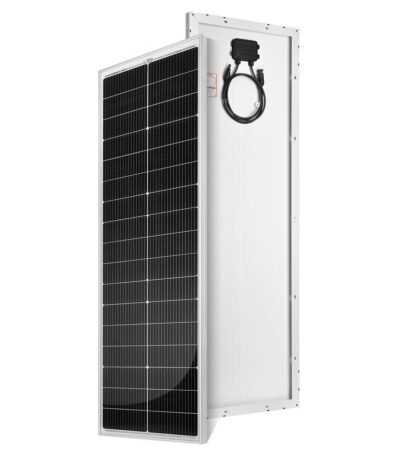
SAKO 350W Mono Solar Panel
Original price was: ₦86,000.00.₦85,000.00Current price is: ₦85,000.00.SAKO 350W Mono Solar Panel
Make Better Use of Solar Energy
The SAKO 350W Mono Solar Panel offers a practical way to generate renewable electricity from sunlight. Its 350-watt rated output makes it an option for users planning a solar installation for their home, shop, office, or off-grid location. When connected to compatible equipment, the panel produces DC electricity that can contribute to a complete solar power system.
Using solar energy can help reduce dependence on conventional electricity sources. It can support daytime energy needs and work with a suitable battery system to store electricity for later use. However, the amount of power generated depends on available sunlight, weather conditions, panel temperature, shading, and the design of the installation.
SAKO’s official solar module catalogue includes a 350W monocrystalline panel identified as SK-350P8-96M. The catalogue lists a rated module efficiency of 20.07%. Always check the product label and supplier’s datasheet to ensure the panel you receive matches this model. <Cite refs={[“turn406432search12”]} />
Solar Cell Technology and Outdoor Design
Monocrystalline solar technology is widely used because it provides a practical method of converting sunlight into electricity. It is suitable for many residential and commercial solar projects, provided the panel’s output and electrical characteristics match the system requirements.
According to SAKO’s catalogue, the SK-350P8-96M uses 96 monocrystalline PERC cells. Its listed dimensions are approximately 1538 × 1134 × 30 mm, and its weight is around 19 kg. The construction specifications include low-iron tempered glass, an anodised aluminium alloy frame, and an IP65-or-higher junction box rating. These features support the panel’s intended outdoor use when installation and maintenance follow the manufacturer’s guidance. <Cite refs={[“turn406432search12”]} />
The listed electrical ratings at standard test conditions include 27.33V maximum power voltage and 12.81A maximum power current. These figures are important when checking compatibility with solar inverters and charge controllers. Never assume that every 350W panel has the same voltage, current, size, or connector configuration.
Installation and Solar System Compatibility
The SAKO 350W Mono Solar Panel can be considered for a range of compatible solar applications. These may include household power systems, small commercial installations, battery charging, and larger arrays made from multiple panels. The correct setup depends on daily energy consumption, sunlight availability, storage needs, and the equipment being used.
Before installation, review the inverter or charge controller specifications. Check the maximum PV input voltage, allowable current, and recommended array size. Series connections increase voltage, whereas parallel connections increase current. Plan the configuration carefully to keep all electrical values within the equipment’s limits.
Install the panel in an open location with minimal shade. Use a secure mounting structure, compatible connectors, correctly sized cables, and suitable electrical protection. A qualified installer should check the wiring and system design before operation.
Routine inspection can help identify dust buildup, visible damage, or loose connections. Clean the panel as recommended by the manufacturer and avoid unsafe work on live electrical connections.
The SAKO 350W Mono Solar Panel can be a useful part of a well-planned renewable energy system. Before buying, verify the exact model number, specifications, warranty conditions, and compatibility with your inverter or charge controller for a more reliable installation.
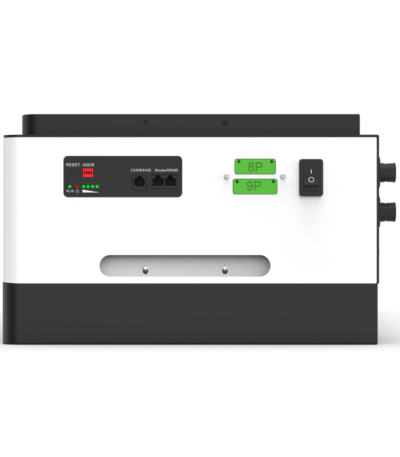
SAKO 40A PWM Solar Charge Controller
Original price was: ₦33,000.00.₦32,000.00Current price is: ₦32,000.00.SAKO 40A PWM Solar Charge Controller
The SAKO 40A PWM Solar Charge Controller is designed as a product option for users exploring solar battery charging equipment. A controller manages the electricity transferred from solar panels to a battery bank. Choosing the correct model helps ensure that the charging equipment matches the electrical requirements of the panels and battery.
SAKO lists its SC-D Series as a PWM solar charge controller range. However, buyers should verify the precise model number and technical specifications before purchasing a 40A version. This helps avoid confusion with other SAKO controller series that use different charging technologies.
Understand PWM Solar Charging
PWM stands for Pulse Width Modulation. A PWM controller regulates the electrical connection between the solar panels and battery during charging. This technology is commonly used in solar systems where the panel voltage is appropriately matched to the battery voltage.
The 40A rating is one factor to consider when choosing a solar controller. Other important specifications include maximum PV input voltage, supported battery voltages, compatible battery chemistry, and charging settings. These details determine whether the controller is suitable for your installation.
Before connecting your panels, compare their voltage and current ratings with the controller’s limits. Also check the battery manufacturer’s recommended charging requirements. A controller must support both the solar array and the battery to operate correctly. Never assume that two controllers with the same current rating have identical capabilities.
Applications for Off-Grid Solar Setups
A suitable PWM solar charge controller can help manage battery charging in a compatible off-grid system. Depending on the complete installation, the system may support DC lighting, battery charging, and other electrical equipment within its rated capacity. Actual results depend on the panel arrangement, sunlight, battery capacity, and controller specifications.
It is important to understand the difference between a charge controller and an inverter. The controller manages charging from solar panels, while an inverter converts DC battery power into AC electricity for compatible appliances. If you need to operate AC devices, select a suitable inverter and battery alongside the controller.
Battery compatibility also matters. Check whether the exact controller supports your battery type and voltage before installation. Do not assume that every model supports lithium batteries or offers adjustable charging profiles. Refer to the official datasheet and product manual for confirmed features.
For dependable operation, follow the manufacturer’s wiring instructions and use correctly rated cables. Keep the unit within its specified operating conditions, including temperature and ventilation requirements. If you are unsure about the installation, seek assistance from a qualified solar technician.
Check Compatibility Before Purchase
Before buying the SAKO 40A PWM Solar Charge Controller, ask the supplier for the exact model number and official datasheet. Confirm the rated charging current, supported battery voltage, compatible battery types, maximum solar input voltage, and any DC load-output limits. Check the warranty and after-sales support as well.
Do not rely on the 40A rating alone when comparing controllers. Your panel array must remain within the unit’s electrical limits, and its charging settings must suit the battery. These checks help reduce the risk of compatibility problems and support a properly designed solar installation.
Also make sure you are choosing the correct charging technology. SAKO identifies the SC-D series as PWM and lists the SC-M series as MPPT. Verify the product label before ordering so you receive the controller you intended to purchase.
The SAKO 40A PWM Solar Charge Controller is worth considering when its confirmed specifications match your solar system. Request written confirmation from the supplier before purchase to make an informed decision and plan a compatible installation.
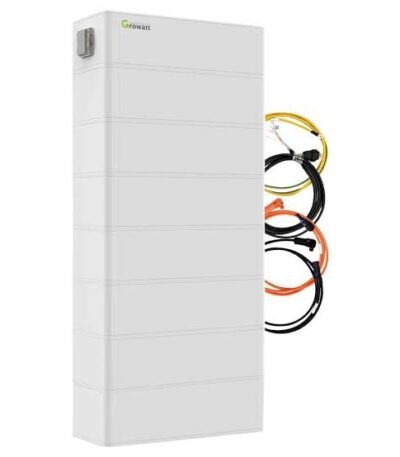
SAKO 48V 100Ah Rack Lithium Battery
Original price was: ₦955,000.00.₦950,000.00Current price is: ₦950,000.00.## A Higher-Capacity Option for Energy Management
Planning an energy storage system starts with understanding how much electricity your equipment uses. The SAKO 48V 100Ah Rack Lithium Battery offers a 48V nominal rating and a 100Ah capacity for compatible power systems. It may suit users who need battery storage for solar energy, selected backup loads, or other appropriate applications.
A battery helps separate the time when electricity becomes available from the time when you need to use it. For instance, a compatible solar setup can store energy during periods of generation. The system can then draw from that stored energy when sunlight decreases, subject to the battery’s available capacity and the inverter’s limits.
The rack-style design can also help users create an organised equipment layout. A suitable installation plan should leave enough space for the required mounting, cable connections, inspection, and any manufacturer-specified clearances.
## Capacity, Design, and Storage Advantages
The SAKO 48V 100Ah Rack Lithium Battery combines two important ratings that help buyers evaluate system suitability. The 48V rating identifies the nominal voltage class, while 100Ah describes the rated electrical charge capacity under specified conditions.
Multiplying the nominal voltage by the rated capacity gives approximately 4,800Wh, or 4.8kWh, of nominal energy. This calculation helps with initial comparisons. However, it does not guarantee that the system can deliver the full amount as usable energy. Discharge settings, inverter efficiency, temperature, and battery condition can change actual results.
**Energy Planning:** Use the nominal capacity as a starting point when estimating how much storage your system may need.
**Organised Installation:** A compatible rack arrangement can help keep equipment and cables in a designated area.
**Solar Energy Storage:** When the system supports the battery, stored electricity may supply selected loads after solar generation falls.
**Backup Support:** A properly configured installation may power compatible equipment during an outage, depending on load demand and available energy.
**System Matching:** Voltage, charging requirements, current limits, and communication support all matter when pairing a battery with an inverter.
Before purchasing, confirm the actual battery chemistry, dimensions, cycle-life rating, protection functions, and communication options in the manufacturer’s documentation. Avoid relying on features that the product listing does not confirm.
## Choosing the Right Battery Setup
Begin by listing the devices you want to operate and estimating their energy consumption. Consider both the power each device requires and the number of hours you need it to run. Appliances with high starting currents may require additional inverter capacity, even when the battery has sufficient stored energy.
Next, compare your estimated demand with the battery’s usable capacity. Include conversion losses and avoid planning around the full nominal energy figure. If your requirements exceed the available storage, consider a suitably designed system with additional capacity.
Check the inverter’s compatibility with the battery’s voltage, chemistry, charging profile, current limits, and communication protocol. Then follow the manufacturer’s guidance for wiring, mounting, charging, and routine inspection. Use appropriate electrical protection and qualified installation support where necessary.
The SAKO 48V 100Ah Rack Lithium Battery can be a useful part of an energy storage plan when the product specifications match your application. Careful planning helps you choose compatible equipment and establish realistic expectations for solar storage or backup performance.
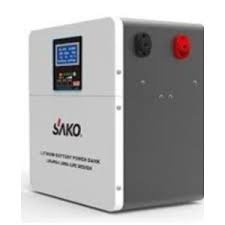
SAKO 48V 150Ah Rack Lithium Battery
Original price was: ₦1,455,000.00.₦1,450,000.00Current price is: ₦1,450,000.00.SAKO 48V 150Ah Rack Battery for Reliable Backup Power
Finding the right battery is an important step when building a solar energy or backup power system. The SAKO 48V 150Ah Rack Lithium Battery is designed for compatible energy storage applications that require a 48V battery configuration. With a rated capacity of 150Ah, it provides approximately 7.2kWh of nominal stored energy, based on the nominal voltage and amp-hour rating.
A battery of this capacity can help users store electricity for use when energy production or grid supply is limited. However, the results depend on the complete system design, the connected equipment, and the manufacturer’s specified operating limits. Selecting the right battery starts with understanding your energy needs and checking the specifications of your existing equipment.
Why Choose a 150Ah Rack Lithium Battery?
Battery capacity affects how much energy a system can store. At the same nominal voltage, a 150Ah battery has more nominal capacity than a 100Ah battery. This may offer greater flexibility for users who need to store energy for evening use or maintain selected loads during a power outage.
Benefits and specifications to review include:
– 150Ah rated capacity: Provides a substantial energy reserve for compatible installations.
– 48V nominal voltage: Suits systems specifically designed for the battery’s electrical requirements.
– 7.2kWh nominal energy: Helps users estimate the battery’s theoretical energy storage.
– Rack-mounted format: Can support a tidy and organized equipment layout when installed using the correct hardware.
– Solar charging potential: Allows stored solar electricity to be used later in a compatible setup.
– Flexible system planning: Can be considered for selected residential and commercial energy storage needs.
Keep in mind that nominal energy is not necessarily the same as usable energy. The battery management system, recommended depth of discharge, temperature, load demand, and inverter losses can all affect the energy available to appliances.
Suitable Uses for Homes and Businesses
The SAKO 48V 150Ah Rack Lithium Battery may be used in compatible solar installations and backup power arrangements for homes, offices, shops, and other facilities. When paired with a suitable inverter, it can help supply selected electrical loads from stored energy.
In a home, stored energy may be used for essential lighting, internet equipment, fans, and other compatible devices. In an office or shop, a properly designed system may support selected equipment during a grid outage. The number of appliances and the length of backup time depend on their wattage and how long they operate.
To estimate runtime, first calculate the total energy consumption of the devices you plan to power. Then account for usable battery energy and conversion losses. High-power appliances can drain stored energy quickly, so do not assume that a battery will operate every household device for a fixed number of hours.
For solar installations, the battery should be matched with the inverter, solar array, and charging configuration. A qualified installer can help determine whether the capacity meets your daily energy needs and whether additional storage is required.
Buying Guide and Safe System Setup
Before ordering the SAKO 48V 150Ah Rack Lithium Battery, confirm the exact model specifications with the seller or manufacturer. Check the battery chemistry, maximum charging and discharging current, dimensions, weight, supported communication protocols, warranty terms, and any required rack accessories. These details should be verified for the specific model rather than assumed from its name alone.
Next, ensure that your inverter supports the battery’s voltage and charging profile. If the equipment uses CAN, RS485, or another communication method, confirm that the exact devices are compatible and use the recommended settings. Correct wiring, appropriate circuit protection, and secure mounting are also essential.
Install the battery in an environment that meets the manufacturer’s temperature, ventilation, and moisture requirements. Keep all connections secure, follow the supplied safety instructions, and arrange professional installation where necessary.
Overall, the SAKO 48V 150Ah Rack Lithium Battery is an option to consider when planning a compatible solar energy storage or backup power system. By checking the specifications and calculating your real energy needs, you can make a more informed decision and build a system that suits your requirements.
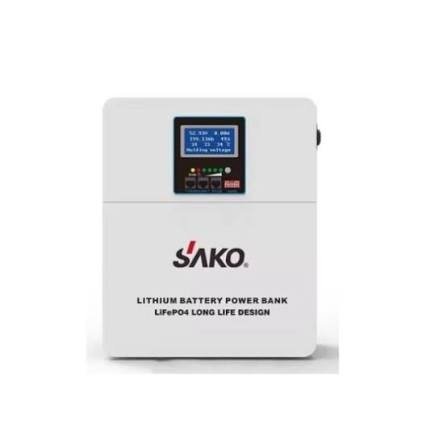
SAKO 48V 200Ah Rack Lithium Battery
Original price was: ₦1,880,000.00.₦1,850,000.00Current price is: ₦1,850,000.00.SAKO 48V 200Ah Lithium Battery for Reliable Backup Power
A dependable energy storage setup starts with a battery that matches the requirements of the entire system. The SAKO 48V 200Ah Rack Lithium Battery is an option for compatible solar installations and backup power systems that need a 48V battery configuration. Its 200Ah rated capacity corresponds to approximately 9.6kWh of nominal stored energy, based on the nominal voltage and amp-hour rating.
This energy capacity can help users store electricity for use at a later time. For example, a suitable solar installation can store generated energy for evening use, while a compatible backup system can supply selected loads when the grid is unavailable. Performance depends on the battery’s usable capacity, system configuration, connected appliances, and the manufacturer’s operating limits.
Why Consider a 200Ah Rack Battery?
Battery capacity plays an important role in determining how much energy can be stored. At the same nominal voltage, a 200Ah battery has twice the nominal amp-hour capacity of a 100Ah battery. This may provide greater storage flexibility for systems with higher energy requirements.
Important features to consider include:
– 200Ah rated capacity: Offers a substantial nominal energy reserve for compatible applications.
– 48V nominal voltage: Designed for systems that support the battery’s specified voltage.
– 9.6kWh nominal energy: Provides a useful starting point for estimating energy storage.
– Rack-style format: Supports an organized equipment arrangement with suitable installation hardware.
– Solar charging compatibility: Can store energy from a compatible solar setup.
– Backup system integration: May support selected electrical loads through a correctly configured inverter.
– Residential and commercial use: Can be considered for suitable home, office, and business energy storage projects.
Remember that nominal capacity is not the same as guaranteed usable capacity. Discharge limits, inverter losses, temperature, and battery management settings can affect the energy delivered to appliances.
Solar Storage and Everyday Applications
The SAKO 48V 200Ah Rack Lithium Battery may suit users who want to plan a solar energy storage system or increase the capacity of a compatible backup installation. In residential settings, stored energy may help power selected lights, fans, networking devices, computers, and other suitable appliances.
For business use, a properly designed installation may support selected office equipment, communication devices, and other essential loads during power interruptions. The actual number of devices that can operate together depends on the inverter’s power rating and the total wattage of the connected equipment.
To estimate backup duration, calculate how much energy your appliances use over time. Then consider the usable battery capacity and system losses. Appliances with heating elements, compressors, or high starting currents may require additional planning. This approach helps avoid choosing a battery based only on its amp-hour rating.
Solar panel output also affects the system’s ability to recharge the battery. Weather, sunlight hours, panel capacity, and charging settings can influence the amount of energy available each day. A correctly sized system should account for both energy consumption and the time available for recharging.
Buying Considerations and Safe Installation
Before purchasing the SAKO 48V 200Ah Rack Lithium Battery, verify the exact product specifications with the seller or manufacturer. Check the battery chemistry, usable capacity, charging and discharging limits, dimensions, weight, warranty, and any included accessories. Do not assume these details from the product title alone.
Next, confirm that your inverter supports the battery’s electrical requirements and any necessary communication protocol. Use the manufacturer’s recommended charging settings and installation method. Correct cable sizing, circuit protection, secure mounting, and suitable environmental conditions are essential parts of a safe installation.
The battery should be installed and configured according to the official instructions. Avoid unauthorized modifications, protect connections from damage, and have a qualified professional review the setup when needed. Routine monitoring can also help users identify system warnings and operating issues.
In conclusion, the SAKO 48V 200Ah Rack Lithium Battery is worth considering for compatible solar storage and backup power projects that require substantial nominal energy capacity. Compare its verified specifications with your power requirements and inverter before making a final purchase decision.
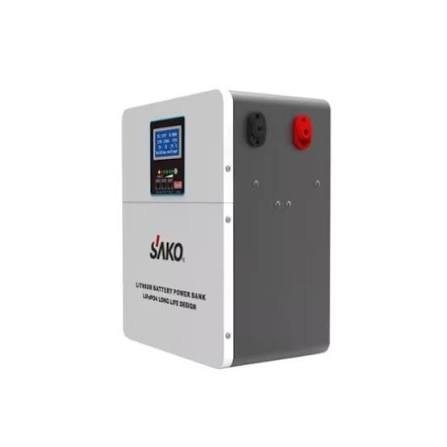
SAKO 48V 50Ah Rack Lithium Battery
Original price was: ₦705,000.00.₦700,000.00Current price is: ₦700,000.00.## A Flexible Solution for Solar Energy Storage
Managing electricity use becomes easier when your power system includes suitable energy storage. The SAKO 48V 50Ah Rack Lithium Battery offers a defined voltage and capacity combination for compatible installations. It may support solar energy storage or selected backup applications, depending on your equipment and electricity requirements.
A battery stores electrical energy so a connected system can use it later. For example, a compatible solar setup may charge the battery during periods of generation and draw on stored energy when sunlight decreases. Similarly, a suitable backup arrangement may provide power to selected devices during an outage. Runtime depends on the connected load, usable battery capacity, and inverter efficiency.
Before choosing a battery, estimate the daily energy consumption of the appliances you want to support. This step helps you compare available capacity with your expected demand. It also reduces the risk of choosing a system that cannot meet your intended runtime.
## Design, Capacity, and Important Features
The rack-oriented design of the SAKO 48V 50Ah Rack Lithium Battery can help create a structured installation when used with compatible mounting equipment. A planned layout supports tidy cable routing and convenient access for routine checks. Confirm the exact dimensions and mounting requirements before allocating installation space.
Its 48V nominal rating identifies the battery’s voltage class, while the 50Ah rating describes its electrical charge capacity under specified conditions. Together, these ratings provide a useful basis for evaluating the product.
At nominal values, multiplying 48 volts by 50 amp-hours gives approximately 2,400 watt-hours, or 2.4kWh. This calculation estimates nominal energy, not guaranteed usable energy. Discharge limits, temperature, conversion losses, and the battery’s condition can affect actual output.
**Energy Planning:** Use the voltage and capacity ratings as a starting point when estimating system requirements.
**Space Organisation:** A suitable rack can help keep battery equipment arranged in a dedicated location.
**Solar Integration:** A compatible charging system may store energy for later use, depending on the installation design.
**Backup Applications:** A correctly configured system may support selected loads during power interruptions, subject to available energy and power limits.
Check the official product specifications to confirm battery chemistry, cycle life, communication features, and built-in protection functions. Do not assume that unlisted features come standard.
## How to Choose and Use the Battery Correctly
First, verify that your inverter supports the battery’s voltage, chemistry, charging profile, and communication requirements. Then check the maximum charge and discharge currents, connector types, and any required configuration settings. Compatibility matters because incorrect settings can affect performance and safety.
Next, calculate the expected load. Add the energy requirements of the devices you plan to operate, then account for conversion losses and the runtime you need. If your demand exceeds the battery’s usable capacity, consider a suitable system with greater storage capacity.
During installation, follow the manufacturer’s instructions and use appropriately rated electrical components. Place the battery in a suitable environment and protect connections from damage. Schedule regular inspections and ask a qualified installer for assistance when needed.
The SAKO 48V 50Ah Rack Lithium Battery can be a useful option for compatible energy storage projects. By checking specifications, calculating demand, and planning installation carefully, you can choose a battery solution that better matches your power requirements.
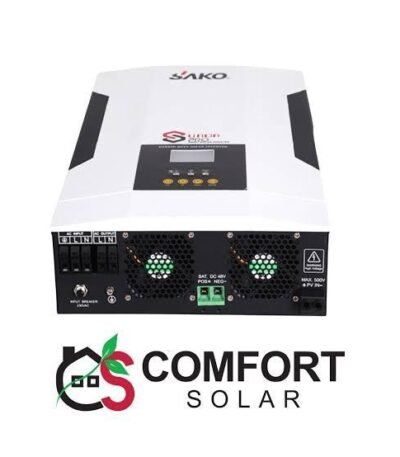
SAKO Alpha ESS 3kW/2.56kWh All-In-One System
Original price was: ₦1,109,000.00.₦1,108,000.00Current price is: ₦1,108,000.00.SAKO Alpha ESS 3kW/2.56kWh All-In-One System
The SAKO Alpha ESS 3kW/2.56kWh All-In-One System offers an integrated approach to solar energy storage for homes and small power applications. By combining an inverter, charging functions, and a built-in lithium battery, the system helps users store electrical energy and supply compatible appliances when required. Its compact design can make it a practical option for people who want a combined solar power and backup solution.
This model is listed with a 2.56kWh battery and a 3kVA inverter rating. The manufacturer’s catalogue specifies approximately 2.7kW rated output power for the documented version. Understanding the difference between kVA and kW is important because the actual rated power determines which appliances the inverter can operate.
An All-In-One Solution for Home Energy
A traditional solar installation may use separate components for power conversion, battery storage, and charging. An all-in-one system brings these functions together to create a more integrated setup. This design can help simplify equipment selection and reduce the need to arrange separate inverter and battery units.
The documented SAKO Alpha ESS 3K/2.56kWh model includes a 25.6V lithium iron phosphate battery rated at 100Ah. Its nominal stored energy is 2.56kWh. This stored energy can support selected appliances, but the actual backup duration depends on the appliances’ consumption, conversion efficiency, battery condition, and usable battery energy.
The system may be considered for essential household equipment such as lights, routers, computers, and other compatible loads. However, users should check the power requirements of every appliance before connecting it. High-demand appliances and equipment with large starting surges may not be suitable for every installation.
Solar Input and Charging Capabilities
Solar charging allows users to collect energy from compatible solar panels and store it in the battery. The published specifications for this Alpha ESS version list an MPPT solar voltage range of 30V to 350V DC, along with a maximum solar charging current of 80A. The listed maximum combined charging current from utility and solar is also 80A.
These values are useful when planning a solar array, but panel selection must follow the manufacturer’s limits for operating voltage, open-circuit voltage, current, and maximum solar input. Incorrect panel configuration can affect performance and may damage equipment.
The documented unit also provides pure sine wave AC output rated at 230V and 50Hz. This is a common output format for many household electrical devices. Nevertheless, compatibility depends on the appliance’s power consumption, starting requirements, and the inverter’s confirmed ratings.
Before installation, ask the supplier for the datasheet that matches the exact model being sold. Confirm charging modes, battery protection functions, operating temperature limits, and the requirements for any external electrical connections. These checks help ensure that the complete system is designed correctly.
How to Choose the Right System for Your Needs
Start by identifying the appliances you need during a power outage. Record their wattage and estimate how long each appliance will operate. Add together the loads that may run simultaneously, then compare the total with the inverter’s rated output. Estimate energy usage in kilowatt-hours to understand whether the 2.56kWh battery can provide the desired backup duration.
The SAKO Alpha ESS 3kW/2.56kWh All-In-One System can be an option for users who want solar charging and battery storage in one unit. Its suitability depends on the required power, daily electricity consumption, available sunlight, and the amount of backup time needed.
Before purchasing, confirm the product’s current availability, exact output rating, battery specifications, solar input limits, warranty, and after-sales support. Ask a qualified solar installer to review the panel configuration and electrical protection requirements.
A carefully planned installation can help users make effective use of stored energy and solar generation. Selecting the system according to actual appliance loads, rather than the advertised capacity alone, is the best way to determine whether it suits your household or small business requirements.
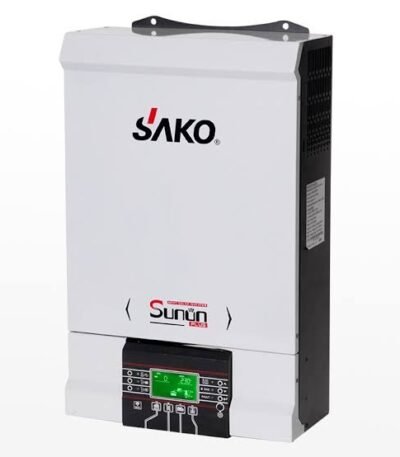
SAKO Alpha ESS 5kW/10.24kWh All-In-One System
Original price was: ₦3,255,000.00.₦3,250,000.00Current price is: ₦3,250,000.00.SAKO Alpha ESS 5kW/10.24kWh All-In-One System
Upgrade your solar energy setup with the SAKO Alpha ESS 5kW/10.24kWh All-In-One System, an integrated solution designed for solar power management and battery storage. It is intended for users who want to store electrical energy and supply compatible appliances when needed. By bringing key energy components together, an all-in-one system can make installation planning more convenient.
The advertised configuration combines a 5kW inverter rating with a 10.24kWh battery capacity. Before ordering, verify that both ratings match the actual model supplied. Correct specifications are essential for selecting suitable solar panels, planning battery charging, and determining which household appliances the system can support.
Convenient Energy Storage for Homes
Battery storage helps users keep energy available for times when solar panels are not generating enough electricity. Depending on the system configuration, stored energy can be used to operate compatible appliances during evening hours or power interruptions.
The 10.24kWh capacity represents the battery’s nominal energy storage rating. Actual usable energy may differ because of battery operating limits and system losses. Backup duration also depends on the combined power consumption of connected appliances.
For practical planning, identify essential loads such as lighting, networking equipment, computers, and other household devices. Check their combined running wattage and any additional starting power requirements. This information helps you determine whether the confirmed inverter output is sufficient and whether the battery can provide the desired backup duration.
Integrated Solar Conversion and Charging
The all-in-one design combines essential energy system functions in one unit, potentially reducing the need to arrange separate inverter and battery equipment. SAKO’s published ALPHA ESS documentation describes integrated inverter and charging functions, LiFePO4 battery storage, and smart monitoring for documented configurations.
Exact features can vary between models. Ask the seller to confirm the available MPPT solar charging function, maximum PV input, operating voltage range, charging current, battery management functions, and monitoring options for the specific 5kW/10.24kWh version.
Solar panel compatibility is particularly important. The panel array must remain within the inverter’s permitted voltage and current limits under expected operating conditions. The battery must also be compatible with the inverter’s voltage and charging settings. A qualified solar installer can check these requirements before installation.
Review the AC output rating, operating frequency, protection functions, warranty, and service arrangements as well. These details help you assess whether the product suits your property and the electrical equipment you intend to operate.
Make an Informed Buying Decision
The SAKO Alpha ESS 5kW/10.24kWh All-In-One System is an option to investigate if you want an integrated solar energy and battery storage solution. Its suitability depends on the exact inverter rating, battery specifications, electricity usage, available solar generation, and required backup time.
Before purchasing, request the manufacturer’s datasheet for the exact model. Confirm the rated output, nominal and usable battery capacity, solar input limits, installation requirements, and warranty coverage. Do not assume that specifications from another ALPHA ESS configuration apply to this product.
A well-designed system should match your everyday electricity needs while allowing for realistic battery backup expectations. With compatible components, professional installation, and appropriate electrical protection, an integrated solar system can help you use stored energy more effectively. Always verify the product details with the supplier before placing your order.
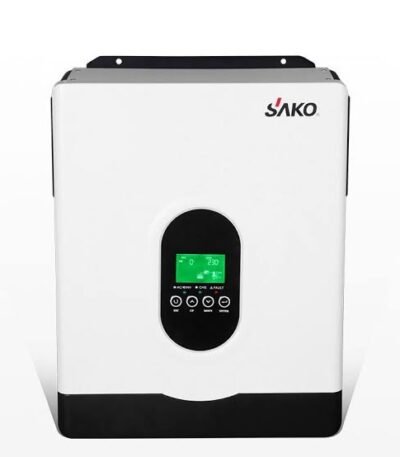
SAKO Alpha ESS 5kW/5.12kWh All-In-One System
Original price was: ₦1,951,000.00.₦1,950,000.00Current price is: ₦1,950,000.00.SAKO Alpha ESS 5kW/5.12kWh All-In-One System
The SAKO Alpha ESS 5kW/5.12kWh All-In-One System is designed for users exploring an integrated solution for solar energy and battery backup. Combining energy storage and inverter functions in one unit can make a solar installation easier to plan and manage. It can be considered for homes and small business environments where users want to store electricity and supply compatible appliances when needed.
The advertised specifications indicate a 5.12kWh battery capacity and a 5kW inverter rating. However, the available SAKO catalogue identifies an Alpha ESS 3K/5.12kWh version, so buyers should confirm that the exact model being sold genuinely supports the advertised 5kW output. Request the official datasheet before making a purchase.
Compact Design for Home Energy Storage
An integrated solar system combines essential functions that would otherwise require separate equipment. This can help users plan a more compact installation and simplify the process of matching the inverter and battery. The system’s suitability depends on its verified specifications and the electrical requirements of the appliances being connected.
The 5.12kWh battery rating describes stored energy, not the amount of power the inverter can deliver at one time. The inverter’s rated output determines the maximum supported load within its operating limits, while battery capacity influences how long compatible appliances can run.
To estimate your backup requirements, list the appliances you want to use during a power interruption. Record their wattage, operating hours, and starting power where relevant. High-power equipment can consume stored energy quickly, so careful load planning is important when choosing an all-in-one system.
Solar Energy Conversion and Battery Charging
A compatible solar array can generate electricity for immediate use and help recharge the system’s battery. Solar performance depends on panel capacity, sunlight conditions, panel orientation, shading, and the inverter’s charging limits. The system’s available operating modes and charging functions must be confirmed for the exact model.
Check the manufacturer’s documentation for the maximum solar input, MPPT voltage range, battery voltage, solar charging current, AC charging options, and output specifications. These details help determine which panels and electrical components can be used safely.
Do not rely on specifications published for a different Alpha ESS configuration. In particular, the advertised 5kW output should be verified because the available SAKO catalogue lists a 3K/5.12kWh configuration. A product’s title alone is not enough to establish its actual rated output.
A qualified installer should assess the solar panel arrangement, wiring, protective devices, earthing, and battery requirements. Following the correct installation instructions helps reduce compatibility issues and supports safe operation.
Is This System Suitable for Your Property?
The SAKO Alpha ESS 5kW/5.12kWh All-In-One System may be an option for users seeking combined solar conversion and battery storage. Its suitability depends on the confirmed inverter rating, the size of the battery, daily electricity consumption, and the amount of backup time required.
Before buying, ask the seller to confirm the exact model number, rated AC output, battery specifications, maximum PV input, charging capabilities, warranty coverage, and service availability. Compare those details with your expected appliance load and solar installation plan.
Remember that battery capacity does not guarantee a fixed number of backup hours. Actual runtime depends on connected appliances, usable battery energy, conversion losses, and system conditions. Proper sizing helps you avoid overloading the inverter or running out of stored energy sooner than expected.
With verified specifications and professional installation, an all-in-one system can provide a convenient way to manage solar energy and battery storage. Confirming the advertised 5kW rating before ordering is especially important for this model.
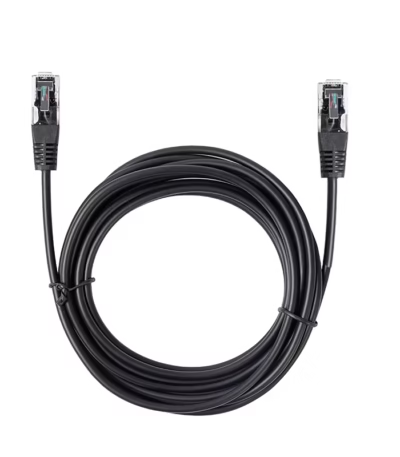
SAKO Battery Communication Cable Kit
Original price was: ₦9,000.00.₦8,000.00Current price is: ₦8,000.00.SAKO Battery Communication Cable Kit
The SAKO Battery Communication Cable Kit is designed for compatible solar inverter and lithium battery systems that support battery management communication. It provides a connection for exchanging supported data between the battery management system and inverter. This connection can help compatible equipment coordinate operation according to the battery information and communication settings available.
Since communication requirements differ between products, confirm compatibility with your exact inverter and battery before placing an order.
Support Battery Management System Communication
A lithium battery may include a Battery Management System (BMS) that monitors battery conditions and helps manage charging and discharging. When the inverter supports communication with that BMS, the devices can exchange supported information to coordinate battery operation.
The SAKO Battery Communication Cable Kit provides the physical link needed for this data exchange. Depending on the equipment, the connection may use CAN, RS485, or another specified interface. The required cable must match the communication ports and protocol supported by both devices.
Correct communication is important when an inverter uses battery information to manage its operating settings. However, a communication cable does not guarantee compatibility on its own. The inverter and battery must support a compatible protocol, and the correct settings must be selected according to their manuals.
Compatibility with SAKO Inverters and Batteries
SAKO offers multiple inverter and lithium battery models, and their communication requirements may vary. The correct cable kit depends on the inverter’s communication port, the battery’s BMS interface, and the protocol required for the particular combination.
Before purchasing, check the model labels on both devices. Ask the supplier to confirm that the cable kit supports your exact inverter and battery models. Also verify the connector type, pin arrangement, and whether the connection requires CAN, RS485, or another interface.
Do not choose a cable based on its appearance alone. Similar connectors can have different pin assignments and communication functions. A cable designed for one product family may not work with another, even when both devices carry the SAKO brand.
This accessory is intended for communication rather than power transfer. It does not replace battery power cables, provide charging power, or increase the storage capacity of your battery. Its role is to connect compatible equipment for supported data exchange.
Safe Installation and Buying Guidance
Before installation, review the manuals for both the inverter and battery. Confirm the correct ports, cable orientation, and required communication settings. Follow the manufacturer’s shutdown instructions before connecting or disconnecting the cable, and never force a connector into an incompatible port.
After connection, configure the equipment according to the manufacturer’s instructions. If your inverter offers different battery communication modes, choose only the mode specified for your battery model. Incorrect settings can prevent the system from recognising the battery correctly.
If communication does not work, check model compatibility, cable type, connector seating, and protocol settings. If the issue remains unresolved, contact the supplier or a qualified solar technician. Avoid changing wiring or communication settings without verified instructions.
The SAKO Battery Communication Cable Kit can help compatible solar systems exchange battery management data as intended. Before ordering, confirm the inverter model, battery model, cable specification, and communication protocol. This will help you avoid incompatible accessories and prepare for a smoother installation.