


SAKO BRAND

SAKO 100W Mono Solar Panel
Original price was: ₦36,000.00.₦35,000.00Current price is: ₦35,000.00.SAKO 100W Mono Solar Panel
The SAKO 100W Mono Solar Panel is designed to generate electricity from sunlight for small solar energy systems and compatible off-grid applications. With a rated output of 100 watts, it offers a compact option for users who need solar power for basic electrical needs. It can be integrated into a suitable system for battery charging, small lighting setups, and other applications that match its output.
Compact Solar Power for Small Systems
A small solar panel can help generate electricity in locations where access to conventional power is limited or where only modest energy production is required. The SAKO 100W Mono Solar Panel may be suitable for small solar projects, sheds, lighting installations, and compatible battery-charging setups.
SAKO’s official product page lists the SMM100W monocrystalline module with dimensions of 1020 × 670 × 35 mm and a weight of 8 kg. These specifications can help buyers plan the available installation space and mounting arrangement. Confirm the exact model number with the seller before purchase.
The amount of electricity generated depends on sunlight availability, panel orientation, shading, temperature, and installation conditions. The 100W rating refers to the panel’s rated power under specified test conditions. Actual daily energy production will vary, so consider your device consumption and local sunlight conditions when planning a system.
Monocrystalline Cells and Electrical Compatibility
The SAKO 100W Mono Solar Panel uses monocrystalline solar technology to convert sunlight into direct-current electricity. This electricity can be used by compatible equipment or stored in a suitable battery through an appropriately configured charging system.
The manufacturer’s listed SMM100W specifications include 36 solar cells, a maximum power voltage of 17.6V, a maximum power current of 5.38A, an open-circuit voltage of 22.5V, and a short-circuit current of 5.81A. These values are useful when selecting compatible system components, but the exact datasheet for the supplied panel should always take priority.
If you intend to charge a battery, select a solar charge controller that matches the panel, battery chemistry, and system voltage. Check the controller’s permitted input voltage and current before connecting the equipment. Suitable cables, connectors, and electrical protection are also important for a safe installation.
Installation, Maintenance, and Buying Tips
Before purchasing the SAKO 100W Mono Solar Panel, determine which devices you intend to operate and how much energy they require. Consider whether the panel will charge a battery, power compatible equipment during daylight, or form part of a larger solar array.
Choose a location with good sunlight exposure and minimal shading. Secure the panel with an appropriate mounting structure and follow the manufacturer’s instructions for wiring and installation. Periodically inspect the panel for dirt, visible damage, and loose connections, following recommended maintenance procedures.
Ask the seller to confirm the exact model, electrical ratings, warranty, included cables, and compatibility with your equipment. The SAKO 100W Mono Solar Panel can be a useful option for small solar applications when its verified specifications match the intended use. Proper system design and installation help support dependable performance.
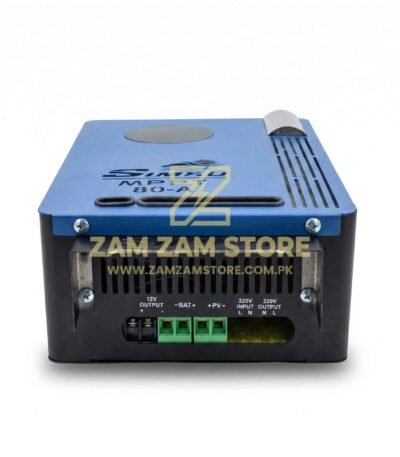
SAKO 10A PWM Solar Charge Controller
Original price was: ₦13,000.00.₦12,000.00Current price is: ₦12,000.00.SAKO 10A PWM Solar Charge Controller
The SAKO 10A PWM Solar Charge Controller is intended as a product option for users planning a small solar battery charging system. A controller helps regulate the electricity moving from solar panels to a battery bank. Choosing the correct model is important because the controller must match the electrical requirements of both the solar panels and the battery.
SAKO’s official website lists its SC-D Series PWM solar charge controller range. However, the precise specification sheet for a 10A model should be confirmed before purchase. Checking the exact product details helps ensure that the unit supplied matches your system and expectations.
Understand PWM Solar Charging
PWM means Pulse Width Modulation. A PWM controller regulates solar charging by controlling the connection between the panel and battery. This technology is often used in smaller solar systems where the panel voltage is suitable for the battery being charged.
The controller’s rated current is one of the key details to check. A 10A rating alone does not identify the supported panel voltage, battery chemistry, maximum solar input, or load capacity. These specifications vary by model, so customers should use the official datasheet rather than assume that all PWM controllers share the same features.
For a well-planned installation, compare the panel’s electrical ratings with the controller’s input limits. Then check the battery manufacturer’s charging requirements. This simple compatibility check can help you avoid choosing equipment that is too small or unsuitable for your setup.
Consider Your Solar System Requirements
A PWM solar charge controller can be used in a compatible off-grid battery charging arrangement. Depending on the full system design, applications may include small lighting systems, basic DC equipment, or other low-power uses. The actual suitability depends on the panel output, battery capacity, charging needs, and product limits.
Remember that a charge controller does not replace a solar inverter. A controller manages charging from the solar panels, while an inverter converts DC battery power into AC power for compatible appliances. If you plan to power AC equipment, confirm that the complete system includes the correct inverter and suitable battery capacity.
Before connecting the system, verify the controller’s supported battery voltage and battery type. Follow the manufacturer’s instructions for wiring, protection, and installation. Use appropriately rated cables and connections, and seek help from a qualified installer if you are uncertain about the electrical design.
Verify the Exact 10A Model
Before ordering the SAKO 10A PWM Solar Charge Controller, request confirmation of the model number and its official technical datasheet. Important details include rated charging current, supported battery voltages, compatible battery chemistries, maximum solar panel input, and any load-output rating. Also ask the supplier to confirm warranty coverage and technical support.
Avoid choosing a controller solely because the advertised current rating appears suitable. The solar panel voltage and current must also fit within the controller’s specifications, while the charging profile must meet the battery manufacturer’s requirements. These checks are especially important when comparing products that have similar names but different technical limits.
A correctly matched controller helps support reliable charging and practical day-to-day use. The SAKO SC-D PWM range is listed by the manufacturer, but the exact 10A version needs verification. Confirm the specifications before purchasing, and use the product manual as the reference for installation and operation.
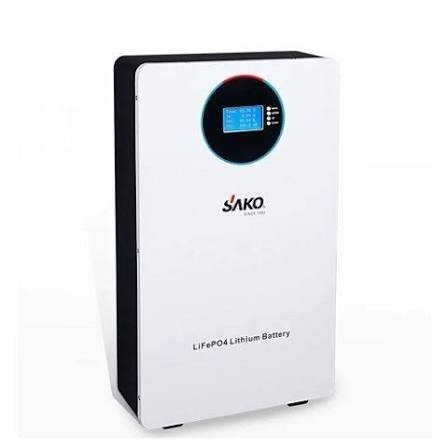
SAKO 12V 100Ah LiFePO4 Lithium Battery
Original price was: ₦316,000.00.₦310,000.00Current price is: ₦310,000.00.SAKO 12V 100Ah LiFePO4 Lithium Battery
The SAKO 12V 100Ah LiFePO4 Lithium Battery is designed for energy storage in compatible solar power systems, backup installations, and off-grid applications. It uses Lithium Iron Phosphate battery chemistry and offers a 100Ah capacity for storing electrical energy. This battery can be a useful choice for users who want to store energy and access it when their power source is unavailable or producing less electricity.
A Practical Battery for Solar Energy Storage
Solar energy systems need a suitable battery when users want to store electricity for later use. The SAKO 12V 100Ah LiFePO4 Lithium Battery can serve this purpose when paired with compatible charging and power conversion equipment. Stored energy may support selected appliances or electrical devices, depending on their power consumption and the overall system design.
SAKO’s official lithium battery catalogue includes a Li-Max 12.8V 100Ah LiFePO4 model with 1,280Wh of nominal energy. Since product listings may use the general term “12V” for a battery with a nominal voltage of 12.8V, verify the exact model label and datasheet before purchasing. This helps ensure that the battery matches the voltage and charging requirements of your installation.
Built-In Battery Protection
The documented Li-Max 12.8V 100Ah model includes a built-in Battery Management System (BMS). This system helps manage battery operation and provides protection against several electrical and temperature-related conditions. These protections can include overcharge, over-discharge, overcurrent, short circuit, and overtemperature protection.
Using the correct charger is important for the battery’s performance and service life. Before installation, confirm that the charger or solar charge controller has settings suitable for LiFePO4 batteries. Also check the recommended voltage range, charging current, discharge limits, and connection method. Never rely on the battery’s nominal voltage alone when deciding whether it is compatible with an inverter or other equipment.
Applications and Buying Considerations
The SAKO 12V 100Ah LiFePO4 Lithium Battery may suit compatible solar storage systems, backup power arrangements, and other applications requiring a rechargeable low-voltage battery. Its suitability depends on the equipment connected to it, how much energy those devices use, and how long they need to operate.
When choosing a battery, consider the total energy requirement, continuous load, starting surge of connected equipment, available charging source, and expected backup duration. Ask the seller to confirm the supplied model’s dimensions, weight, terminal type, warranty, cycle-life rating, and any optional monitoring features. These details can vary by model or product revision.
For reliable use, install the battery according to the manufacturer’s instructions and use compatible electrical protection and wiring. The SAKO 12V 100Ah LiFePO4 Lithium Battery offers a practical option for users seeking lithium-based energy storage, provided its specifications match the intended system. Always verify the exact datasheet with the seller before placing an order.
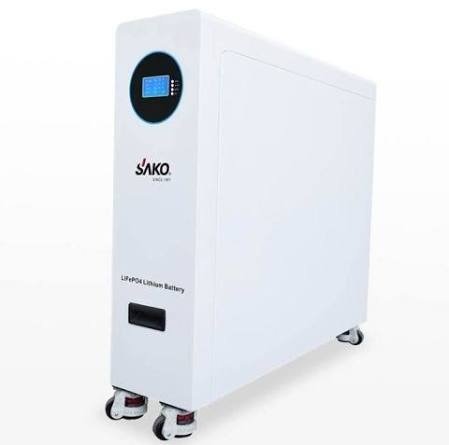
SAKO 12V 150Ah LiFePO4 Lithium Battery
Original price was: ₦368,000.00.₦365,000.00Current price is: ₦365,000.00.SAKO 12V 150Ah LiFePO4 Lithium Battery
The SAKO 12V 150Ah LiFePO4 Lithium Battery provides a rechargeable energy storage option for compatible solar installations, backup power systems, and off-grid applications. It uses Lithium Iron Phosphate chemistry and offers a 150Ah capacity for storing electrical energy. This makes it a useful option for users who want to store power and use it when their charging source is unavailable or producing less electricity.
A Useful Option for Backup Power
A suitable battery helps store energy for later use in a solar or backup power setup. The SAKO 12V 150Ah LiFePO4 Lithium Battery can be used for this purpose when paired with compatible charging equipment and connected devices. The actual backup time depends on the battery’s usable energy, the power consumption of connected appliances, and the efficiency of the overall system.
The official SAKO Li-Max catalogue lists the 12.8V 150Ah model with 1,920Wh of nominal energy. This specification can help users estimate their energy storage requirements, but usable energy may differ depending on operating conditions and system settings. Check the precise model label because a product advertised as 12V may have a nominal voltage of 12.8V.
Built-In BMS and Charging Compatibility
The SAKO Li-Max battery range is described with a built-in hardware Battery Management System (BMS). This system helps manage charging and discharging and provides protection against conditions such as overcharge, over-discharge, overcurrent, short circuit, and excessive temperature.
For proper operation, choose charging equipment designed for LiFePO4 battery chemistry. Check the recommended charging voltage, charging current, discharge limits, and operating temperature before connecting the battery. A compatible inverter or charger should follow the battery manufacturer’s specifications. Incorrect charging settings or unsuitable connections can affect performance and safety.
The Li-Max range also lists optional Bluetooth monitoring. However, monitoring availability and other features may depend on the exact model and product version, so confirm them with the seller rather than assuming they are included.
Applications and Important Specifications
The SAKO 12V 150Ah LiFePO4 Lithium Battery may be suitable for compatible solar energy storage, backup power, and other low-voltage applications. Before choosing a battery, calculate the energy required by your appliances and consider how long they must operate during a power interruption. Also account for starting surges from equipment such as motors and pumps, where applicable.
Ask the seller to confirm the continuous discharge current, maximum charging current, battery dimensions, weight, terminal configuration, warranty, and cycle-life rating for the exact unit. Verify whether series or parallel connections are supported and follow the manufacturer’s requirements if you plan to expand your battery system.
The SAKO 12V 150Ah LiFePO4 Lithium Battery can be a practical choice when its capacity, voltage, and discharge ratings match your energy needs. Proper installation and compatible charging equipment are essential. Review the official datasheet and confirm the supplied model before placing an order.
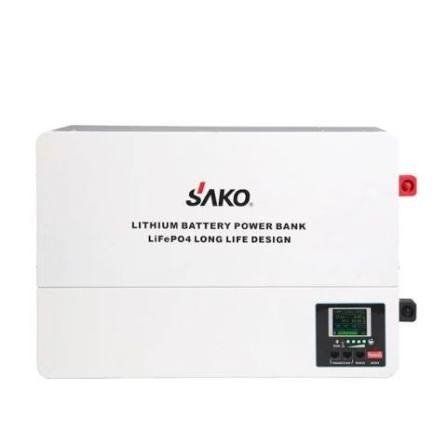
SAKO 12V 200Ah LiFePO4 Lithium Battery
Original price was: ₦450,000.00.₦400,000.00Current price is: ₦400,000.00.SAKO 12V 200Ah LiFePO4 Lithium Battery
The SAKO 12V 200Ah LiFePO4 Lithium Battery offers a rechargeable energy storage solution for compatible solar installations, backup power systems, and off-grid applications. It uses Lithium Iron Phosphate battery chemistry and is designed to store electrical energy for use when the main power source is unavailable or solar production is low.
Store Energy for Everyday Power Needs
A suitable battery allows users to store electricity and use it when needed. The SAKO 12V 200Ah LiFePO4 Lithium Battery can serve this purpose in a compatible energy system. Its 200Ah capacity makes it worth considering for users who need a larger storage capacity for selected appliances and electrical equipment.
SAKO’s official Li-Max catalogue lists the 12.8V 200Ah model with 2,560Wh of nominal energy. This provides a useful starting point when estimating energy requirements. Actual backup time will depend on the connected load, inverter efficiency, battery operating conditions, and the amount of energy available for use.
Although many product listings describe this battery as a 12V unit, the catalogue specifies a nominal voltage of 12.8V. Always verify the model number and voltage requirements before connecting it to your solar system or other equipment.
Battery Management and Charging Compatibility
The SAKO Li-Max battery range includes a built-in hardware Battery Management System (BMS). This system helps monitor battery operation and provides protective functions against overcharge, over-discharge, overcurrent, short circuits, and high temperatures.
To help maintain dependable operation, use compatible charging equipment with settings appropriate for LiFePO4 chemistry. Check the recommended charging voltage and current, continuous discharge rating, and operating temperature limits. Your inverter, charger, wiring, and protective devices must also meet the battery manufacturer’s requirements.
The Li-Max catalogue describes optional Bluetooth monitoring and support for series or parallel connections in compatible configurations. These features may depend on the supplied version, so confirm their availability with the seller before ordering.
Important Details Before You Buy
The SAKO 12V 200Ah LiFePO4 Lithium Battery may be suitable for compatible solar storage systems, backup power setups, and off-grid applications. Before selecting it, estimate how much energy your equipment uses and how long you need it to run during an interruption. Appliances with motors or compressors may also require additional starting power.
Ask the seller to confirm the exact model, nominal voltage, energy capacity, charging limits, maximum continuous discharge current, dimensions, weight, terminal configuration, and warranty terms. Check whether the battery can be connected in series or parallel for your planned system, and follow the manufacturer’s requirements.
Proper installation, suitable charging equipment, and correct electrical protection help support safe and reliable operation. The SAKO 12V 200Ah LiFePO4 Lithium Battery can be a practical choice when its specifications match your energy needs. Review the exact product datasheet before purchasing to ensure compatibility with your intended application.
SAKO 12V 50Ah LiFePO4 Lithium Battery
Original price was: ₦188,000.00.₦180,000.00Current price is: ₦180,000.00.SAKO 12V 50Ah LiFePO4 Lithium Battery
Choose the SAKO 12V 50Ah LiFePO4 Lithium Battery for compact energy storage in compatible backup and off-grid power systems. Designed for practical everyday applications, this battery provides a convenient way to store electricity for later use. Its lithium iron phosphate chemistry and built-in battery management make it a useful option for users seeking a modern battery solution.
The manufacturer’s catalogue lists the corresponding 12.8V 50Ah model with 640Wh of nominal energy, making it easier to estimate whether the battery suits your equipment.
Compact Energy Storage for Daily Needs
A reliable battery helps keep compatible equipment powered when the main electricity supply is unavailable. The SAKO 12V 50Ah battery can be considered for small backup installations, portable power systems, communication equipment, and selected low-power applications.
Its nominal capacity of 640Wh provides a reference for calculating potential operating time. For example, the actual runtime will depend on the connected load, conversion efficiency, battery settings, and usable energy. Equipment with higher power consumption will use the stored energy more quickly.
Before purchasing, identify the appliances or devices you intend to power and calculate their expected energy consumption. Check their voltage requirements and ensure the battery can supply the required current. A correctly matched system helps support reliable operation and avoids overloading the battery.
Advanced LiFePO4 Chemistry and Battery Management
The SAKO LiFePO4 battery uses lithium iron phosphate technology, which is widely applied in rechargeable energy storage systems. The corresponding Li-Max range includes a hardware Battery Management System designed to manage charging and discharging within specified limits.
The BMS provides protection against specified operating conditions, including overcharge, over-discharge, overcurrent, short circuit, and excessive temperature. Optional Bluetooth monitoring may be available, depending on the exact version supplied. Confirm the monitoring features and protection specifications with the seller before ordering.
For the listed 12.8V 50Ah model, the manufacturer’s catalogue specifies a maximum continuous discharge current of 50A and a maximum continuous charging current of 25A. Use a compatible charger and follow the specified voltage and current limits. Correct charging practices help support safe operation and battery service life.
Versatile Use and Installation Compatibility
The SAKO 12V 50Ah LiFePO4 Lithium Battery may suit compatible backup power systems, portable applications, and selected off-grid installations. It can also be considered as a replacement for a traditional battery when the equipment supports LiFePO4 chemistry and the relevant electrical requirements.
The manufacturer’s catalogue describes the battery range as supporting series or parallel connections under specified conditions. Always follow the exact connection instructions, particularly when building a higher-voltage or higher-capacity battery bank. Batteries connected together must meet the manufacturer’s compatibility requirements.
Before buying, verify the model number, dimensions, weight, terminal type, charging limits, warranty, and optional monitoring features. Use suitable wiring and electrical protection, and consult a qualified technician if you are unsure about installation.
The SAKO 12V 50Ah LiFePO4 Lithium Battery offers a compact storage solution for compatible equipment and backup systems. Check the official datasheet and seller’s warranty terms to ensure the battery meets your needs.
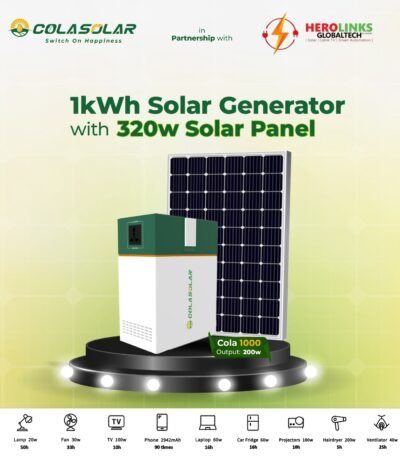
SAKO 150W Mono Solar Panel
Original price was: ₦45,800.00.₦45,000.00Current price is: ₦45,000.00.SAKO 150W Mono Solar Panel
The SAKO 150W Mono Solar Panel provides a practical way to generate electricity from sunlight for compatible solar installations. Its 150-watt rated output makes it suitable for consideration in small solar projects, battery-charging systems, and selected off-grid applications. Users can include this panel in a system designed around their energy needs, available space, and local sunlight conditions.
A Practical Choice for Small Solar Systems
Solar panels convert sunlight into electricity that can power compatible equipment or charge a battery through a suitable charging system. The SAKO 150W Mono Solar Panel may support small lighting systems, low-power devices, and other applications that fit its rated output and the design of the complete installation.
It can also form part of a larger solar array when more energy is required. Before deciding how many panels to install, calculate the daily energy consumption of your appliances and estimate the available sunlight at your location. Battery storage may be useful when you need to use stored electricity after sunset or during periods of reduced solar generation.
Keep in mind that a 150W rating does not guarantee a fixed amount of electricity every day. Weather, dust, shading, panel angle, and temperature all affect solar performance. Good positioning and suitable system design help you make better use of the available sunlight.
Monocrystalline Solar Technology
The SAKO 150W Mono Solar Panel uses monocrystalline solar cells to convert sunlight into direct-current electricity. It can be integrated into a compatible solar system with the correct charge controller, wiring, and electrical protection.
The official SAKO product listing includes the SMM150W model. Its listed specifications include 36 solar cells, 18.5V maximum power voltage, 8.11A maximum power current, 22.5V open-circuit voltage, and 8.71A short-circuit current. The listed panel size is 1482 × 670 × 35 mm, with a weight of 11.7 kg.
These values are useful when checking system compatibility. However, product versions can differ, so always request the exact datasheet for the panel being supplied. Make sure the solar charge controller can accept the panel’s voltage and current and is appropriate for the battery you plan to charge.
Buying, Installation, and Maintenance Tips
Before buying the SAKO 150W Mono Solar Panel, check the model number, warranty, dimensions, weight, cable connections, and mounting requirements. Confirm that the panel is suitable for your intended use and compatible with your existing inverter or charge controller.
Install the panel securely in an area that receives direct sunlight with minimal shading. Use appropriate mounting hardware and follow the manufacturer’s safety instructions. Periodically inspect the surface for dirt and visible damage, and check the electrical connections according to recommended maintenance practices.
For battery charging, use a suitable controller rather than connecting the panel directly to a battery unless the equipment instructions specifically permit it. Correct wiring and electrical protection are essential for safe operation.
The SAKO 150W Mono Solar Panel is worth considering for compatible small solar installations. Verify the exact specifications with your seller to ensure the panel matches your energy requirements.
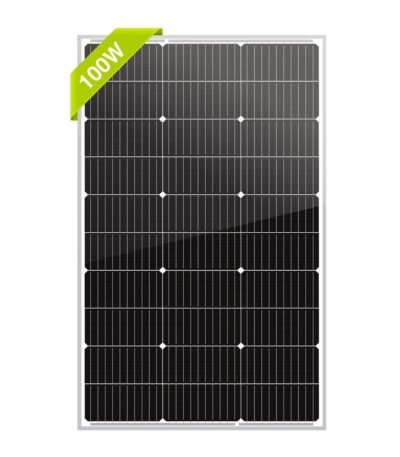
SAKO 200W Mono Solar Panel
Original price was: ₦57,000.00.₦55,000.00Current price is: ₦55,000.00.SAKO 200W Mono Solar Panel
The SAKO 200W Mono Solar Panel is a photovoltaic module designed to generate electricity from sunlight. Its rated output of 200 watts makes it an option for smaller solar installations, compatible battery-charging systems, and selected off-grid applications. It can help users generate renewable electricity for their daily needs when installed as part of a correctly designed solar system.
A Practical Choice for Solar Energy Generation
Solar panels convert sunlight into direct-current electricity that compatible equipment can use or store. The SAKO 200W Mono Solar Panel can contribute to a solar array for homes, small businesses, workshops, and other locations with suitable installation space.
When paired with a compatible solar charge controller and battery, the panel can help store energy for later use. The actual amount of energy available depends on sunlight, system losses, battery capacity, and the power consumption of connected devices. If your energy needs increase, multiple panels may be used in a larger installation, provided the system design allows it.
The rated 200W output is measured under specified test conditions. Real-world performance can vary because of cloud cover, high temperatures, dust, shading, and panel orientation. Estimate your daily energy requirements and expected sunlight before deciding how many panels to install.
Monocrystalline Technology and Compatibility
The SAKO 200W Mono Solar Panel uses monocrystalline solar cells to convert sunlight into electrical energy. Monocrystalline modules are commonly used in residential and off-grid systems where users need a photovoltaic source for compatible equipment.
SAKO’s catalogue includes an SMP-200W-72 panel with 72 cells and dimensions of 1350 × 990 × 35 mm. Its listed electrical values include 44.5V open-circuit voltage, 5.78A short-circuit current, 36.8V maximum power voltage, and 5.43A maximum power current. These specifications apply only if the panel supplied matches that model.
Check the panel’s voltage and current ratings before connecting it to an inverter or charge controller. For battery charging, use a suitable controller and follow the battery manufacturer’s charging requirements. Do not assume that every 200W panel has the same electrical specifications.
Buying, Installation, and Maintenance Tips
Before buying the SAKO 200W Mono Solar Panel, verify the model number, warranty terms, dimensions, weight, connector type, and cable specifications. Ensure that the mounting structure can safely support the panel and withstand local weather conditions.
Choose an installation location that receives strong sunlight with minimal shading. Secure the panel using suitable mounting hardware and follow the manufacturer’s guidance for wiring and installation. Keep the panel surface clean according to the recommended maintenance instructions, and inspect the installation for visible damage when appropriate.
A qualified solar installer can help check compatibility with your existing system and select suitable wiring and electrical protection. The SAKO 200W Mono Solar Panel is worth considering for compatible solar applications when its technical specifications meet your requirements. Confirm the exact datasheet with your seller before purchasing.
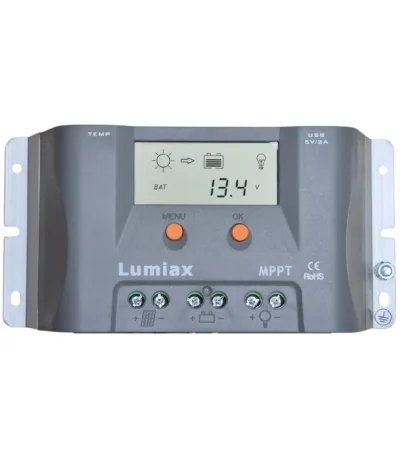
SAKO 20A PWM Solar Charge Controller
Original price was: ₦19,000.00.₦18,000.00Current price is: ₦18,000.00.SAKO 20A PWM Solar Charge Controller
The SAKO 20A PWM Solar Charge Controller is listed as an option for customers planning a solar battery charging system. A charge controller regulates the power transferred from solar panels to a battery bank. Selecting a suitable controller is important because the unit must match the electrical characteristics of the panels and the charging requirements of the battery.
SAKO’s official website lists its SC-D Series PWM solar charge controller range. However, buyers should confirm the precise specifications of the advertised 20A model before placing an order. Checking the model code and datasheet helps ensure that the supplied product is suitable for the intended installation.
Understand PWM Charging Technology
PWM means Pulse Width Modulation. A PWM controller regulates solar charging by controlling the connection between the solar panels and the battery. This technology is often considered for smaller solar systems where the panel voltage is appropriate for the connected battery.
The rated charging current is an important selection factor. However, a 20A rating does not identify every feature of the controller. Supported battery voltage, maximum solar input voltage, battery compatibility, and load-output limits must be confirmed from the manufacturer’s documentation.
For a suitable installation, compare the solar panel’s electrical ratings with the controller’s permitted input. Then check that the battery’s charging requirements fall within the controller’s supported settings. These checks help you select a product that matches your system instead of relying on the advertised amperage alone.
Plan a Compatible Solar Installation
A PWM solar charge controller can support a correctly sized off-grid battery charging arrangement. Depending on the full system design, potential uses include small lighting systems, basic DC equipment, and other compatible low-power applications. The controller’s suitability depends on the connected panels, battery, and electrical loads.
Keep in mind that a charge controller and a solar inverter perform different functions. The controller manages battery charging, while an inverter converts DC electricity into AC power for suitable household appliances. If your system needs AC output, make sure the inverter and battery are properly matched to the expected load.
Check the battery voltage and chemistry before installation. Follow the manufacturer’s instructions for wiring and operating the controller. Use appropriate cable sizes and electrical protection, and seek assistance from a qualified installer if you are unsure about panel connections or system sizing.
You should also consider the installation environment. Place the controller in a suitable location with adequate ventilation, and follow the manual’s requirements for temperature, moisture, and mounting. Correct installation helps the equipment operate within its intended conditions.
Confirm the Model and Technical Details
Before buying the SAKO 20A PWM Solar Charge Controller, request its exact model number and official datasheet. Confirm the rated charging current, supported battery voltages, compatible battery chemistries, maximum solar input voltage, and any supported load-output rating. Ask the supplier about the warranty and available technical support as well.
A controller should never be selected by amperage alone. The solar panel array must stay within the product’s voltage and current limits, and the charging settings must meet the battery manufacturer’s requirements. If you plan to expand the system later, check whether the controller can support the intended configuration.
These checks help you compare products accurately and reduce the risk of purchasing an unsuitable unit. The SAKO SC-D Series is listed by the manufacturer, but the exact 20A version should be verified before purchase. Use the confirmed datasheet and product manual as the reference for compatibility, installation, and operation.
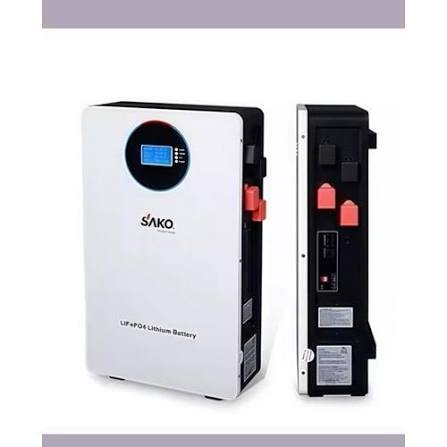
SAKO 24V 100Ah LiFePO4 Lithium Battery
Original price was: ₦625,000.00.₦620,000.00Current price is: ₦620,000.00.SAKO 24V 100Ah LiFePO4 Lithium Battery
The SAKO 24V 100Ah LiFePO4 Lithium Battery is a rechargeable power storage solution for compatible solar installations, backup systems, and off-grid applications. Built around Lithium Iron Phosphate battery technology, it is designed to store electrical energy and supply it when required. Its 100Ah capacity makes it suitable for users seeking a battery for a compatible 24V-class power system.
Efficient Storage for Solar and Backup Power
Solar energy storage allows users to keep electricity for use when solar panels are producing little or no power. The SAKO 24V 100Ah LiFePO4 Lithium Battery can serve as part of a compatible setup that stores energy from solar panels or another suitable charging source.
The official SAKO Li-Max catalogue identifies the 25.6V 100Ah model with a nominal energy capacity of 2.56kWh. This provides a useful reference when planning a solar or backup power system. Actual operating time depends on the connected appliances, their power consumption, inverter efficiency, and the amount of battery energy available for use.
This battery may be considered for homes, small businesses, and off-grid installations, provided the battery voltage and current ratings meet the system requirements. Check the product label carefully because a battery advertised as 24V may have a nominal voltage of 25.6V.
Built-In Battery Management System
The SAKO Li-Max range includes a hardware Battery Management System (BMS). This system helps monitor battery operation and provides protective functions against conditions such as overcharging, over-discharging, excessive current, short circuits, and high temperatures.
The documented 25.6V 100Ah model lists a maximum continuous discharge current of 100A and a maximum continuous charging current of 50A. These ratings help determine whether the battery can support the intended equipment and charging source. Always verify the specifications of the exact unit before installation.
Use a charger or solar charge controller designed for LiFePO4 batteries. Confirm the required charging voltage, wiring size, electrical protection, and inverter compatibility. Optional Bluetooth monitoring is listed for the Li-Max range, but its availability should be confirmed with the seller.
Choosing the Right Battery for Your System
Before purchasing the SAKO 24V 100Ah LiFePO4 Lithium Battery, estimate your daily energy use and the backup duration you require. Consider the combined load of connected devices and any additional starting current needed by appliances with motors.
Check the battery’s physical dimensions, weight, terminal configuration, warranty, operating temperature range, and permitted connection arrangements. If you plan to expand your system, confirm whether the exact model supports series or parallel connections and follow the manufacturer’s instructions.
Proper installation and compatible charging equipment are important for dependable operation. The SAKO 24V 100Ah LiFePO4 Lithium Battery can be a useful option for compatible solar energy storage and backup power systems. Review the product datasheet and confirm the exact model with the seller before ordering.
SAKO 24V 200Ah LiFePO4 Lithium Battery
Original price was: ₦1,055,000.00.₦1,050,000.00Current price is: ₦1,050,000.00.SAKO 24V 200Ah LiFePO4 Lithium Battery
The SAKO 24V 200Ah LiFePO4 Lithium Battery provides a rechargeable energy storage option for compatible solar systems, backup power setups, and off-grid installations. It uses Lithium Iron Phosphate battery chemistry to store electricity and make it available when required. Its 200Ah capacity makes it a potential choice for users who need a larger energy reserve for their electrical system.
Store More Energy for Later Use
A battery helps users store electricity and use it when their main power source is unavailable. The SAKO 24V 200Ah LiFePO4 Lithium Battery can perform this role when connected to a compatible charging source and suitable equipment. It may be used in solar energy storage systems where stored power supports selected appliances during periods of low solar production.
SAKO’s official catalogue lists a Li-Pack 25.6V 200Ah model with 5.12kWh of nominal energy. This figure can help with initial system planning, but usable energy and backup time depend on the battery’s specifications, connected loads, and operating conditions.
Confirm the exact model name before ordering. SAKO offers different lithium battery series, and the features and electrical ratings of a Li-Pack model may differ from those of a Li-Max or another series. Also verify that your inverter supports the battery’s nominal voltage and charging requirements.
Protection and Charging Compatibility
The appropriate SAKO lithium battery model may include a Battery Management System (BMS) to manage charging and discharging and provide protection against abnormal operating conditions. The precise protective functions depend on the model, so review the supplied datasheet rather than assuming every feature is identical.
Always use a charger or solar charge controller that supports LiFePO4 batteries. Check the recommended charging voltage, maximum charging current, continuous discharge rating, and operating temperature limits. Your inverter, cables, connectors, and circuit protection must also be suitable for the planned load.
For the documented Li-Pack 25.6V 200Ah model, SAKO’s catalogue lists a maximum continuous discharge current of 150A and a maximum continuous charging current of 100A. These ratings should be confirmed with the seller before installation or system design.
Choosing the Right Battery for Your Needs
The SAKO 24V 200Ah LiFePO4 Lithium Battery may be suitable for compatible solar energy storage, backup power, and off-grid applications. To estimate the required capacity, calculate the energy consumption of the appliances you plan to run and the length of time they need to operate. Equipment with motors or compressors may also require extra starting current.
Before purchasing, request confirmation of the model number, nominal voltage, nominal and usable energy, charging limits, discharge ratings, physical dimensions, weight, and warranty. If you intend to connect multiple batteries, check whether the exact model supports series or parallel operation and follow the manufacturer’s instructions.
The SAKO 24V 200Ah LiFePO4 Lithium Battery can be a practical energy storage option when its specifications match your installation. Verify the official datasheet with the seller to ensure that the battery meets your power requirements.
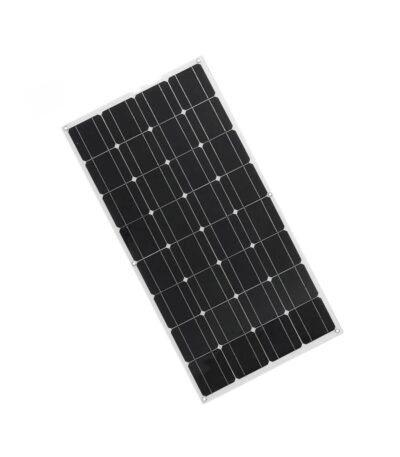
SAKO 250W Mono Solar Panel
Original price was: ₦68,000.00.₦65,000.00Current price is: ₦65,000.00.SAKO 250W Mono Solar Panel
A Practical Choice for Solar Energy Systems
The SAKO 250W Mono Solar Panel is a solar power solution for users looking to generate electricity from sunlight. Its 250-watt rating makes it worth considering for smaller solar projects or as part of a larger array designed to meet specific energy needs. The panel produces DC electricity, which can be directed through compatible solar equipment to charge a suitable battery or support other system requirements.
Solar panels can help households and businesses make better use of renewable energy. They can also be useful in locations where grid electricity is limited or where users want an additional source of daytime power. The amount of energy produced each day will vary with weather, sunlight hours, panel temperature, shading, and installation angle.
Monocrystalline Technology and Outdoor Protection
Monocrystalline solar panels are widely used in residential and off-grid solar installations. They provide a practical way to turn available sunlight into electrical energy. The SAKO 250W monocrystalline panel is presented by the manufacturer as a product designed with attention to performance, safety, and outdoor durability.
SAKO’s published product information describes features such as protective back-sheet construction, a weather-resistant junction box, and anti-reflective glass. The manufacturer also highlights resistance to outdoor environmental conditions and mechanical loads. These features can contribute to the panel’s suitability for outdoor installation when it is installed and maintained correctly.
A solar panel’s performance depends on more than its rated wattage. Electrical specifications determine whether it works safely with an inverter, charge controller, and battery. Therefore, verify the exact product datasheet before selecting accessories. Confirm the open-circuit voltage, operating voltage, short-circuit current, maximum power current, dimensions, and weight for the model supplied by the seller.
Installation, Compatibility, and Long-Term Value
The SAKO 250W Mono Solar Panel may be suitable for small solar setups, compatible battery-charging systems, solar lighting, or multi-panel installations. Actual suitability depends on the electrical requirements of the application. For example, connecting panels in series increases voltage, while connecting them in parallel increases current. Both configurations must remain within the limits of the connected equipment.
Before installation, review the inverter or charge controller manual and check its supported PV input range. Use suitable solar cables, connectors, mounting hardware, and electrical protection. Ensure that the roof or mounting structure can safely support the equipment and that the panel receives as much unobstructed sunlight as practical.
Regular inspection can help maintain reliable operation. Remove accumulated dust when appropriate, check for visible damage, and have electrical connections inspected by a qualified professional. Avoid working on live solar wiring unless properly trained and equipped.
When comparing solar panels, consider the product’s verified specifications, warranty coverage, installation costs, and expected energy requirements. Do not choose a panel based on wattage alone. The SAKO 250W Mono Solar Panel may be a useful option for a correctly designed solar system, provided the exact model and compatibility are confirmed before purchase.