



MUST BRAND


MUST PV1800 VPM II 1KVA 12V Hybrid Solar Inverter pure sine wave charger
Original price was: ₦200,000.00.₦190,000.00Current price is: ₦190,000.00.Practical Solar Power for Small Installations
The MUST PV1800 VPM II 1KVA 12V Hybrid Solar Inverter can be considered for smaller solar power systems that need an inverter and battery charging functionality. Its 1KVA rating provides a starting point for planning a suitable installation.
Solar energy systems allow users to convert sunlight into electricity through photovoltaic panels. A compatible inverter then converts suitable DC power into AC electricity for appliances. When paired with an approved battery, the system may also provide access to stored energy according to its supported operating modes.
This arrangement can help users manage available solar power for everyday needs. For example, a properly sized system may support lighting, communication equipment, and other low-power devices.
However, the inverter’s suitability depends on the total connected load and the power requirements of each appliance. Users should also account for starting surges and periods when several devices operate simultaneously.
Pure Sine Wave Conversion and Energy Management
The MUST PV1800 VPM II 1KVA 12V Hybrid Solar Inverter provides pure sine wave power conversion for compatible equipment. This can make it a suitable option for applications where the connected appliances require a standard AC waveform.
Effective energy management begins with understanding daily electricity consumption. First, list the appliances that need power. Next, calculate their running wattage and estimated operating hours. This helps determine whether a 1KVA inverter and the selected battery capacity can meet the system’s needs.
Battery backup time depends on usable battery energy, appliance consumption, and system efficiency. Therefore, the inverter rating alone cannot determine how long the system will supply electricity during an outage.
For better planning, choose a battery with compatible voltage and charging requirements. Also, check the inverter’s continuous output, overload protection, and supported operating modes in the official documentation.
Safe Installation and Equipment Compatibility
The MUST PV1800 VPM II 1KVA 12V Hybrid Solar Inverter should be installed with suitable batteries, solar panels, cables, and electrical protection. Correct component selection helps the system operate within its specified limits.
Before installation, verify the maximum permitted solar input voltage and the recommended solar panel configuration. Confirm that the battery type and charging settings are supported. In addition, use correctly sized wiring, appropriate fuses or circuit breakers, and suitable grounding according to local electrical requirements.
A 12V battery system can carry high current when supplying substantial loads. Therefore, cable sizing and electrical protection are particularly important. Keep the inverter in a suitable location with the ventilation and environmental conditions specified by the manufacturer.
For the best results, follow the official installation manual and consult a qualified installer when needed. Overall, this inverter offers a compact option for compatible small-scale solar and battery applications, provided that the complete system matches its specifications.

MUST PV1800 VPM II 4KW Hybrid Solar Inverter pure sine wave, WiFi communication, 80A MPPT
Original price was: ₦451,000.00.₦450,000.00Current price is: ₦450,000.00.Flexible Solar and Battery Power Management
The MUST PV1800 VPM II 4KW Hybrid Solar Inverter provides an option for users planning a compatible solar and battery installation. Its 4KW rating makes it worth considering for homes and other applications with moderate electricity requirements.
Solar panels generate DC electricity when sunlight reaches their photovoltaic cells. A compatible inverter converts suitable DC power into AC electricity for connected appliances. When the system includes a supported battery, stored energy may also be available according to the inverter’s operating modes and configuration.
This combination can help users manage electricity from different sources. For instance, a compatible system may use available solar power during daylight hours and draw on stored energy when solar production decreases. Actual operation depends on the inverter’s configuration and the connected equipment.
Before choosing the inverter, estimate your daily energy consumption and identify which appliances need power at the same time. Also, check the battery capacity required for your preferred backup duration. Backup time depends on usable battery energy, connected loads, and overall system efficiency.
WiFi Communication for Monitoring
The MUST PV1800 VPM II 4KW Hybrid Solar Inverter is specified as supporting WiFi communication. This feature can help users monitor compatible equipment through a supported monitoring solution, depending on the supplied communication hardware and the manufacturer’s software.
Monitoring can make it easier to review system information and understand how a solar installation operates. However, the exact information available may vary by inverter model, monitoring platform, communication module, and configuration.
Before setup, confirm whether a WiFi module is included or must be purchased separately. Also, check the supported application, network requirements, and compatibility with the inverter’s firmware.
A reliable monitoring connection can help users access available system information more conveniently. Nevertheless, users should consult the official documentation to confirm the supported monitoring functions rather than assuming that every feature is available.
Installation, Compatibility, and Safety
The MUST PV1800 VPM II 4KW Hybrid Solar Inverter should be installed as part of a properly designed electrical system. Correct component matching is essential for safe operation and effective energy management.
First, confirm the supported battery voltage and chemistry. Next, check the solar array’s voltage and current against the inverter’s permitted PV input limits. Also, verify the AC input and output requirements before connecting the unit to the electrical system.
Use correctly sized cables, suitable circuit protection, proper grounding, and appropriate isolation equipment. Follow the manufacturer’s installation instructions and local electrical regulations. A qualified installer can help assess the site and confirm that the selected equipment is compatible.
Finally, review the product datasheet for exact operating limits, charging settings, WiFi requirements, and supported battery configurations. These checks can help prevent incompatible connections and reduce the risk of installation problems.
Overall, this hybrid inverter combines a 4KW rating, pure sine wave output, an 80A MPPT controller, and specified WiFi communication support for compatible solar power applications.
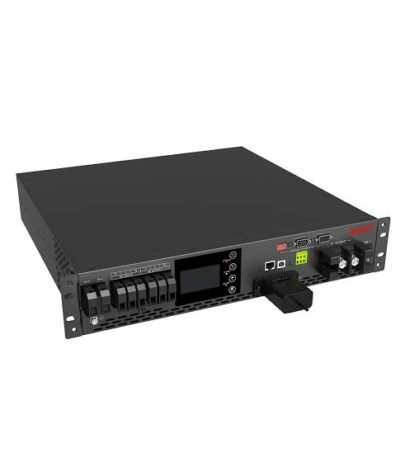
MUST PV5000 Rack 3KW Off-Grid Solar Inverter rack-mounted inverter charger
Original price was: ₦910,000.00.₦900,000.00Current price is: ₦900,000.00.3KW Solar Inverter for Independent Power Systems
The MUST PV5000 Rack 3KW Off-Grid Solar Inverter offers an option for users planning an independent solar power installation. Its stated 3kW output rating provides a starting point for evaluating the electrical loads the system may need to support.
An off-grid installation typically uses solar panels to generate electricity and an inverter to provide compatible AC power. Battery storage may also be included to make stored electricity available when sunlight is limited or unavailable.
This arrangement can support selected household appliances, office equipment, lighting, and other suitable loads. However, the actual equipment you can operate depends on its combined power consumption and the inverter’s continuous and surge ratings.
Therefore, review your electricity requirements before purchasing. A suitable system design should account for peak demand, expected backup duration, and the available energy sources.
Battery Charging and System Compatibility
The MUST PV5000 Rack 3KW Off-Grid Solar Inverter is described as a rack-mounted inverter charger. Its battery and charging specifications are important when planning a compatible energy storage system.
Before selecting a battery, confirm the inverter’s supported battery voltage, chemistry, and charging settings. If you plan to use a lithium battery, check compatibility with its battery management system and follow the manufacturer’s recommendations.
Furthermore, verify the inverter’s solar input limits and supported PV array capacity. These specifications determine how solar panels can be connected and configured. Do not assume that all panels or batteries will work with the unit.
Use suitable wiring, protective devices, and isolation equipment. A qualified installer can help ensure that all components meet the system’s electrical requirements.
Practical Rack-Based Solar and Backup Solution
The MUST PV5000 Rack 3KW Off-Grid Solar Inverter can be evaluated for installations that need organized equipment and compatible off-grid power conversion. Its rack-mounted format may suit systems where several electrical components are installed together.
Depending on the final setup, the system may provide power for selected appliances during normal operation or when the utility supply is unavailable. However, actual backup performance depends on battery capacity, connected loads, solar generation, and overall system efficiency.
For better planning, identify essential appliances and calculate their total energy consumption. Then select a suitable battery and compatible solar array based on the required operating time.
Finally, follow the official installation and maintenance instructions. Confirm the exact model specifications, rack dimensions, charging functions, and battery compatibility before purchase.
Overall, this 3kW rack-mounted inverter charger is an option for compatible off-grid solar and backup power applications. Proper component selection and installation are essential for safe and dependable operation.
MUST PV5000 Rack 5KW Off-Grid Solar Inverter rack-mounted inverter charger
Original price was: ₦961,000.00.₦960,000.00Current price is: ₦960,000.00.5KW Solar Inverter for Independent Power Systems
The MUST PV5000 Rack 5KW Off-Grid Solar Inverter offers an option for users planning an independent solar power installation. Its stated 5kW output rating provides a useful starting point for assessing the electrical loads a compatible system may support.
Solar panels generate electricity from sunlight. An inverter then converts DC electricity into AC power for compatible equipment. In addition, a suitable battery can store energy for later use if the system supports battery storage.
This type of installation can support selected household appliances, lighting, computers, and other equipment within the inverter’s limits. However, the actual number of appliances depends on their combined consumption and starting power requirements.
Therefore, assess your daily electricity use before purchasing. Consider both the maximum load and the length of time you need backup power. These details help you plan an appropriate solar array and battery capacity.
Battery Charging and System Compatibility
The MUST PV5000 Rack 5KW Off-Grid Solar Inverter is described as a rack-mounted inverter charger. Consequently, battery compatibility and charging specifications are important parts of system planning.
Before selecting a battery, confirm the inverter’s supported battery voltage, chemistry, and charging settings. If you intend to use a lithium battery, check compatibility with its battery management system and follow the manufacturer’s recommendations.
Also, verify the supported solar input voltage, maximum current, and PV array capacity. These limits determine how panels can be connected. Do not assume that every solar panel or battery is compatible with this inverter.
Use suitable wiring, isolation equipment, and electrical protection. A qualified installer can help verify the system design and ensure that the connected components meet the manufacturer’s requirements.
Practical Rack-Based Solar and Backup Solution
The MUST PV5000 Rack 5KW Off-Grid Solar Inverter can be evaluated for compatible solar installations that need structured equipment placement and off-grid power conversion. Its rack-mounted format may suit systems where the inverter and other energy components share a designated equipment area.
Depending on the configuration, the system may supply electricity to selected appliances during normal operation or when the usual power supply is unavailable. However, backup duration depends on battery capacity, connected loads, solar generation, and system efficiency.
For effective planning, identify essential appliances and estimate their energy consumption. Then choose a compatible battery and solar array based on your required power and backup time.
Finally, review the official datasheet and installation manual before purchasing. Confirm the exact model’s output rating, battery requirements, charging functions, and rack dimensions.
Overall, this 5kW rack-mounted inverter charger is an option for compatible off-grid solar and backup power systems. Proper installation and component compatibility are essential for reliable operation.
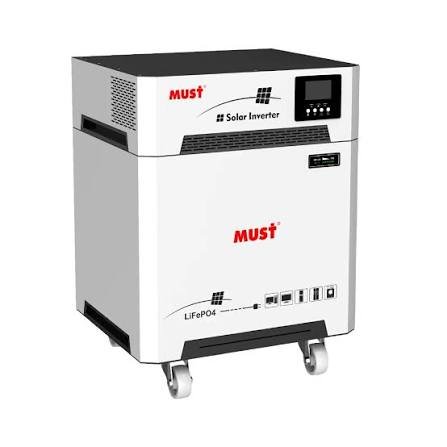
MUST Wall Mounted LiFePO4 10KWH Battery solar home energy storage battery
Original price was: ₦2,510,000.00.₦2,500,000.00Current price is: ₦2,500,000.00.Wall Mounted Design for Home Energy Systems
The MUST Wall Mounted LiFePO4 10KWH Battery offers a wall-mounted format for suitable home energy storage installations. This design can help organize the battery setup and make use of available wall space.
However, proper installation requires careful planning. First, ensure that the mounting surface can safely support the battery’s weight. Next, follow the manufacturer’s mounting and clearance requirements. Also, select a location that meets the specified temperature and environmental conditions.
The stated 10kWh capacity provides a useful starting point for planning energy storage. Nevertheless, the right capacity depends on your electricity consumption and backup goals. Consider the appliances you need to operate and how long you expect to use them.
For example, lighting, fans, and communication devices have different energy requirements from high-power appliances. Understanding these differences helps you estimate your storage needs more accurately.
Flexible Solar Charging and Energy Management
The MUST Wall Mounted LiFePO4 10KWH Battery can support compatible solar charging and energy storage systems. A suitable installation can charge the battery when solar electricity is available. The stored energy can then be used when generation decreases or demand continues.
As a result, households can manage their energy consumption more flexibly. The actual benefits depend on solar production, usable battery capacity, inverter settings, and household electricity use.
In addition, users should verify compatibility with their existing equipment. Check the battery’s nominal voltage, charging current, discharge limits, and communication requirements. Not every inverter or charger supports every battery model.
A qualified installer can help confirm the correct configuration. This is especially important when adding a battery to an existing solar system.
Installation, Compatibility, and Battery Care
The MUST Wall Mounted LiFePO4 10KWH Battery should be installed according to the manufacturer’s instructions. Before connecting it, confirm that the inverter, cables, charging equipment, and protective devices meet the required specifications.
Also, inspect electrical connections regularly and avoid damaged cables or incompatible charging equipment. Follow the manufacturer’s recommendations for operating temperature, storage, and maintenance.
If you plan to increase your storage capacity later, check whether the battery supports connecting additional units. Always follow the approved configuration and never assume that series or parallel connections are supported without confirmation.
Overall, this wall-mounted 10kWh LiFePO4 battery is an option for compatible residential solar storage and backup applications. Review the official product datasheet before purchasing to confirm its specifications and compatibility with your energy system.
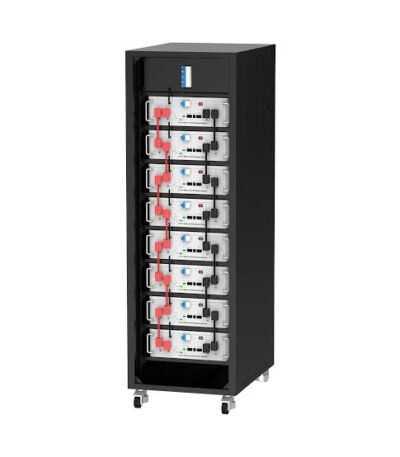
MUST Wall Mounted LiFePO4 5KWH Battery solar home energy storage battery
Original price was: ₦1,510,000.00.₦1,500,000.00Current price is: ₦1,500,000.00.Space-Saving Wall Mounted Battery Design
The MUST Wall Mounted LiFePO4 5KWH Battery offers a wall-mounted format for suitable home energy storage systems. This design can help keep the installation organized while making use of available wall space.
A suitable installation requires careful planning. First, confirm that the mounting surface can support the battery’s weight. Next, follow the manufacturer’s mounting and clearance requirements. Also, ensure that the installation location meets the specified environmental and temperature conditions.
The 5kWh capacity can suit some household storage requirements. However, every home has different energy needs. Therefore, calculate the expected consumption of your essential appliances before choosing a battery.
For example, lighting and communication devices may require less energy than high-power appliances. Understanding these differences helps you plan the system more effectively.
Flexible Solar Charging and Energy Management
The MUST Wall Mounted LiFePO4 5KWH Battery can support compatible solar energy storage applications. A suitable solar system can charge the battery when electricity is available. The stored energy can then be used when solar production decreases.
As a result, households can manage the timing of their electricity consumption more flexibly. The exact benefits depend on solar generation, battery capacity, inverter settings, and daily energy use.
In addition, users should verify compatibility with their existing solar equipment. Check the battery’s nominal voltage, charging current, discharge limits, and communication requirements. Not every inverter or charger supports every battery model.
A qualified installer can help confirm the correct configuration. This is particularly important when integrating a battery into an existing solar installation.
Installation and Long-Term Battery Care
The MUST Wall Mounted LiFePO4 5KWH Battery should be installed according to the manufacturer’s instructions. Before connecting the battery, confirm that the inverter, cables, charging equipment, and protective devices meet the required specifications.
Also, inspect the battery and electrical connections periodically. Avoid damaged cables and incompatible charging equipment. Follow the manufacturer’s guidance for operating temperature, storage, and routine maintenance.
If you want to expand your storage capacity later, check whether the battery supports connecting additional units. Follow the approved configuration and never assume that series or parallel connections are supported without confirmation.
Overall, this wall-mounted LiFePO4 battery is an option for compatible home solar storage and backup systems. Review the official datasheet before purchasing to ensure that its specifications match your energy requirements.