


HAISIC BRAND

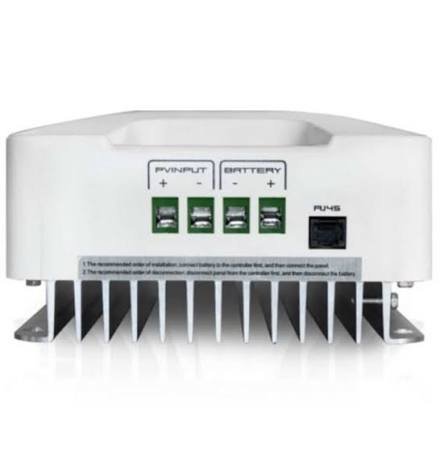
HAISIC HS-MPPT-60A 60A MPPT solar charge controller
Original price was: ₦76,000.00.₦75,000.00Current price is: ₦75,000.00.High-Capacity 60A Solar Charging Solution
The HAISIC HS-MPPT-60A 60A MPPT Solar Charge Controller provides an option for users planning a compatible solar battery charging system. Its 60A rated charging current makes it worth considering for installations that require substantial charging capacity.
A solar charge controller manages the electricity transferred from solar panels to a connected battery. This helps regulate charging according to the supported system specifications. As a result, users can plan their solar installations around their battery storage requirements.
The controller’s MPPT technology tracks the solar panels’ maximum power point. This helps the system make effective use of available solar power within its rated limits. Actual charging performance depends on sunlight conditions, panel specifications, battery characteristics, and system configuration.
Although a 60A rating can help with system planning, users should not select a controller based on charging current alone. The solar array voltage, battery voltage, and maximum permitted PV input must also match.
Before purchasing, review the official datasheet and confirm the controller’s compatibility with your solar panels and battery bank. This helps you avoid selecting components that exceed the controller’s limits.
Off-Grid Solar and Battery Storage Applications
An MPPT charge controller can serve as a key component in a compatible off-grid solar system. Solar panels generate electricity, while the controller manages charging for the connected battery bank. The stored energy can then supply suitable appliances through an appropriate power conversion system.
For example, a properly designed installation may support lighting, communication equipment, and other compatible electrical loads. The available operating time depends on battery capacity, energy consumption, inverter efficiency, and the amount of solar energy generated.
The HAISIC HS-MPPT-60A 60A MPPT Solar Charge Controller may suit residential and other standalone solar projects that meet its specifications. However, the controller alone does not provide a complete power system. Suitable panels, batteries, wiring, and electrical protection equipment may also be necessary.
When adding this controller to an existing installation, verify that the solar array and battery configuration fall within its supported limits. Always follow the manufacturer’s guidance for equipment selection and connections.
Installation, Safety, and Maintenance
Correct installation helps support safe and effective operation. Before connecting the HAISIC HS-MPPT-60A 60A MPPT Solar Charge Controller, confirm that all system components meet the manufacturer’s requirements.
First, check the battery voltage and charging specifications. Next, verify the solar array’s voltage and rated capacity. Also, choose suitable cables, connectors, and protective devices for the planned installation.
Install the controller in a location that meets the manufacturer’s mounting, environmental, and clearance requirements. Keep connections secure and inspect the system periodically for visible damage or loose wiring.
Furthermore, do not exceed the controller’s specified electrical limits. Incorrect connections or incompatible components can damage equipment and create safety hazards. If you are unsure about the installation, consult a qualified solar technician.
Overall, this 60A MPPT solar charge controller is an option for compatible battery charging and off-grid solar applications. Checking the official specifications before purchase helps ensure that it matches your intended system.
HAISIC HS-MPPT-80A 80A MPPT solar charge controller
Original price was: ₦99,000.00.₦98,000.00Current price is: ₦98,000.00.High-Capacity 80A Solar Charging Solution
The HAISIC HS-MPPT-80A 80A MPPT Solar Charge Controller offers an option for users planning a compatible solar battery charging system. Its rated charging current of 80A provides a useful specification when assessing the charging requirements of a solar installation.
A solar charge controller regulates the electricity transferred from solar panels to a connected battery. This helps manage charging according to the system’s supported operating limits. As a result, users can plan their solar equipment around their battery storage requirements.
The controller’s MPPT technology tracks the solar panels’ maximum power point. This helps the system use available solar power effectively within its rated limits. Actual charging performance depends on sunlight, panel specifications, battery characteristics, and the overall system design.
However, the 80A rating does not automatically indicate the maximum solar array wattage. That limit depends on the controller’s supported PV voltage, battery voltage, and other electrical specifications.
Before purchasing, review the official datasheet and confirm that the controller matches your solar panels and battery bank. This helps prevent equipment mismatches and supports a suitable installation.
Off-Grid Solar and Battery Storage Applications
An MPPT solar charge controller can serve as an important component in a compatible off-grid energy system. Solar panels generate electricity, while the controller manages charging for the connected battery bank. Stored energy can then supply suitable appliances through the appropriate power conversion equipment.
For example, a properly designed installation may support lighting, communication devices, and other compatible loads. The actual operating time depends on battery capacity, appliance consumption, inverter efficiency, and available solar generation.
The HAISIC HS-MPPT-80A 80A MPPT Solar Charge Controller may suit residential and other standalone solar projects that meet its specifications. However, the controller alone does not provide a complete solar power system. Compatible panels, batteries, wiring, and electrical protection equipment may also be required.
When upgrading an existing installation, verify that the solar array and battery configuration fall within the controller’s supported limits. Always follow the manufacturer’s documentation when selecting and connecting components.
Installation, Safety, and Long-Term Operation
Correct installation helps support safe and effective charging. Before connecting the HAISIC HS-MPPT-80A 80A MPPT Solar Charge Controller, confirm that all system components meet the manufacturer’s requirements.
First, check the battery voltage and charging specifications. Next, verify the solar array’s voltage and rated capacity. Also, select suitable cables, connectors, and protective devices for the installation.
Install the controller in a location that meets the manufacturer’s mounting, environmental, and clearance requirements. Keep connections secure and inspect the system periodically for visible damage or loose wiring.
Furthermore, never exceed the controller’s specified electrical limits. Incorrect connections or incompatible equipment can damage components and create safety risks. If you are unsure about installation, consult a qualified solar technician.
Overall, this 80A MPPT solar charge controller is an option for compatible battery charging and off-grid solar applications. Reviewing the official specifications before purchase helps ensure that it suits your intended system.
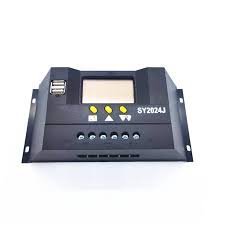
HAISIC HS-PWM-20A 20A PWM solar charge controller
Original price was: ₦19,000.00.₦18,000.00Current price is: ₦18,000.00.Practical 20A Solar Charging Solution
The HAISIC HS-PWM-20A 20A PWM Solar Charge Controller offers a straightforward option for users planning a compatible solar battery charging system. Its 20A rated charging current provides a useful starting point when selecting a controller for a small or suitably sized solar installation.
A solar charge controller regulates charging between the photovoltaic panels and the connected battery. This helps manage the charging process within the controller’s supported limits. Consequently, users can plan a solar setup around their battery capacity and daily energy requirements.
PWM controllers use pulse width modulation to regulate the charging connection. Unlike MPPT models, they do not track the solar panels’ maximum power point. Therefore, the solar panel voltage must be suitable for the battery system, according to the manufacturer’s specifications.
The controller may be considered for compatible standalone solar systems and basic battery charging applications. However, users should not select equipment based on the 20A rating alone.
Before buying, check the maximum solar input, supported battery voltage, charging current, and permitted panel capacity. This helps prevent equipment mismatches and supports a suitable installation.
Suitable for Small Off-Grid Solar Applications
A compatible PWM charge controller can be a useful component in a small off-grid solar installation. Solar panels generate electricity, and the controller regulates charging for the connected battery bank. The stored energy can then supply suitable appliances through compatible power conversion equipment.
For example, a properly designed system may support lighting, small electronic devices, and other compatible loads. Actual operating time depends on battery capacity, energy consumption, solar conditions, and any inverter used in the setup.
The HAISIC HS-PWM-20A 20A PWM Solar Charge Controller may suit installations that match its electrical requirements. However, the controller alone does not provide a complete solar power system. Solar panels, batteries, wiring, and suitable protective equipment may also be required.
When adding the controller to an existing installation, confirm that the solar panel and battery specifications match its supported limits. Always follow the manufacturer’s instructions.
Installation, Safety, and Long-Term Use
Correct installation is essential for safe and effective battery charging. Before connecting the HAISIC HS-PWM-20A 20A PWM Solar Charge Controller, confirm that all system components meet the manufacturer’s requirements.
First, verify the battery voltage and charging specifications. Next, check the solar panel’s voltage and rated capacity. Also, choose suitable cables, connectors, and protective devices for the planned installation.
Install the controller in a location that meets the manufacturer’s mounting and environmental requirements. Keep electrical connections secure and inspect the system periodically for visible damage or loose wiring.
Furthermore, never exceed the controller’s specified electrical limits. Incorrect connections or incompatible components can damage equipment and create safety risks. If you are unsure about the installation, consult a qualified solar technician.
Overall, this 20A PWM solar charge controller is an option for compatible battery charging and small solar power systems. Reviewing the official specifications before purchase helps ensure that it suits your intended application.

HAISIC HS-PWM-30A 30A PWM solar charge controller
Original price was: ₦26,000.00.₦25,000.00Current price is: ₦25,000.00.Practical 30A Solar Charging Solution
The HAISIC HS-PWM-30A 30A PWM Solar Charge Controller offers a practical option for users planning a compatible solar battery charging system. Its rated charging current of 30A provides a useful specification when selecting equipment for a standalone or off-grid installation.
A solar charge controller regulates the electricity transferred from solar panels to the connected battery. This helps manage the charging process within the controller’s supported limits. As a result, users can plan their solar equipment around their battery storage requirements.
PWM technology controls charging through pulse width modulation. Although this approach can suit compatible solar systems, it does not provide maximum power point tracking like an MPPT controller. Therefore, panel voltage matching and correct system sizing are important.
The controller may be suitable for installations that require a 30A charging rating. However, users should consider the complete system rather than choosing equipment based on current alone.
Before purchasing, check the supported battery voltage, maximum PV input, charging current, and permitted solar panel capacity. These specifications help ensure that the controller matches the intended setup.
Off-Grid Solar and Battery Storage Applications
A compatible PWM charge controller can serve as an important component in an off-grid solar installation. Solar panels generate electricity, while the controller regulates charging for the connected battery bank. The stored energy can then supply suitable appliances through compatible power conversion equipment.
For example, a properly designed system may support lighting, communication devices, and other compatible electrical loads. Actual operating time depends on battery capacity, appliance consumption, available sunlight, and inverter efficiency where applicable.
The HAISIC HS-PWM-30A 30A PWM Solar Charge Controller can be considered for solar projects that meet its electrical requirements. However, the controller alone does not provide a complete power system. Compatible panels, batteries, wiring, and protective equipment may also be necessary.
When upgrading an existing installation, verify that the solar array and battery bank fall within the controller’s supported limits. Always follow the manufacturer’s documentation when selecting and connecting components.
Installation, Safety, and Maintenance
Correct installation helps support safe and effective battery charging. Before connecting the HAISIC HS-PWM-30A 30A PWM Solar Charge Controller, confirm that all components meet the manufacturer’s specifications.
First, verify the battery voltage and charging requirements. Next, check the solar panel voltage and rated capacity. Also, select suitable cables, connectors, and protective devices for the installation.
Install the controller in a location that meets the manufacturer’s mounting and environmental requirements. Keep electrical connections secure and inspect the system periodically for visible damage or loose wiring.
Furthermore, never exceed the controller’s specified electrical limits. Incorrect connections or incompatible equipment can damage components and create safety risks. If you are unsure about installation, consult a qualified solar technician.
Overall, this 30A PWM solar charge controller is an option for compatible battery charging and off-grid solar applications. Reviewing the official specifications before purchase helps ensure that it suits your intended system.
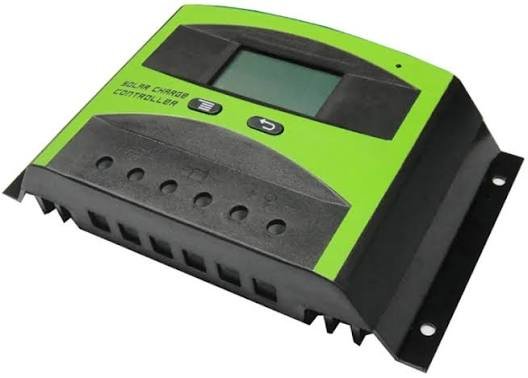
HAISIC HS-PWM-40A 40A PWM solar charge controller
Original price was: ₦33,000.00.₦32,000.00Current price is: ₦32,000.00.High-Capacity 40A Solar Charging Solution
The HAISIC HS-PWM-40A 40A PWM Solar Charge Controller offers an option for users planning a compatible solar battery charging system. Its 40A rated charging current provides a useful reference when choosing a controller for a suitably sized solar installation.
A solar charge controller manages the electricity transferred from solar panels to the connected battery. This helps regulate charging within the controller’s supported operating limits. As a result, users can plan their solar equipment around their battery storage requirements.
PWM technology regulates charging through pulse width modulation. Unlike MPPT technology, it does not track the solar panels’ maximum power point. Therefore, users should pay close attention to the solar panel voltage and battery configuration when designing their system.
The controller may suit installations that require a 40A charging rating. However, users should consider all relevant electrical specifications before making a selection.
Before purchasing, confirm the supported battery voltage, maximum PV input, charging current, and permitted solar panel capacity. Reviewing these details helps prevent mismatched components and supports a suitable installation.
Off-Grid Solar and Battery Storage Applications
A compatible PWM charge controller can serve as an important component in an off-grid solar system. Solar panels generate electricity, while the controller regulates charging for the connected battery bank. Stored energy can then supply compatible appliances through suitable power conversion equipment.
For example, a properly designed installation may support lighting, communication equipment, and other suitable electrical loads. Actual operating time depends on battery capacity, appliance consumption, available sunlight, and inverter efficiency where applicable.
The HAISIC HS-PWM-40A 40A PWM Solar Charge Controller can be considered for residential and standalone solar projects that meet its specifications. However, the controller alone does not provide a complete solar power system. Compatible panels, batteries, wiring, and electrical protection equipment may also be required.
When adding the controller to an existing installation, verify that the solar array and battery bank fall within its supported limits. Always follow the manufacturer’s documentation when selecting and connecting components.
Installation, Safety, and Maintenance
Correct installation helps support safe and effective battery charging. Before connecting the HAISIC HS-PWM-40A 40A PWM Solar Charge Controller, confirm that all system components meet the manufacturer’s requirements.
First, verify the battery voltage and charging specifications. Next, check the solar panel voltage and rated capacity. Also, select suitable cables, connectors, and protective devices for the installation.
Install the controller in a location that meets the manufacturer’s mounting and environmental requirements. Keep connections secure and inspect the system periodically for visible damage or loose wiring.
Furthermore, never exceed the controller’s specified electrical limits. Incorrect connections or incompatible equipment can damage components and create safety risks. If you are unsure about installation, consult a qualified solar technician.
Overall, this 40A PWM solar charge controller is an option for compatible battery charging and off-grid solar applications. Reviewing the official specifications before purchase helps ensure that it suits your intended system.
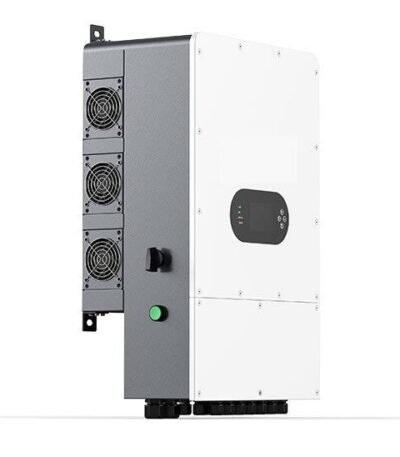
HAISIC HS-RACK-10K 10kWh rack-mounted battery module
Original price was: ₦1,710,000.00.₦1,700,000.00Current price is: ₦1,700,000.00.High-Capacity 10kWh Battery Storage Solution
The HAISIC HS-RACK-10K 10kWh Rack-Mounted Battery Module provides a stated capacity of 10kWh for compatible energy storage applications. It offers an option for users who want to store electricity and use it when needed.
Energy storage helps balance electricity generation and consumption. For instance, a compatible solar system can generate electricity during the day. The battery can store available energy for later use, depending on the system configuration. Consequently, users can manage their available electricity more flexibly.
The right battery capacity depends on daily energy use and backup requirements. Therefore, start by identifying the appliances you want to operate. Next, estimate their energy consumption and compare it with the battery’s usable capacity.
Remember that 10kWh describes energy storage capacity, not maximum power output. The battery’s discharge rating determines how much power it can deliver at a given time. Check the official datasheet for the maximum charging and discharging power, usable capacity, and other technical specifications.
Compatibility with Inverters and Battery Systems
The HAISIC HS-RACK-10K 10kWh Rack-Mounted Battery Module must work with compatible inverters and charging equipment. Before purchasing, check the battery’s nominal voltage, charging requirements, and supported inverter models.
Communication compatibility also matters. Some systems require specific communication protocols to manage charging, discharging, and battery monitoring. Therefore, confirm the manufacturer’s requirements before connecting the battery to other equipment.
In addition, use suitable cables and electrical protection devices. A qualified installer can assess the system and confirm that all components work together correctly. This approach helps prevent compatibility issues and supports safe operation.
You should also check the battery chemistry, operating temperature range, and installation requirements. Do not assume these specifications without consulting the product documentation.
Flexible Energy Storage for Homes and Businesses
The HAISIC HS-RACK-10K 10kWh Rack-Mounted Battery Module can support energy management in suitable residential and commercial installations. Depending on the system design, stored electricity may help power selected appliances when solar production falls.
For effective backup planning, calculate the combined energy consumption of your essential appliances. Then compare that requirement with the battery’s usable capacity. Remember that inverter losses and battery operating limits can reduce the energy available to your appliances.
Furthermore, follow the manufacturer’s instructions for installation, charging, and maintenance. Confirm the warranty, cycle life, and expansion options before purchasing. These details can help you evaluate the battery for your intended application.
Overall, this 10kWh rack-mounted battery module offers a practical option for compatible energy storage systems. With proper planning and suitable equipment, users can build an organized setup for solar storage and backup power.
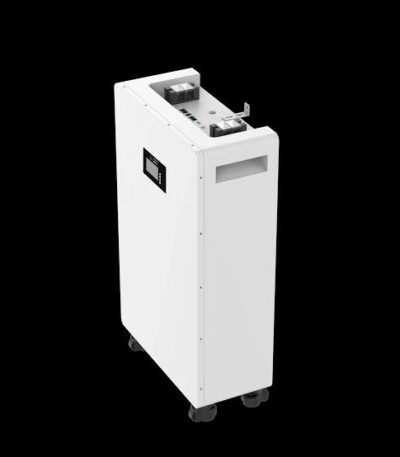
HAISIC HS-RACK-15K 15kWh rack-mounted battery module
Original price was: ₦2,460,000.00.₦2,450,000.00Current price is: ₦2,450,000.00.High-Capacity 15kWh Battery Storage Solution
The HAISIC HS-RACK-15K 15kWh Rack-Mounted Battery Module provides a stated storage capacity of 15kWh for compatible energy systems. It offers an option for users who need a substantial reserve of electricity for later consumption.
Energy storage helps balance electricity generation and demand. For instance, a compatible solar system may generate electricity during daylight hours. The battery can store available energy for later use, depending on the system configuration. Consequently, users can manage their available electricity more flexibly.
The right battery capacity depends on daily energy consumption and the duration of backup required. Therefore, begin by identifying the appliances you want to operate. Next, estimate their energy requirements and compare them with the battery’s usable capacity.
It is important to distinguish energy capacity from power output. The 15kWh rating describes stored energy, not the maximum power the battery can deliver at one moment. Check the official datasheet for maximum charging and discharging power, usable capacity, and other technical specifications.
Compatibility with Inverters and Battery Systems
The HAISIC HS-RACK-15K 15kWh Rack-Mounted Battery Module must work with compatible inverters and charging equipment. Before purchasing, confirm the battery’s nominal voltage, charging requirements, and supported inverter models.
Communication compatibility also matters. Some energy storage systems require specific protocols to coordinate charging, discharging, and battery monitoring. Therefore, check the manufacturer’s requirements before connecting the battery to other equipment.
In addition, use suitable cables and electrical protection devices. A qualified installer can assess the system and confirm that all components meet the required specifications. This helps reduce compatibility problems and supports safe operation.
You should also verify the battery chemistry, operating temperature range, and installation requirements. Do not assume these details without consulting the official product documentation.
Flexible Energy Storage for Homes and Businesses
The HAISIC HS-RACK-15K 15kWh Rack-Mounted Battery Module can support energy management in suitable residential and commercial installations. Depending on the system design, stored electricity may help power selected appliances when solar generation decreases or supported backup operation becomes necessary.
For effective backup planning, calculate the combined energy consumption of your essential appliances. Then compare that figure with the battery’s usable capacity. Remember that inverter losses and battery operating limits can reduce the energy available to connected loads.
Furthermore, follow the manufacturer’s instructions for installation, charging, and maintenance. Before purchasing, confirm the warranty, cycle life, and expansion options. These details can help you evaluate the module for your intended application.
Overall, this 15kWh rack-mounted battery module offers an option for compatible solar storage and backup systems. With suitable equipment and careful planning, users can develop an organized energy storage setup that meets their requirements.
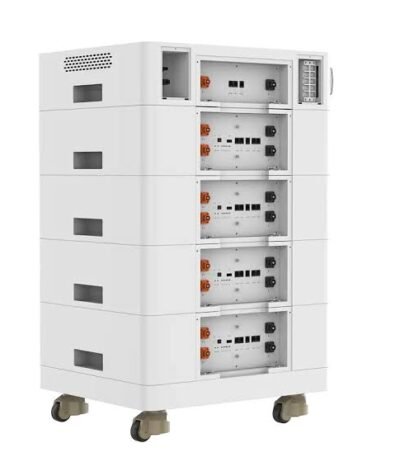
HAISIC HS-RACK-20K 20kWh rack-mounted battery module
Original price was: ₦3,300,000.00.₦3,200,000.00Current price is: ₦3,200,000.00.High-Capacity 20kWh Battery Storage Solution
The HAISIC HS-RACK-20K 20kWh Rack-Mounted Battery Module provides a stated storage capacity of 20kWh for compatible energy systems. It offers an option for users who need a substantial reserve of electricity for later consumption.
Energy storage helps balance electricity generation and demand. For instance, a compatible solar system may generate electricity during the day. The battery can store available energy for later use, depending on the system configuration. Consequently, users can manage their available electricity more effectively.
The right battery capacity depends on daily energy consumption and backup requirements. Therefore, begin by identifying the appliances you want to operate. Next, estimate their energy needs and compare them with the battery’s usable capacity.
It is also important to understand the difference between energy capacity and power output. The 20kWh rating describes stored energy, not the maximum power the battery can deliver at one moment. Check the official datasheet for maximum charging and discharging power, usable capacity, and other technical specifications.
Compatibility with Inverters and Battery Systems
The HAISIC HS-RACK-20K 20kWh Rack-Mounted Battery Module must work with compatible inverters and charging equipment. Before purchasing, confirm the battery’s nominal voltage, charging requirements, and supported inverter models.
Communication compatibility also matters. Some energy storage systems require specific protocols to coordinate charging, discharging, and battery monitoring. Therefore, check the manufacturer’s requirements before connecting the module to other equipment.
In addition, use suitable cables and electrical protection devices. A qualified installer can assess the system and confirm that all components meet the required specifications. This helps reduce compatibility issues and supports safe operation.
You should also verify the battery chemistry, operating temperature range, warranty, and installation requirements. Do not assume these details without consulting the official product documentation.
Flexible Energy Storage for Homes and Businesses
The HAISIC HS-RACK-20K 20kWh Rack-Mounted Battery Module can support energy management in suitable residential and commercial installations. Depending on the system design, stored electricity may help power selected appliances when solar generation decreases or supported backup operation becomes necessary.
For effective backup planning, calculate the combined energy consumption of your essential appliances. Then compare that figure with the battery’s usable capacity. Remember that inverter losses and battery operating limits can reduce the energy available to connected loads.
Furthermore, follow the manufacturer’s instructions for installation, charging, and maintenance. Confirm the supported expansion options and communication requirements before purchasing. These checks can help you evaluate the module for your intended application.
Overall, this 20kWh rack-mounted battery module offers an option for compatible solar storage and backup systems. With suitable equipment and careful planning, users can create an organized energy storage setup that matches their requirements.
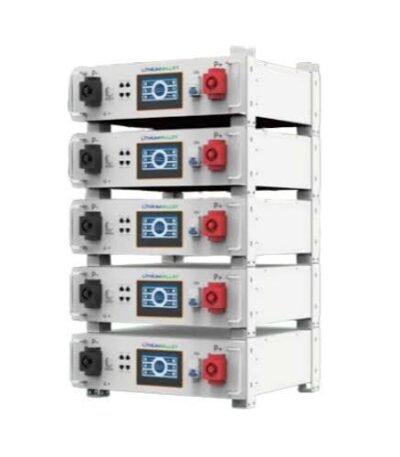
HAISIC HS-RACK-5K 5kWh rack-mounted battery module
Original price was: ₦910,000.00.₦900,000.00Current price is: ₦900,000.00.Compact 5kWh Battery Storage Solution
The HAISIC HS-RACK-5K 5kWh Rack-Mounted Battery Module provides a stated 5kWh energy storage capacity for compatible power systems. It can be considered for installations that need a dedicated battery module to store electricity for later consumption.
Battery storage offers flexibility because electricity does not always need to be consumed when it is generated. In a suitable solar installation, the system can store available energy and use it later according to its configuration. This can help users manage changing energy demands throughout the day.
The right storage capacity depends on how much electricity the user consumes and which appliances need support. For example, lighting and other lower-power loads may use stored energy more slowly than high-demand equipment. Therefore, users should estimate their expected energy consumption before selecting a storage solution.
The 5kWh rating refers to energy capacity, not the amount of power the battery can deliver at one moment. Maximum charge and discharge power must be confirmed through the official product specifications.
Compatibility and System Integration
The HAISIC HS-RACK-5K 5kWh Rack-Mounted Battery Module should be paired with equipment that supports its electrical and communication requirements. Before installation, check the nominal voltage, charging limits, maximum discharge current, and compatible inverter models.
Battery communication is also important when the system uses monitoring or coordinated charging controls. Users should confirm whether the module requires a specific communication protocol, cable, or configuration. Do not assume that every inverter or battery management system will work with this product.
In addition, check the required electrical protection, cable sizing, and connection procedures. A qualified installer can verify compatibility and configure the system according to the manufacturer’s instructions. This helps support safe and reliable operation.
Flexible Energy Management for Everyday Use
The HAISIC HS-RACK-5K 5kWh Rack-Mounted Battery Module can support planned energy management in suitable residential or commercial installations. Depending on the complete system, stored electricity may help supply selected appliances when other power sources are unavailable or solar generation is reduced.
To estimate backup duration, identify the appliances you intend to operate and calculate their total energy consumption. Then compare that requirement with the battery’s usable capacity. Remember that inverter losses and battery operating limits can reduce the energy delivered to appliances.
For long-term use, follow the manufacturer’s charging, installation, and maintenance guidance. Confirm the battery chemistry, cycle life, warranty, and expansion options from the official datasheet rather than assuming these specifications.
Overall, this rack-mounted 5kWh battery module is an option for users planning compatible energy storage systems. Checking the technical specifications before purchase can help ensure that it suits the intended installation.
HAISIC HS-SG-1000 1000W solar generator
Original price was: ₦260,000.00.₦250,000.00Current price is: ₦250,000.00.1000W Portable Solar Power Solution
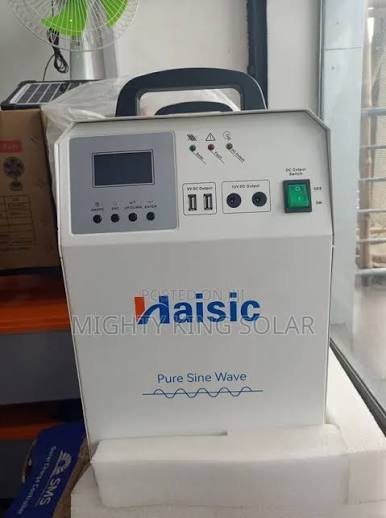
The HAISIC HS-SG-1000 1000W Solar Generator is an option for users looking for portable electricity for everyday tasks and selected backup applications. Its stated 1000W rating helps users assess the power requirements of compatible equipment.
Portable generators can provide flexibility in locations where conventional electricity is limited or unavailable. For example, users may need power for communication devices, lighting, and other small electronics. A suitable generator can help meet these needs when the connected devices remain within its operating limits.
However, the 1000W rating describes power output rather than stored energy capacity. Battery capacity, usually measured in watt-hours, helps determine how long the generator can supply electricity. Therefore, users should confirm both specifications before purchasing.
In addition, check the available output connections and charging options. The manufacturer’s documentation should identify the supported devices and operating limits. This information helps users select a generator that matches their daily requirements.
Backup Electricity for Essential Devices
The HAISIC HS-SG-1000 1000W Solar Generator may be useful for selected backup power needs when its specifications support the intended devices. During a power interruption, users can prioritize essential electronics and other compatible loads.
Start by identifying the devices that need electricity. Next, check their running power and any additional starting power they require. The combined load must remain within the generator’s supported output.
Backup duration also depends on the battery’s usable capacity and conversion efficiency. For example, a phone charger uses much less energy than an appliance that operates continuously at a higher power level. As a result, selecting essential loads carefully can help manage available stored energy.
Users should not assume that the generator can power every household appliance. High-demand equipment may exceed its output rating or require a specific type of power supply. Always check device compatibility before use.
Safe Operation, Charging, and Maintenance
Proper operation is important when using the HAISIC HS-SG-1000 1000W Solar Generator. Before use, review the manufacturer’s guidance for charging, ventilation, storage, and supported electrical connections.
If solar charging is available, use panels that meet the generator’s specified input requirements. Also, confirm compatibility with any AC charger or other supported charging method. Avoid connecting equipment that exceeds the unit’s limits.
Keep the generator in the operating environment recommended by the manufacturer. Protect it from unsuitable weather conditions and follow the instructions for long-term storage. Regularly inspect cables and connectors for visible damage.
Overall, the HAISIC HS-SG-1000 1000W Solar Generator provides an option for portable power, selected home backup needs, and compatible solar charging applications. Confirm the battery capacity, charging specifications, output connections, and supported loads before purchasing to ensure the model suits your requirements.
HAISIC HS-SG-1500 1500W solar generator
Original price was: ₦330,000.00.₦320,000.00Current price is: ₦320,000.00.1500W Portable Solar Power Solution
The HAISIC HS-SG-1500 1500W Solar Generator is an option for users seeking portable electricity for everyday tasks and selected backup applications. Its stated 1500W output rating provides a useful reference when evaluating compatible devices.
A portable solar generator can support electricity needs in places where conventional power is unavailable or inconvenient. For example, it may help users power communication equipment, lighting, laptops, and other compatible electronics. Its suitability depends on the power requirements of the connected devices.
It is important to distinguish output power from stored energy. The 1500W rating describes the generator’s stated power output, while battery capacity, typically measured in watt-hours, helps determine how long it can supply electricity.
Therefore, review both specifications before purchasing. Also, check the available outlets, charging options, and electrical limits. These details help users select a generator that fits their intended applications.
Backup Power for Essential Devices
The HAISIC HS-SG-1500 1500W Solar Generator may help provide backup electricity for selected devices when its specifications support the intended loads. During a power interruption, users can prioritize essential equipment such as lights, communication devices, and other compatible electronics.
Start by identifying which devices you need to operate. Next, check their rated power consumption and any extra starting power they require. The combined demand must remain within the generator’s supported output.
Backup duration also depends on the battery’s usable capacity and system efficiency. For example, a device that consumes little power may operate for longer than an appliance with a higher continuous demand. Consequently, estimating energy use before an outage can help users plan more effectively.
However, the generator may not support every household appliance. High-demand equipment can exceed its output rating, while some devices require specific electrical characteristics. Always confirm compatibility before connecting equipment.
Charging Compatibility, Safety, and Maintenance
Proper operation is important for the HAISIC HS-SG-1500 1500W Solar Generator. Before use, review the manufacturer’s guidance for charging, storage, ventilation, and supported electrical connections.
If solar charging is supported, select panels that meet the specified input requirements. Similarly, verify compatibility with any included or separately purchased charging equipment. Avoid exceeding the generator’s electrical limits.
Keep the unit in the environment recommended by the manufacturer. Protect it from unsuitable weather conditions and inspect cables and connectors regularly for visible damage. Follow the recommended procedures for storage and routine maintenance.
Overall, the HAISIC HS-SG-1500 1500W Solar Generator offers an option for portable electricity, selected home backup needs, and compatible solar charging applications. Confirm the battery capacity, charging specifications, available outlets, and supported loads before purchasing to ensure the unit meets your requirements.
HAISIC HS-SG-2000 2000W solar generator
Original price was: ₦430,000.00.₦420,000.00Current price is: ₦420,000.00.High-Power Portable Energy Solution
The HAISIC HS-SG-2000 2000W Solar Generator provides an option for users seeking portable electricity for everyday needs and selected backup applications. Its stated 2000W rating helps buyers evaluate whether the unit may suit their intended appliances.
Portable power solutions can be useful in homes, workshops, campsites, and temporary work locations. For example, users may need electricity for lighting, mobile devices, laptops, and other compatible equipment. A suitable power station can help reduce dependence on a fixed electrical outlet.
However, a 2000W rating does not mean that every appliance can operate for the same length of time. Runtime depends on battery capacity, the connected load, conversion efficiency, and operating conditions. Therefore, review both the output rating and battery capacity before deciding whether this model meets your requirements.
Useful for Backup Power and Outdoor Activities
The HAISIC HS-SG-2000 2000W Solar Generator can be considered for selected backup and outdoor power needs. During a power interruption, it may help operate compatible essential devices within its supported output limits.
For home backup, begin by identifying the equipment you need to keep running. Then, calculate the combined power demand and estimate how long each device must operate. This approach helps you determine whether the generator’s output and energy capacity are suitable.
For outdoor use, portability and available charging options are also important. Check the unit’s dimensions, weight, output connections, and charging methods before travelling with it. These details can help you decide whether it fits your intended use.
Do not connect appliances that exceed the unit’s rated limits. Also, follow the manufacturer’s instructions for operating, storing, and charging the equipment.
Important Specifications and Buying Considerations
Before choosing the HAISIC HS-SG-2000 2000W Solar Generator, review its official product datasheet. Confirm the battery capacity, battery chemistry, AC output specifications, available ports, solar charging limits, and supported charging methods. These details help you understand the generator’s actual capabilities.
Battery capacity is especially important when estimating runtime. A higher output rating can allow compatible devices to draw more power, but it does not automatically provide longer operating time. For this reason, compare the generator’s stored energy with the expected energy consumption of your appliances.
You should also verify whether solar panels and charging accessories are included or sold separately. Avoid assuming that accessories come with the unit unless the product listing confirms this.
Overall, the HAISIC HS-SG-2000 2000W Solar Generator is an option to evaluate for portable electricity, outdoor activities, and selected backup power requirements. By checking the official specifications and matching them to your needs, you can make a more informed purchasing decision.