



CWORTH ENERGY BRAND

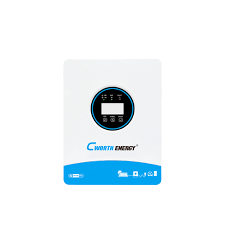
CWORTH CE-MPPT-80A 80A MPPT solar charge controller
Original price was: ₦181,000.00.₦180,000.00Current price is: ₦180,000.00.80A Solar MPPT Charge Controller
Smart Solar Power Management
The 80A MPPT Controller is designed to manage power from a solar array during battery charging. MPPT technology tracks the array’s maximum power point to help capture available solar energy.
This feature can be useful when sunlight changes throughout the day. Panel temperature, shading, and installation angle all affect the energy produced. Therefore, matching the controller with the solar array and battery bank is important.
Its stated 80A charging rating provides a useful starting point for system planning. However, the suitable solar panel capacity depends on the controller’s maximum input voltage, permitted PV power, and supported battery voltage.
Multiple Solar Applications
The 80A MPPT Controller may suit several energy storage applications when its specifications match the installation.
Common uses include:
-
Residential solar battery charging
-
Off-grid electricity systems
-
Backup energy storage
-
Solar installations for small businesses
-
Compatible renewable energy projects
Before choosing this controller, calculate the total wattage of your solar panels. Then, check the array voltage and current against the manufacturer’s limits. This helps prevent an incompatible configuration.
In addition, confirm that the battery supports the intended charging current. Different battery types require different charging settings. Always follow the battery manufacturer’s recommendations.
Safe Installation and Maintenance
Correct installation helps support reliable operation. Secure all electrical connections and use suitable protective devices. Provide the ventilation and mounting conditions specified by the manufacturer.
Inspect the terminals and wiring periodically. Keep the unit clean and protect it from unsuitable environmental conditions. Always follow the recommended procedure before disconnecting the solar array or battery.
In conclusion, this 80A solar charge controller is an option for compatible solar charging systems. Its MPPT technology helps manage the power available from solar panels. Check the official datasheet to confirm battery voltage support, PV input limits, charging settings, and warranty details before purchase.
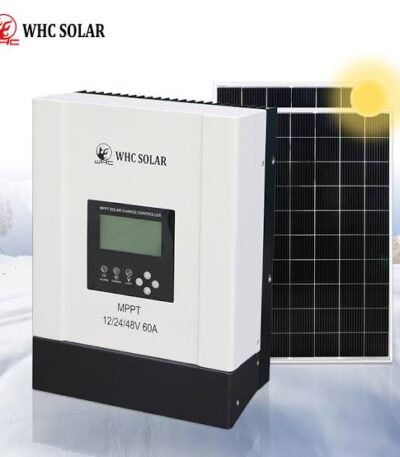
CWORTH CE-PWM-20A 20A PWM charge controller
Original price was: ₦19,000.00.₦18,000.00Current price is: ₦18,000.00.20A Solar PWM Charge Controller
Practical Charging Management
The 20A PWM Controller is designed to control charging from a solar panel or compatible solar array. Its PWM technology regulates the connection between the solar input and the battery during charging.
This approach can be suitable for smaller systems where the panel voltage and battery voltage are appropriately matched. However, PWM controllers generally cannot capture as much available solar power as MPPT controllers when panel and battery voltages differ significantly.
For this reason, choosing the correct controller depends on the solar system’s design. Check the panel specifications, battery requirements, and controller limits before making a purchase.
Multiple Everyday Uses
The 20A PWM Controller may suit several applications when the system specifications are compatible.
Potential uses include:
-
Solar lighting systems
-
Small residential installations
-
Battery charging for off-grid setups
-
Low-power backup systems
-
Small renewable energy projects
However, the controller’s 20A rating is not the same as battery capacity. Battery size and charging time depend on the available solar power, battery condition, and daily energy requirements.
In addition, check whether the controller includes the protection functions required for your installation. Never exceed the manufacturer’s voltage, current, or power limits.
Safe Installation and Maintenance
A properly installed controller can help maintain a consistent charging process. Keep electrical connections secure and use suitable fuses or circuit breakers where required. Follow the manufacturer’s recommended wiring sequence.
Inspect the cables and terminals periodically. Protect the unit from excessive heat, moisture, and dust according to its specified operating conditions. If you are unsure about the electrical connections, consult a qualified solar installer.
In conclusion, this 20A PWM charge controller is an option for compatible small solar installations. It helps regulate battery charging and supports basic solar energy management. Confirm the exact specifications and supported battery types using the official product datasheet before purchase.
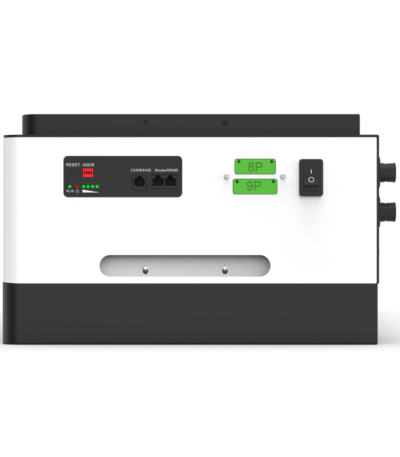
CWORTH CE-PWM-30A 30A PWM charge controller
Original price was: ₦23,000.00.₦22,000.00Current price is: ₦22,000.00.30A Solar PWM Charge Controller
Practical Charging Management
The 30A PWM Controller is designed to control charging from compatible solar panels. Its Pulse Width Modulation technology regulates the connection between the solar input and the battery during the charging process.
This charging method can be suitable for systems where the panel voltage and battery voltage are appropriately matched. However, PWM controllers generally capture less available solar power than MPPT controllers when the panel’s operating voltage is significantly higher than the battery voltage.
For this reason, choosing the correct controller depends on your solar system design. Check the panel specifications, battery requirements, and controller limits before purchasing.
Flexible Everyday Applications
The 30A PWM Controller may suit different installations when all connected equipment meets the required specifications.
Common uses include:
-
Home solar charging systems
-
Solar-powered lighting
-
Off-grid battery installations
-
Small backup power setups
-
Compatible solar energy projects
However, the 30A rating represents the controller’s stated charging current, not the battery’s storage capacity. Charging time depends on solar panel output, sunlight conditions, battery size, and energy consumption.
In addition, confirm that the controller provides the protection functions required for your installation. Never exceed the manufacturer’s voltage, current, or power limits.
Safe Installation and Maintenance
A properly installed controller helps regulate the battery charging process. Keep electrical connections secure and use suitable fuses or circuit breakers where required. Always follow the manufacturer’s recommended wiring sequence.
Inspect cables and terminals periodically. Protect the unit from excessive heat, moisture, and dust according to its specified operating conditions. If you are unsure about electrical connections, consult a qualified solar installer.
In conclusion, this 30A PWM charge controller is an option for compatible solar installations. It helps regulate battery charging and supports basic solar energy management. Confirm the technical specifications and supported battery types using the official product datasheet before purchase.
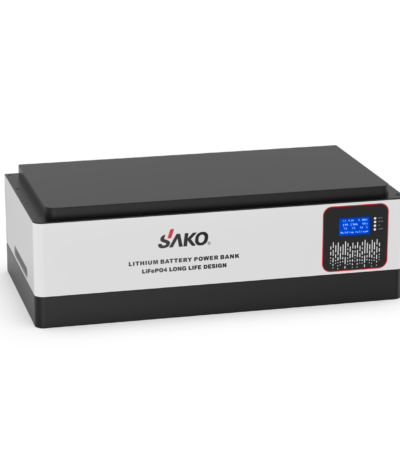
CWORTH CE-PWM-40A 40A PWM charge controller
Original price was: ₦29,000.00.₦28,000.00Current price is: ₦28,000.00.Practical Control for Solar Power
The 40A PWM Controller is designed to regulate charging current from a compatible solar panel system to a battery bank. PWM stands for Pulse Width Modulation. This charging method adjusts the connection between the solar panel and battery to manage the charging process.
A PWM controller is generally most suitable when the solar panel voltage is appropriately matched to the battery system. Therefore, selecting the correct panel and battery combination is essential. An unsuitable combination may reduce charging performance or exceed the controller’s permitted input limits.
Applications for Everyday Energy Needs
This controller may suit small off-grid systems, cabins, lighting installations, and other compatible solar applications. It can help charge a battery that stores energy for later use. The stored power may then supply compatible equipment through the appropriate electrical system.
Furthermore, the 40A rating provides a useful starting point when planning a solar installation. However, the rated current alone does not determine the system’s total capacity. The supported battery voltage, maximum solar input, and manufacturer’s limits must also be considered.
For the best results, calculate the expected solar charging current and compare it with the controller’s rated capacity. Also, confirm whether the controller supports your battery chemistry, including the correct charging settings for that battery.
Choosing the Right Solar Controller
Before buying a 40A PWM Controller, review the product specifications carefully. Check the supported system voltage, maximum PV input voltage, permitted solar panel power, and battery compatibility. These details are important because the exact limits can vary by model.
Also, compare PWM and MPPT technology based on your installation. PWM may suit a cost-conscious system with appropriately matched panel and battery voltages. In contrast, MPPT controllers can often make better use of available panel power when panel operating voltage is significantly higher than battery voltage.
Finally, ensure that the controller is installed by someone familiar with solar electrical systems. Use suitable fuses, cables, and connections, and follow the product manual. With the correct system design, this controller can help manage solar battery charging for everyday off-grid power needs.
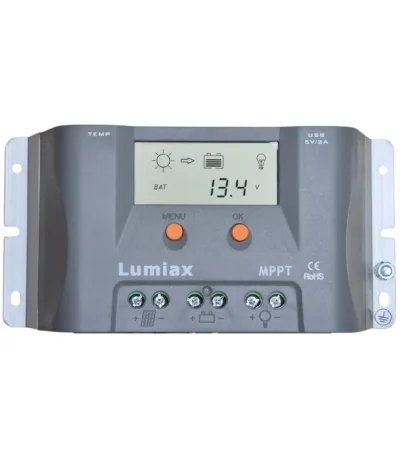
CWORTH CE-PWM-50A 50A PWM charge controller
Original price was: ₦36,000.00.₦35,000.00Current price is: ₦35,000.00.Reliable Control for Solar Power Systems
The 50A PWM Controller is designed to regulate charging current from compatible solar panels to a battery bank. It helps manage the charging process and supports the operation of a correctly designed solar power system.
PWM technology adjusts the connection between the solar panel and battery during charging. As a result, it can provide a straightforward charging solution when the panel voltage and battery voltage are appropriately matched.
However, a controller’s rated current does not determine the full capacity of a solar installation. The supported battery voltage, maximum PV input voltage, panel power limits, and battery charging requirements also matter. Always confirm these specifications before selecting the equipment.
Flexible Use for Everyday Energy Needs
This controller may suit off-grid installations, cabins, lighting systems, and other compatible solar applications. It can help charge batteries that store energy for later use. The stored power can then supply suitable equipment through the appropriate electrical system.
Furthermore, the 50A rating may be useful when planning a system that needs a higher charging-current rating than a smaller controller provides. However, the actual charging performance depends on sunlight, panel output, battery condition, wiring, and system configuration.
For better results, calculate the expected charging current from your solar array. Then compare it with the controller’s rated capacity and the manufacturer’s limits. Also, check whether the controller supports your battery chemistry and its required charging settings.
How to Choose the Right Controller
Before buying a 50A PWM Controller, review the technical specifications carefully. Confirm the supported battery voltage, maximum solar input voltage, permitted PV power, and compatible battery types. Do not assume these values from the 50A rating alone.
You should also consider the difference between PWM and MPPT technology. PWM controllers can be suitable for systems with appropriately matched panel and battery voltages. MPPT controllers can often capture more available solar power when the panel’s operating voltage is significantly higher than the battery voltage.
Finally, use correctly sized cables and suitable electrical protection. Ensure that every connection follows the product manual. If you are unsure about the system design, consult a qualified solar installer.
With suitable panels, a compatible battery, and correct installation, the 50A PWM Controller can help regulate charging for everyday solar power applications.
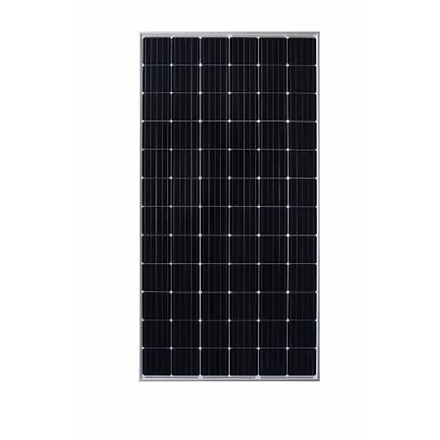
CWORTH CEM3500 3.5kVA hybrid inverter
Original price was: ₦431,000.00.₦430,000.00Current price is: ₦430,000.00.Flexible Hybrid Inverter for Home and Business
1. Convenient Electricity Conversion
The CWORTH CEM3500 3.5kVA hybrid inverter provides a power conversion option for compatible solar and battery installations. It converts DC electricity into AC electricity so that supported household and business appliances can operate.
For example, a properly configured system may supply lighting, fans, communication devices, and other suitable electrical equipment. This makes it worth considering for properties that want a backup solution or plan to use solar energy.
However, the total connected load must remain within the inverter’s specified limits. Before purchasing, calculate the power requirements of your essential appliances. Also, consider the starting current of equipment that uses motors.
2. Make Better Use of Solar Energy
A compatible solar installation can help users generate electricity from sunlight during the day. The inverter’s supported charging and energy-management features determine how solar power is used and whether excess energy can charge a connected battery.
Furthermore, solar power can help reduce grid consumption when the system produces enough electricity for connected loads. The amount saved will vary according to weather, installation quality, electricity prices, and daily usage patterns.
For better results, install solar panels in a location with suitable sunlight exposure. Avoid unnecessary shading and follow the manufacturer’s guidance for cleaning and inspection.
Always verify the inverter’s solar input specifications before connecting panels. Voltage, current, and total array power must remain within the permitted range.
3. Dependable Backup with Proper Planning
A compatible battery system can provide stored energy when solar production is insufficient or another supported power source is unavailable. This feature can improve flexibility for households and small workplaces that need electricity during interruptions.
Battery selection is important because capacity affects backup duration. Larger loads consume stored energy more quickly, while efficient appliances can help extend operating time.
In addition, proper wiring, ventilation, protection devices, and installation practices help support safe operation. Have a qualified technician check the system configuration before use.
The CWORTH CEM3500 3.5kVA hybrid inverter can suit a range of small-scale power projects when its specifications match the intended application. Review the technical manual, confirm component compatibility, and plan the system around your actual electricity needs.

CWORTH CEP3500 3.5kVA 24V hybrid inverter
Original price was: ₦446,000.00.₦445,000.00Current price is: ₦445,000.00.1. Convenient Electricity Conversion
The CWORTH CEP3500 3.5kVA 24V hybrid inverter offers a power conversion solution for compatible solar and battery installations. It converts DC electricity into AC electricity for supported appliances. This makes it an option for households and small businesses seeking a more flexible approach to power management.
A properly configured system may support lighting, fans, internet routers, computers, and other suitable devices. However, appliance compatibility depends on the inverter’s output specifications and the total connected load.
Before choosing this inverter, consider which appliances you need during normal operation and power interruptions. Calculate their combined consumption and check the starting requirements of equipment that uses motors. This simple step helps you plan a suitable installation.
2. Support for Solar Power Systems
Solar panels generate electricity from sunlight and can provide an alternative energy source for daily use. When the inverter supports the required solar input, it can work as part of a solar power installation.
Furthermore, solar generation may reduce grid electricity consumption during sunny periods. The actual benefit depends on panel capacity, weather conditions, system design, and how much electricity your property uses.
For reliable performance, check the inverter’s technical documentation before selecting solar panels. The array must meet the specified voltage, current, and power limits. In addition, installers should consider panel orientation, shading, cable sizing, and appropriate electrical protection.
Careful planning helps ensure that the complete system works within its designed operating range.
3. Suitable Battery Selection and Backup Planning
The 24V battery configuration is an important consideration when building a compatible backup system. Choose a battery type and capacity approved for the inverter. Correct matching helps the equipment operate within its intended limits.
Backup duration depends on usable battery energy and the power drawn by connected appliances. Therefore, prioritise essential devices if you want to extend backup time. Avoid connecting loads that exceed the inverter’s rated capacity.
Moreover, proper installation can improve safety and reliability. A qualified technician should check connections, protective devices, ventilation, and the complete system configuration before operation.
The CWORTH CEP3500 3.5kVA 24V hybrid inverter can be considered for small-scale solar and backup projects when its technical specifications meet the user’s needs. Review the manufacturer’s manual, select compatible components, and plan around your expected electricity consumption.
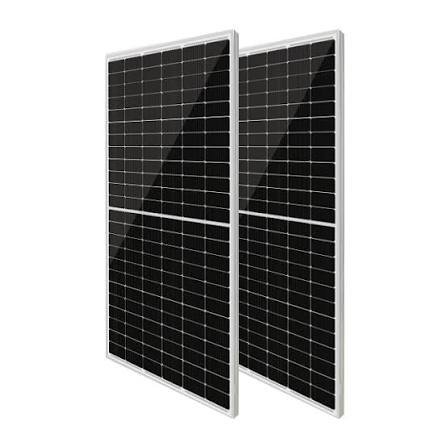
CWORTH CEP5500 5.5kVA 48V hybrid inverter
Original price was: ₦571,000.00.₦570,000.00Current price is: ₦570,000.00.Flexible 5.5kVA Hybrid Inverter
Convenient Power Conversion for Daily Needs
The CWORTH CEP5500 5.5kVA 48V hybrid inverter provides a power conversion option for compatible solar and battery installations. It converts DC electricity into AC electricity so supported appliances can operate within the equipment’s limits.
This type of inverter may suit households, offices, retail shops, and other properties with moderate electricity requirements. Depending on the complete system design, it may support lighting, fans, computers, televisions, and selected household appliances.
However, a higher power rating does not mean every appliance can operate together without limits. Check the total running load and starting requirements before connecting equipment. This step helps prevent overloading and supports dependable operation.
Make Better Use of Solar Electricity
Solar panels can provide electricity from sunlight during the day. When the inverter supports the selected panel configuration, it can help manage solar energy for compatible loads and other supported system functions.
Furthermore, using solar energy may reduce grid consumption when production meets part of the property’s electricity demand. The potential savings depend on sunlight, panel capacity, household usage, and local electricity prices.
Before purchasing solar panels, review the inverter’s technical specifications. Confirm the permitted solar input voltage, maximum current, and total photovoltaic capacity. These details help installers design a suitable array.
In addition, place the panels where they receive sufficient sunlight. Avoid unnecessary shading, use appropriate mounting equipment, and follow the manufacturer’s maintenance recommendations.
Battery Storage and Reliable System Design
The 48V battery configuration is an important part of this inverter’s system requirements. Select a compatible battery type and capacity according to the manufacturer’s guidance. A correctly matched battery can store electricity for use when solar generation is low or another supported power source is unavailable.
Battery capacity affects backup time. Therefore, identify essential appliances and estimate their energy consumption before selecting a battery. Efficient devices and sensible load management can help make stored energy last longer.
For safe installation, use correctly sized cables, suitable protective devices, and proper ventilation where required. A qualified technician should check the complete system before use.
The CWORTH CEP5500 5.5kVA 48V hybrid inverter is an option for users planning a solar and backup power solution. By matching the inverter with compatible equipment and realistic energy requirements, you can build a system designed for practical everyday use.
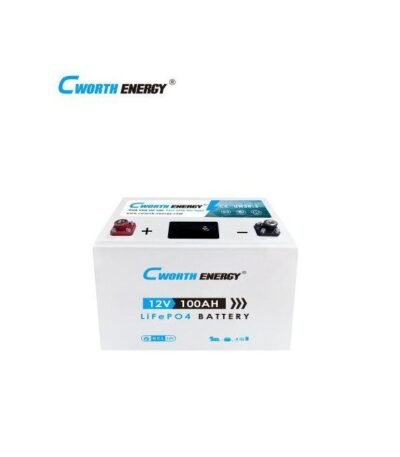
CWORTH LBW-24300C 24V 300Ah 7.5kWh lithium battery
Original price was: ₦1,151,000.00.₦1,150,000.00Current price is: ₦1,150,000.00.CWORTH 300Ah Lithium Battery for Home and Commercial Backup
The CWORTH LBW-24300C 24V 300Ah 7.5kWh lithium battery is designed for compatible energy storage systems. Its 24V nominal voltage and 300Ah capacity provide approximately 7.5kWh of nominal stored energy.
The 300Ah Lithium Battery can store electricity for use during power interruptions or periods of low solar production. As a result, it can help households and businesses manage their energy needs more effectively.
High-Capacity Energy Storage
Battery capacity plays an important role in backup performance. With approximately 7.5kWh of nominal energy, this battery offers storage for suitable electrical loads.
For example, it may supply power to lighting, fans, networking equipment, and other essential appliances through a compatible inverter. However, the actual runtime depends on power consumption, inverter efficiency, and usable battery capacity.
Designed for Compatible 24V Equipment
The 24V configuration makes this battery suitable for compatible 24V energy storage systems. Before purchasing, confirm that your inverter supports the battery’s voltage range and chemistry.
Also, review the recommended charging current and any communication requirements. Correct configuration helps support efficient charging and reliable energy delivery.
Ideal for Solar and Backup Applications
The CWORTH LBW-24300C can be considered for homes, offices, small businesses, and off-grid installations. It can store surplus solar electricity for later use.
Moreover, a correctly sized solar array can help recharge the battery during daylight hours. This approach can improve the use of available solar energy and support backup planning.
Safe Installation and System Compatibility
Proper installation is essential for battery performance. Use compatible charging equipment, appropriate cables, and suitable electrical protection.
Additionally, follow the manufacturer’s instructions for operating temperature, mounting, and maintenance. Professional installation can help prevent wiring errors and improve overall system safety.
Choose the Right Storage Capacity
The CWORTH 24V 300Ah 7.5kWh lithium battery offers a practical option for energy storage systems that require a larger capacity. Its rated energy can help support everyday electrical needs when paired with suitable equipment.
Before purchasing, compare your expected electricity consumption with the battery’s usable capacity. This will help you determine whether the battery meets your backup requirements.

CWORTH LBW-24400C 24V 400Ah 10kWh lithium battery
Original price was: ₦1,651,000.00.₦1,650,000.00Current price is: ₦1,650,000.00.CWORTH 400Ah Lithium Battery for Home and Commercial Backup
The CWORTH LBW-24400C 24V 400Ah 10kWh lithium battery is designed for compatible energy storage systems. Its 24V nominal voltage and 400Ah rated capacity provide 10kWh of nominal energy.
The 400Ah Lithium Battery can store electricity for use when the main power supply is unavailable. It can also help households and businesses make better use of solar energy. As a result, it is a practical option for systems that require a larger storage capacity.
High-Capacity Battery Performance
Battery capacity plays an important role in backup power planning. With 10kWh of nominal energy, this battery can support suitable electrical loads for a period determined by their consumption.
For example, it may power lights, fans, networking equipment, and other essential appliances through a compatible inverter. However, actual runtime varies with inverter efficiency, usable capacity, and the total connected load.
Designed for Compatible 24V Systems
The 24V configuration allows the battery to be used with compatible 24V equipment. Before purchasing, confirm that your inverter supports the battery’s chemistry and operating voltage.
Also, check the recommended charging current and communication requirements. Correct configuration helps support efficient charging and reliable energy delivery.
Suitable for Solar Energy Storage
The CWORTH LBW-24400C can be considered for residential solar systems, offices, and selected commercial installations. It can store surplus electricity generated by compatible solar panels for later use.
Moreover, a properly sized solar array can help recharge the battery during daylight hours. This can improve solar energy usage and provide greater flexibility in managing electricity consumption.
Installation and Safety Considerations
Correct installation helps protect the battery and connected equipment. Use suitable cables, compatible charging equipment, and appropriate electrical protection.
Additionally, follow the manufacturer’s guidance for mounting, operating temperature, and maintenance. Professional installation can help reduce wiring errors and improve system safety.
Choose the Right Battery Capacity
The CWORTH 24V 400Ah 10kWh lithium battery offers a practical energy storage option for users with higher backup requirements. Its capacity can support a range of electrical applications when paired with compatible equipment.
Before purchasing, compare your daily energy consumption with the battery’s usable capacity. This helps you determine whether it can meet your expected backup duration.
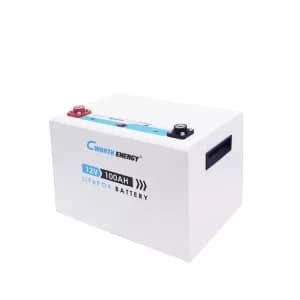
CWORTH LBW-48100C 48V 100Ah 5kWh lithium battery
Original price was: ₦946,000.00.₦945,000.00Current price is: ₦945,000.00.CWORTH 100Ah Lithium Battery for Home Backup Power
The CWORTH LBW-48100C 48V 100Ah 5kWh lithium battery is designed for compatible solar and backup power systems. Its 48V nominal voltage and 100Ah rated capacity provide approximately 5kWh of nominal energy storage.
The 100Ah Lithium Battery can store electricity for use during power interruptions or periods of low solar production. As a result, it helps users manage energy consumption and make better use of available solar power.
Practical Capacity for Daily Energy Needs
Battery capacity determines how much energy a system can store. With approximately 5kWh of nominal energy, this battery can supply suitable electrical loads through a compatible inverter.
For example, it may support lighting, fans, networking devices, and other essential appliances. However, actual runtime varies according to power consumption, inverter efficiency, and usable battery capacity.
Designed for 48V Solar Inverters
The 48V configuration allows the battery to work with compatible 48V equipment. Before purchasing, confirm that your inverter supports the battery chemistry and operating voltage.
Moreover, review the charging profile and communication requirements. Correct configuration helps support efficient charging and reliable system operation.
Suitable for Homes and Small Businesses
The CWORTH LBW-48100C can be considered for residential solar installations, offices, and selected off-grid applications. It stores surplus solar electricity that can be used when needed.
In addition, a properly sized solar array can help recharge the battery during daylight hours. This can improve solar energy use and provide greater flexibility during power interruptions.
Safe Installation and Compatibility
Proper installation is essential for battery performance. Use compatible charging equipment, appropriate cables, and suitable electrical protection.
Also, follow the manufacturer’s instructions for installation conditions, operating temperature, and maintenance. Professional installation can help reduce wiring errors and improve system safety.
Choose the Right Energy Storage System
The CWORTH 48V 100Ah 5kWh lithium battery offers a practical storage option for users who need backup power in compatible systems. Its capacity can support everyday electrical needs when the complete system is correctly sized.
Before purchasing, compare your expected electricity consumption with the battery’s usable capacity. This helps you determine whether it meets your backup requirements.
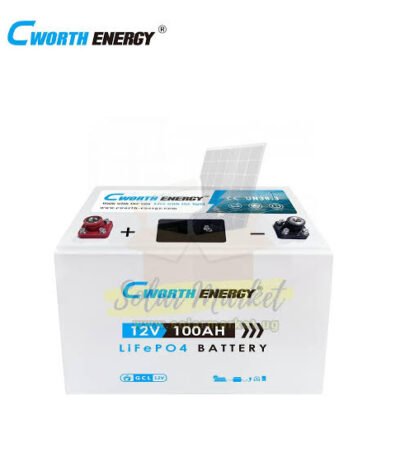
CWORTH LBW-48150C 48V 150Ah 7.5kWh lithium battery
Original price was: ₦1,251,000.00.₦1,250,000.00Current price is: ₦1,250,000.00.CWORTH 150Ah Lithium Battery for Home and Commercial Backup
The CWORTH LBW-48150C 48V 150Ah 7.5kWh lithium battery is designed for compatible solar and backup power systems. Its 48V nominal voltage and 150Ah rated capacity provide approximately 7.5kWh of nominal energy storage.
The 150Ah Lithium Battery can store electricity for use during power interruptions or periods of low solar production. As a result, it helps users manage energy consumption and make better use of available solar power.
Practical Capacity for Daily Energy Needs
Battery capacity determines how much energy a system can store. With approximately 7.5kWh of nominal energy, this battery can supply suitable electrical loads through a compatible inverter.
For example, it may support lighting, fans, networking devices, and other essential appliances. However, actual runtime varies according to power consumption, inverter efficiency, and usable battery capacity.
Designed for 48V Solar Inverters
The 48V configuration allows the battery to work with compatible 48V equipment. Before purchasing, confirm that your inverter supports the battery chemistry and operating voltage.
Moreover, review the charging profile and communication requirements. Correct configuration helps support efficient charging and reliable system operation.
Suitable for Homes and Businesses
The CWORTH LBW-48150C can be considered for residential solar installations, offices, and selected off-grid applications. It stores surplus solar electricity that can be used when needed.
In addition, a properly sized solar array can help recharge the battery during daylight hours. This can improve solar energy use and provide greater flexibility during power interruptions.
Safe Installation and Compatibility
Proper installation is essential for battery performance. Use compatible charging equipment, appropriate cables, and suitable electrical protection.
Also, follow the manufacturer’s instructions for installation conditions, operating temperature, and maintenance. Professional installation can help reduce wiring errors and improve system safety.
Choose the Right Energy Storage System
The CWORTH 48V 150Ah 7.5kWh lithium battery offers a practical storage option for users who need greater backup capacity in compatible systems. Its capacity can support everyday electrical needs when the complete system is correctly sized.
Before purchasing, compare your expected electricity consumption with the battery’s usable capacity. This helps you determine whether it meets your backup requirements.