


BICODI BRAND

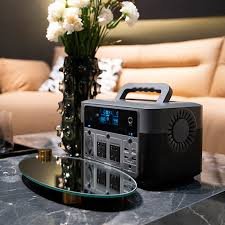
BICODI MacroX700 700W MPPT Portable Power Station
Original price was: ₦390,000.00.₦380,000.00Current price is: ₦380,000.00.MPPT Solar Charging and Flexible Energy Storage
Recharge with Compatible Solar Panels
The BICODI MacroX700 700W MPPT Portable Power Station supports solar charging through a compatible photovoltaic panel. This feature can be useful during camping, outdoor work, and travel when mains electricity is not readily available.
MPPT stands for Maximum Power Point Tracking. This technology helps a compatible charging system draw useful power from a solar panel as sunlight conditions change. Actual charging performance depends on sunlight intensity, panel specifications, temperature, and the station’s supported input limits.
Manufacturer information for the related BD-700A model lists solar input support up to 100W. Confirm that this specification applies to your exact MacroX700 unit before choosing a solar panel. Check the permitted input voltage, current, connector, and polarity as well.
Always use compatible charging accessories and follow the manufacturer’s instructions. Solar charging speed varies with weather, panel placement, and available sunlight. For convenience, charge the station before travelling and use solar input when conditions permit.
Battery Capacity and Appliance Compatibility
The related BD-700A model is listed with a 710.4Wh lithium-ion battery and a 700W rated AC output. These specifications provide a useful starting point for planning portable power, but you should confirm that they match the exact MacroX700 version being sold.
A battery’s stored energy does not equal the energy available to every connected device. Inverter losses and other operating factors reduce usable energy. As a result, runtime varies depending on the load and operating conditions.
The AC output is listed as a pure sine wave for the related model. This waveform suits many compatible electronic devices, but you should still check each appliance’s requirements. Do not exceed the continuous rated output or assume every appliance below 700W will work. Devices with motors or heating elements may require extra power at startup.
For best results, check the product label and official datasheet before connecting equipment. This helps ensure that voltage, wattage, and connection requirements match.
Choose the Right Portable Power Station
When choosing a portable power station, consider battery capacity, rated output, charging methods, available ports, and portability. These factors help determine whether the unit fits your intended use.
First, list the devices you want to power. Next, check their wattage and estimate how many hours they need to operate. Then, compare your estimated energy needs with the confirmed usable battery capacity. This process helps you avoid choosing a unit that is too small for your requirements.
Solar charging can provide extra flexibility during outdoor trips. However, the panel must remain within the power station’s supported input limits. Confirm the solar input rating before buying additional accessories.
The BICODI MacroX700 700W MPPT Portable Power Station may suit users who need portable power for compatible electronics and selected low-power appliances. For larger loads or extended backup, consider a higher-capacity model.
Before purchasing, request the official MacroX700 datasheet. Confirm its battery capacity, rated output, solar input limits, AC voltage, port configuration, and warranty. This ensures that the product matches your power needs.

BICODI Off-Grid 5kW Solar Inverter
Original price was: ₦530,000.00.₦520,000.00Current price is: ₦520,000.00.Unmatched Off-Grid Power and Grid Freedom
Take full control over your property’s electrical supply with the BICODI Off-Grid Solar Inverter 8kW. In remote locations or areas with frequent blackouts, standard power setups fail to meet heavy energy demands. Fortunately, this high-performance Off-Grid Solar Inverter acts as a primary energy hub for your property.
It processes high solar panel input voltages to run active home loads directly during daylight hours. Excess solar power charges your connected battery bank for nighttime consumption. In short, this Off-Grid Solar Inverter turns raw solar energy into dependable daily electricity.
Smart Load Optimization and Financial Savings
Reducing your total electrical utility bills becomes simple with this intelligent system. The Off-Grid Solar Inverter prioritizes renewable solar power over grid electricity whenever sunlight is available. During peak energy pricing hours, it uses stored battery energy to power your property appliances.
As a result, you avoid expensive electricity utility rates and reduce monthly operational expenses significantly. Furthermore, super-fast automatic transfer switches detect grid cuts in milliseconds. Desktop computers, internet routers, and security cameras stay active without rebooting during sudden power failures.
Heavy-Duty Construction for Long Service Life
Engineered for demanding environmental conditions, this Off-Grid Solar Inverter features a heavy-duty protective metal cabinet. The durable casing shields delicate internal electrical components from dust and physical wear. Advanced internal circuit layouts reduce heat dissipation, keeping power conversion efficiency exceptionally high.
Additionally, reverse-current protection prevents stored battery power from leaking out during dark nighttime hours. The ultra-quiet operation makes it ideal for residential installations. Investing in this Off-Grid Solar Inverter guarantees reliable power backup and long-term operating performance.
Eco-Friendly Energy Transition Made Simple
Integrating this modern Off-Grid Solar Inverter reduces your overall dependence on noisy, polluting fossil fuel generators. It delivers clean and silent renewable energy management, helping lower your property carbon footprint.
Accessible wiring terminals allow installers to connect solar array inputs and battery leads cleanly. Diagnostic indicators display immediate operational status at a single glance. Furthermore, its expandable setup options allow future energy system upgrades. Choosing the BICODI Off-Grid Solar Inverter provides reliable, cost-effective, and sustainable electricity for many years.

BICODI Off-Grid 8kW Solar Inverter
Original price was: ₦860,000.00.₦850,000.00Current price is: ₦850,000.00.Unmatched Off-Grid Power and Grid Freedom
Take full control over your property’s electrical supply with the BICODI Off-Grid Solar Inverter 8kW. In remote locations or areas with frequent blackouts, standard power setups fail to meet heavy energy demands. Fortunately, this high-performance Off-Grid Solar Inverter acts as a primary energy hub for your property.
It processes high solar panel input voltages to run active home loads directly during daylight hours. Excess solar power charges your connected battery bank for nighttime consumption. In short, this Off-Grid Solar Inverter turns raw solar energy into dependable daily electricity.
Smart Load Optimization and Financial Savings
Reducing your total electrical utility bills becomes simple with this intelligent system. The Off-Grid Solar Inverter prioritizes renewable solar power over grid electricity whenever sunlight is available. During peak energy pricing hours, it uses stored battery energy to power your property appliances.
As a result, you avoid expensive electricity utility rates and reduce monthly operational expenses significantly. Furthermore, super-fast automatic transfer switches detect grid cuts in milliseconds. Desktop computers, internet routers, and security cameras stay active without rebooting during sudden power failures.
Heavy-Duty Construction for Long Service Life
Engineered for demanding environmental conditions, this Off-Grid Solar Inverter features a heavy-duty protective metal cabinet. The durable casing shields delicate internal electrical components from dust and physical wear. Advanced internal circuit layouts reduce heat dissipation, keeping power conversion efficiency exceptionally high.
Additionally, reverse-current protection prevents stored battery power from leaking out during dark nighttime hours. The ultra-quiet operation makes it ideal for residential installations. Investing in this Off-Grid Solar Inverter guarantees reliable power backup and long-term operating performance.
Eco-Friendly Energy Transition Made Simple
Integrating this modern Off-Grid Solar Inverter reduces your overall dependence on noisy, polluting fossil fuel generators. It delivers clean and silent renewable energy management, helping lower your property carbon footprint.
Accessible wiring terminals allow installers to connect solar array inputs and battery leads cleanly. Diagnostic indicators display immediate operational status at a single glance. Furthermore, its expandable setup options allow future energy system upgrades. Choosing the BICODI Off-Grid Solar Inverter provides reliable, cost-effective, and sustainable electricity for many years.
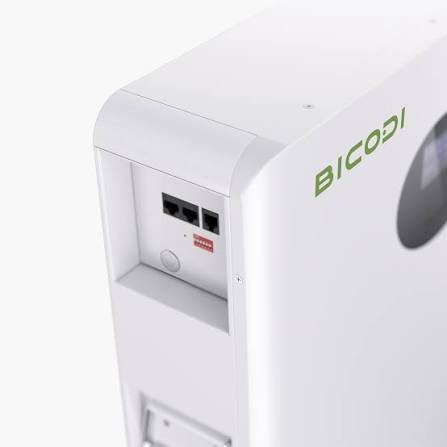
BICODI Rack-Mount 10kWh Lithium Battery
Original price was: ₦2,150,000.00.₦2,050,000.00Current price is: ₦2,050,000.00.Flexible Energy Storage for Solar Systems
Make Better Use of Solar Electricity
Solar panels generate electricity according to sunlight conditions. During the day, a solar system may produce energy that the property does not need immediately. A compatible battery can store some of that available energy for use later.
The BICODI Rack-Mount 10kWh Lithium Battery is an option to explore when comparing residential energy storage solutions. In a suitable installation, stored electricity may help power selected appliances during the evening or when solar generation decreases. This can help households use more of their self-generated solar energy.
A battery may also support backup loads during a power interruption when the inverter and electrical installation provide a suitable backup function. However, backup operation is not automatic. It depends on the inverter, system wiring, battery charge, and connected appliances.
For this reason, identify the essential devices you want to keep running during an outage. Estimate their combined energy consumption and compare it with the battery’s usable capacity. This process provides a more realistic understanding of potential backup duration.
Check Battery and Inverter Compatibility
Compatibility is essential for safe and effective battery operation. The battery must meet the inverter’s electrical requirements and support the necessary communication functions. The charging equipment must also operate within the battery manufacturer’s specified limits.
Before ordering the BICODI Rack-Mount 10kWh Lithium Battery, confirm its nominal voltage, usable energy, maximum charge and discharge current, and supported inverter models. Also, check the battery management system requirements and any communication cables needed for installation.
If you plan to connect multiple batteries, verify that the exact model supports the proposed configuration. Check the maximum number of units, approved connection methods, and any restrictions on combining different battery models. In addition, make sure the rack or cabinet meets the product’s physical installation requirements.
Professional installation can help ensure correct wiring and suitable electrical protection. Always follow the manufacturer’s installation and commissioning instructions.
Select Storage That Meets Your Needs
The right battery capacity depends on your electricity consumption, solar generation, and backup goals. For example, a system designed for lighting, networking equipment, and small electronics may need less energy than one intended to support refrigerators, pumps, or cooling equipment.
The BICODI Rack-Mount 10kWh Lithium Battery may suit buyers comparing larger storage options for compatible solar or backup systems. Start by reviewing your electricity bills and listing the appliances you want to operate. Next, estimate their energy use and compare it with the battery’s verified usable capacity and output limits.
You should also consider the complete installation cost. An inverter, battery rack, cables, protection devices, and professional installation may affect your total budget. Check the warranty terms and availability of technical support before making a final decision.
With careful planning, you can choose an energy storage solution that matches your requirements. Always confirm the exact specifications with the supplier or official product datasheet before purchasing.

BICODI Rack-Mount 15kWh Lithium Battery
Original price was: ₦3,000,000.00.₦2,900,000.00Current price is: ₦2,900,000.00.Practical Lithium Battery for Solar Storage
Improve Your Use of Solar Electricity
Solar power can help households generate electricity from sunlight. However, energy production changes with weather conditions and time of day. A compatible battery can store available electricity and make it accessible when solar generation is lower.
The BICODI Rack-Mount 15kWh Lithium Battery is an option to explore when comparing residential energy storage solutions. In a suitable installation, stored electricity may support selected household appliances during the evening or during periods of reduced solar production. This can help homeowners make better use of their solar energy.
Battery storage may also support backup loads during a power outage if the inverter and electrical system include the required backup functionality. However, a battery does not automatically supply electricity to every circuit. Actual performance depends on the battery’s charge level, inverter output, system design, and connected loads.
For this reason, decide which appliances are essential during a power interruption. Estimate their energy requirements and compare them with the battery’s usable capacity. This will help you set realistic expectations for backup performance.
Verify Compatibility Before Installation
Compatibility is essential for safe and reliable battery operation. The battery must meet the inverter’s voltage requirements and support the necessary communication functions. In addition, the charging equipment must follow the battery manufacturer’s operating limits.
Before ordering the BICODI Rack-Mount 15kWh Lithium Battery, confirm its nominal voltage, usable energy, maximum charge and discharge current, and supported inverter models. Check the battery management system requirements and the communication interface as well.
If you intend to connect multiple batteries, verify that the exact model supports the planned configuration. Confirm the permitted number of units and any restrictions on mixing different battery models. You should also check the required rack dimensions, cables, and protective devices.
Professional installation can help ensure that the system follows the manufacturer’s instructions. A qualified installer can assess wiring, mounting, electrical protection, and commissioning requirements before the system is switched on.
Choose Storage That Matches Your Requirements
The right battery capacity depends on your electricity consumption and backup goals. For example, lights, fans, and networking equipment generally use less energy than air conditioners, pumps, and other high-power appliances. Consequently, backup duration varies according to the devices connected to the system.
The BICODI Rack-Mount 15kWh Lithium Battery may suit buyers comparing higher-capacity storage options for compatible solar installations. Start by reviewing your electricity bills and listing the appliances you need to operate. Next, estimate their expected energy use and compare it with the battery’s verified usable capacity and discharge limits.
It is also important to calculate the complete installation cost. An inverter, rack or cabinet, wiring, safety equipment, and professional installation may increase the total budget. Review the warranty coverage and technical support available from the supplier before purchasing.
By planning carefully, you can choose a battery that fits your energy needs and installation requirements. Always confirm the exact product specifications with the official datasheet before making a final decision.
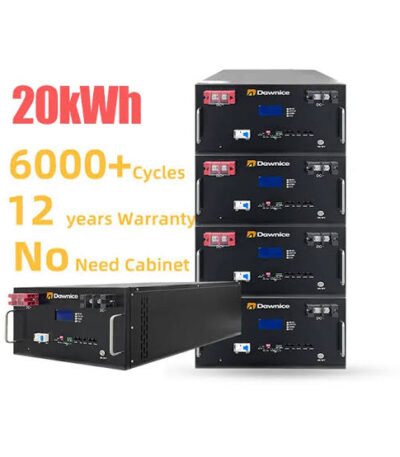
BICODI Rack-Mount 20kWh Lithium Battery
Original price was: ₦3,950,000.00.₦3,850,000.00Current price is: ₦3,850,000.00.Practical Energy Storage for Solar Systems
Make Better Use of Solar Electricity
Solar energy can help households generate electricity from sunlight. However, production changes with weather conditions and time of day. A compatible battery can store available electricity and make it accessible when solar generation decreases.
The BICODI Rack-Mount 20kWh Lithium Battery is an option to explore when comparing larger-capacity energy storage solutions. In a suitable installation, stored electricity may support selected appliances in the evening or during periods of reduced solar production. This can help households manage their electricity consumption more effectively.
Battery storage may also support backup power during an outage when the inverter and electrical installation include the required backup functionality. However, a battery alone does not guarantee whole-house backup. Actual performance depends on the battery’s charge level, inverter output, connected loads, and overall system design.
Before choosing your system, list the appliances you want to operate during a power interruption. Estimate their combined energy use and determine whether the battery’s usable capacity meets your needs. This approach provides a more realistic estimate of backup performance.
Check Compatibility and Installation Requirements
Compatibility is essential for reliable battery operation. The battery must match the inverter’s voltage requirements and support the necessary charging and communication functions. In addition, all components must operate within their specified limits.
Before ordering the BICODI Rack-Mount 20kWh Lithium Battery, confirm its nominal voltage, usable energy, maximum charging current, discharge ratings, and supported inverter models. Check the battery management system requirements and the manufacturer’s approved connection methods as well.
If you plan to connect multiple batteries, verify that the exact model supports the proposed configuration. Confirm the maximum permitted number of units and whether different battery models can be combined. Also, check rack dimensions, connection cables, and required protective devices.
Professional installation can help ensure correct wiring and suitable electrical protection. Follow the manufacturer’s instructions for mounting, operating conditions, commissioning, and maintenance. These steps can help reduce avoidable installation problems.
Choose Storage That Fits Your Energy Needs
The right battery depends on your daily electricity use and backup goals. For example, lights, fans, and networking equipment generally consume less energy than air conditioners, pumps, or other high-power appliances. Consequently, backup duration can vary significantly between properties.
The BICODI Rack-Mount 20kWh Lithium Battery may suit buyers comparing higher-capacity storage for compatible solar installations. Start by reviewing your electricity bills and identifying essential appliances. Next, estimate their expected energy consumption and compare it with the battery’s verified usable capacity and discharge limits.
You should also consider the complete installation budget. The inverter, battery rack, cables, safety devices, and professional installation may affect the final cost. Before purchasing, review the warranty, technical support, and availability of compatible accessories.
By assessing these factors, you can make a more informed decision about your energy storage system. Always verify the exact product specifications with the official datasheet or supplier before purchase.
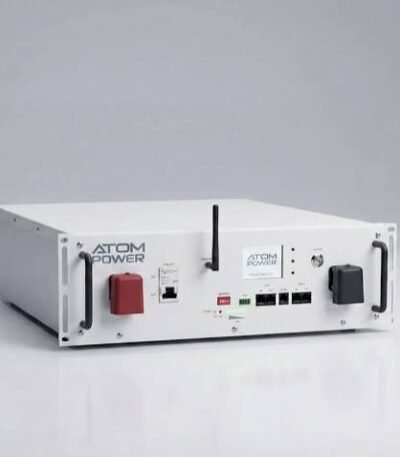
BICODI Rack-Mount 5kWh Lithium Battery
Original price was: ₦1,220,000.00.₦1,120,000.00Current price is: ₦1,120,000.00.Practical Lithium Battery for Solar Systems
Improve Your Solar Energy Management
Solar energy production changes with sunlight conditions. During sunny periods, solar panels may generate more electricity than a property needs immediately. A compatible battery can store available energy and make it accessible when production decreases.
The BICODI Rack-Mount 5kWh Lithium Battery is an option to consider when comparing compact battery storage solutions. In a suitable solar installation, stored energy may help power selected appliances after sunset or during periods of lower solar generation. This can help households manage their electricity use more efficiently.
Battery storage can also support backup applications when the inverter and electrical system are configured for that purpose. However, a battery does not automatically provide backup to every circuit. The available power and operating time depend on battery charge, inverter output, connected loads, and system settings.
For this reason, decide which appliances are most important during a power interruption. Calculate their expected energy use and check whether a 5kWh battery meets your requirements. This step helps you select a suitable storage capacity instead of relying on capacity figures alone.
Check Voltage and Inverter Compatibility
Compatibility is essential when choosing a lithium battery. The battery must meet the inverter’s voltage requirements and support the required charging and communication functions. Incorrect equipment combinations can affect system operation and may create safety risks.
Before ordering the BICODI Rack-Mount 5kWh Lithium Battery, confirm the nominal voltage, usable energy, maximum charge and discharge current, and supported inverter models. You should also review the battery management system requirements and the manufacturer’s approved connection methods.
If you intend to connect multiple batteries, confirm that the exact model supports the planned configuration. Check whether additional units require specific cables, communication settings, or protective devices. Furthermore, verify the rack dimensions and mounting arrangement to ensure that the equipment fits the intended installation space.
Professional installation can help ensure that the battery operates within its specified limits. Follow the manufacturer’s instructions for wiring, mounting, environmental conditions, and commissioning.
Choose Storage for Your Power Requirements
The best battery depends on your daily electricity use and backup goals. For example, a system designed for lighting and networking equipment may have different requirements from one intended to operate refrigerators, pumps, or cooling equipment. Therefore, assess both the total energy needed and the power required to start and run your appliances.
The BICODI Rack-Mount 5kWh Lithium Battery may suit buyers who need a compact storage option for a compatible solar or backup system. Start by reviewing your electricity consumption and identifying essential loads. Then compare your estimated requirements with the battery’s verified usable capacity and discharge limits.
You should also consider the full system cost. An inverter, rack or cabinet, wiring, protection equipment, and installation may add to the purchase price. Check the warranty and available technical support as well.
By planning carefully, you can choose a battery that fits your installation and energy requirements. Always confirm the exact technical specifications with the supplier or official product datasheet before purchasing.
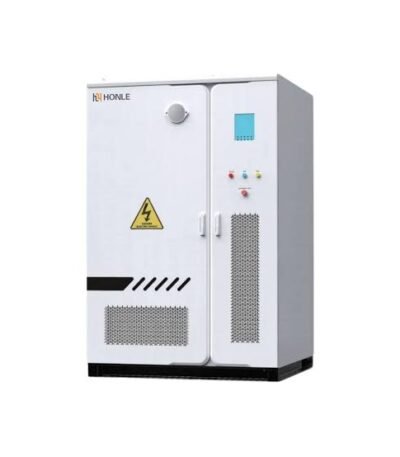
BICODI Solar ESS Cabinet 10kWh
Original price was: ₦2,200,000.00.₦2,100,000.00Current price is: ₦2,100,000.00.A Practical 10kWh Solar Energy Storage Solution
The BICODI Solar ESS Cabinet 10kWh offers a practical option for storing electricity in compatible solar energy systems. Its nominal 10kWh capacity provides a starting point for planning energy storage in homes, offices, and suitable small commercial installations.
Solar power can help reduce dependence on grid electricity. However, solar generation varies with sunlight and weather conditions. A property may generate more electricity than it needs during the day but require additional power during the evening.
An energy storage cabinet helps bridge this gap by storing available electricity for later use. When connected to compatible equipment, it can make stored energy available as solar production decreases. This arrangement can improve the use of electricity generated by solar panels.
For example, a household may store surplus daytime solar energy and use it later for selected lights, electronics, or other compatible appliances. The actual results depend on the household’s consumption and the configuration of the complete system.
The cabinet-style format provides a dedicated enclosure for battery storage equipment. Before installation, buyers should confirm the required space, equipment dimensions, weight, and environmental conditions.
Furthermore, nominal capacity does not represent the exact amount of energy delivered to appliances. Usable capacity depends on battery limits, conversion efficiency, and system settings. Reviewing these factors helps buyers select a suitable storage solution.
System Compatibility and Battery Performance
Choosing an energy storage cabinet involves more than comparing its capacity. Buyers should also evaluate battery technology, electrical compatibility, monitoring capabilities, and installation requirements.
The BICODI Solar ESS Cabinet 10kWh should be assessed using its official product specifications. Confirm the exact battery chemistry and the protection features included with the supplied configuration. Where available, a battery management system can monitor battery conditions and provide protective functions.
Compatibility with the solar inverter is another important factor. Depending on the model configuration, additional power conversion equipment may be required. Therefore, check whether an inverter, cables, monitoring devices, and other accessories are included in the package.
The inverter’s rated output also affects performance. Even when sufficient energy remains in the battery, the system may not support high-power appliances if the inverter cannot supply the required load.
For safe operation, follow the manufacturer’s installation and maintenance instructions. Check the operating temperature range, electrical protection requirements, mounting conditions, and applicable safety standards.
By confirming these details before purchasing, users can improve system compatibility and plan their installation with greater confidence.
Flexible Energy Management for Daily Use
The BICODI Solar ESS Cabinet 10kWh may support energy management for homes and small businesses with suitable electrical infrastructure. It can help users store electricity when available and use it when their energy requirements change.
For instance, a solar-powered home may store excess electricity during daylight hours. Later, the stored energy may support selected household loads when solar generation is low. Businesses may also use battery storage to manage electricity consumption during selected periods.
Depending on local electricity tariffs and usage patterns, this arrangement may contribute to lower electricity costs. However, actual savings vary according to system efficiency, energy demand, charging schedules, and the cost of grid electricity.
The cabinet may also be considered for backup power applications. Buyers should confirm that the complete system supports backup operation and can safely power the intended appliances. Expected operating time depends on usable battery capacity and the connected load.
Before purchasing, evaluate your daily energy needs, peak power demand, warranty coverage, and future expansion plans. Ask the supplier to confirm the complete technical specifications.
With proper sizing and professional installation, a 10kWh energy storage system can help users improve solar energy utilization and manage their electricity supply more effectively.

BICODI Solar ESS Cabinet 15kWh
Original price was: ₦3,100,000.00.₦3,000,000.00Current price is: ₦3,000,000.00.A Practical 15kWh Solar Energy Storage Solution
The BICODI Solar ESS Cabinet 15kWh provides an option for projects that need to store electricity for later use. Its nominal 15kWh capacity can support energy storage planning for homes, offices, and suitable commercial installations.
Solar energy helps users generate electricity from sunlight. However, production levels change throughout the day, and electricity demand does not always follow the same pattern. A property may generate excess electricity at midday but require more power during the evening.
A compatible battery storage system helps bridge this gap. It stores available electricity and makes that energy available when solar production decreases. As a result, users can improve their use of generated solar power.
For example, a household with solar panels may store surplus daytime electricity for selected evening loads. A small business may use stored energy to support its electricity needs during periods of lower solar generation.
The actual performance depends on the system configuration and operating conditions. Buyers should therefore check the usable battery capacity rather than relying on the nominal rating alone.
The cabinet format also requires suitable installation space. Before choosing a location, confirm the equipment dimensions, weight, environmental limits, and electrical requirements. Proper planning helps ensure that the storage system suits the intended application.
Energy Storage Technology and System Integration
A suitable energy storage solution must work effectively with the rest of the electrical installation. The BICODI Solar ESS Cabinet 15kWh should therefore be evaluated according to its documented battery specifications and system compatibility.
Buyers should confirm the battery chemistry and the protection features provided with the product. Where included, a battery management system can monitor battery operating conditions and support protective functions within its designed limits.
Compatibility with the solar inverter is another important consideration. Some storage cabinets require a separate inverter or additional power conversion equipment. Therefore, buyers should confirm which components are included before making a purchase.
The inverter’s output rating also matters because it determines the power available to connected appliances. A storage system may contain enough energy for several hours of operation but still have limited ability to run multiple high-power appliances at once.
In addition, the installation must follow the manufacturer’s requirements for temperature, electrical protection, mounting, and maintenance. Professional installation can help ensure that the system works correctly with the property’s electrical infrastructure.
By reviewing these specifications, buyers can make informed decisions and avoid compatibility problems during installation.
Flexible Power Management for Everyday Needs
The BICODI Solar ESS Cabinet 15kWh may support different energy management goals in suitable residential and commercial settings. Its storage capacity can help users plan how to retain and use electricity when needed.
For example, a property can store excess solar electricity during productive daylight hours. Later, it may use the stored energy to support selected loads. Depending on electricity tariffs and consumption patterns, this approach may also contribute to better energy cost management.
The cabinet may be considered for backup applications when the complete installation supports that function. Buyers should verify the backup capability, required accessories, and compatible loads before relying on the system during a power outage.
To estimate the expected operating time, consider the usable battery capacity and the average power consumption of connected equipment. Actual results will vary because of conversion losses, battery settings, and changing loads.
Before purchasing, assess your daily energy needs, future expansion plans, warranty coverage, and installation requirements. Confirm all technical specifications with the supplier.
With suitable system design and correct installation, a 15kWh energy storage solution can help improve solar energy utilization and provide greater flexibility in managing electricity.
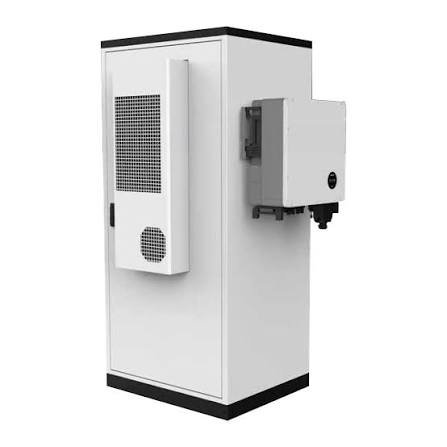
BICODI Solar ESS Cabinet 20kWh
Original price was: ₦4,100,000.00.₦4,000,000.00Current price is: ₦4,000,000.00.A Flexible Solar Energy Storage Solution
The BICODI Solar ESS Cabinet 20kWh offers an energy storage option for projects that need to retain electricity for later use. Its nominal 20kWh capacity can support solar energy storage planning for residential and commercial installations.
Solar energy can reduce dependence on electricity from the grid. However, solar generation does not always match electricity demand. Panels may produce surplus electricity during sunny periods, while energy consumption can continue into the evening or during cloudy weather.
A compatible battery storage system helps manage this difference. It stores available electricity and makes that energy available when solar production decreases. Therefore, users can make better use of the electricity generated by their solar panels.
For instance, a property with daytime solar generation may store excess energy for selected evening loads. The amount of energy available depends on the battery’s usable capacity, system efficiency, and operating settings.
The cabinet-style format provides a dedicated housing arrangement for energy storage equipment. Buyers should check the physical dimensions, installation space, operating conditions, and electrical requirements before selecting a suitable location.
Furthermore, the storage system should match the property’s energy needs. Reviewing electricity bills and daily consumption patterns can help determine whether a 20kWh nominal capacity is appropriate.
Efficient Storage and System Compatibility
Choosing an energy storage cabinet involves more than comparing battery capacity. The battery technology, control features, and compatibility with other equipment also matter.
The BICODI Solar ESS Cabinet 20kWh is intended for energy storage applications. Buyers should consult the official product specifications to confirm the exact battery chemistry and included components. They should also check whether the system supports their existing solar inverter or requires additional equipment.
A battery management system, where included, can monitor battery operating conditions and provide protective functions. Depending on the configuration, communication interfaces may help coordinate battery operation with compatible equipment.
In addition, inverter capacity determines how much power the system can deliver at one time. A battery with sufficient stored energy may still be unable to operate high-power appliances if the inverter’s output rating is too low.
Installation requirements also deserve attention. Check the manufacturer’s guidance for temperature limits, electrical protection, mounting, clearances, and maintenance. Professional installation can help ensure that the equipment works safely with the site’s electrical infrastructure.
By checking these factors before purchasing, buyers can make a more informed choice and plan an energy storage system that suits their application.
Practical Applications for Daily Power Needs
The BICODI Solar ESS Cabinet 20kWh may support different energy management goals when installed as part of a compatible system. Potential applications include homes with solar panels, offices, small commercial buildings, and other properties that benefit from storing electricity.
For residential users, stored solar energy may help support selected household loads when solar generation is low. For businesses, battery storage may provide greater flexibility in managing electricity consumption throughout the day.
Depending on the system design, the cabinet may also contribute to a backup power solution. However, users should confirm whether backup operation is supported and which additional components are necessary. Actual performance depends on usable battery capacity, inverter output, and connected equipment.
Energy savings also vary by installation. Local electricity prices, charging schedules, energy demand, and conversion losses all affect the financial benefits of battery storage.
Before purchasing, evaluate your energy requirements, expected backup duration, and plans for future expansion. Review the product warranty and technical documentation with the supplier as well.
With suitable planning and compatible equipment, a 20kWh energy storage system can help users improve solar energy utilization and manage electricity more effectively.
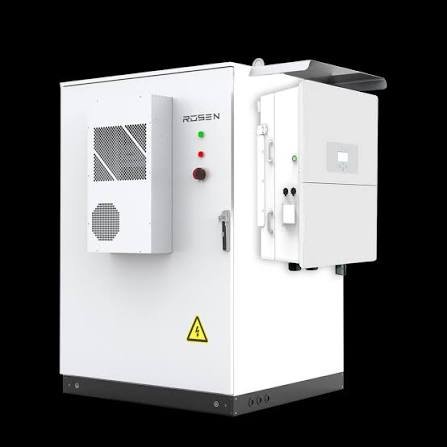
BICODI Solar ESS Cabinet 30kWh
Original price was: ₦5,810,000.00.₦5,800,000.00Current price is: ₦5,800,000.00.A Practical 30kWh Solar Energy Storage Solution
The BICODI Solar ESS Cabinet 30kWh offers a storage option for projects that need to retain electricity for use when required. Its nominal capacity of 30kWh can support energy storage planning for commercial buildings, solar installations, and other suitable applications.
Solar energy is a useful source of electricity, but generation depends on sunlight and weather conditions. As a result, solar panels may produce more electricity than a building needs at certain times. At other times, solar generation may fall below the building’s demand.
An energy storage cabinet can help manage this variation. When connected to a compatible solar and power management system, it can store available electricity and make that energy available later. This can help users use more of their generated solar power rather than relying entirely on immediate consumption.
The 30kWh capacity provides a starting point for evaluating the amount of energy a project may need to store. Nevertheless, the usable capacity may differ from the nominal rating. System losses, operating limits, and battery settings all influence the energy available to connected loads.
Before choosing this cabinet, assess your site’s daily electricity consumption and expected storage requirements. This step helps determine whether its capacity matches your operational needs.
Organized Storage and Reliable System Integration
A cabinet-style energy storage system provides a dedicated format for housing battery storage equipment. The BICODI Solar ESS Cabinet 30kWh can be evaluated for projects that require an organized battery installation and integration with existing or planned energy infrastructure.
The battery’s chemistry and control equipment are important factors when assessing a storage solution. Buyers should verify the exact battery technology supplied with this model rather than assuming specifications that are not listed in the product documentation.
A compatible battery management system can help monitor battery conditions and provide protective functions. Depending on the configuration, communication interfaces may also support coordination with other energy equipment.
Furthermore, the inverter and power conversion equipment must match the battery specifications and the intended electrical loads. Not every storage cabinet includes a built-in inverter. Therefore, confirm which components are supplied and which must be purchased separately.
Installation should follow the manufacturer’s instructions. Check the required operating temperature, mounting conditions, electrical protection, clearances, and applicable safety standards. Correct integration helps the system operate within its intended limits.
By reviewing these details before installation, buyers can make a more informed decision and reduce the risk of compatibility issues.
Energy Management for Businesses and Solar Installations
The BICODI Solar ESS Cabinet 30kWh may be suitable for businesses that want to improve energy management through battery storage. Potential applications include offices, retail premises, workshops, warehouses, and other facilities with compatible solar or electrical systems.
For example, a business may store surplus solar electricity during periods of strong generation. It can then use the available stored energy when solar output decreases, depending on the system’s controls and configuration.
This approach may help businesses manage selected electricity costs. However, potential savings depend on local electricity tariffs, energy consumption patterns, charging efficiency, and the way the system operates.
The cabinet may also be considered for backup applications. To support backup power, the complete installation must include compatible equipment and suitable electrical controls. In addition, the connected loads must remain within the system’s power limits.
When planning a project, consider present electricity needs and possible future demand. Check the nominal and usable capacity, continuous output power, warranty coverage, and expansion options with the supplier.
With proper sizing and professional installation, a 30kWh energy storage system can contribute to a flexible solar energy solution for suitable commercial and business applications.
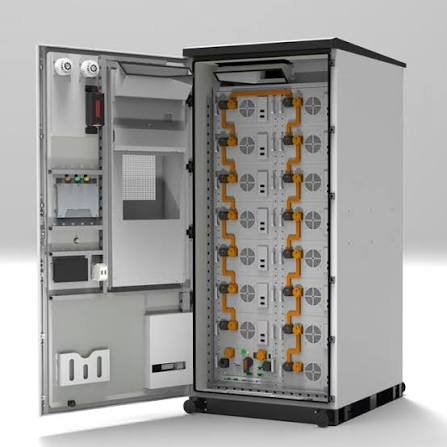
BICODI Solar ESS Cabinet 50kWh LiFePO4 Energy Storage System
Original price was: ₦9,510,000.00.₦9,500,000.00Current price is: ₦9,500,000.00.High-Capacity Solar Energy Storage Solution
The BICODI Solar ESS Cabinet 50kWh LiFePO4 Energy Storage System is designed for projects that need a substantial amount of stored electricity. It provides 50kWh of nominal energy storage capacity, making it a potential option for commercial solar installations and industrial energy management projects.
Solar energy can help businesses generate electricity from sunlight. However, solar production changes throughout the day and may not always meet immediate electricity demand. An energy storage system helps address this difference by storing available electricity for use at another time.
For instance, a commercial facility may generate more solar power than it needs during sunny hours. Instead of using all the electricity immediately, a compatible storage system can retain some of that energy for later use. This can improve solar energy utilization and provide greater flexibility when managing electricity consumption.
The actual amount of usable energy depends on the battery configuration, permitted depth of discharge, conversion losses, and operating conditions. Therefore, buyers should distinguish between nominal capacity and usable capacity when planning a project.
LiFePO4 Storage for Consistent Daily Operation
Battery chemistry plays an important role in choosing an energy storage system. The BICODI Solar ESS Cabinet uses LiFePO4 battery technology, which is commonly selected for stationary storage applications because of its thermal stability and cycle-life characteristics.
A properly configured LiFePO4 battery system can support repeated charging and discharging. This makes the technology suitable for applications where stored electricity is used regularly rather than only during occasional outages.
The battery management system is another important consideration. Depending on the supplied configuration, it can monitor battery operating conditions and provide protective functions. Buyers should confirm the specific monitoring, balancing, communication, and protection features included with this cabinet.
Correct installation and operation also contribute to reliable performance. The storage system should operate within the manufacturer’s specified temperature, voltage, and current limits. In addition, the installation location must meet applicable electrical, ventilation, clearance, and fire-safety requirements.
Before purchasing, check whether the product includes the necessary inverter, control equipment, cables, and monitoring accessories. These components can vary by configuration, so it is important to confirm the complete system specification.
Flexible Use in Business and Solar Projects
The BICODI Solar ESS Cabinet 50kWh LiFePO4 Energy Storage System may suit businesses seeking better control over their energy supply. Potential applications include commercial buildings, workshops, warehouses, solar-powered facilities, and other sites with appropriate electrical infrastructure.
When integrated with compatible equipment, stored electricity can help support selected loads when solar generation is low. The system may also contribute to peak-demand management, depending on the site’s electricity tariff, control strategy, and power requirements.
For facilities that need backup electricity, the overall system must be designed to support the intended loads. Battery capacity determines how much energy is available, while inverter power and electrical configuration influence which loads can operate simultaneously. As a result, a 50kWh storage capacity does not automatically guarantee a particular backup duration.
To select the right configuration, assess daily consumption, peak loads, expected backup time, and future expansion plans. Also review the product warranty, installation guidance, operating limits, and after-sales support.
With careful system planning, the BICODI Solar ESS Cabinet can become a useful component of a commercial or industrial energy storage project. Confirm all technical specifications with the supplier to ensure the system matches your project’s requirements.