


BICODI BRAND

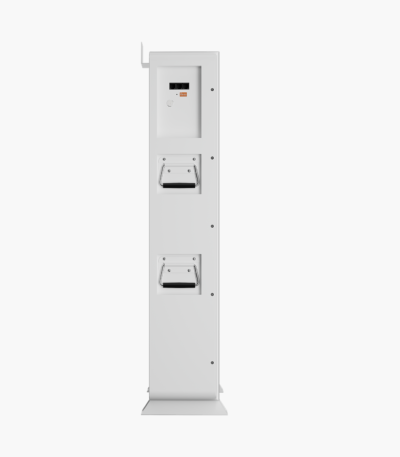
BICODI Household Solar Battery 10kWh
Original price was: ₦1,960,000.00.₦1,950,000.00Current price is: ₦1,950,000.00.Household Energy Storage for Everyday Needs
Managing electricity at home becomes easier when energy production and consumption are planned together. Solar panels generate electricity from sunlight, but household demand changes throughout the day. A battery stores some of the available energy so it can be used later. This makes energy storage an important part of many residential solar installations.
The BICODI Household Solar Battery 10kWh offers a 10kWh storage capacity for household solar applications. It can be included in a compatible system designed to store solar-generated electricity. Depending on the complete installation, stored energy may help power selected appliances when solar production is low.
However, storage capacity alone does not determine how long a battery will power a home. The usable energy, inverter efficiency, appliance consumption, and system configuration all affect runtime. For this reason, homeowners should assess their energy requirements before purchasing a battery.
A clear understanding of household usage helps avoid choosing a system that is too small or unnecessarily large. Start with essential appliances, calculate their estimated power consumption, and decide how many hours they need to operate. Then compare the estimated energy requirement with the battery’s usable capacity.
Support Solar Energy Management
A household battery can help improve the use of electricity produced by solar panels. During periods of strong sunlight, the solar system may generate more electricity than the home immediately needs. If the system supports battery charging, some of that energy can be stored instead of being used at once.
The stored electricity may then supply compatible loads when solar production drops. This can be useful during the evening or on days when sunlight is limited. Nevertheless, the amount of energy available depends on previous charging, current demand, and the system’s operating settings.
The 10kWh capacity may suit households with moderate storage requirements, but the best choice varies from one home to another. Homes with large appliances or high evening consumption may need additional capacity. In contrast, homes that prioritise a smaller group of essential loads may find this capacity more appropriate.
It is also important to confirm the battery’s compatibility with the inverter and solar equipment. Check the operating voltage, supported battery type, charging and discharging limits, and communication requirements. A qualified solar installer can help confirm these details before installation.
Choose and Install with Confidence
Before purchasing a home solar battery, review the manufacturer’s product documentation. Confirm the usable capacity, battery chemistry, operating temperature range, protection features, warranty, and installation requirements. Do not assume that all these specifications are identical across products with the same advertised capacity.
Next, consider the purpose of your energy storage system. Some households want to use more of their own solar electricity. Others want to support essential appliances during power interruptions. Defining this goal helps determine the battery size, inverter requirements, and expected backup duration.
The BICODI Household Solar Battery 10kWh can be considered as part of a residential energy storage plan when its specifications match the intended application. Proper installation is essential for safe and reliable operation. Therefore, use a qualified installer and follow all manufacturer guidelines for wiring, protection, ventilation, and commissioning.
After installation, review system performance regularly. Monitor charging behaviour and household consumption when monitoring tools are available. Also, follow the recommended inspection and maintenance schedule.
In conclusion, a 10kWh household solar battery provides an option for storing electricity in a residential solar system. Careful sizing, correct equipment compatibility, and professional installation help homeowners get practical value from their energy storage investment.
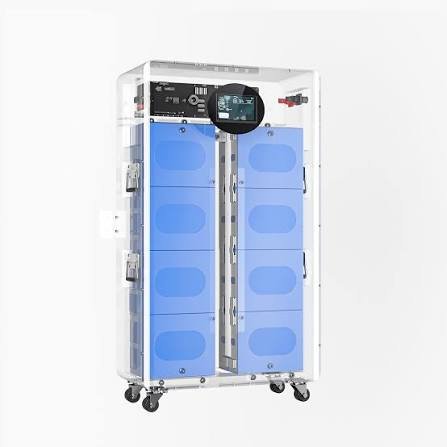
BICODI Household Solar Battery 16kWh
Original price was: ₦2,910,000.00.₦2,900,000.00Current price is: ₦2,900,000.00.High-Capacity Solar Storage for Everyday Household Needs
The BICODI Household Solar Battery 16kWh provides a storage option for homeowners who want greater flexibility when managing their electricity supply. Its nominal 16kWh capacity offers a starting point for planning residential solar energy storage.
Solar panels can generate useful electricity during the day. However, production changes with sunlight and weather conditions. Meanwhile, household appliances may continue to consume electricity in the evening or during cloudy periods.
A compatible solar battery helps manage this difference. It stores available electricity and makes that energy available for later use. Consequently, homeowners can improve their use of generated solar power and manage their electricity consumption more flexibly.
For example, a household may store surplus solar electricity during the afternoon and use some of it to support evening activities. The amount of energy available depends on the battery’s usable capacity, system efficiency, and operating settings.
A 16kWh capacity may suit some homes better than smaller storage options. Nevertheless, the right battery size depends on daily electricity consumption and the loads that need support. Buyers should evaluate their energy requirements instead of choosing a battery based on capacity alone.
Before installation, check the battery’s physical dimensions, weight, operating conditions, and required installation space. These details help ensure that the product suits the intended location.
Battery Compatibility and Safe Operation
Choosing a household solar battery involves more than comparing storage capacity. The battery must also work with the solar panels, inverter, charger, and electrical protection equipment.
The BICODI Household Solar Battery 16kWh should be evaluated using its official technical documentation. Confirm the battery chemistry, nominal voltage, usable capacity, and supported charging specifications before purchasing.
A battery management system, where included, can monitor battery conditions and provide protective functions. Buyers should verify the actual protection features and communication options available with this model.
The inverter is another essential component. It must support the battery’s electrical specifications and provide enough output power for the intended appliances. A large battery capacity does not automatically mean that every household appliance can operate simultaneously.
Charging compatibility also matters. The charging equipment must follow the battery manufacturer’s requirements. In addition, the installation should meet applicable electrical safety standards and the manufacturer’s guidance for operating temperature, mounting, and maintenance.
By checking these details before installation, homeowners can reduce compatibility problems and make more informed purchasing decisions.
Flexible Energy Management and Backup Applications
The BICODI Household Solar Battery 16kWh may support several residential energy management goals when integrated with compatible equipment. It can help homeowners store available electricity and use it when household demand changes.
For solar-powered homes, stored energy may provide an additional source of electricity when sunlight is limited. Depending on the configuration, this can help increase solar self-consumption and reduce reliance on grid power during selected periods.
The battery may also form part of a backup power system. During an outage, a compatible setup can supply electricity to designated household loads. However, backup functionality depends on the inverter, electrical controls, and overall system design.
To estimate backup time, consider the battery’s usable capacity and the power consumption of the appliances you plan to operate. Low-power devices may run longer than high-power appliances. Actual results also depend on conversion losses and operating conditions.
Before purchasing, review the warranty, installation requirements, charging limits, and future expansion options. Confirm all technical specifications with the supplier.
With proper system sizing and professional installation, a 16kWh solar battery can help households make better use of solar energy and manage their electricity supply more effectively.
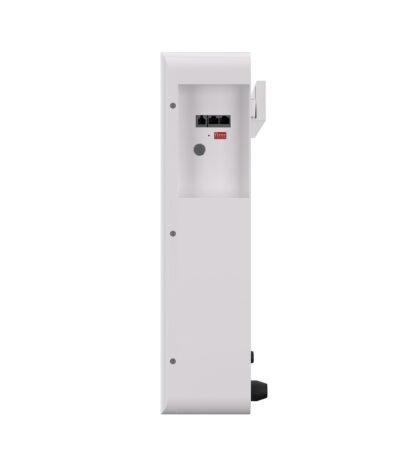
BICODI Household Solar Battery 2.5kWh
Original price was: ₦560,000.00.₦550,000.00Current price is: ₦550,000.00.Residential Battery Storage for Everyday Needs
Solar energy can help households generate electricity from sunlight. However, solar production changes throughout the day, while many appliances continue to use power in the evening. A household battery stores available electricity so a compatible system can use it later.
The BICODI Household Solar Battery 2.5kWh offers a storage option for residential solar applications. Its stated capacity may suit users who want to store energy for selected appliances rather than support every electrical device in the home.
A compact battery can be worth considering when your energy requirements are modest. For instance, you may want to support lights, fans, routers, or other essential devices. However, the actual runtime depends on their combined power consumption and the amount of energy the battery can deliver.
Before buying, identify your main energy priorities. Decide which appliances need stored electricity and estimate how long they must operate. Then compare your estimated energy needs with the manufacturer’s usable capacity rating.
This planning helps you select a suitable storage solution and avoid unrealistic expectations. It also provides a clearer understanding of whether a 2.5kWh battery is enough or whether your home needs more storage.
Support Essential Appliances with Solar Energy
A battery can help households use solar electricity beyond periods of strong sunlight. When the panels generate sufficient electricity, a compatible system may direct some of the available energy to battery charging. The stored power can then support selected loads when solar generation decreases.
This arrangement may help households manage their electricity use throughout the day. It can also support backup applications when the inverter and the complete installation are designed for that purpose.
However, backup performance depends on more than battery capacity. High-power appliances can use stored energy quickly. In contrast, low-power devices may operate for longer under the same conditions. Inverter efficiency and battery operating limits also affect the available energy.
For this reason, calculate the energy demand of your priority appliances before installation. Check their power ratings and expected operating hours. Remember to allow for system losses when estimating runtime.
You should also consider the size of your solar panel system. Solar generation varies with weather, sunlight, shading, and panel orientation. Consequently, the battery may recharge at different rates on different days.
A balanced setup combines suitable solar generation, battery capacity, and inverter performance. This approach helps ensure that the equipment supports your intended household energy needs.
Check Compatibility Before Buying
Before purchasing the BICODI Household Solar Battery 2.5kWh, review its official technical specifications. Check the battery chemistry, usable capacity, operating voltage, charging and discharging limits, warranty, and installation requirements. These details help you assess whether the product is suitable for your solar system.
Inverter compatibility is especially important. Different inverters may require specific voltage ranges or communication protocols. Confirm that the battery and inverter can work together before connecting the equipment.
You should also verify backup functionality if you intend to use stored energy during power outages. Not every solar installation provides backup power automatically. The inverter and electrical configuration must support this function.
Professional installation is recommended to ensure correct wiring and suitable electrical protection. Follow the manufacturer’s safety instructions and keep the battery in an approved installation location. Also, arrange inspections according to the recommended maintenance schedule.
Once installed, monitor energy use whenever suitable monitoring tools are available. Reviewing charging behaviour and appliance consumption can help you understand whether the storage capacity meets your expectations.
Overall, a 2.5kWh household solar battery can be an option for homes with modest energy storage needs. Careful planning, verified compatibility, and correct installation help you make an informed decision and get practical value from your solar system.
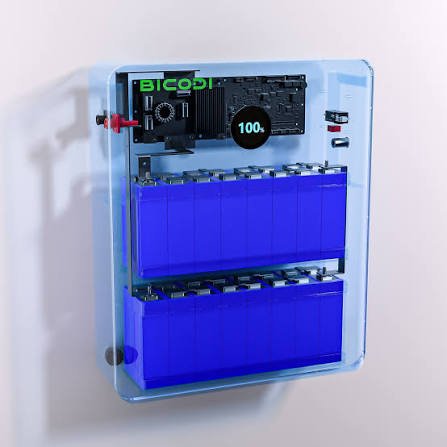
BICODI Household Solar Battery 3.4kWh
Original price was: ₦790,000.00.₦780,000.00Current price is: ₦780,000.00.Manage Household Energy with Battery Storage
Residential solar systems can help households generate electricity from sunlight. However, solar production changes throughout the day, while appliances may continue to need power in the evening. A battery stores available electricity so it can be used later when the system allows.
The BICODI Household Solar Battery 3.4kWh offers a storage option for compatible home solar installations. Its stated capacity may suit users who want to store electricity for selected household loads. It can be considered as part of a system designed around everyday energy management or essential-load backup.
Before choosing a battery, think about how you plan to use the stored energy. You may want to operate lighting, fans, communication equipment, or other essential appliances. Each device has a different power requirement, so the number of appliances and their operating hours will affect battery runtime.
A 3.4kWh capacity may be suitable for some smaller energy needs, but it will not provide the same runtime for every home. Actual results depend on usable capacity, system efficiency, and total consumption. Therefore, review the product specifications and calculate your expected energy demand before making a decision.
Support Essential Appliances and Solar Usage
A household battery can help make solar electricity available beyond the hours of strong sunlight. When solar panels generate enough electricity, a compatible system may direct some energy to battery charging. The stored electricity can then support selected loads when solar generation drops.
For example, a carefully planned setup may help operate low-power appliances during the evening. This can be useful for households that prioritise essential devices instead of attempting to power the entire property. Backup operation, however, depends on the inverter and the overall system design.
To estimate runtime, list the appliances you want to support. Check each device’s power rating and estimate how long it will operate. Add the expected energy consumption and compare it with the battery’s usable capacity. Remember to account for conversion losses and other system limitations.
You should also consider how the battery will recharge. Solar generation depends on sunlight, weather, panel orientation, shading, and system size. Consequently, charging performance may vary from one day to another.
For the best results, choose a battery capacity that matches your energy goals. A suitable system balances solar generation, battery storage, inverter capacity, and household consumption.
Check Specifications and Installation Requirements
Before buying the BICODI Household Solar Battery 3.4kWh, check the manufacturer’s technical information. Confirm the battery chemistry, usable capacity, voltage, charging and discharging limits, warranty, and approved operating conditions. These details help you assess whether the battery fits your intended application.
Compatibility with the inverter is especially important. Different systems can have different electrical and communication requirements. Therefore, confirm compatibility with the supplier or a qualified solar installer before installation.
Also, check whether your intended setup supports backup power. Not every solar installation automatically supplies electricity during a grid outage. The inverter, electrical configuration, and required protection equipment must support that function.
Professional installation helps ensure the system is configured correctly. Follow the manufacturer’s wiring and safety instructions, use appropriate electrical protection, and install the battery in an approved location. Routine checks should follow the recommended maintenance schedule.
After installation, monitor your energy use when suitable monitoring tools are available. Reviewing charging patterns and appliance consumption can help you decide whether the storage capacity meets your daily needs.
Overall, a 3.4kWh household solar battery offers a compact energy storage option for suitable residential applications. By checking specifications, planning essential loads, and confirming equipment compatibility, you can make a more informed decision about your home solar system.
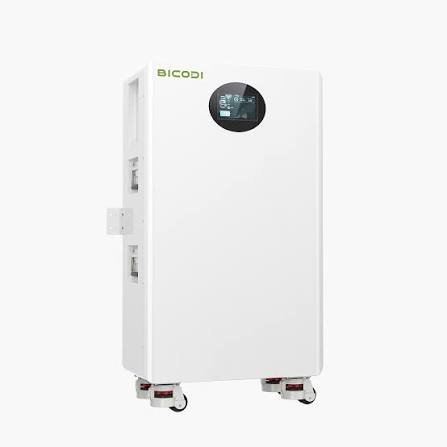
BICODI Household Solar Battery 5kWh
Original price was: ₦1,060,000.00.₦1,050,000.00Current price is: ₦1,050,000.00.Store Solar Energy for Daily Use
Household electricity needs can change significantly throughout the day. Solar panels may generate electricity when sunlight is available, while many appliances remain in use after sunset. A home battery helps bridge this gap by storing electricity for later use.
The BICODI Household Solar Battery 5kWh provides a stated storage capacity for compatible residential solar applications. It may help homeowners store available solar electricity and use it when their system produces less power. The actual benefits depend on the complete installation, household consumption, and battery operating limits.
For homes with moderate storage needs, a 5kWh battery may be worth considering. It can form part of a system designed to supply selected appliances rather than every electrical device in the home. This makes it important to identify your priority loads before choosing the battery.
Start by reviewing your electricity usage. Identify the appliances that must remain available during an outage or after sunset. Then estimate how much electricity they consume during the required operating period. This simple assessment can help you decide whether the battery capacity meets your expectations.
Remember that advertised capacity and usable capacity may differ. The manufacturer’s specifications will explain the available energy and operating limits. Review these details carefully before making a purchase.
Manage Your Home’s Energy Consumption
Battery storage can improve the way a household uses electricity from its solar panels. When the solar system produces sufficient power, it may supply active appliances and charge the battery. Later, the stored energy can support compatible loads when solar generation falls.
This arrangement can be useful for households that want to use more of their own solar electricity. It may also support selected appliances during a power interruption if the inverter and overall system include the required backup functionality.
However, the expected runtime depends on the connected load. A few LED lights and communication devices usually consume less power than a refrigerator, water pump, or air conditioner. Therefore, choosing a battery based only on its capacity may lead to unrealistic expectations.
Instead, calculate the expected energy requirement of your essential appliances. Include their power ratings and the number of hours they need to operate. Then allow for system losses and confirm the usable capacity with the supplier.
It is equally important to consider charging conditions. Solar panel output changes with sunlight, weather, shading, and system design. As a result, the battery may not recharge at the same rate every day.
A suitable installation plan considers both energy storage and energy generation. This helps homeowners choose equipment that works together effectively.
Check Compatibility Before Installation
Before buying a 5kWh solar battery, review the manufacturer’s documentation and confirm the product’s technical details. Important factors include battery chemistry, nominal voltage, usable capacity, charging limits, operating temperature, protection features, and warranty conditions.
You should also verify compatibility with your selected inverter. Different systems may use different voltage ranges or communication requirements. A qualified solar installer can check these details and recommend a suitable configuration.
The BICODI Household Solar Battery 5kWh can be considered for a residential energy storage system when its specifications meet the household’s requirements. However, do not assume that the battery will support every appliance or work with every inverter. Confirm the supported equipment and backup functionality before installation.
For safety, use suitable electrical protection and follow all manufacturer guidelines. Keep the battery in an approved location and arrange installation by a qualified professional. Regular checks can also help identify performance concerns early.
Finally, review your energy use after the system becomes operational. Monitoring available charging and consumption data can help you understand whether the storage capacity suits your routine.
Overall, a 5kWh household solar battery offers an option for storing electricity in a compatible home solar system. Careful planning, realistic backup expectations, and correct installation can help you choose a solution that fits your energy needs.
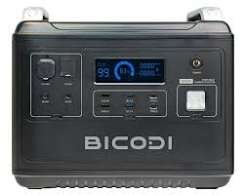
BICODI HS-2000W 2000W Portable Power Station
Original price was: ₦960,000.00.₦950,000.00Current price is: ₦950,000.00.Flexible Charging and Emergency Energy Storage
AC and Solar Charging Options
The BICODI HS-2000W 2000W Portable Power Station supports AC charging and MPPT solar charging. This flexibility allows users to recharge the battery through a compatible wall outlet or suitable solar panels. As a result, it can support both indoor backup preparation and outdoor activities where solar energy is available.
The listed solar input supports up to 500W, with a specified input voltage range of approximately 11.5V to 50V. Users should verify the exact input requirements for their version before connecting panels. Panel compatibility, sunlight, temperature, and charging conditions all affect solar performance.
AC charging provides another convenient option when mains electricity is available. Charging time depends on the input power, remaining battery capacity, and charging settings. Always use compatible cables and follow the manufacturer’s instructions to ensure safe operation.
Connections for Multiple Devices
The HS-2000W is designed to support different devices through its range of output ports. Its listed configuration includes pure sine wave AC outlets, USB-A ports, USB-C Power Delivery ports, and DC connections. The USB-C ports can support compatible devices that require USB Power Delivery, while the AC outlets can power suitable appliances within the unit’s limits.
This setup can be helpful when users need to charge phones, tablets, laptops, cameras, and other electronics while operating compatible equipment. However, the total power demand from all connected devices must stay within the rated output. Port availability and output ratings should also be checked against the exact product version.
For reliable operation, avoid connecting appliances that exceed the unit’s limits. Review each device’s label and consult the product manual before use.
Suitable for Backup and Outdoor Activities
A portable power station can help users prepare for short power interruptions and temporary off-grid situations. The BICODI HS-2000W may support compatible lighting, communication equipment, small electronics, and selected appliances. It can also be useful for camping, fieldwork, mobile projects, and outdoor events.
Its rechargeable battery stores electricity for use when a conventional outlet is unavailable. Solar charging can provide an additional charging method where conditions and equipment allow. However, the unit’s actual runtime will vary according to the load and available battery energy.
Before purchasing, confirm the battery capacity, AC voltage, outlet type, solar input limit, and charging specifications with your supplier. These details are especially important because regional versions may differ. With suitable equipment and proper use, the HS-2000W offers a flexible approach to portable energy storage.
BICODI HS-2000W-110V Portable Solar Generator
Original price was: ₦990,000.00.₦980,000.00Current price is: ₦980,000.00.Flexible Solar Charging and Backup Energy
MPPT Solar Charging Support
The BICODI HS-2000W-110V Portable Solar Generator supports solar charging through a built-in MPPT charging system. This allows users to recharge the battery with compatible solar panels when suitable sunlight is available. It also supports AC charging, giving users another option when mains electricity is accessible.
The manufacturer’s product information lists a maximum solar input of 500W and an input voltage range of approximately 11.5V to 50V. Always verify these limits for your exact model before choosing solar panels. Panel voltage, current, sunlight, and cable compatibility can all affect charging performance.
Solar charging can be useful during camping trips, outdoor work, or other activities away from conventional power sources. However, actual charging time varies with weather and the available solar input. Follow the product manual and use compatible charging accessories.
Designed for Compatible 110V Devices
This model provides a 110V pure sine wave AC output with a rated power of 2000W. It can support compatible electronics and appliances as long as their voltage and power requirements match the unit’s specifications.
The available USB-A and USB-C connections also allow users to charge suitable phones, tablets, laptops, and other personal electronics. Additional DC connections support compatible low-voltage equipment. Check the rated output of each port before connecting a device.
It is important to select the correct voltage version for your region and equipment. A 110V model may not directly support appliances designed only for 220V or 230V. Using incompatible equipment can cause malfunction or damage. Always review the appliance label and power station manual before use.
Suitable for Emergency and Outdoor Applications
A portable solar generator can help users prepare for short power interruptions and temporary off-grid situations. The BICODI HS-2000W-110V can provide stored electricity for compatible lighting, communication devices, laptops, and selected appliances. It may also suit camping, photography, mobile work, and outdoor events.
The rechargeable battery stores energy for use when an outlet is unavailable. Solar charging provides another way to replenish that energy when conditions are suitable. Nevertheless, runtime depends on the connected devices and the amount of energy available in the battery.
Before purchasing, confirm the battery capacity, 110V AC output, rated power, solar input limit, and port configuration with your supplier. Specifications can vary across listings or regional versions. With compatible equipment and proper use, this portable solar generator offers a flexible solution for backup and outdoor power needs.

BICODI HS-2000W-220V Portable Solar Generator
Original price was: ₦1,100,000.00.₦1,000,000.00Current price is: ₦1,000,000.00.Solar Charging and Backup Energy Solutions
Flexible AC and Solar Charging
The BICODI HS-2000W-220V Portable Solar Generator supports AC charging and MPPT solar charging. This gives users the option to recharge the battery through a compatible wall outlet or suitable solar panels. As a result, it can support both home backup preparation and outdoor activities.
The manufacturer’s HS-2000W product information lists solar input of up to 500W, with a specified input voltage range of approximately 11.5V to 50V. Confirm the exact requirements for your version before purchasing or connecting solar panels. Panel voltage, current, sunlight, and cable compatibility all affect charging performance.
Solar charging can be helpful when mains electricity is unavailable. However, actual charging times depend on sunlight conditions, the available solar power, and the remaining battery level. Always use compatible charging accessories and follow the product manual.
Designed for Compatible 220V Devices
The HS-2000W-220V is designed for compatible equipment that requires 220V AC power. Its listed rated output is 2000W, with pure sine wave AC output. This can support many suitable electronics and appliances when their voltage and power requirements match the unit.
USB-A and USB-C ports provide additional charging options for compatible phones, tablets, laptops, and other personal electronics. DC connections can also power suitable low-voltage equipment. Check the rating of each port before connecting devices.
It is important to select the correct voltage version for your region. Do not assume that every appliance is compatible simply because it has a standard plug. Check both voltage and frequency requirements, and avoid exceeding the station’s output limits.
Useful for Emergency and Outdoor Power
A portable solar generator can help users prepare for temporary power interruptions and off-grid activities. The BICODI HS-2000W-220V can provide stored electricity for compatible lights, communication equipment, laptops, and selected appliances. It may also be useful for camping, outdoor events, fieldwork, and mobile projects.
The rechargeable battery stores energy for use when a traditional outlet is unavailable. Solar charging provides another way to replenish that energy when conditions are suitable. However, the actual runtime depends on the connected load and available battery energy.
Before purchasing, confirm the battery capacity, 220V output, rated power, peak power, solar input limit, and port configuration with your supplier. Product listings may combine details for different regional versions. With compatible equipment and proper use, this portable solar generator offers a flexible option for backup and outdoor power needs.
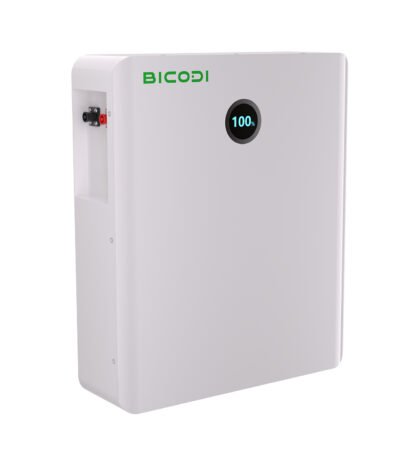
BICODI Integrated ESS Battery + Inverter 10kW
Original price was: ₦2,600,000.00.₦2,500,000.00Current price is: ₦2,500,000.00.A Combined Solution for Home and Business Energy
Energy storage systems help users manage electricity by storing available energy for later use. An integrated design combines battery storage and inverter functionality in one solution. This arrangement allows buyers to assess both functions together when planning an appropriate installation.
The BICODI Integrated ESS Battery + Inverter 10kW provides an option for projects that require integrated energy storage and power conversion. Depending on its verified specifications, it may form part of a compatible solar installation or another suitable electrical system.
The 10kW rating describes power capacity rather than total battery storage. Therefore, buyers should confirm the battery capacity in kWh before estimating how long the system can operate connected equipment.
This distinction matters because power demand and energy consumption affect performance differently. The inverter must support the equipment’s power requirements. Meanwhile, the battery must store enough usable energy to operate that equipment for the desired period.
Start by listing the appliances or equipment you want to support. Check their power ratings and estimate their operating hours. Then calculate the total energy requirement and compare it with the battery’s documented usable capacity.
Also, consider future energy needs when planning the installation. A qualified installer can evaluate the electrical load and help determine whether this system fits your application.
Improve Solar Energy Management
Solar panels generate electricity during daylight hours, but production can decrease when sunlight becomes limited. Meanwhile, electricity demand may continue throughout the evening. A compatible battery system can store available solar electricity and make it available later.
The BICODI Integrated ESS Battery + Inverter 10kW can be considered for a solar energy project when its specifications match the intended application. Depending on the supported functions, the system may help coordinate stored energy and power conversion.
However, actual performance depends on several factors. These include solar panel output, battery capacity, inverter capability, and the amount of electricity consumed by connected appliances. Therefore, buyers should assess the complete installation rather than relying on the 10kW rating alone.
A practical system design considers both power and energy requirements. Power indicates the demand the system must handle at a given moment. Energy measures the electricity consumed over a period of time.
For example, several small appliances may require modest power. However, their combined energy consumption can increase when they run for many hours. Likewise, large appliances may require more power and reduce the available runtime.
To plan effectively, estimate your daily energy consumption and identify your priority loads. Also, review the expected solar generation and charging requirements. These steps help you choose an appropriate configuration.
Check Compatibility Before Installation
Before purchasing the BICODI Integrated ESS Battery + Inverter 10kW, review the manufacturer’s technical specifications. Confirm the battery chemistry, usable capacity, nominal voltage, inverter output, and charging and discharging limits. These details help you assess whether the system meets your requirements.
Next, check compatibility with your solar panels, electrical supply, and connected appliances. If you intend to use the system during a power outage, confirm that it supports backup operation and that your installation includes the necessary equipment.
You should also review the warranty, protection features, operating temperature limits, and maintenance instructions. These details help you understand the requirements for installation and long-term operation.
Always use a qualified professional to install and configure the system. The installer can check wiring, electrical protection, equipment compatibility, and load requirements. Furthermore, correct commissioning helps ensure that the system operates according to the manufacturer’s guidelines.
After installation, monitor energy consumption and charging behaviour whenever suitable monitoring features are available. Review this information regularly to understand how the system performs under normal operating conditions.
Overall, an integrated battery and inverter system can provide a coordinated approach to energy storage. By verifying specifications, planning your electrical loads, and confirming compatibility, you can determine whether a 10kW ESS system suits your project.

BICODI Integrated ESS Battery + Inverter 15kW
Original price was: ₦3,500,000.00.₦3,400,000.00Current price is: ₦3,400,000.00.A Combined Battery and Inverter Solution
Energy storage systems help users manage electricity by storing available energy for later use. An integrated design combines battery storage and inverter functionality in one solution. This approach allows buyers to assess both functions together when planning an appropriate installation.
The BICODI Integrated ESS Battery + Inverter 15kW offers an option for projects that require integrated energy storage and power conversion. Depending on its verified specifications, it may form part of a compatible solar installation or another suitable electrical system.
The 15kW rating describes power capacity rather than the total amount of energy stored in the battery. Therefore, buyers should check the battery capacity in kWh before estimating runtime. This distinction is important because power demand and energy consumption affect system performance in different ways.
For example, the system must have sufficient power capacity to support the connected equipment. At the same time, the battery must store enough usable energy to operate that equipment for the required period.
Start by listing your essential appliances or electrical loads. Check their power ratings and estimate how long you need to operate them. Then calculate the total energy requirement and compare it with the battery’s documented usable capacity.
Also, consider future energy needs when planning your installation. A qualified installer can help evaluate the load requirements and confirm whether the system fits your intended application.
Make Better Use of Stored Solar Electricity
Solar energy production changes throughout the day. During periods of strong sunlight, a compatible solar system may generate electricity for immediate use and battery charging. Later, stored energy may support connected equipment when solar production decreases.
An integrated ESS can help coordinate battery storage and power conversion. However, its actual capabilities depend on the manufacturer’s specifications and the wider system configuration.
The BICODI Integrated ESS Battery + Inverter 15kW can be considered for a solar energy project when its power rating and battery capacity meet the required load. Before purchasing, confirm whether the system supports your intended solar input, charging method, and operating modes.
A practical system design should consider both power and energy requirements. Power determines the demand the system must handle at a given moment. Energy indicates how much electricity the equipment consumes over time.
For example, running several small appliances may require less power than operating a large motor. However, even low-power equipment can consume considerable energy if it runs for many hours. Therefore, calculate your expected consumption before selecting the battery capacity.
You should also consider solar panel output and changing weather conditions. These factors influence how much energy the system can generate and store. Proper planning helps you establish realistic expectations for daily use.
Verify Compatibility and Installation Requirements
Before purchasing the BICODI Integrated ESS Battery + Inverter 15kW, review the manufacturer’s specifications carefully. Check the battery chemistry, usable capacity, nominal voltage, inverter output, and charging and discharging limits. These details help you assess whether the system suits your requirements.
Next, confirm compatibility with your solar panels, electrical supply, and connected appliances. If you need backup power, verify that the system supports this function. Also, check whether your installation requires additional equipment for safe backup operation.
Review the warranty, protection features, operating temperature limits, and maintenance instructions. These details can help you understand the requirements for installation and long-term use.
A qualified professional should install and configure the system. The installer can check the wiring, electrical protection, load requirements, and equipment compatibility. Furthermore, correct commissioning helps ensure that the system operates according to the manufacturer’s instructions.
Once installation is complete, monitor the system whenever suitable monitoring features are available. Review charging behaviour and energy consumption to assess performance. Follow the recommended maintenance schedule to keep the equipment in suitable operating condition.
Overall, an integrated energy storage system can provide a coordinated solution for battery storage and power conversion. By verifying the specifications and planning the installation carefully, you can determine whether a 15kW ESS system meets your energy requirements.
BICODI Integrated ESS Battery + Inverter 20kW
Original price was: ₦4,600,000.00.₦4,500,000.00Current price is: ₦4,500,000.00.Simplify Energy Storage System Planning
Choosing energy storage equipment involves more than selecting a battery or inverter independently. Each component must match the system’s power demand, storage requirements, and operating conditions. An integrated solution combines battery storage and inverter functionality to support a coordinated system design.
The BICODI Integrated ESS Battery + Inverter 20kW provides an option for projects seeking these functions in one integrated solution. It can be considered for compatible energy storage installations where the required power rating and battery capacity match the application.
It is important to understand the difference between kilowatts and kilowatt-hours. Kilowatts (kW) measure power, while kilowatt-hours (kWh) measure stored energy or energy consumption over time. Therefore, the stated 20kW rating does not reveal the battery’s total storage capacity or expected backup duration.
Before purchasing, confirm the battery’s usable capacity and the inverter’s continuous output rating. Also, check whether the system can handle the starting demand of equipment such as pumps or motors. These details help you select a solution that can support the intended electrical loads.
An integrated design may simplify equipment selection and installation planning. Nevertheless, compatibility with the wider electrical system remains essential. Always use the manufacturer’s technical documentation to verify the complete system configuration.
Improve Solar Energy Utilisation
Solar energy systems can produce electricity at times when demand is relatively low. Energy storage provides a way to retain some available electricity for later use when the system supports that function.
When configured with compatible solar equipment, an integrated ESS may help manage stored energy and support selected electrical loads. Its performance depends on solar generation, battery capacity, inverter capability, and the household or business’s energy consumption.
For example, a site may use solar power during the day and rely on stored energy when solar production decreases. However, the amount of electricity available after sunset depends on how much energy the battery has stored and how much power the connected loads consume.
A suitable system design should account for both daily energy consumption and peak power requirements. It should also consider the charging sources available, the expected charging time, and the required backup duration.
Before committing to a system, prepare a list of the equipment you want to operate. Record each device’s power rating and estimated operating hours. Then calculate the total energy requirement and compare it with the battery’s verified usable capacity.
This approach helps you establish realistic expectations and avoid selecting equipment that does not meet your needs. A qualified installer can also confirm the supported solar inputs, operating modes, and electrical connections.
Verify Specifications and System Compatibility
Technical verification is essential when selecting a 20kW integrated energy storage system. Start by reviewing the battery capacity, battery chemistry, nominal voltage, inverter output, and charging and discharging limits. These specifications determine how the system can operate within your installation.
Next, confirm compatibility with your solar panels, electrical supply, and intended loads. If you need backup power, verify that the system supports the required backup operation and that the installation includes the appropriate equipment.
You should also review the manufacturer’s safety instructions, warranty conditions, operating temperature limits, and maintenance recommendations. These details help you plan the installation and understand the requirements for long-term use.
The BICODI Integrated ESS Battery + Inverter 20kW can be considered when its verified specifications align with your project. Avoid assuming that the 20kW rating alone guarantees a particular backup duration or solar charging performance. Both power capability and stored energy must meet the application’s requirements.
Use a qualified installer to assess the site, check wiring and protection requirements, and configure the system correctly. After commissioning, monitor system performance when monitoring tools are available and follow the recommended inspection schedule.
In conclusion, an integrated battery and inverter system can provide a coordinated approach to energy storage and power conversion. Careful specification checks and professional installation help ensure that the selected system suits the intended application.

BICODI Integrated ESS Battery + Inverter 5kW
Original price was: ₦1,460,000.00.₦1,450,000.00Current price is: ₦1,450,000.00.Complete Power Independence and Reliability
Take complete control of your home energy supply with the BICODI Integrated ESS Battery + Inverter 5kW system. Electricity tariffs continue to rise while power grid outages occur unexpectedly in many regions. Having a reliable power management system is essential for maintaining a comfortable living environment. This unit replaces traditional, noisy fossil fuel generators with clean and quiet stored power. It offers an effective shield against sudden blackout disruptions and high utility expenses. By linking solar generation, energy storage, and home loads in one intelligent system, it gives homeowners real energy freedom and long-term peace of mind.
Uninterrupted Power for Heavy Appliances
With its continuous 5kW power output, this integrated system handles your everyday electrical demand easily. You do not need to turn off essential equipment during unexpected power outages. Heavy household appliances, including air conditioners, kitchen appliances, water systems, and cooling units, continue running smoothly. The super-fast automatic switchover feature detects grid failure instantly. It shifts load demand to the battery bank so fast that smart electronics and desktop computers do not restart or lose data. You can continue working, watching television, or sleeping comfortably without experiencing annoying power cuts.
Smart Cost Savings and Peak Management
This integrated energy storage solution is engineered to lower your monthly utility expenses through intelligent power distribution. In regions with peak-hour electricity pricing, utility rates increase sharply during specific hours of the day. The smart system charges its lithium battery bank during low-rate hours or from connected solar panels during daylight. It then discharges this stored energy during high-cost peak hours to run your home appliances. This automated process minimizes expensive power consumption from the grid, saving you substantial amounts of money on every billing cycle.
Eco-Friendly and Future-Proof Investment
Investing in this modern energy storage system reduces your reliance on fossil fuels and lowers your overall carbon footprint. The heavy-duty outer housing protects internal electronics from physical wear and dust accumulation over long usage. Silent, emission-free operation makes it an eco-friendly choice for environmentally conscious homeowners. Furthermore, installing a clean energy backup system increases total property value and appeal. The intuitive control panel offers easy monitoring of battery health, incoming solar input, and active electrical loads. This unit stands as a durable, future-proof energy asset for modern homes.