


BICODI BRAND

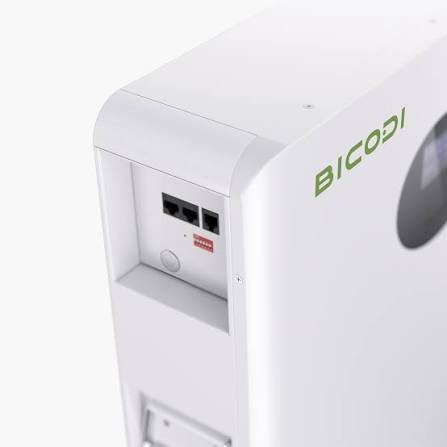
BICODI 48V 10kWh Powerwall Energy Storage Battery
Original price was: ₦2,100,000.00.₦2,000,000.00Current price is: ₦2,000,000.00.Flexible Backup Power for Your Home
Support Essential Household Appliances
The BICODI 48V 10kWh Powerwall Energy Storage Battery is an option for households that want to store electricity for essential loads. When connected to a compatible inverter, stored energy may support lighting, fans, internet equipment, refrigeration, and other suitable appliances during a power interruption.
The backup duration depends on how much electricity your appliances consume. For example, a few low-power devices will generally use less energy than several large appliances running together. Therefore, plan your backup loads before selecting the complete system.
To estimate backup time, divide the usable battery energy by the combined power consumption of your appliances. Allow for inverter losses and other system limitations. This calculation gives an estimate rather than a guaranteed runtime.
You can improve backup performance by prioritising essential appliances. Switch off unnecessary loads when stored energy is limited. This approach helps you make better use of the electricity stored in your battery.
Check Inverter Compatibility Before Installation
Battery and inverter compatibility is essential for safe operation. Although this product title describes a 48V battery, related BICODI models list a nominal voltage of 51.2V. Therefore, confirm the exact model’s voltage range and electrical ratings before connecting it to an inverter.
Check the inverter’s supported battery voltage, charging current, and discharge current. Also, confirm the communication protocol if the battery management system communicates with the inverter. Some related BICODI models support CAN or RS485, but you should verify these features for your specific product.
Correct installation helps protect the battery and connected equipment. A qualified installer should select suitable cables, circuit breakers, and isolation devices. The installer should also configure the inverter according to the manufacturer’s instructions.
Before purchasing, confirm the battery chemistry, usable capacity, dimensions, and warranty terms. This ensures that the product meets your requirements.
Plan a Practical Solar Storage System
A well-planned energy storage system begins with your daily electricity needs. Review your power consumption, solar panel output, and expected backup duration. These details help you determine whether a 10kWh battery provides enough storage for your home.
If you expect your energy needs to increase, check whether the battery supports parallel connections. Confirm the maximum permitted number of units and the required inverter configuration. Never assume that all batteries can be expanded in the same way.
You should also consider the installation location. Follow the manufacturer’s requirements for mounting, temperature, ventilation, and access. Use professional installation practices to support safe operation.
With compatible equipment and careful planning, a 10kWh powerwall battery can help store solar electricity and support selected household loads. It offers a practical option for users who want greater flexibility in managing their energy use.
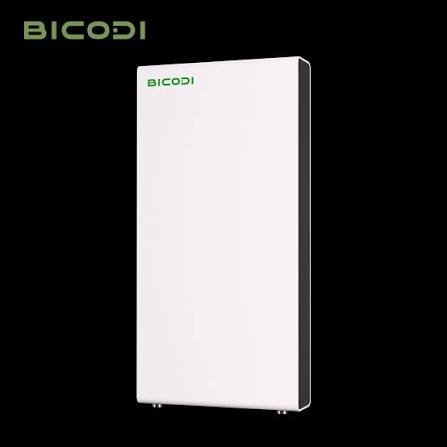
BICODI 48V 15kWh Powerwall Energy Storage Battery
Original price was: ₦2,850,000.00.₦2,750,000.00Current price is: ₦2,750,000.00.Flexible Backup and Solar Energy Management
Help Manage Changing Electricity Needs
Household electricity demand changes throughout the day. Some appliances run continuously, while others operate only at certain times. A battery storage system can help manage these changing needs by keeping energy available for later use.
The BICODI 48V 15kWh Powerwall Energy Storage Battery is intended for consideration in residential energy storage projects. When connected to compatible equipment, a battery can store electricity from an approved charging source and supply power through the appropriate inverter system.
This arrangement may help homeowners make better use of solar generation. It can also support a planned backup setup when the complete system includes the necessary inverter, switching equipment, and electrical protection. Backup operation is not automatic for every installation, so confirm the system’s design before relying on it during an outage.
Check Inverter and Installation Compatibility
Battery compatibility is an important part of a reliable solar installation. The battery voltage must match the supported operating range of the inverter. In addition, the inverter’s battery settings and communication requirements must be compatible with the selected battery model.
Before installing the BICODI 48V 15kWh Powerwall Energy Storage Battery, review the manufacturer’s documentation. Check the recommended charging voltage, discharge limits, maximum current, communication protocol, and supported installation environment. Also confirm whether the system requires a specific battery management system or communication cable.
Professional installation is recommended. A qualified installer can assess the electrical load, select suitable cables and protective devices, and configure the inverter correctly. Proper ventilation, mounting, wiring, and access for maintenance should also follow the manufacturer’s instructions and applicable local electrical regulations.
Build a Practical Home Energy Solution
A battery works best when it forms part of a balanced energy system. Solar panels generate electricity, the inverter manages energy conversion, and the battery stores energy for later use. Each component must be sized and configured according to the home’s requirements.
When evaluating the BICODI 48V 15kWh Powerwall Energy Storage Battery, consider your average daily consumption, expected backup duration, solar production, and future electricity needs. These factors can help determine whether the listed storage capacity is appropriate for your property.
It is also useful to compare the battery’s usable energy, cycle-life rating, warranty, and after-sales support. Ask the supplier for the official datasheet and confirmation of the exact model before placing an order. Product names can describe approximate voltage and capacity, so the manufacturer’s documentation should be the final reference for technical details.
With suitable components and professional configuration, a home battery system can provide a practical way to store electricity, use solar energy more effectively, and prepare for changing household power requirements.

BICODI 48V 200Ah LiFePO4 Battery
Original price was: ₦2,050,000.00.₦1,950,000.00Current price is: ₦1,950,000.00.Efficient and Flexible Battery Storage
LiFePO4 Battery Technology
The BICODI 48V 200Ah LiFePO4 Battery uses lithium iron phosphate battery chemistry, according to the product category and matching manufacturer model information. LiFePO4 batteries are commonly selected for stationary energy storage because they support repeated charging and discharging when operated within the specified limits.
Battery performance depends on correct charging, suitable temperatures, and proper system configuration. Therefore, users should follow the manufacturer’s recommended voltage and current limits. Avoid connecting the battery to equipment that is not designed for its electrical requirements.
For a complete solar installation, consider the battery alongside the inverter, solar charge controller, solar panels, and required protection equipment. These components must work together to deliver dependable performance.
Plan Your Battery Capacity Carefully
The 200Ah rating describes the battery’s electrical capacity, but it does not alone determine how long appliances will run. The nominal voltage and usable energy rating are also important. Manufacturer information for model BD048200P10 lists a 51.2V rated voltage and 10.5kWh battery capacity, with 10kWh available capacity. Confirm that this is the exact model being supplied before using these figures for system planning.
For instance, an installation that powers essential lights, fans, networking equipment, and selected appliances may need a different storage plan from one that runs high-power equipment. Calculate the combined load and expected operating hours before selecting a battery.
In addition, consider future energy needs. A properly planned system can make it easier to determine whether extra storage is necessary. Any parallel battery connection must follow the manufacturer’s requirements for model compatibility, wiring, and maximum supported units.
Installation and Compatibility Considerations
Before purchasing the BICODI 48V 200Ah LiFePO4 Battery, confirm the inverter’s supported battery chemistry and voltage range. If the equipment uses CAN or RS485 communication, verify that the battery and inverter support a compatible protocol and configuration.
Install the battery in a suitable location and follow the manufacturer’s guidance for ventilation, temperature, mounting, and electrical protection. Keep the equipment away from conditions outside its specified operating range. A qualified installer can help check the electrical design and configure the system correctly.
Finally, request the official datasheet and warranty terms for the exact battery model. These documents should confirm the rated and usable capacity, charge and discharge limits, dimensions, protection features, and approved operating conditions. Careful verification helps you choose a battery that fits your solar energy storage needs.
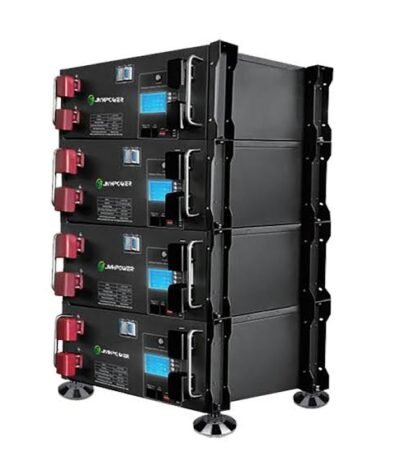
BICODI 48V 20kWh Powerwall Energy Storage Battery
Original price was: ₦3,900,000.00.₦3,800,000.00Current price is: ₦3,800,000.00.Flexible Backup and Energy Management
Manage Electricity During Peak Demand
Household energy consumption changes throughout the day. Refrigerators and other essential appliances may operate continuously, while cooking equipment, washing machines, and air conditioners can increase demand at certain times. A battery storage system can help manage these changing requirements.
The BICODI 48V 20kWh Powerwall Energy Storage Battery is intended for consideration in residential energy storage projects. When connected to compatible charging equipment and an appropriate inverter, a battery can store electricity and make that energy available for later use.
For solar-powered homes, this arrangement may help reduce reliance on immediate solar generation. For example, electricity stored during the day may be used in the evening, depending on the system configuration and available charge. However, the actual benefits depend on solar production, household consumption, inverter efficiency, and the battery’s usable capacity.
Check Voltage and Inverter Compatibility
Correct compatibility is essential when selecting a home battery. The battery’s voltage range must match the inverter’s supported battery input. The inverter must also support the battery’s charging requirements and communication settings.
Before installing the BICODI 48V 20kWh Powerwall Energy Storage Battery, request the manufacturer’s technical datasheet. Review the nominal voltage, operating voltage range, usable energy, maximum charge and discharge current, and communication protocols. Also confirm the battery chemistry, battery management system, and recommended operating conditions.
Professional installation is strongly recommended. A qualified installer can calculate expected loads, choose appropriate cables, install suitable protective devices, and configure the inverter. In addition, the installer should follow the manufacturer’s mounting and environmental requirements as well as applicable electrical regulations.
Do not assume that every 48V inverter will work with this battery. Always confirm compatibility with both the battery manufacturer and the inverter supplier before connecting the equipment.
Prepare for Long-Term Energy Storage
A well-planned battery system should match your current energy needs while allowing for reasonable future changes. Consider your average daily electricity use, the appliances that need backup, and the amount of solar energy available throughout the year.
When comparing the BICODI 48V 20kWh Powerwall Energy Storage Battery with other options, review usable capacity, warranty coverage, cycle-life specifications, installation requirements, and local technical support. These details can help you compare products beyond the capacity shown in their names.
It is also important to understand that backup duration varies with the connected load. A system running a few essential appliances may last much longer than one powering several high-consumption devices. Therefore, calculate your expected energy demand before choosing the battery.
With compatible equipment and careful planning, a residential battery storage system can support more flexible energy use. Confirm the exact product specifications before purchasing so that the selected battery meets your home’s requirements and works safely with the rest of your solar installation.
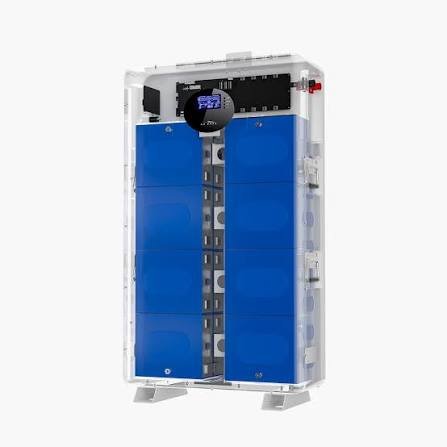
BICODI 48V 300Ah LiFePO4 Battery
Original price was: ₦3,000,000.00.₦2,900,000.00Current price is: ₦2,900,000.00.LiFePO4 Battery for Flexible Backup Power
Lithium Iron Phosphate Battery Technology
The BICODI 48V 300Ah LiFePO4 Battery belongs to a battery category commonly used in residential and commercial energy storage. LiFePO4 technology is designed for repeated charge and discharge cycles. This makes it a practical option for systems that store electricity from solar panels or another compatible charging source.
Battery performance depends on several factors. These include charging conditions, operating temperature, depth of discharge, and correct system configuration. Therefore, users should follow the official instructions for installation and everyday operation.
A suitable battery management system is also important. Depending on the exact model, it may monitor battery conditions and help manage operation within specified limits. Confirm the included protection features with the supplier before relying on any particular function.
Match Battery Capacity to Your Energy Needs
The 300Ah rating describes electrical charge capacity. It does not, by itself, tell you how many hours the battery can power your appliances. You must also consider nominal voltage, usable energy, inverter efficiency, and the total load connected to the system.
For example, a system designed to power lights and communication equipment will have different storage requirements from one that runs refrigerators, pumps, or other high-power appliances. Calculate the expected wattage and operating hours to estimate your energy needs.
Also, check the inverter’s continuous output rating and surge capability. Some appliances require extra power when starting. The complete system must support these demands without exceeding the battery’s permitted discharge limits.
If you plan to expand your storage later, confirm the supported parallel configuration with the manufacturer. Use only approved connections and compatible equipment. This helps ensure that the battery system suits both current and planned electricity requirements.
Installation, Compatibility, and Maintenance
Before installing the BICODI 48V 300Ah LiFePO4 Battery, confirm that your inverter supports its battery chemistry and voltage range. If the battery uses CAN or RS485 communication, check that the inverter supports the required communication protocol and settings.
Choose an installation location that meets the manufacturer’s temperature, mounting, and environmental requirements. Use suitable cables, connectors, and electrical protection. A qualified installer can help confirm the system design and configure the inverter correctly.
Keep the product documentation available for future checks. The official datasheet should identify the battery’s exact model, rated capacity, usable energy, charge and discharge limits, dimensions, and warranty terms. These details can vary across battery models, even when their advertised voltage and capacity appear similar.
By confirming specifications before purchase, you can make a more informed decision. The right configuration helps your solar storage system operate within its intended limits and supports dependable backup power for your home or business.
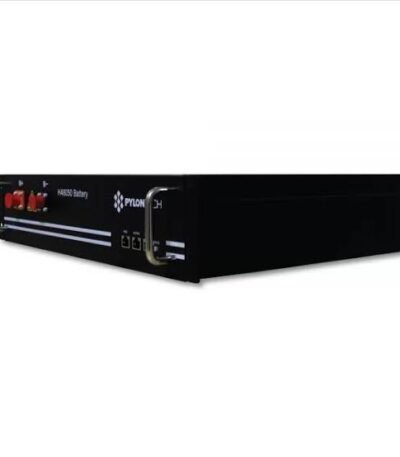
BICODI 48V 50Ah LiFePO4 Battery
Original price was: ₦590,000.00.₦580,000.00Current price is: ₦580,000.00.Practical LiFePO4 Battery for Energy Systems
Understand LiFePO4 Battery Technology
The BICODI 48V 50Ah LiFePO4 Battery is intended for buyers looking for a lithium-based power storage option. LiFePO4 batteries use lithium iron phosphate chemistry, which is commonly used in residential energy storage, solar installations, and other compatible electrical systems.
This chemistry is valued for its thermal stability and potential for a long cycle life under suitable operating conditions. Compared with traditional lead-acid batteries, LiFePO4 products may also offer advantages in weight and usable energy. However, actual benefits depend on the specific products and their operating conditions.
Battery performance is affected by charging practices, operating temperature, discharge depth, and the quality of the battery cells. The battery management system and overall product design also influence performance. Therefore, use the official product datasheet when comparing specifications or estimating service life.
Capacity is another important consideration. A 50Ah rating alone does not tell you the exact amount of energy available to your equipment. You need the confirmed nominal voltage and usable capacity to make a more accurate estimate.
Plan Your Solar or Off-Grid Installation
Start by listing the devices you want to power. Record each device’s power rating and estimated daily operating time. This helps you calculate the energy your system needs and decide whether the battery’s capacity is appropriate.
For a solar installation, choose a compatible charge controller and a suitable solar panel arrangement. The controller must support the battery’s chemistry and charging limits. You should also consider sunlight availability and daily energy production when planning the system.
If you need AC electricity, select an inverter compatible with the battery’s voltage range. Check its continuous output and surge capacity before connecting appliances. High-power devices can draw substantial current, so all wiring and electrical protection must be rated for the intended load.
For backup applications, prioritise essential equipment and estimate how long each device must run. Allow for conversion losses and changes in power demand. If your expected consumption exceeds the battery’s usable capacity, you may need a different system design or additional approved storage.
Verify Product Specifications Before Purchase
Before buying the BICODI 48V 50Ah LiFePO4 Battery, ask the supplier for its exact model number and official datasheet. Confirm the nominal voltage, rated capacity, nominal energy, usable energy, charging limits, discharge current, dimensions, weight, and warranty.
Also, check the battery’s communication options if your inverter requires them. Some energy storage systems use communication protocols to coordinate charging, discharging, and battery monitoring. Do not assume that CAN, RS485, or any other communication feature is available unless the product documentation confirms it.
If you plan to connect multiple batteries, verify the approved series or parallel configuration. Confirm that the inverter and charger support the resulting battery arrangement before installation.
Finally, follow all manufacturer instructions for installation, charging, storage, and maintenance. Protect the terminals against accidental short circuits and use suitable electrical protection. With verified specifications and compatible components, you can determine whether this battery meets the needs of your solar, backup, or off-grid system.
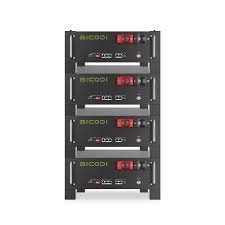
BICODI 48V 5kWh Powerwall Energy Storage Battery
Original price was: ₦1,200,000.00.₦1,100,000.00Current price is: ₦1,100,000.00.Flexible Backup Power for Your Home
Support Essential Household Appliances
The BICODI 48V 5kWh Powerwall Energy Storage Battery is an option for households that want to store electricity for essential loads. When connected to a compatible inverter, stored energy may support lighting, fans, internet equipment, and other suitable appliances during a power interruption.
The backup duration depends on how much electricity your appliances consume. For example, a few low-power devices will generally use less energy than several large appliances running together. Therefore, plan your backup loads before selecting the complete system.
To estimate backup time, divide the usable battery energy by the combined power consumption of your appliances. Allow for inverter losses and other system limitations. This calculation gives an estimate rather than a guaranteed runtime.
You can improve backup performance by prioritising essential appliances. Switch off unnecessary loads when power is limited. This approach helps you make better use of the energy stored in your battery.
Check Inverter Compatibility Before Installation
Battery and inverter compatibility is essential for safe operation. Although this product title describes a 48V battery, similar BICODI models list a nominal voltage of 51.2V. Therefore, confirm the exact model’s voltage range and electrical ratings before connecting it to an inverter.
Check the inverter’s supported battery voltage, charging current, and discharge current. Also, confirm the communication protocol if the battery uses communication between its battery management system and the inverter. Some related BICODI models support CAN and RS485, but you should verify these features for your specific product.
Correct installation helps protect your battery and connected equipment. A qualified installer should select suitable cables, circuit breakers, and isolation devices. The installer should also configure the inverter according to the manufacturer’s instructions.
Always review the official datasheet before purchasing. Confirm the battery chemistry, usable capacity, dimensions, and warranty terms. This ensures that the product meets your requirements.
Plan a Practical Solar Storage System
A well-planned energy storage system begins with your daily electricity needs. Review your power consumption, solar panel output, and expected backup duration. These details help you determine whether a 5kWh battery provides enough storage for your home.
If you expect your energy needs to increase, check whether the battery supports parallel connections. Confirm the maximum permitted number of units and the required inverter configuration. Never assume that all batteries can be expanded in the same way.
You should also consider the installation location. Follow the manufacturer’s requirements for mounting, temperature, ventilation, and access. Use professional installation practices to support safe operation.
With compatible equipment and careful planning, a 5kWh powerwall battery can help store solar electricity and support selected household loads. It offers a practical starting point for users who want more control over their energy use.

BICODI 48V MPPT Charge Controller 100A
Original price was: ₦141,000.00.₦140,000.00Current price is: ₦140,000.00.Unmatched Solar Power Harvesting Performance
Upgrade your solar power setup with the BICODI 48V MPPT Charge Controller 100A for superior energy conversion and battery management. Off-grid solar systems require precise control to capture maximum solar energy and convert it into usable stored electricity. This heavy-duty 100-amp controller acts as the central link between your solar panels and your battery storage system. Capable of handling high PV input voltages, it allows flexible solar panel wiring configurations while reducing wire size requirements and installation costs. It turns solar potential into high-efficiency battery charging without wasting power as heat.
Optimized Charging for All Battery Types
Extending the life of your expensive energy storage bank depends heavily on accurate voltage management. The BICODI MPPT controller features auto-detect capabilities and customizable charging profiles designed specifically for modern battery chemistry types. It regulates bulk, absorption, and float voltage stages precisely, preventing battery overcharging and destructive deep discharges. For modern lithium battery systems, the controller communicates smoothly to ensure balanced cell charging. This intelligent process maximizes usable battery capacity, prevents capacity degradation over time, and saves you money on frequent battery replacements.
High Reliability Under Heavy Electrical Loads
Engineered for industrial and heavy residential usage, this controller maintains stable performance under continuous full-load operating conditions. Advanced electronic circuit protection stops current from flowing back into solar panels during nighttime hours, saving battery power completely. The efficient internal design reduces thermal resistance, keeping the unit cool under heavy 100-amp power transfer. Rapid switchover mechanisms adapt instantly to changing light intensity, ensuring smooth energy delivery even when clouds pass over your solar panel array. This fast responsiveness keeps your battery charging process stable throughout variable weather days.
Eco-Friendly Energy Independence Made Simple
Integrating this modern MPPT unit into your renewable power system reduces reliance on expensive fossil fuel generators and electrical utility grids. It delivers completely clean, green power management that lowers your property’s total carbon footprint over time. The straightforward installation process and easy wiring terminals allow electricians to set up the device quickly without complicated setup procedures. Clear operational status lights provide instant system diagnostics at a glance. Choosing the BICODI 48V MPPT controller ensures clean, reliable, and cost-effective solar energy utilization for your property for many years to come.

BICODI 48V MPPT Charge Controller 60A
Original price was: ₦85,100.00.₦85,000.00Current price is: ₦85,000.00.Unmatched Solar Energy Harvesting Performance
Upgrade your renewable energy system with the BICODI 48V MPPT Charge Controller 60A. Off-grid solar installations require precise voltage control to charge batteries safely without energy waste. This heavy-duty 60-amp MPPT Charge Controller connects your solar panels directly to your energy storage bank.
It processes high solar panel input voltages with high conversion efficiency. Therefore, you can design flexible solar panel configurations while using thinner connecting cables. In short, this advanced MPPT Charge Controller turns raw sunlight into usable home electricity seamlessly.
Optimized Charging for All Battery Types
Accurate voltage regulation extends the operational lifetime of expensive energy storage batteries. Fortunately, this intelligent MPPT Charge Controller includes automated multi-stage charging routines. It adjusts charging current rates smoothly to prevent dangerous overcharging and severe battery drain.
For modern lithium battery units, the controller balances cell voltages during every charge cycle. This smart battery management maximizes usable storage capacity for daily consumption. Consequently, using this MPPT Charge Controller saves you money on frequent battery replacements.
High Reliability Under Heavy Electrical Loads
Engineered for continuous daily power transfer, this MPPT Charge Controller maintains cool temperatures under heavy usage. Its advanced reverse-current protection stops stored battery power from leaking back into solar panels at night. Therefore, your battery reserve remains fully charged until morning hours.
The heavy-duty aluminum housing dissipates internal heat quickly during peak 60-amp charging periods. Additionally, fast electronic switchover mechanisms respond instantly when dark clouds pass over your solar array. This rapid adjustment ensures your battery charging process stays stable all day long.
Eco-Friendly Energy Independence Made Simple
Adding this modern MPPT Charge Controller to your solar installation reduces dependency on local utility power grids. It delivers clean renewable energy management that lowers your property’s overall environmental footprint.
The accessible wiring terminals allow electricians to connect solar inputs and battery leads effortlessly. Clear diagnostic lights display immediate operational status at a single glance. Furthermore, its ultra-quiet operation makes it perfect for indoor utility rooms. Choosing this MPPT Charge Controller guarantees cost-effective solar power management for many years ahead.
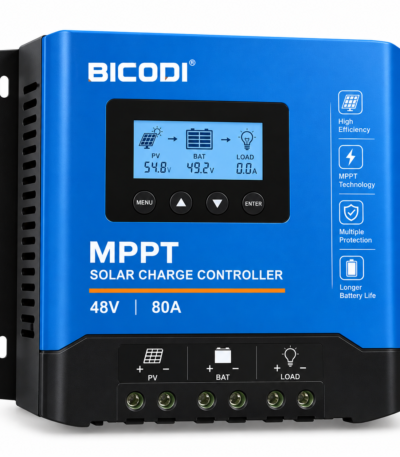
BICODI 48V MPPT Charge Controller 80A
Original price was: ₦111,000.00.₦110,000.00Current price is: ₦110,000.00.Unmatched Solar Energy Harvesting Performance
Upgrade your renewable energy system with the BICODI 48V MPPT Charge Controller 80A. Off-grid solar installations require precise voltage control to charge batteries safely without energy waste. This heavy-duty 80-amp MPPT Charge Controller connects your solar panels directly to your energy storage bank.
It processes high solar panel input voltages with high conversion efficiency. Therefore, you can design flexible solar panel configurations while using thinner connecting cables. In short, this advanced MPPT Charge Controller turns raw sunlight into usable home electricity seamlessly.
Optimized Charging for All Battery Types
Accurate voltage regulation extends the operational lifetime of expensive energy storage batteries. Fortunately, this intelligent MPPT Charge Controller includes automated multi-stage charging routines. It adjusts charging current rates smoothly to prevent dangerous overcharging and severe battery drain.
For modern lithium battery units, the controller balances cell voltages during every charge cycle. This smart battery management maximizes usable storage capacity for daily consumption. Consequently, using this MPPT Charge Controller saves you money on frequent battery replacements.
High Reliability Under Heavy Electrical Loads
Engineered for continuous daily power transfer, this MPPT Charge Controller maintains cool temperatures under heavy usage. Its advanced reverse-current protection stops stored battery power from leaking back into solar panels at night. Therefore, your battery reserve remains fully charged until morning hours.
The heavy-duty aluminum housing dissipates internal heat quickly during peak 80-amp charging periods. Additionally, fast electronic switchover mechanisms respond instantly when dark clouds pass over your solar array. This rapid adjustment ensures your battery charging process stays stable all day long.
Eco-Friendly Energy Independence Made Simple
Adding this modern MPPT Charge Controller to your solar installation reduces dependency on local utility power grids. It delivers clean renewable energy management that lowers your property’s overall environmental footprint.
The accessible wiring terminals allow electricians to connect solar inputs and battery leads effortlessly. Clear diagnostic lights display immediate operational status at a single glance. Furthermore, its ultra-quiet operation makes it perfect for indoor utility rooms. Choosing this MPPT Charge Controller guarantees cost-effective solar power management for many years ahead.

BICODI 5kW Hybrid Solar Inverter
Original price was: ₦530,000.00.₦520,000.00Current price is: ₦520,000.00.A Flexible Solution for Solar Backup
The BICODI 5kW Hybrid Solar Inverter is designed for buyers exploring solar energy and flexible power management. A suitable hybrid system can coordinate solar electricity with compatible battery storage and other supported power sources. This approach can help users plan their electricity supply around household needs, available sunlight, and backup requirements.
Support Solar Energy and Battery Storage
Solar panels produce electricity when sunlight is available. During periods of strong solar production, a compatible system may supply connected loads and charge a supported battery. Stored energy can then help meet electricity demand when solar generation decreases, depending on the inverter’s operating modes and battery configuration.
The BICODI 5kW Hybrid Solar Inverter should be paired with equipment that meets the manufacturer’s requirements. Battery voltage, charging limits, communication protocols, and battery chemistry all matter. Therefore, do not assume that every lithium or lead-acid battery will work with this inverter.
Consider Your Backup Power Requirements
Backup power planning begins with identifying essential appliances. List the equipment you want to operate during a power outage and calculate its total running demand. Next, account for appliances that draw extra power when starting.
Battery capacity is equally important. A larger battery can generally provide more stored energy, but actual backup time depends on the connected load and usable battery capacity. Solar production during an outage may also help, provided the inverter supports the required operating mode.
Before installation, confirm whether the specific model supports off-grid operation, grid-connected operation, or both. Also, ask which outputs remain active during an outage and what electrical protection the system requires.
Choose the Right System for Your Needs
A well-planned solar installation should match the inverter to the property’s electricity demand. Review your daily energy consumption, available roof space, local sunlight conditions, and future expansion plans. These factors help determine the appropriate solar panel capacity and battery size.
The BICODI 5kW Hybrid Solar Inverter may be suitable for a residential solar project when its verified specifications meet the intended requirements. However, the 5kW rating alone does not confirm solar input capacity, conversion efficiency, battery compatibility, or backup functionality.
For the best results, request the official datasheet, warranty information, and installation manual from the supplier. A qualified solar installer can then assess the site, size the components, and check the electrical requirements.
By choosing compatible equipment and planning around actual loads, you can build a more practical solar energy system. Always verify the exact model details before ordering or publishing technical specifications.
BICODI 5kWh Residential ESS Battery
Original price was: ₦1,150,000.00.₦1,050,000.00Current price is: ₦1,050,000.00.Flexible Energy Storage for Modern Homes
Make Better Use of Solar Electricity
A residential energy storage system can help households manage electricity more flexibly. Solar panels often produce most of their energy during daylight hours, while household demand may continue into the evening. A battery can store available electricity so that it can be used later.
The BICODI 5kWh Residential ESS Battery is an option to consider for a compatible home energy storage system. When connected to suitable equipment, it may help store energy from an approved charging source and supply power through the system’s inverter.
For example, a household may use stored energy for selected appliances when solar production falls. This can improve the use of generated solar electricity. However, the results depend on the battery’s usable capacity, the amount of energy generated, and the household’s consumption.
Backup operation also depends on the system design. The battery alone does not guarantee that appliances will continue operating during a power outage. The inverter and installation must support backup functionality and provide the necessary electrical switching and protection.
Check Battery and Inverter Compatibility
Compatibility is important when selecting a residential battery. The inverter must support the battery’s voltage range, charging requirements, and discharge limits. Some systems also require a compatible communication connection between the battery management system and inverter.
Before buying the BICODI 5kWh Residential ESS Battery, ask the supplier for the official datasheet. Review the nominal voltage, usable energy, maximum charge and discharge current, communication protocols, and supported inverter models. You should also confirm the battery chemistry, cycle-life rating, and warranty.
Do not assume that all residential batteries work with every inverter. Different products can have different operating requirements and communication settings. Therefore, confirm compatibility with the battery manufacturer or authorised supplier before installation.
A qualified installer can check the system design, select suitable cables, install protective devices, and configure the equipment correctly. Following the manufacturer’s installation instructions can help support safe and reliable operation.
Choose Storage That Fits Your Lifestyle
The right battery capacity depends on how your household uses electricity. Start by identifying the appliances you want to support and estimating their daily energy consumption. Then, consider how much stored energy you need and whether your solar system can recharge the battery as expected.
When comparing the BICODI 5kWh Residential ESS Battery with other products, look beyond the capacity stated in the product name. Review usable capacity, cycle-life specifications, warranty coverage, installation requirements, and after-sales support. These factors help you evaluate the battery’s suitability for long-term use.
You should also consider future energy needs. If your household plans to add more appliances or increase solar generation, confirm whether the system supports expansion and what additional equipment may be required.
For the best results, verify the exact model specifications before purchase. With a compatible inverter and a professionally designed installation, a residential ESS battery can become a practical part of a home energy storage solution.