


BICODI BRAND

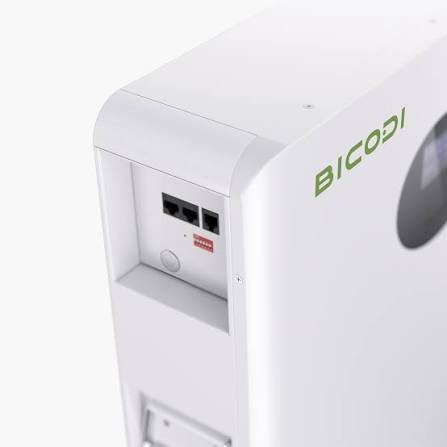
BICODI 10kWh Residential ESS Battery
Original price was: ₦2,050,000.00.₦1,950,000.00Current price is: ₦1,950,000.00.Flexible Energy Storage for Modern Homes
Make Better Use of Solar Electricity
A residential energy storage system can help households manage electricity more flexibly. Solar panels often generate most of their electricity during daylight hours, while household demand may continue into the evening. A battery can store available electricity so that it can be used later.
The BICODI 10kWh Residential ESS Battery is an option to consider for a compatible home energy storage system. When connected to suitable equipment, it can form part of a system that stores electricity from an approved charging source and supplies energy through the inverter.
For example, a household may use stored energy for selected appliances when solar production falls. This can improve the use of generated solar electricity and help manage daily energy demand. However, the results depend on usable battery capacity, solar generation, household consumption, and conversion losses.
Backup operation also depends on the complete system design. The battery alone does not guarantee that appliances will continue operating during a power outage. The inverter and installation must support backup functionality and include the necessary switching and electrical protection.
Check Battery and Inverter Compatibility
Compatibility is essential when choosing a residential battery. The inverter must support the battery’s voltage range, charging requirements, and discharge limits. Some systems also require communication between the battery management system and inverter.
Before buying the BICODI 10kWh Residential ESS Battery, ask the supplier for the official datasheet. Review the nominal voltage, usable energy, maximum charge and discharge current, communication protocols, and supported inverter models. You should also confirm the battery chemistry, cycle-life rating, and warranty coverage.
Do not assume that all residential batteries work with every inverter. Different models can have different operating requirements and communication settings. Therefore, confirm compatibility with the battery manufacturer or authorised supplier before installation.
A qualified installer can check the system design, select suitable cables, install protective devices, and configure the equipment correctly. Following the manufacturer’s installation instructions can help support safe and reliable operation.
Choose Storage That Fits Your Energy Needs
The right battery capacity depends on how your household uses electricity. Start by identifying the appliances you want to support and estimating their daily energy consumption. Then, consider how much stored energy you need and whether your solar system can recharge the battery as expected.
When comparing the BICODI 10kWh Residential ESS Battery with other products, look beyond the capacity stated in the product name. Review usable capacity, cycle-life specifications, warranty coverage, installation requirements, and after-sales support. These factors help you assess the battery’s suitability for long-term use.
You should also consider future energy requirements. If your household plans to add more appliances or expand its solar system, check whether the battery supports expansion and which additional components may be required.
For the best results, verify the exact model specifications before purchase. With a compatible inverter and a professionally designed installation, a residential ESS battery can become a practical part of a home energy storage solution.
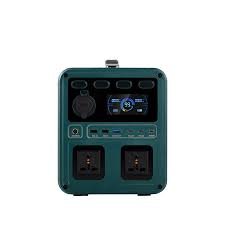
BICODI 1200W Outdoor Backup Power Station
Original price was: ₦590,000.00.₦580,000.00Current price is: ₦580,000.00.Flexible Charging and Emergency Backup
AC and Solar Charging Support
The BICODI 1200W Outdoor Backup Power Station supports AC charging and MPPT solar charging. This gives users flexible ways to replenish the battery at home or outdoors. When suitable sunlight is available, compatible solar panels can provide another source of charging energy.
The manufacturer’s BD-1200A information lists a maximum solar input of up to 400W in its specifications. However, other product details may vary by version. Check the exact solar input voltage, maximum wattage, and connector type before purchasing panels.
AC charging offers a convenient way to prepare the unit before a trip or expected power interruption. Solar charging can be helpful in outdoor locations where mains electricity is unavailable. Actual charging time depends on the input power, weather conditions, and remaining battery capacity.
Always use compatible charging accessories and follow the manufacturer’s instructions. These steps help support safe operation and dependable performance.
Pure Sine Wave Output for Compatible Devices
The BD-1200A model provides pure sine wave AC output and a rated power of 1200W. This makes it suitable for many compatible electronics and selected appliances, provided their voltage and power requirements match the unit’s specifications.
USB-A and USB-C ports provide convenient charging options for phones, tablets, laptops, and other supported electronics. The AC outlets can power compatible equipment within the rated output, while the DC connection supports suitable devices designed for that output.
Remember that the combined load must remain within the power station’s limits. Devices that exceed the rated output may not operate correctly. In addition, some appliances draw extra power during startup. Check the manufacturer’s specifications and your device labels before use.
Useful for Travel and Emergency Preparedness
A portable backup power station can help users prepare for short power interruptions and temporary off-grid activities. The BICODI 1200W Outdoor Backup Power Station can provide stored electricity for compatible lighting, communication devices, laptops, and selected appliances. It may also suit camping, outdoor work, and mobile projects.
Its rechargeable battery stores energy for use when a conventional outlet is unavailable. Solar charging offers another way to replenish that energy when conditions allow. However, actual runtime depends on battery capacity, connected devices, and power conversion losses.
Before purchasing, confirm the battery capacity, AC voltage, rated output, peak output, solar input limit, and available ports with your supplier. BICODI offers similarly named 1200W models with some differing specifications. With the correct version and compatible equipment, this power station can provide a practical source of portable backup electricity.
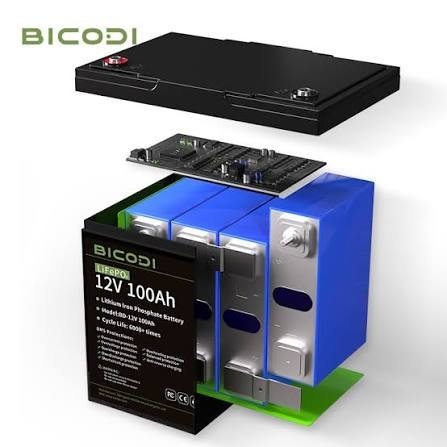
BICODI 12V 100Ah Deep Cycle Lithium Battery
Original price was: ₦250,000.00.₦240,000.00Current price is: ₦240,000.00.Practical Power for Daily Energy Needs
Understand the Benefits of LiFePO4 Technology
The BICODI 12V 100Ah Deep Cycle Lithium Battery offers a lithium-based option for users who need rechargeable energy storage. LiFePO4 stands for lithium iron phosphate, a battery chemistry commonly used in solar storage, mobile power systems, and other compatible applications.
One important advantage of LiFePO4 technology is its potential for repeated charge and discharge cycles. Under suitable conditions, this can make it useful for systems that cycle regularly. Lithium batteries may also offer a lower weight than comparable lead-acid batteries, although the difference depends on the specific products being compared.
Battery life is not determined by chemistry alone. Charging practices, temperature, discharge depth, current levels, and cell quality can all affect performance. For this reason, review the manufacturer’s cycle-life rating and the conditions used to calculate it.
A deep cycle battery can be valuable when your equipment needs energy over a longer period. However, it is important to match the battery with the actual load. This helps prevent excessive discharge and supports a more reliable power setup.
Plan Your Energy Storage System
Before purchasing a BICODI 12V 100Ah Lithium Battery, list the devices you want to power and estimate their daily energy use. Include lights, fans, electronics, and other compatible equipment. Also, consider how long each device will operate and whether it has a high starting current.
For a solar setup, check the output of your solar panels and select a compatible charge controller. The controller must support LiFePO4 batteries and follow the product’s charging limits. You should also consider the available sunlight and the amount of energy needed each day.
If you plan to use an inverter, confirm its input voltage and power rating. The battery must be able to supply the required current. In addition, the wiring and protective devices must be suitable for the expected load.
Do not assume that all 12V lithium batteries can be connected together. Series or parallel connections require confirmation from the manufacturer, including limits for the number of batteries and the required configuration. Following these checks can help you build a system that works within the battery’s rated limits.
Check Safety, Compatibility, and Product Specifications
A suitable battery management system can help monitor battery operation and provide protection against certain electrical or temperature conditions. However, the available features vary by model. Confirm the exact BMS functions listed in the official product documentation before relying on them.
Check the battery’s rated voltage, capacity, charging limits, maximum discharge current, dimensions, weight, warranty, and supported operating temperatures. These details help you compare products and determine whether the battery fits your application.
Use the battery only with compatible equipment, and follow all installation and charging instructions. Keep connections secure and protect exposed terminals. If the system involves high currents or unfamiliar wiring, ask a qualified installer for assistance.
The BICODI 12V 100Ah Deep Cycle Lithium Battery may be a suitable choice for users planning solar storage, mobile power, or backup applications. Verify the exact model specifications before purchasing to ensure that the battery meets your energy requirements and works safely with the rest of your system.

BICODI 12V 150Ah Deep Cycle Lithium Battery
Original price was: ₦360,000.00.₦350,000.00Current price is: ₦350,000.00.Practical Lithium Power for Daily Use
Understand the Benefits of Deep Cycle Lithium Batteries
The BICODI 12V 150Ah Deep Cycle Lithium Battery is an option to consider when a compatible system requires rechargeable power storage. Deep cycle batteries are intended for applications that draw energy over time and recharge the battery for subsequent use.
LiFePO4 batteries are popular in many energy storage applications because of their chemical stability and cycle-life potential. Compared with traditional lead-acid batteries, lithium alternatives may offer lower weight and more usable energy for a similar rated capacity. However, these advantages vary by model and operating conditions.
A battery’s service life depends on more than its chemistry. Temperature, charging current, discharge depth, and storage conditions all influence long-term performance. For that reason, review the official product documentation for the manufacturer’s cycle-life rating and the conditions under which it applies.
Capacity is another important consideration. A 150Ah battery may suit larger energy requirements than a smaller battery of the same nominal voltage, but the right choice depends on the connected load. Estimate your daily energy use before deciding whether this battery meets your needs.
Plan Your Solar or Backup System
Start by listing the devices you want to power. Include their wattage, daily operating hours, and any starting current they may require. This information helps you estimate energy consumption and select suitable battery capacity.
For solar installations, pair the battery with a compatible charge controller and solar array. The charging equipment must support the battery’s chemistry and manufacturer-specified voltage limits. Also, consider local sunlight conditions and the amount of energy you need to store each day.
When using an inverter, make sure it supports the battery’s nominal voltage. Check its continuous power rating and surge requirements as well. High-power loads can draw significant current from a low-voltage battery, so the wiring and protective devices must be properly rated.
For backup applications, decide which essential devices need to remain operational during a power interruption. Prioritising important loads can help you manage the available stored energy. In addition, leave enough capacity for system losses and follow the manufacturer’s recommended discharge limits.
Check Specifications Before Buying
Before purchasing the BICODI 12V 150Ah Lithium Battery, verify the exact model and its official datasheet. Confirm the nominal voltage, rated capacity, usable energy, maximum charge and discharge currents, dimensions, weight, and warranty terms.
You should also check whether the battery includes a BMS. If it does, review which functions are supported, such as overcharge protection, over-discharge protection, overcurrent protection, or temperature monitoring. Do not assume that every feature is included unless the documentation confirms it.
Battery compatibility matters just as much as capacity. Check the requirements of your solar controller, inverter, and connected equipment. Also, follow the manufacturer’s instructions for installation, ventilation where applicable, storage, and temperature limits.
The BICODI 12V 150Ah Deep Cycle Lithium Battery can be considered for suitable solar, mobile power, and backup energy systems once its specifications are confirmed. Careful planning helps you choose compatible components and avoid overloading the battery. Always use the verified product data to make the final purchasing decision.
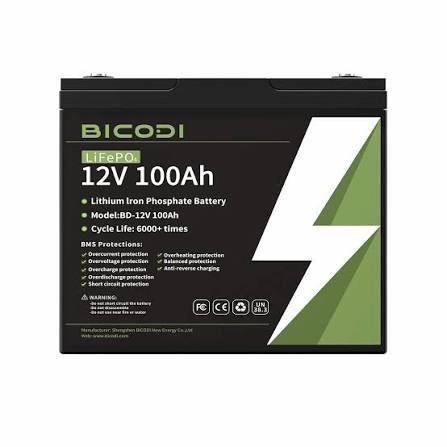
BICODI 12V 200Ah Deep Cycle Lithium Battery
Original price was: ₦460,000.00.₦450,000.00Current price is: ₦450,000.00.Reliable Lithium Power for Energy Systems
Understand LiFePO4 Battery Technology
The BICODI 12V 200Ah Deep Cycle Lithium Battery provides a lithium-based option for users who need rechargeable energy storage. Its LiFePO4 chemistry is commonly used in solar power systems, mobile applications, and other compatible low-voltage installations.
According to the BD12-200 datasheet, this battery has a nominal voltage of 12.8V, a rated capacity of 200Ah, and nominal energy of 2.56kWh. These values help users estimate their storage requirements and compare compatible battery options.
LiFePO4 batteries are valued for their stable chemistry and cycle-life potential. Compared with traditional lead-acid batteries, lithium alternatives may also offer a lower weight and different usable-capacity characteristics. However, the actual benefits depend on the models being compared and their operating conditions.
Battery performance changes with temperature, charging practices, discharge depth, and electrical load. Therefore, follow the manufacturer’s instructions and review the specified cycle-life conditions. Good system planning can help support dependable operation over time.
Plan Your Solar and Backup Power System
Before installing the BICODI 12V 200Ah Lithium Battery, list the equipment you intend to power. Include the wattage and daily operating hours of each device. This will help you estimate energy consumption and decide whether the battery’s capacity suits your needs.
For a solar setup, select a charge controller that supports the battery’s LiFePO4 chemistry. The solar panels, controller, and battery must work within their respective electrical limits. Also, consider available sunlight and the amount of energy you need to store each day.
If you plan to use an inverter, check its input voltage, continuous power rating, and surge requirements. The BD12-200 datasheet lists a recommended discharge current of 100A and a maximum discharge current of 200A. It also lists a peak discharge current of 300A for 30 seconds. These ratings must be interpreted according to the manufacturer’s operating conditions.
For backup applications, prioritise essential devices and estimate their runtime. Remember that inverter losses and other system demands affect usable energy. Choose correctly rated wiring and electrical protection, and avoid exceeding the battery’s specified limits.
Check Compatibility and Installation Requirements
Before purchasing, confirm that the BD12-200 model matches your application. The manufacturer’s datasheet lists a nominal capacity of 200Ah and a recommended low-voltage disconnect of 10V. Your system settings should follow the manufacturer’s instructions rather than relying on generic lithium battery values.
Check the charging equipment, inverter, connectors, and wiring for compatibility. Also, review the battery’s operating temperature limits, dimensions, weight, warranty, and installation requirements. These details help ensure that the battery fits your available space and intended use.
The battery documentation lists a maximum of four modules in series or parallel. However, confirm the exact permitted arrangement and any additional conditions with BICODI before connecting multiple batteries. Never assume that all battery configurations are suitable for every inverter or charge controller.
Use appropriate electrical protection and prevent accidental short circuits at the terminals. If you are unfamiliar with high-current battery wiring, consult a qualified installer. With compatible equipment and proper installation, the BICODI 12V 200Ah Deep Cycle Lithium Battery can be considered for suitable solar, mobile, and backup energy systems.
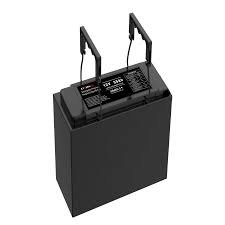
BICODI 12V 50Ah LiFePO4 Battery Pack
Original price was: ₦136,000.00.₦135,000.00Current price is: ₦135,000.00.Practical Power for Solar and Backup Projects
Understand LiFePO4 Battery Technology
The BICODI 12V 50Ah LiFePO4 Battery Pack offers a lithium-based option for users planning a suitable low-voltage energy system. LiFePO4 batteries use lithium iron phosphate as their cathode material. This chemistry is widely used in rechargeable battery applications because of its thermal stability and cycle-life potential.
Compared with conventional lead-acid batteries, LiFePO4 batteries can offer advantages in weight, usable energy, and service life, depending on the specific models and operating conditions. These benefits make lithium batteries worth considering for compact energy storage projects.
Nevertheless, battery performance depends on the complete product design. Cell quality, battery management, charging practices, temperature, and discharge depth all affect service life. Therefore, review the manufacturer’s stated performance data instead of relying on general battery chemistry claims alone.
Check Compatibility Before Installation
Correct compatibility is essential when adding a 12V battery to a solar or backup system. First, confirm that the equipment supports the battery’s nominal and charging voltages. Next, check its continuous discharge current and any short-duration peak current requirements.
If you plan to use an inverter, calculate the expected power demand. High-power devices can draw substantial current from a low-voltage battery. Consequently, the inverter, cables, fuses, and connectors must all be rated for the expected load.
For a solar installation, choose a charge controller with a supported LiFePO4 charging profile. Also, confirm whether the battery includes a built-in battery management system (BMS) and which protections it provides. Do not assume that every protection feature is included unless the product documentation confirms it.
Always follow the manufacturer’s installation instructions. Keep the battery away from unsuitable temperatures and protect the terminals from accidental short circuits. If you are unsure about wiring or system sizing, consult a qualified installer.
Make an Informed Battery Purchase
Before purchasing the BICODI 12V 50Ah LiFePO4 Battery Pack, compare its verified specifications with your power requirements. Check the dimensions, weight, terminal arrangement, warranty, and included accessories. These details help determine whether the battery will fit your intended installation.
Also, consider the charging source and the amount of energy your equipment uses each day. A battery that works well for light loads may not be suitable for equipment with high starting currents or long operating hours. Planning ahead can help you avoid an undersized system.
For solar and backup applications, select compatible components and follow the recommended charging and discharging limits. Finally, consult the official datasheet for the exact model before connecting it to equipment. With proper selection and installation, a suitable LiFePO4 battery can provide a practical energy storage option for a range of low-voltage projects.
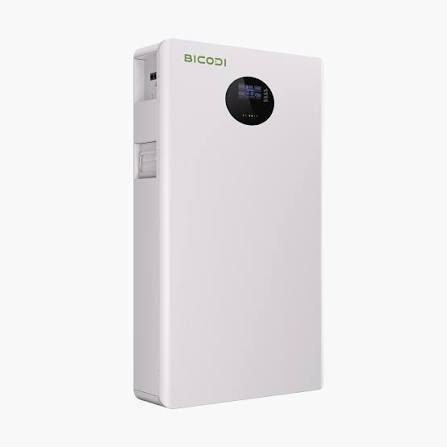
BICODI 16.1kWh 51.2V Lithium Energy Storage Battery
Original price was: ₦3,400,000.00.₦3,300,000.00Current price is: ₦3,300,000.00.Support Essential Household Appliances
The BICODI 16.1kWh 51.2V Lithium Energy Storage Battery can help provide backup electricity when used with a compatible inverter. Depending on your system design, stored energy may power lights, fans, internet routers, televisions, and refrigeration equipment during a power interruption.
The backup time depends on how much electricity your appliances consume. For example, a system running only essential loads may last longer than one powering several high-consumption appliances. Therefore, decide which devices you need to operate during an outage.
You should also consider the inverter’s rated power and the battery’s discharge limits. Some appliances require extra power when they start. A correctly sized system helps manage these demands and supports reliable operation.
Before installation, estimate your expected electricity consumption. This simple step helps you understand whether the battery capacity meets your needs. It also helps you avoid choosing equipment that is too small for your household.
Check Inverter Compatibility Before Buying
Battery and inverter compatibility is important for safe operation. The matching BICODI BD48314P16 datasheet lists a nominal voltage of 51.2V and a working voltage range of 42V to 58.4V. Always confirm these specifications for the exact model you purchase.
The datasheet also lists CAN and RS485 communication interfaces. These connections can allow compatible equipment to exchange battery information. However, the inverter must support the correct communication protocol and settings.
Before buying, check the inverter’s supported battery voltage, charging current, and discharge current. Also, confirm the battery management system requirements. Correct settings help the equipment work together as intended.
A qualified installer should check the wiring, circuit breakers, isolation devices, and other electrical components. This helps improve safety and reduces the risk of installation problems. Always follow the manufacturer’s installation instructions.
Plan Your Energy Storage for the Future
A good energy storage system starts with a clear plan. First, review your household’s daily electricity consumption. Next, consider your solar panel output and the amount of backup power you need. These details help you decide whether a 16.1kWh battery is suitable for your property.
You should also consider future energy needs. If you plan to add more batteries later, check the manufacturer’s approved expansion options. Do not assume that every battery model supports the same connections.
Finally, review the product’s dimensions, operating temperature limits, warranty, and installation requirements. Confirm these details in the official datasheet before placing your order.
With suitable equipment and professional installation, this lithium energy storage battery can help you store solar electricity and manage household power more effectively. It offers a practical option for homeowners who want to make better use of solar energy and support essential appliances during outages.
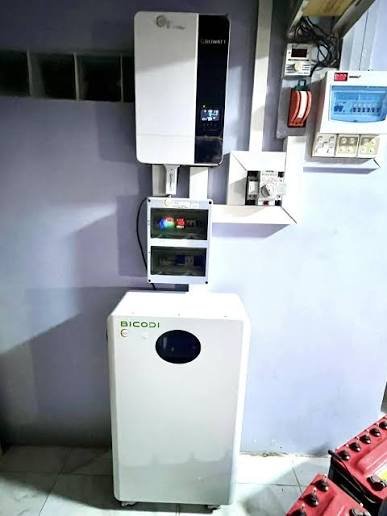
BICODI 16kWh 48V 300Ah LiFePO4 Solar Battery
Original price was: ₦3,000,000.00.₦2,900,000.00Current price is: ₦2,900,000.00.Support Essential Household Appliances
The BICODI 16kWh 48V 300Ah LiFePO4 Solar Battery can be considered for residential solar systems that require substantial energy storage. Depending on the complete system design, stored electricity may help power lighting, fans, internet routers, televisions, refrigerators, and other compatible appliances during a power interruption.
The amount of backup power available depends on the battery’s usable capacity and the connected appliances’ consumption. High-power equipment may require a suitable inverter and careful load planning. Therefore, identify the appliances you need during an outage and estimate their total energy requirements.
For example, divide the usable battery energy by the combined power consumption of the connected loads to estimate backup duration. Allow for inverter losses and other operating limitations. This calculation provides a useful estimate, although actual results vary with system conditions.
Check Battery and Inverter Compatibility
Battery and inverter compatibility is essential for reliable solar energy storage. Although the product title uses 48V, the manufacturer’s specifications for a related 16kWh model list a nominal voltage of 51.2V. This distinction matters when choosing compatible equipment.
Before installation, verify the exact battery model, nominal voltage, operating voltage range, maximum charging current, and maximum discharge current. You should also check whether the inverter supports the battery’s communication protocol and management settings.
The related BICODI model lists CAN and RS485 communication interfaces. However, buyers should confirm these features for the specific battery being supplied. Incorrect inverter settings can affect charging performance, monitoring, and system protection.
A qualified installer should select suitable cables, circuit breakers, isolation devices, and other electrical components. Correct installation and configuration help support safe operation and reduce the risk of equipment problems.
Plan a Long-Term Solar Storage Solution
Choosing a solar battery starts with understanding your household’s energy needs. Review daily electricity consumption, solar panel output, inverter capacity, and the backup duration you want. These details help determine whether a 16kWh storage system is appropriate for your property.
If you plan to expand the system later, confirm whether the exact model supports parallel connections and check the manufacturer’s maximum permitted configuration. Never assume that every battery supports the same expansion options.
You should also review the official datasheet for usable capacity, cycle-life conditions, operating temperature limits, dimensions, certifications, and warranty coverage. These specifications help you compare products accurately and plan an appropriate installation.
With compatible equipment and professional installation, a LiFePO4 solar battery can become a valuable part of a residential energy storage system. It can help households store solar electricity, manage energy use, and maintain power for selected loads when grid electricity is unavailable.
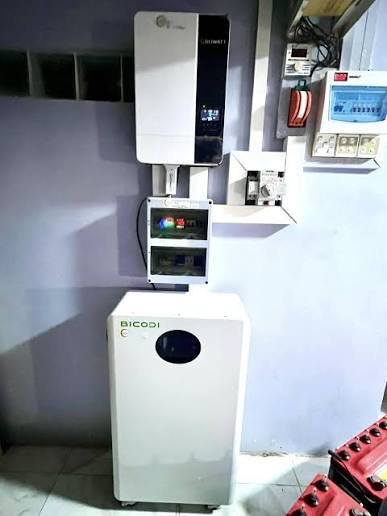
BICODI 16kWh Residential ESS Battery
Original price was: ₦3,000,000.00.₦2,900,000.00Current price is: ₦2,900,000.00.Flexible Energy Storage for Modern Homes
Make Better Use of Solar Electricity
A residential energy storage system can help households manage electricity more flexibly. Solar panels often generate most of their electricity during daylight hours, while household demand may continue into the evening. A battery can store available electricity so that it can be used later.
The BICODI 16kWh Residential ESS Battery is an option to consider for a compatible home energy storage system. When connected to suitable equipment, it can form part of a system that stores electricity from an approved charging source and supplies energy through the inverter.
For example, a household may use stored energy for selected appliances when solar production falls. This can improve the use of generated solar electricity and help manage daily energy demand. However, actual performance depends on usable battery capacity, solar generation, household consumption, and conversion losses.
Backup operation also depends on the complete system design. The battery alone does not guarantee that appliances will continue operating during a power outage. The inverter and installation must support backup functionality and include the necessary switching and electrical protection.
Check Battery and Inverter Compatibility
Compatibility is essential when choosing a residential battery. The inverter must support the battery’s voltage range, charging requirements, and discharge limits. Some systems also require communication between the battery management system and inverter.
Before buying the BICODI 16kWh Residential ESS Battery, ask the supplier for the official datasheet. Review the nominal voltage, usable energy, maximum charge and discharge current, communication protocols, and supported inverter models. You should also confirm the battery chemistry, cycle-life rating, and warranty coverage.
Do not assume that all residential batteries work with every inverter. Different models can have different operating requirements and communication settings. Therefore, confirm compatibility with the battery manufacturer or authorised supplier before installation.
A qualified installer can check the system design, select suitable cables, install protective devices, and configure the equipment correctly. Following the manufacturer’s installation instructions can help support safe and reliable operation.
Choose Storage That Fits Your Energy Needs
The right battery capacity depends on how your household uses electricity. Start by identifying the appliances you want to support and estimating their daily energy consumption. Then, consider how much stored energy you need and whether your solar system can recharge the battery as expected.
When comparing the BICODI 16kWh Residential ESS Battery with other products, look beyond the capacity stated in the product name. Review usable capacity, cycle-life specifications, warranty coverage, installation requirements, and after-sales support. These factors help you assess the battery’s suitability for long-term use.
You should also consider future energy requirements. If your household plans to add more appliances or expand its solar system, check whether the battery supports expansion and which additional components may be required.
For the best results, verify the exact model specifications before purchase. With a compatible inverter and a professionally designed installation, a residential ESS battery can become a practical part of a home energy storage solution.
BICODI 17.66kWh 51.2V 345Ah LiFePO4 Battery
Original price was: ₦3,500,000.00.₦3,400,000.00Current price is: ₦3,400,000.00.Flexible Backup Power and Energy Management
Support Essential Electrical Loads
The BICODI 17.66kWh 51.2V 345Ah LiFePO4 Battery can be considered for solar installations that need substantial stored energy. Depending on the complete system, it may help support essential household or business equipment during a power interruption.
Suitable backup loads may include lighting, communication equipment, fans, and refrigeration. However, the appliances you can run depend on the inverter’s power rating and the battery’s discharge limits. Therefore, identify your essential appliances before planning the system.
To estimate backup duration, divide the usable battery energy by the combined power consumption of the connected appliances. Allow for inverter losses and other system limitations. This calculation provides an estimate rather than a guaranteed runtime.
A well-designed storage system can help users prioritise important equipment. It can also make it easier to plan energy use during outages. For best results, review your electricity consumption and expected backup requirements before installation.
Check Battery and Inverter Compatibility
Battery and inverter compatibility is essential for safe operation. The product title specifies a 51.2V battery, but buyers should confirm the nominal voltage and operating voltage range using the exact model’s datasheet.
Check the inverter’s supported battery voltage, charging current, and discharge current. Also, confirm the communication protocol and battery management system requirements. Some energy storage products support CAN or RS485 communication, but you should not assume these features are available on this exact model without verification.
A qualified installer can help configure the system correctly. The installer should also select suitable cables, circuit breakers, and isolation devices. Correct installation supports reliable operation and helps protect connected equipment.
Plan Your Long-Term Energy Storage System
Before purchasing a battery, review your daily electricity use and solar panel output. Consider which appliances need backup power and how long you want them to operate. These details help determine whether the advertised 17.66kWh capacity meets your needs.
If you plan to expand the system later, check whether the battery supports parallel connections. Confirm the manufacturer’s maximum permitted configuration before connecting additional units. Not all batteries support the same expansion options.
You should also review the official datasheet for dimensions, weight, usable energy, cycle life, operating temperatures, and warranty coverage. These details help you compare products and plan a suitable installation.
With compatible equipment and professional installation, a LiFePO4 battery can become a valuable part of a solar energy storage system. It can help users store electricity, manage energy consumption, and support selected loads during grid interruptions.
BICODI 17.6kWh 48V 345Ah Lithium Battery
Original price was: ₦3,600,000.00.₦3,500,000.00Current price is: ₦3,500,000.00.Flexible Backup Power and Energy Storage
Support Essential Electrical Appliances
The BICODI 17.6kWh 48V 345Ah Lithium Battery can be considered for solar systems that need substantial stored energy. Depending on the complete system design, it may help support lighting, fans, internet routers, refrigeration, and other compatible appliances during a power interruption.
The actual backup duration depends on the connected loads and the battery’s usable energy. High-power appliances may need a larger inverter or a carefully planned load schedule. Therefore, identify which appliances are essential before choosing your system.
To estimate backup time, divide the usable battery energy by the total power consumption of the connected appliances. Allow for inverter losses and other system limits. This calculation provides an estimate rather than a guaranteed runtime.
A well-planned setup can help users prioritise important appliances during an outage. It can also make energy consumption easier to manage. For best results, review daily electricity use and expected backup requirements before installation.
Check Inverter and Battery Compatibility
Compatibility is essential when connecting a lithium battery to a solar inverter. Although the product title describes a 48V battery, buyers should confirm the exact nominal voltage and operating voltage range in the official datasheet.
Check the inverter’s supported battery voltage, charging current, and discharge current. Also, verify the battery’s communication options and battery management system requirements. Some energy storage batteries support CAN or RS485 communication, but these features must be confirmed for this exact model.
A qualified installer can help configure the system correctly. The installer should also select suitable cables, circuit breakers, and isolation devices. Correct installation helps protect the battery and connected equipment.
Before purchasing, confirm the battery’s chemistry, usable capacity, dimensions, cycle life, and warranty. This information helps you compare products and avoid relying on unverified specifications.
Plan a Reliable Solar Energy System
A successful solar storage system starts with clear energy planning. Review daily electricity consumption, solar panel output, inverter capacity, and the backup duration you want. These details help determine whether a battery with an advertised 17.6kWh capacity meets your needs.
If you plan to expand the system later, check whether the battery supports parallel connections. Confirm the manufacturer’s permitted configuration before adding more units. Not all batteries support the same expansion options.
You should also review the installation instructions and warranty conditions. Make sure the chosen location meets the manufacturer’s safety requirements. Use appropriate electrical protection and professional installation practices.
With compatible equipment and careful planning, a lithium battery can help store solar electricity and support selected loads during grid interruptions. Always confirm the exact product specifications with the supplier before finalising your purchase.
BICODI 180V High Voltage 10kWh LiFePO4 Battery
Original price was: ₦2,550,000.00.₦2,450,000.00Current price is: ₦2,450,000.00.Flexible Energy Storage and Power Management
Support Changing Energy Requirements
Energy requirements can change throughout the day. Some appliances need a steady power supply, while others operate only during certain hours. A battery storage system can help make stored electricity available when demand increases or solar generation decreases.
The BICODI 180V High Voltage 10kWh LiFePO4 Battery is an option to investigate for projects that require a high-voltage lithium iron phosphate battery. When connected to compatible equipment, it can form part of a system designed to store electricity and supply energy through an appropriate inverter.
For solar-powered properties, stored energy may help increase the use of electricity generated during daylight hours. A suitably designed system may also provide backup power to selected loads when supported by the inverter and required backup equipment.
However, battery capacity alone does not determine backup time. Actual performance depends on usable energy, the power demand of connected appliances, inverter efficiency, and the system’s operating limits. Calculate your expected consumption before deciding whether this battery meets your needs.
Verify Voltage and Inverter Compatibility
High-voltage storage systems require careful compatibility checks. The inverter must support the battery’s operating voltage range and charging requirements. It must also support the necessary battery communication and control functions where applicable.
Before purchasing the BICODI 180V High Voltage 10kWh LiFePO4 Battery, request the manufacturer’s official technical datasheet. Confirm the nominal voltage, operating voltage range, usable capacity, maximum charge and discharge current, and communication interfaces. You should also check the battery chemistry, cycle-life rating, warranty, and recommended operating conditions.
Do not assume that every high-voltage inverter supports every high-voltage battery. Differences in control settings and communication protocols can affect compatibility. Confirm the specific battery and inverter combination with the manufacturer or supplier before installation.
Because high-voltage electrical equipment requires specialised handling, professional installation is strongly recommended. A qualified installer can assess the system design, select appropriate electrical protection, and follow the relevant installation and safety requirements.
Build a Practical Energy Storage System
Choosing the right battery begins with a clear understanding of your electricity requirements. Estimate daily energy use, identify essential appliances, and consider when stored electricity will be needed. Then, assess whether your charging source can replenish the energy you expect to use.
When comparing the BICODI 180V High Voltage 10kWh LiFePO4 Battery with other options, look beyond the stated capacity. Review usable energy, cycle-life specifications, warranty coverage, installation requirements, and after-sales support. These details help you assess long-term suitability.
It is also useful to plan for future changes in energy demand. However, any battery expansion must follow the manufacturer’s supported configuration and compatibility requirements.
For the best results, verify the exact model specifications before placing an order. With suitable equipment, correct configuration, and professional installation, a high-voltage LiFePO4 battery can form part of a practical energy storage system for managing electricity more flexibly.