


AKT BRAND

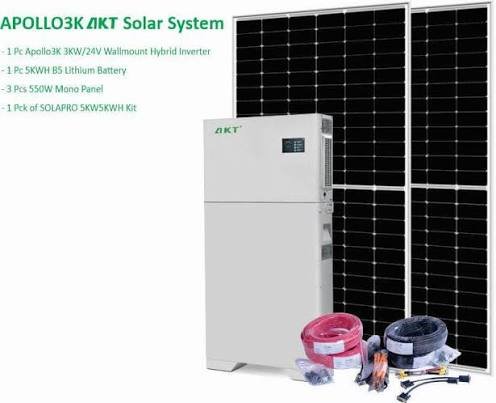
AKT Lithium Battery 24V 100Ah LiFePO4 battery
Original price was: ₦621,000.00.₦620,000.00Current price is: ₦620,000.00.100Ah LiFePO4 Battery for Backup Power Systems
The AKT Lithium Battery 24V 100Ah provides energy storage for compatible low-voltage power systems. It uses lithium iron phosphate (LiFePO4) chemistry and has a nominal voltage of 24V. Its 100Ah capacity makes it worth considering for suitable solar installations, backup power arrangements, and selected mobile applications.
A Lithium Battery 24V stores energy from a compatible charging source and supplies it when needed. This stored power may support selected appliances and devices when the complete system meets their electrical requirements. Actual output and runtime depend on the battery specifications and the connected load.
Plan Your Energy Requirements
Start by listing the devices you want to power during an outage or when solar generation is unavailable. Check their wattage and estimate their daily operating hours. These details help you understand your storage needs and compare suitable battery options.
The 100Ah rating does not guarantee a specific backup duration. Inverter losses, usable capacity, temperature, and battery condition can all affect runtime. Therefore, consider the entire system instead of relying on the capacity rating alone.
Match the Charger and Inverter
Before connecting the battery, check that your inverter supports a 24V LiFePO4 battery. The charger must also use suitable charging settings for this chemistry. Confirm the recommended charging current and voltage in the product documentation.
Review the maximum continuous discharge current, peak current, and permitted operating temperature. Also, check whether the battery includes a battery management system and which protective functions it provides. Never assume these features without checking the official specifications.
Follow Good Installation Practices
Use suitable cables, secure connectors, and correctly rated protective devices. Confirm the positive and negative terminals before making connections. Avoid short circuits, reverse polarity, and charging methods that the manufacturer does not approve.
Install the battery securely in a location that meets its stated environmental requirements. Keep it away from conditions outside the recommended operating range. If you plan to connect several batteries, follow the manufacturer’s guidance for approved configurations. A qualified installer can help confirm safe wiring and system compatibility.
A Practical Choice for Compatible Systems
A Lithium Battery 24V offers a storage option for users whose equipment requires a matching voltage and LiFePO4 chemistry. Before purchasing, consider your daily energy demand, available charging source, installation space, and required backup time.
Read the product label and manual before use. Confirm compatibility with the complete system, including all charging and power conversion equipment. When installed and charged according to the manufacturer’s instructions, this 100Ah battery can support practical energy storage for suitable applications.

AKT Lithium Battery 48V 100Ah LiFePO4 battery
Original price was: ₦1,021,000.00.₦1,020,000.00Current price is: ₦1,020,000.00.100Ah LiFePO4 Battery for Backup Power Systems
The AKT Lithium Battery 48V 100Ah offers energy storage for compatible power systems. It uses lithium iron phosphate (LiFePO4) chemistry and has a nominal voltage of 48V. Its 100Ah capacity makes it worth considering for selected solar and backup applications where the system supports its electrical requirements.
A Lithium Battery 48V stores energy from a suitable charging source and supplies it when needed. This stored energy may power compatible devices during an interruption or when another source is unavailable. Actual output and runtime depend on the battery specifications and connected loads.
Plan Your Backup Requirements
Start by identifying the appliances you need during a power outage. Check their wattage and estimate how many hours they must operate. This information helps you compare battery options and plan suitable storage capacity.
The 100Ah rating does not guarantee a specific backup duration. Inverter losses, usable battery capacity, temperature, and battery condition can change the result. Therefore, consider your complete energy demand instead of relying on capacity alone.
Match the Charger and Inverter
Before connecting the battery, verify that your inverter supports its exact voltage and LiFePO4 chemistry. The charger must also provide suitable charging settings. Check the recommended charging voltage and current in the product documentation.
Review the maximum continuous discharge current, peak current, and permitted operating temperature. Also, confirm whether a battery management system is included and which protection functions it provides. Use official specifications rather than assuming features based on the battery type.
Maintain Safe Connections
Use correctly rated wiring, secure connectors, and suitable protective devices. Confirm the positive and negative terminals before connecting the battery. Avoid reverse polarity, short circuits, and charging methods that the manufacturer does not approve.
Install the battery securely in a suitable location. Follow the manufacturer’s guidance for environmental conditions and storage. If you plan to connect multiple batteries, confirm that the proposed configuration is approved. A qualified technician can help check the wiring and system requirements.
Make an Informed Choice
A Lithium Battery 48V can be a practical option for compatible systems that need stored electrical energy. Before purchasing, consider the expected backup time, charging source, installation space, and equipment requirements.
Read the product label and manual before use. Confirm compatibility with all major components, including the inverter and charger. With proper installation and charging, this 100Ah battery can support energy storage for suitable solar and backup power applications.

AKT Lithium Battery 48V 200Ah LiFePO4 battery
Original price was: ₦1,951,000.00.₦1,950,000.00Current price is: ₦1,950,000.00.200Ah LiFePO4 Battery for Reliable Backup Power
The AKT Lithium Battery 48V 200Ah provides energy storage for compatible power systems. It uses lithium iron phosphate (LiFePO4) chemistry and has a nominal voltage of 48V. Its 200Ah capacity makes it worth considering for selected solar installations and backup power arrangements that need suitable energy storage.
A Lithium Battery 48V stores energy from a compatible charging source and supplies it when needed. This stored energy may power supported devices when the main supply is unavailable. However, actual output and runtime depend on the battery’s specifications, connected loads, and overall system design.
Plan Your Energy Requirements
Start by identifying the appliances you want to run during a power outage. Check their wattage and estimate their operating hours. This information helps you calculate energy needs and compare storage options.
The 200Ah rating does not guarantee a fixed backup duration. Inverter losses, usable capacity, temperature, and battery condition can change the result. Therefore, consider your complete energy demand instead of relying on capacity alone.
Match the Charger and Inverter
Before connecting the battery, verify that your inverter supports its exact voltage and LiFePO4 chemistry. The charger must also provide suitable charging settings. Check the recommended charging voltage and current in the product documentation.
Review the maximum continuous discharge current, peak current, and operating temperature range. Also, confirm whether the battery includes a battery management system and which protection functions it provides. Always use official specifications rather than assuming features based on battery chemistry.
Maintain Safe Connections
Use correctly rated wiring, secure connectors, and suitable protective devices. Confirm terminal polarity before connecting the battery. Avoid reverse polarity, short circuits, and charging methods that the manufacturer does not approve.
Install the battery securely in a suitable location. Follow the manufacturer’s guidance for storage and environmental conditions. If you plan to connect multiple batteries, confirm that the proposed configuration is approved. A qualified technician can help verify the wiring and system requirements.
Make an Informed Storage Choice
A Lithium Battery 48V can be a practical option for compatible systems that need stored electrical energy. Before purchasing, consider expected backup time, daily consumption, available charging sources, and installation space.
Read the product label and manual before use. Confirm compatibility with all major components, including the inverter and charger. With correct installation and charging, this 200Ah battery can support energy storage for suitable solar and backup power applications.
AKT Lithium Battery 48V 50Ah LiFePO4 battery
Original price was: ₦521,000.00.₦520,000.00Current price is: ₦520,000.00.50Ah LiFePO4 Battery for Backup Power
The AKT Lithium Battery 48V 50Ah offers energy storage for compatible power systems. It uses lithium iron phosphate (LiFePO4) chemistry and has a nominal voltage of 48V. Its 50Ah capacity makes it worth considering for selected solar energy storage and backup applications where the system supports its electrical requirements.
A Lithium Battery 48V stores energy from a suitable charging source and supplies it when needed. This energy may power compatible devices during an interruption or when another source is unavailable. However, actual output and runtime depend on the battery’s specifications and the connected load.
Plan Your Backup Requirements
Start by identifying the appliances you need during a power outage. Check their wattage and estimate how many hours they must operate. This information helps you compare battery options and plan a suitable storage system.
The 50Ah rating does not guarantee a specific backup duration. Inverter losses, usable battery capacity, temperature, and battery condition can change the result. Therefore, consider your complete energy demand instead of relying on capacity alone.
Match the Charger and Inverter
Before connecting the battery, verify that your inverter supports its exact voltage and LiFePO4 chemistry. The charger must also provide suitable charging settings. Check the recommended charging voltage and current in the product documentation.
Review the maximum continuous discharge current, peak current, and permitted operating temperature. Also, confirm whether a battery management system is included and which protection functions it provides. Use official specifications rather than assuming features based on the battery type.
Maintain Safe Connections
Use correctly rated wiring, secure connectors, and suitable protective devices. Confirm positive and negative terminals before connecting the battery. Avoid reverse polarity, short circuits, and charging methods that the manufacturer does not approve.
Install the battery securely in a suitable location. Follow the manufacturer’s guidance for environmental conditions and storage. If you plan to connect multiple batteries, confirm that the proposed configuration is approved. A qualified technician can help check the wiring and system requirements.
Make an Informed Choice
A Lithium Battery 48V can be a practical option for compatible systems that need stored electrical energy. Before purchasing, consider the expected backup time, charging source, installation space, and equipment requirements.
Read the product label and manual before use. Confirm compatibility with all major components, including the inverter and charger. With proper installation and charging, this 50Ah battery can support energy storage for suitable solar and backup power applications.

AKT MAX All-in-One Solar System 5KW/10KWh energy storage system
Original price was: ₦7,900,000.00.₦7,800,000.00Current price is: ₦7,800,000.00.5KW Solar Power with 10KWh Energy Storage
The MAX Solar System offers a combined 5KW power rating and 10KWh energy storage capacity for homes and small workplaces. Its all-in-one design brings power conversion and energy storage into one coordinated solution. This setup can help users plan a solar system without arranging every main component separately.
Start by identifying the appliances that matter most during an outage. Lights, fans, internet equipment, and selected electronics may be suitable when their combined demand fits the system’s rated output. Check the starting requirements of appliances with motors, because they may briefly draw more power than their normal running load. Avoid connecting equipment beyond the limits stated in the manual.
Store Energy for When You Need It
The 10KWh storage capacity provides a reserve of energy for use when solar production drops or another power source is unavailable, subject to the system’s configuration. The amount of time it can run your appliances will vary. For example, higher loads use stored energy faster, while efficient devices can help extend backup time. Conversion losses and usable battery capacity also affect results.
To plan your setup, estimate the wattage of each appliance and how many hours you expect to use it. Add the energy needs together, then ask a qualified installer to check whether the system can handle the expected load.
Solar panels can recharge storage when the system supports the selected panel arrangement. Always confirm the permitted solar input voltage, current, and power before buying panels. Sunlight and shade affect daily production. Follow the manual for cleaning and maintenance.
Plan a Safe, Efficient Installation
An integrated system can make equipment placement more organized, but correct installation remains essential. Choose a stable, dry, and well-ventilated location that meets the product instructions. Use compatible cables, breakers, earthing, and other protective equipment recommended by a qualified professional. Do not modify wiring or connect batteries that the system does not support.
Before ordering, verify the exact model specifications, included accessories, warranty coverage, and local service options. Also confirm whether solar panels and installation are included in the package price.
With careful planning and professional setup, the MAX Solar System can combine solar power and stored energy for daily use and backup support. Confirm features and compatibility in the official manual for your specific needs.
AKT MAX Stackable Energy Storage System 10KW/10KWh solar storage system
Original price was: ₦8,497,000.00.₦8,496,000.00Current price is: ₦8,496,000.00.10KW Power with 10KWh Energy Storage
The MAX Storage System is designed for energy setups that require a 10KW power rating and 10KWh of storage capacity. Its stackable format can help organize equipment and may offer a route to expand storage when approved modules are supported. This makes it worth considering for residential, office, or selected commercial applications.
Before choosing a system, understand the difference between power and energy. The 10KW rating relates to how much power the system can deliver under specified conditions. The 10KWh figure describes stored energy. Backup time depends on the appliances connected, their total demand, the amount of energy available for use, and conversion efficiency. Higher loads will usually use stored energy more quickly.
Make Better Use of Stored Solar Energy
When paired with compatible solar equipment, an energy storage system may store surplus solar generation for later use. This can help users manage energy across different parts of the day, depending on system configuration and local conditions. Do not assume that every operating mode or backup feature is included; check the model’s documentation before purchasing.
A stackable design can be useful when energy needs change over time. However, adding capacity requires compatible modules and must stay within the manufacturer’s limits. Confirm supported module types, connection procedures, communication settings, and the maximum permitted configuration. Do not connect unapproved batteries or alter system wiring.
Choose and Install Compatible Equipment
First, list essential appliances and estimate their daily energy use. Check both normal running power and starting demand, especially for equipment with motors or compressors. A qualified installer can use this information to assess the required system size and confirm whether the expected load is suitable.
If solar panels will be connected, verify the supported input voltage, current, and total power. Panel output changes with sunlight, shading, temperature, and weather. Correct panel placement and routine care can help maintain production, while professional installation supports safe operation.
Before ordering, check the package contents, required accessories, warranty coverage, and availability of local technical support. Confirm whether the price includes batteries, panels, wiring, and installation. Also make sure the proposed setup meets applicable electrical codes.
With a suitable design, the MAX Storage System can help combine power delivery and stored energy in one stackable arrangement. Follow the official instructions and seek professional advice to ensure safe, compatible operation, and maintain records of routine system checks regularly and safely.
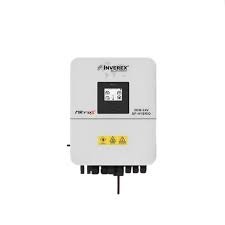
AKT MAX Stackable Energy Storage System 10KW/20KWh solar storage system
Original price was: ₦15,600,000.00.₦15,500,000.00Current price is: ₦15,500,000.00.10KW Solar Power with 20KWh Energy Capacity
The MAX Storage System offers a 10KW power rating and 20KWh of energy storage for residential and selected commercial applications. Its stackable design provides an organized approach to storing energy and may allow expansion when supported modules are available. This combination can help users plan their power requirements more carefully.
Power and energy capacity are not the same. The 10KW rating relates to the power the system can deliver under specified conditions. The 20KWh capacity describes the energy stored for later use. Backup time depends on the appliances connected, their total demand, usable battery energy, and system efficiency. Therefore, actual operating time will vary from one installation to another.
Support Your Energy Management Plan
When connected to compatible solar equipment, a storage system may retain surplus solar energy for later use. This can help users manage energy throughout the day, depending on sunlight, system configuration, and operating modes. Always check the product documentation to confirm which charging, backup, and power-management functions are supported.
The stackable design may also provide flexibility as energy needs change. However, additional storage must use approved modules and remain within the manufacturer’s limits. Confirm the supported module types and maximum configuration before expanding the system. Never connect unapproved batteries or modify electrical connections without qualified assistance.
Plan a Safe and Efficient Installation
Begin by listing essential appliances and estimating their daily energy use. Check both running power and startup demand, especially for compressors, pumps, and other motor-driven equipment. A qualified installer can assess whether the expected load suits the system’s output rating and available storage.
Solar panels must match the permitted input specifications. Confirm the maximum voltage, current, and power before selecting an array. Panel direction, shading, temperature, and weather can affect production. Proper installation and regular maintenance can help the system operate as intended.
Before ordering, review the package contents, accessories, warranty terms, and local technical support. Confirm whether panels, cables, protective devices, and installation services are included in the quoted price. Also ensure that the planned installation follows applicable electrical requirements.
With suitable equipment and careful planning, the MAX Storage System can support a practical energy storage setup for daily use. Follow the official manual, use compatible components, and arrange professional installation to help maintain safe and reliable operation.
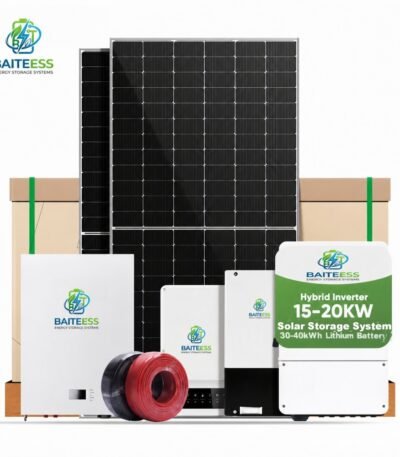
AKT MAX Stackable Energy Storage System 15KW/20KWh solar storage system
Original price was: ₦14,257,000.00.₦14,256,000.00Current price is: ₦14,256,000.00.15KW Power with 20KWh Energy Storage
The MAX Storage System offers a 15KW power rating and 20KWh of energy storage for residential and selected commercial applications. Its stackable design provides an organized approach to storing energy and may allow expansion when compatible modules are supported. This combination helps users plan power requirements and storage needs more clearly.
Power and energy capacity are not the same. The 15KW rating relates to the power the system can deliver under specified conditions. The 20KWh capacity describes the energy stored for later use. Backup time depends on the appliances connected, their total demand, usable battery energy, and system efficiency. Therefore, operating time will vary between installations.
Support Your Energy Management Plan
When connected to compatible solar equipment, a storage system may retain surplus solar energy for later use. This can help users manage energy throughout the day, depending on sunlight, system configuration, and available operating modes. Check the product documentation to confirm the supported charging, backup, and power-management functions.
The stackable format may provide flexibility as energy needs change. However, additional storage must use approved modules and remain within the manufacturer’s limits. Confirm supported module types and maximum capacity before expanding the system. Never connect unapproved batteries or change electrical connections without qualified assistance.
Plan a Safe and Efficient Installation
Begin by listing essential appliances and estimating their daily energy use. Check both running power and startup demand, especially for pumps, compressors, and other motor-driven equipment. A qualified installer can assess whether the expected load suits the system’s output rating and available storage.
Solar panels must match the permitted input specifications. Confirm maximum voltage, current, and power before selecting an array. Panel direction, shading, temperature, and weather can affect production. Correct installation and regular maintenance can help the system operate as intended.
Before ordering, review the package contents, accessories, warranty terms, and local technical support. Confirm whether panels, cables, protective devices, and installation services are included in the quoted price. Also ensure the planned installation follows applicable electrical requirements.
With suitable equipment and careful planning, the MAX Storage System can support a practical energy storage setup for daily use. Follow the official manual, choose compatible components, and arrange professional installation to support safe and reliable operation.

AKT Monocrystalline Solar Panel 100W 12V solar module
Original price was: ₦38,500.00.₦38,000.00Current price is: ₦38,000.00.100W Solar Module for Everyday Energy Needs
Make use of sunlight with a 100W monocrystalline solar panel designed for compatible 12V solar applications. This module can be considered for small off-grid systems, selected lighting setups, and battery charging arrangements. It provides a way to generate electricity from sunlight without relying entirely on mains power.
Solar panels work by converting sunlight into direct current electricity. The amount produced changes throughout the day. Bright sunlight can improve generation, while clouds, shade, dirt, and unsuitable panel positioning can reduce output. For this reason, correct installation is important.
Practical Design for Solar Systems
A monocrystalline solar panel uses photovoltaic cells to produce electrical energy. Its 100W rating provides a starting point when planning a small solar system. However, the actual energy generated each day depends on available sunlight and the complete system setup.
This panel may suit selected low-power applications, such as compatible LED lights and small DC equipment. It can also charge a suitable battery when connected through an appropriate charge controller. Always confirm the panel’s voltage, current, and connector specifications before installation.
Improve Solar Panel Performance
Place the panel where it receives direct sunlight for much of the day. Avoid nearby trees, walls, and objects that may cast shadows across the cells. Even partial shading can affect energy generation, depending on the panel design.
Keep the surface free from dust and debris. Clean it carefully according to the manufacturer’s instructions. Also, secure the mounting structure so the panel stays in position during normal weather conditions.
For battery charging, choose a compatible charge controller. The controller must support the panel’s electrical output and the battery’s charging requirements. If your system includes an inverter, check that its input matches the battery system and its output suits your appliances.
Plan Your Solar Installation
Before purchasing, review the module’s dimensions, rated power, voltage, current, and connection type. Make sure the panel fits your available space and works with your existing equipment. A 100W panel may not provide enough energy for high-power appliances, so calculate your expected daily consumption first.
For safe operation, use suitable cables, connectors, and mounting accessories. Protect exposed wiring and avoid handling electrical connections in unsafe conditions. If you are unsure about the installation, consult a qualified solar technician.
Choose this monocrystalline solar panel for a properly planned small solar system. Its 100W rating makes it worth considering for selected low-power applications. With suitable components, good sunlight exposure, and regular maintenance, it can contribute to dependable solar energy generation.

AKT Monocrystalline Solar Panel 150W 12V solar module
Original price was: ₦52,500.00.₦52,000.00Current price is: ₦52,000.00.150W Solar Module for Everyday Energy Needs
Use available sunlight to generate electricity with a 150W monocrystalline solar panel designed for compatible 12V applications. It can be considered for small off-grid systems, basic lighting, and battery charging arrangements. This solar module offers a practical way to produce electricity in places where mains power is limited.
Photovoltaic cells convert sunlight into direct current electricity. However, energy production changes with the weather, sunlight hours, panel direction, and shading. Therefore, daily output will vary according to local conditions and system design.
Practical Power for Small Systems
A 150W solar module can support selected low-power equipment when the system is planned correctly. Possible uses include compatible LED lights, small DC devices, and charging suitable batteries through an appropriate controller.
Before installation, check the panel’s voltage, current, and connector specifications. Make sure all connected equipment supports the electrical output. A 12V battery system may require a suitable solar charge controller to manage charging safely.
If your appliances require AC electricity, you may need an inverter. Select one that matches the battery voltage and the total load. Also, consider the energy required by each appliance before deciding whether a single panel will meet your needs.
Improve Solar Panel Performance
Position the panel where it receives direct sunlight for much of the day. Avoid shade from buildings, trees, or nearby objects. Proper placement helps the panel use available sunlight more effectively.
Keep the surface clean and inspect it regularly. Dust and debris can block sunlight and lower energy production. Follow the manufacturer’s cleaning instructions and avoid methods that could damage the panel surface.
Use suitable mounting hardware to secure the module. Protect cables from sharp edges, moisture, and accidental damage. For safe installation, consult a qualified solar technician if you are unsure about wiring or electrical compatibility.
Choose the Right Solar Setup
Before buying, review the module’s dimensions, rated power, voltage, current, and connection type. Confirm that it suits your existing equipment and available installation space. Remember that actual output depends on sunlight and system conditions.
A 150W panel may not supply enough energy for high-power appliances or heavy daily loads. Calculate your energy needs before selecting the panel and other components.
Choose this monocrystalline solar panel for a properly planned small solar system. With compatible components, suitable sunlight, and regular care, it can contribute to practical solar energy generation for everyday use.
AKT Monocrystalline Solar Panel 150W 12V solar module
Original price was: ₦65,600.00.₦65,000.00Current price is: ₦65,000.00.150W Solar Panel for Small Solar Power Needs
Use available sunlight to generate electricity with a 150W monocrystalline solar panel. Designed for compatible 12V applications, this module can suit selected off-grid setups, basic lighting systems, and battery charging arrangements. It offers a practical option for people who want to make better use of solar energy.
Photovoltaic cells convert sunlight into direct current electricity. However, energy production varies with weather, shade, sunlight hours, and panel placement. For this reason, the electricity available each day may differ from the panel’s rated output.
Support Your Everyday Power Needs
A 150W solar panel can support selected low-power equipment when the complete system is designed correctly. Possible uses include compatible LED lights, small DC devices, and charging suitable batteries through an appropriate controller.
Before connecting equipment, check the panel’s voltage, current, and connector specifications. Make sure every component supports the required electrical ratings. A compatible charge controller is important when charging a battery because charging requirements differ by battery type.
For AC appliances, you may need an inverter and a suitable battery. Select equipment that matches your power requirements. Calculate the expected daily energy use before deciding whether one panel can supply enough electricity.
Improve Panel Performance
Choose a location that receives direct sunlight for much of the day. Keep the module away from shadows caused by trees, buildings, or other objects. Proper positioning helps the panel collect available sunlight more effectively.
Clean the panel surface when needed. Dust, leaves, and other debris can reduce energy generation. Use a cleaning method recommended by the manufacturer to avoid damaging the module.
Secure the panel with suitable mounting hardware. Keep cables tidy and protect them from sharp edges, moisture, and accidental damage. For unfamiliar electrical work, consult a qualified solar installer.
Check Compatibility Before Buying
Before purchasing, review the panel’s rated power, voltage, current, dimensions, and connector type. Confirm that it suits your existing equipment and installation space. These checks can help prevent compatibility problems.
Remember that a 150W panel may not provide enough energy for high-power appliances or continuous heavy loads. Actual performance depends on sunlight and the complete solar system.
Choose this monocrystalline solar panel for a properly planned small solar setup. With suitable components, good sunlight exposure, and regular care, it can contribute to practical solar energy generation for everyday needs.
AKT Monocrystalline Solar Panel 250W solar PV module
Original price was: ₦79,000.00.₦78,000.00Current price is: ₦78,000.00.250W Solar PV Module for Everyday Energy Needs
Use available sunlight to generate electricity with a 250W monocrystalline solar panel. This photovoltaic module can suit selected residential systems, small commercial installations, and off-grid power setups. It provides a practical way to produce electricity in places where access to the mains supply is limited.
Photovoltaic cells convert sunlight into direct current electricity. The amount produced changes with weather, shade, sunlight hours, and panel positioning. Therefore, daily energy generation can differ from the module’s rated output.
Support Your Solar Power Setup
A 250W solar PV module can contribute to several low-power applications when the complete system is designed correctly. Possible uses include compatible LED lighting, small DC devices, and charging suitable batteries through an appropriate controller.
Before connecting equipment, review the panel’s voltage, current, and connector specifications. Confirm that every component supports the required electrical ratings. Battery charging usually requires a compatible charge controller that matches the panel and battery type.
For AC appliances, you may also need an inverter and a suitable battery. Choose equipment that supports your expected power demand. Calculate your daily electricity use before deciding whether one panel will provide enough energy.
Improve Solar Panel Performance
Choose a location that receives direct sunlight for much of the day. Keep the panel away from shadows caused by trees, walls, or nearby structures. A clear installation area can improve access to available sunlight.
Clean the surface when necessary. Dust and debris can reduce energy production, so follow the manufacturer’s cleaning instructions. Avoid harsh tools or cleaning methods that may damage the panel.
Use suitable mounting hardware to secure the module. Keep cables organised and protect them from sharp edges and accidental damage. If you are unsure about electrical connections, consult a qualified solar technician.
Check Specifications Before Purchase
Before buying, check the rated power, voltage, current, dimensions, and connector type. Confirm that the module suits your available installation space and existing equipment. These checks help prevent compatibility issues.
Remember that actual output depends on sunlight and the full system design. A single 250W module may not meet the needs of high-power appliances or heavy daily consumption.
Choose this monocrystalline solar panel for a properly planned solar energy system. With compatible components, suitable sunlight, and regular maintenance, it can contribute to practical electricity generation for everyday needs.